Selecting conveyor systems by “what looks normal on Google” is a brave strategy, in the same way running into traffic is brave. This industries hub exists to help you match application realities to the right equipment family, so your line runs predictably, your maintenance plan stays sane, and your buying decisions stop creating avoidable downtime.
We focus on non-mining industries across Africa where uptime is earned through practical design and repeatable service. That means dependable material handling, sensible spares planning, and builds that support your operation on an ordinary day, not just on installation day when everyone is still smiling.
This industries page helps you choose the correct conveyor family based on environment, hygiene needs, throughput pressure, product behaviour, and staffing reality. It also shows what to standardise in conveyor components so your maintenance team is not chasing ten different “almost-the-same” parts.
If you already know your category, jump to the relevant industry card below and use the internal links to the dedicated pages. If you are still unsure, the selection rules and checklists here will get you to a correct starting point without guesswork.
Different industries punish equipment in different ways. Some punish hygiene and corrosion resistance. Some punish throughput and accumulation. Some punish impact points and transfer geometry. Some punish your patience by changing product formats every few months. The correct approach is not “buy the strongest thing” or “buy the cheapest thing.” It is selecting the right family of conveyor systems and the right set of conveyor components for the job your line actually does.
If you want a neutral baseline definition of conveying, Conveyor system explains the broad concept. In real operations, the difference is in the details: how transfers are designed, how rollers are specified, how belt tracking is handled, and whether your team can maintain the system without dismantling half the line.
Most failures are not dramatic. They are repetitive. A transfer that catches corners. A roller that drags. A belt that tracks “fine” until it warms up. A zone that accumulates dust or debris and slowly turns into a jam factory. These are ordinary issues, and the fix is ordinary too: correct selection, sensible layout, and a maintenance plan that supports quick recovery with the right conveyor parts.
This hub is structured to help you compare options without needing a full engineering session before you even know where to start. You will find a selection matrix, a “fit” guide by category, and practical rules that reduce the most common buying mistakes. If you manage multiple facilities, the same approach also helps standardise conveyor components and shorten training time for technicians.
A helpful way to think about the goal: you are not buying “a conveyor.” You are buying predictable flow. Predictable flow protects output, reduces manual handling, and stops production teams from living in constant recovery mode. That is the only “feature” that matters long-term.
Use this quick matrix to shortlist the correct family. It is not a replacement for engineering, but it stops the most common mistake: specifying equipment based on assumptions instead of conditions. Each option below can be delivered through custom conveyor manufacturing and supported with conveyor parts and conveyor spares that match the duty cycle.
The matrix reflects reality: product behaviour, environment, and throughput pressure decide the “family” far more than brand names. Once you have a shortlist, you refine selection using details like dust exposure, humidity, washdown routines, temperature swings, and how the line is actually operated during peak windows.
If your decision makers want one useful metric, use recovery time. How quickly can the line return to stable flow after a fault? Recovery time improves when access is planned, wear points are reachable, and the right conveyor spares are already on-site.
Most downtime does not come from “mystery failures.” It comes from a short list of repeatable causes that show up again and again in non-mining operations. If you control these, you control most stoppages without needing to overcomplicate your system.
Transfers create jams, scuffing, edge wear, and product damage. The fix is usually geometry and support. If you improve one high-impact transfer, you often remove multiple symptoms downstream. This is also where correct selection of conveyor components and wear items prevents repeated rework.
A roller can look fine and still drag under load. Drag changes tracking behaviour and increases power draw. A single seized bearing can turn a stable line into a stop-start mess. Planned replacement of conveyor rollers in high-wear zones is one of the simplest reliability upgrades available.
Belts track based on tension, alignment, and loading behaviour. If the line is loaded unevenly or the tension is incorrect, the belt will behave differently as temperature changes and as contamination builds. Correct selection of conveyor systems is not just frame choice, it is how the whole line is made stable under imperfect conditions.
The most annoying stoppage is the cheap stoppage. A small missing item delays recovery and burns labour. A practical conveyor spares plan prevents this, especially when lead times are uncertain or the site runs peak seasons. A lean kit of the right conveyor parts is almost always cheaper than an hour of downtime.
The goal is not perfection. The goal is a line that behaves predictably, and a maintenance plan that restores stable flow quickly when wear shows up. That is how you stop firefighting from becoming “the operating model.”
These are the primary non-mining industries we support with industrial conveyor solutions. Each card links to a dedicated page with deeper selection guidance and common use cases. If you operate across multiple sites, use these pages to standardise selection and reduce confusion around conveyor parts and conveyor spares.
If your site sits between categories (for example, processing plus dispatch), you are normal. Many operations blend needs: hygiene in one zone, accumulation in another, and dock speed at the end. That is why we treat your line as a system and plan conveyor parts and conveyor spares accordingly.
If you want a simple starting point: identify the most painful stoppage, then identify the part of the line that causes it. You do not need a full rebuild to improve stability. Many upgrades are incremental: better transfers, improved belt selection, targeted roller replacement, and a spares kit that prevents delays.
Below is a practical guide to what each conveyor family does well, what it does poorly, and what to plan so it remains reliable. This is the difference between buying equipment and buying outcomes. The outcomes are predictable flow, manageable maintenance, and recovery that does not depend on luck.
Best when items need continuous support and stable transfers. Particularly useful for mixed packaging, irregular bases, and light goods that do not behave well on rollers. Reliability improves when tracking is stable, transfers are supported, and cleaning routines are realistic.
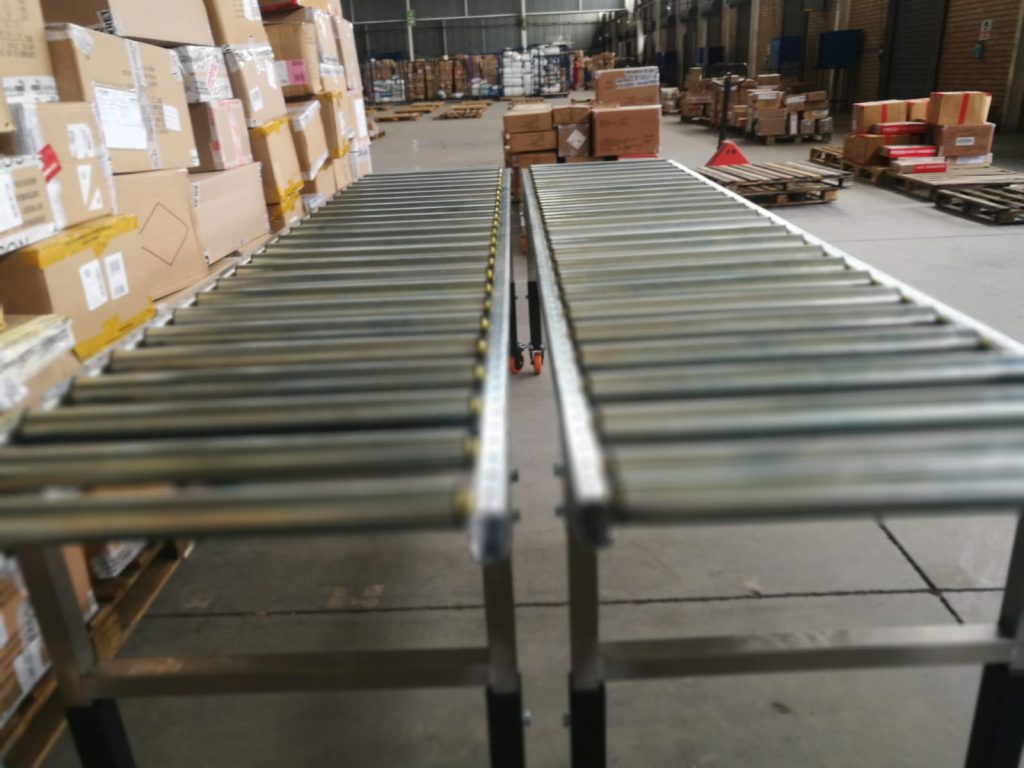
Best for unit loads where zoning and accumulation matter. Often used for cartons, totes, and staging lanes. Reliability depends on roller condition, bearing sealing, and correct selection for load and environment.
Best when you want low complexity staging with minimal powered components. Gravity can be a cost-effective choice for buffer lanes and manual flow. The limitation is control. If throughput is high or timing is tight, uncontrolled flow can create congestion and handling issues.
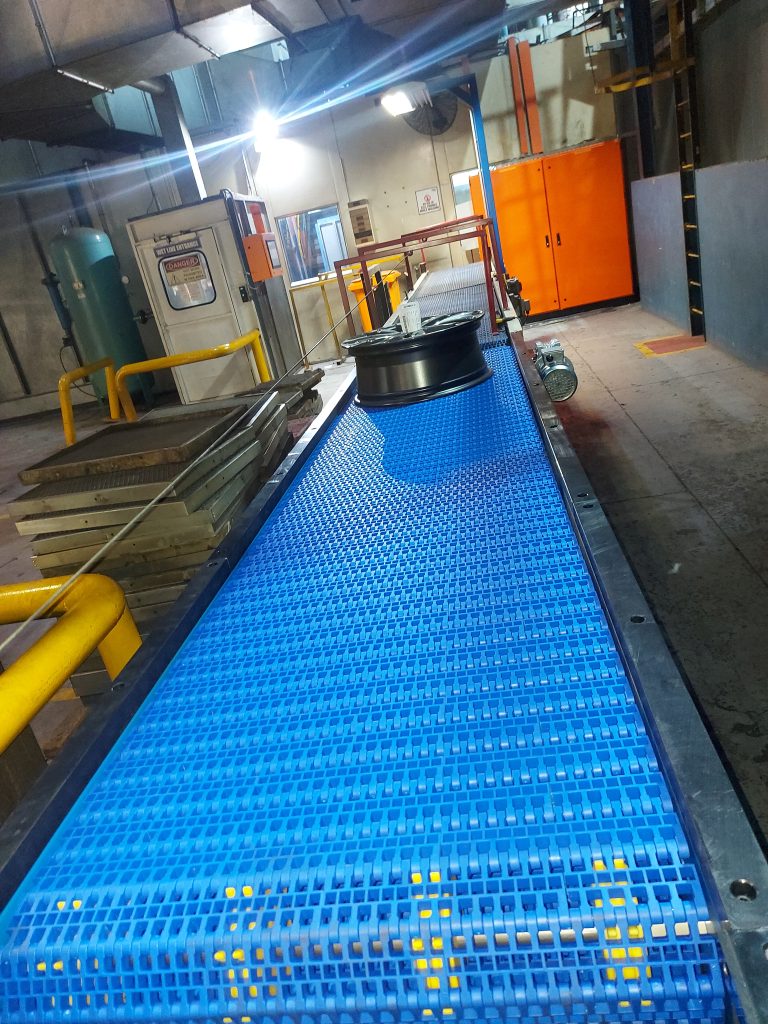
Best for hygiene-focused areas and wet environments where cleanability matters. Modular surfaces can support washdown routines and reduce downtime by allowing section replacement instead of full belt replacement, depending on the application.
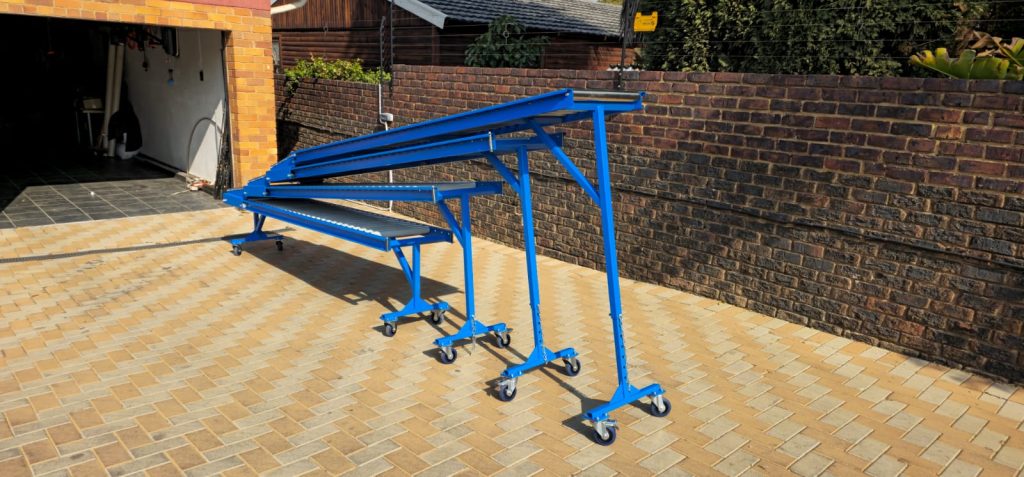
Best for dock loading where dispatch speed and ergonomics matter. Telescopic systems reduce manual carrying, improve vehicle turnaround, and stabilise peak operations where throughput pressure is consistent.
Components decide uptime. Standardising critical wear items makes repairs repeatable and reduces procurement confusion. This is the fastest way to improve stability without rebuilding entire lines.
When buyers ask “which is best,” the real answer is “best for what constraints.” The correct category should make your operation calmer, not more complicated. If the selection forces constant intervention, the category is likely wrong for the workflow.
Conveyor selection becomes easier when you stop thinking in product names and start thinking in constraints. Below are rules we use when guiding buyers in non-mining industries. These rules keep decisions grounded in reality, reduce repeat downtime, and create a clear foundation for custom conveyor manufacturing.
The most expensive failures happen when the product and conveyor family are mismatched. Flexible packaging that sags, soft pouches, or irregular items often need continuous support, which is why belt conveyors frequently win in mixed packaging environments. Rigid unit loads like cartons and totes often suit roller conveyors because zoning and accumulation become easier. If you are staging with minimal complexity, gravity conveyors can deliver value without turning maintenance into a daily event.
This is where material handling matters. The core goal is predictable movement, not movement “at any cost.” If you want a neutral explanation, Material handling is a helpful baseline. In real operations, your product type tells you which support surface and which transfer geometry will reduce jams.
Environment is a silent destroyer. Washdown routines, humidity, chemicals, and temperature swings shape material choices. If hygiene is a daily requirement, modular belt conveyors are commonly selected for cleanability and surface durability. In dry, mixed packaging zones, the best choice might still be a belt system, but with finishes and guarding that match your cleaning approach.
Access is part of the environment too. A line that must be cleaned daily needs safe clearances. A line in a tight aisle still needs reachability for replacing conveyor components and wear items. If access is poor, maintenance becomes inconsistent. If maintenance becomes inconsistent, downtime becomes predictable.
Throughput pressure changes everything. In low-volume staging, gravity can work fine. In high-volume dispatch, uncontrolled flow becomes chaos. High-throughput zones benefit from controlled accumulation, predictable starts and stops, and stable handoff points. That usually pushes selection toward driven roller conveyors or properly specified belt conveyors, depending on product.
This is also where spares readiness enters the room. Higher throughput increases wear at transfers and high-use rollers. In many cases downtime cost far exceeds part cost, which is why planning conveyor spares is practical rather than administrative.
A conveyor does not operate in a vacuum. People scan, pack, lift, and move around it. Forklifts exist. Pallet jacks exist. Safety requirements exist. Layout decisions must reflect how your team actually works. Many sites improve performance just by eliminating awkward reaches, reducing manual carries, and designing better staging.
When layout matches process, you get fewer jams and fewer workarounds. When layout fights process, you get “creative” workarounds that eventually become “incident reports.” A good layout is boring in the best way: predictable and easy to operate.
If you want a fast and accurate quotation, provide the information below. It reduces back-and-forth and prevents the classic mistake: quoting a system that fits a guess, not a site.
These details allow us to recommend the correct family of conveyor systems and plan conveyor parts that match duty cycle. For many teams, that is the difference between reliable operation and repeat troubleshooting.
The most frustrating downtime is not the dramatic failure. It is the small failure that stops the line because a simple part is not on-site. A practical conveyor spares strategy prevents this. It also makes procurement simpler across multiple sites by standardising what you stock and how you replenish.
If you run multiple lines, align roller types, bearing specs, and common wear items where possible. Standardisation reduces the variety of conveyor parts you hold and shortens repair time. A small kit of the right items prevents the most common stoppages.
Transfer points, high-use rollers, and belt interaction areas typically wear faster. Keep critical conveyor components for these zones on-site. It is cheaper than losing an hour of production. In high-throughput operations, it is also the difference between stable dispatch and missed cutoffs.
A sensible spares plan is not about hoarding. It is about holding the items that protect uptime: the items that are cheap compared to downtime cost, and the items that have lead times you cannot control. We help you build this plan alongside selection so your custom conveyor manufacturing project stays supportable long-term.
A useful approach is criticality ranking. Identify the top ten items that would stop production, then identify which of those can be stocked as a lean kit. This keeps your conveyor spares practical and stops it turning into an expensive storage hobby.
Plenty of suppliers can sell you something. The value is correct selection, correct execution, and support that still exists after the first month of operation. We serve industries that care about uptime, safety, and repeatable maintenance.
We match conveyor systems to product behaviour, environment, and throughput pressure. That reduces mismatch failures and makes conveyor spares planning more predictable across different sites.
We support upgrades, repairs, and parts supply so your operation is not stranded after commissioning. That includes consistent supply of conveyor parts and core conveyor components for uptime protection.
We design for non-mining industries, where hygiene, people movement, and predictable serviceability matter. That focus keeps recommendations practical and aligned to real operational constraints.
From scoping to manufacturing to installation support, we keep projects aligned and outcomes repeatable. That consistency is what buyers in demanding operations actually want.
We provide custom manufacturing of conveyors and rollers because real facilities rarely match catalogue assumptions. Columns exist. Space is limited. Product changes. Hygiene rules exist. Dispatch layouts change. In practice, “custom” means the system is engineered to match your footprint and your duty cycle, not forced to match a generic frame.
Our custom conveyor manufacturing capability covers complete systems and the supporting details: belt conveyors for continuous support, unit-load roller conveyors for zoning and accumulation, low-maintenance gravity conveyors for staging, modular belt conveyors for hygiene-focused applications, and telescopic conveyors for faster dock loading. We also supply durable conveyor rollers, plus the conveyor parts and conveyor spares strategy that keeps the system running.
For general context, Conveyor system explains the broad category. In practice, we translate workflow into a build that is serviceable, stable, and aligned to real operational constraints.
We support customers across Africa with industrial conveyor solutions for non-mining industries. If you operate cross-border, we can help you standardise conveyor parts and keep conveyor spares planning consistent so sites do not become a collection of mismatched components.
If you are here to get to the right page quickly, use these internal links. Each page covers typical use cases, practical selection notes, and how to keep maintenance predictable with standardised conveyor components. This keeps selection consistent across your footprint.
Because buyers in industries deserve direct answers, here are the most common selection questions. This FAQ supports planning for conveyor systems, custom conveyor manufacturing, and spares readiness.
Start with product behaviour and environment. For continuous support and mixed packaging, belt conveyors are common. For unit loads and accumulation, roller conveyors and conveyor rollers often fit. For low-maintenance staging, gravity conveyors can work well. For hygiene and washdown, modular belt conveyors are often preferred. For faster dock loading, telescopic conveyors deliver strong productivity gains.
Yes. We provide custom manufacturing of conveyors and rollers based on layout, product, duty cycle, and service conditions. This includes custom conveyor manufacturing that aligns to workflow and maintenance reality.
Yes. We help identify common conveyor components that can be standardised where it makes sense, and we guide practical conveyor spares planning to reduce downtime risk, especially for cross-border operations.
We support non-mining industries including manufacturing, warehousing, logistics, packaging, food & beverage, pharmaceutical, and agricultural operations.
We serve customers across Africa, including Angola, Botswana, DRC, Ethiopia, Kenya, Malawi, Mozambique, Namibia, Nigeria, Tanzania, Zambia, and Zimbabwe, supplying industrial conveyor solutions for non-mining industries.
Provide product dimensions and weight, throughput target, environment notes (washdown/humidity/temperature), layout sketch, and photos of transfer points. If you want spares readiness, tell us whether you want standardised conveyor parts and a basic conveyor spares kit.
Send product details, environment notes, and a rough layout sketch. We will recommend the best-fit family of conveyor systems, align the design to workflow through custom conveyor manufacturing, and help you plan the right conveyor components, conveyor parts
WhatsApp us