
Your wet zone is where product quality is either protected or quietly ruined. This page covers practical conveyor and wet-area handling design for Seafood Receiving and Wet Handling: moving seafood from receiving to wash, sort, chill, and onward processing with fewer bottlenecks, safer walkways, better drainage, and less rework.
Wet handling is not “just like the rest of the plant, but wetter.” In Seafood Receiving and Wet Handling, water is constantly present, temperature is actively managed, floors are under stress, and the product is at its most vulnerable. Handling choices in the first minutes after arrival influence yield, shelf life, and compliance outcomes. Conveyor selection and layout for Seafood Receiving and Wet Handling must prioritize washdown realities, corrosion awareness, safe drainage, and controlled transfer points instead of focusing only on speed.
Conveyor Supplies Africa (CSA) supports seafood processors with engineered conveying solutions that respect the wet zone end-to-end. We focus on moving product smoothly through receiving, weigh-in, inspection, rinsing, de-icing, sorting, and staging into chill or downstream processing. Because it is a wet environment, we also design around splash control, easy sanitation access, and worker safety. That is what a sensible Seafood Receiving and Wet Handling plan actually looks like: fewer improvised workarounds and more consistent flow.
Important operating boundaries:
CSA is not an online store. We supply and support conveyor systems and components as part of engineered projects. We provide spares only for CSA-built systems to protect fit, safety, and hygiene intent. Installation & commissioning are offered in selected regions only, depending on site access, scope, and scheduling.
A good Seafood Receiving and Wet Handling layout is built around physical realities: bins and tubs, water and ice, short dwell times, and predictable transfers. The images below are provided for general context and are hosted on a trusted source.
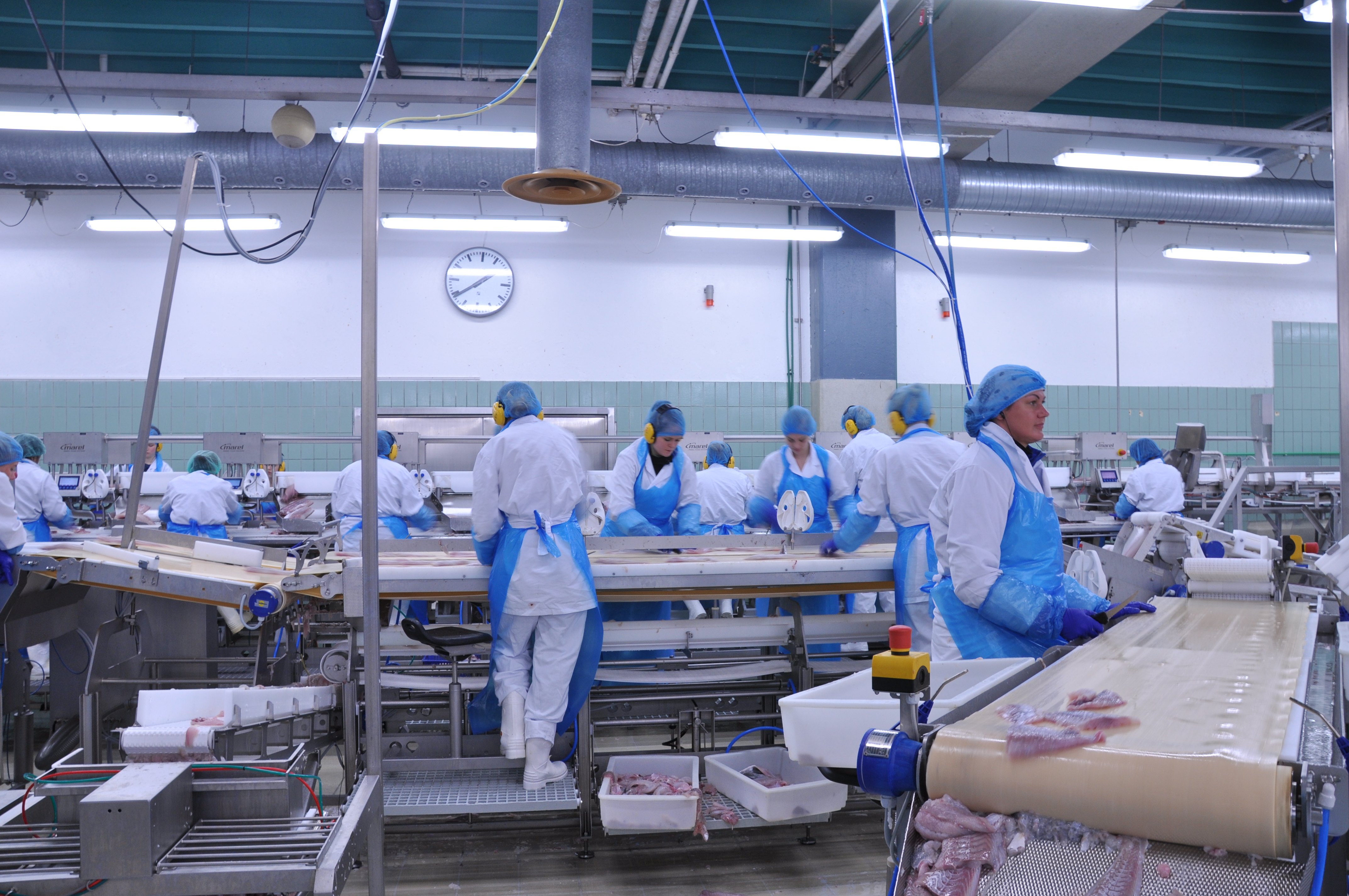


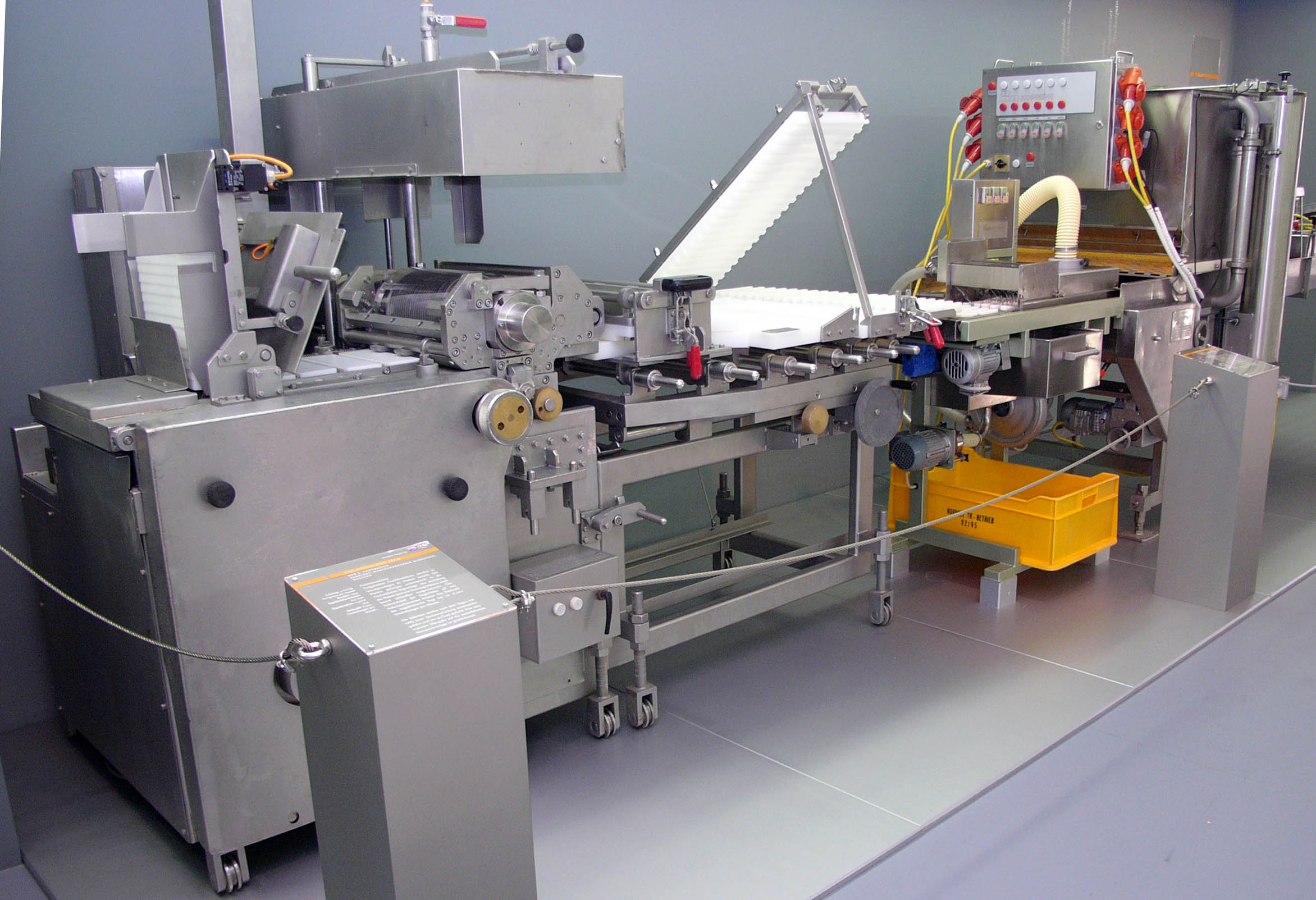

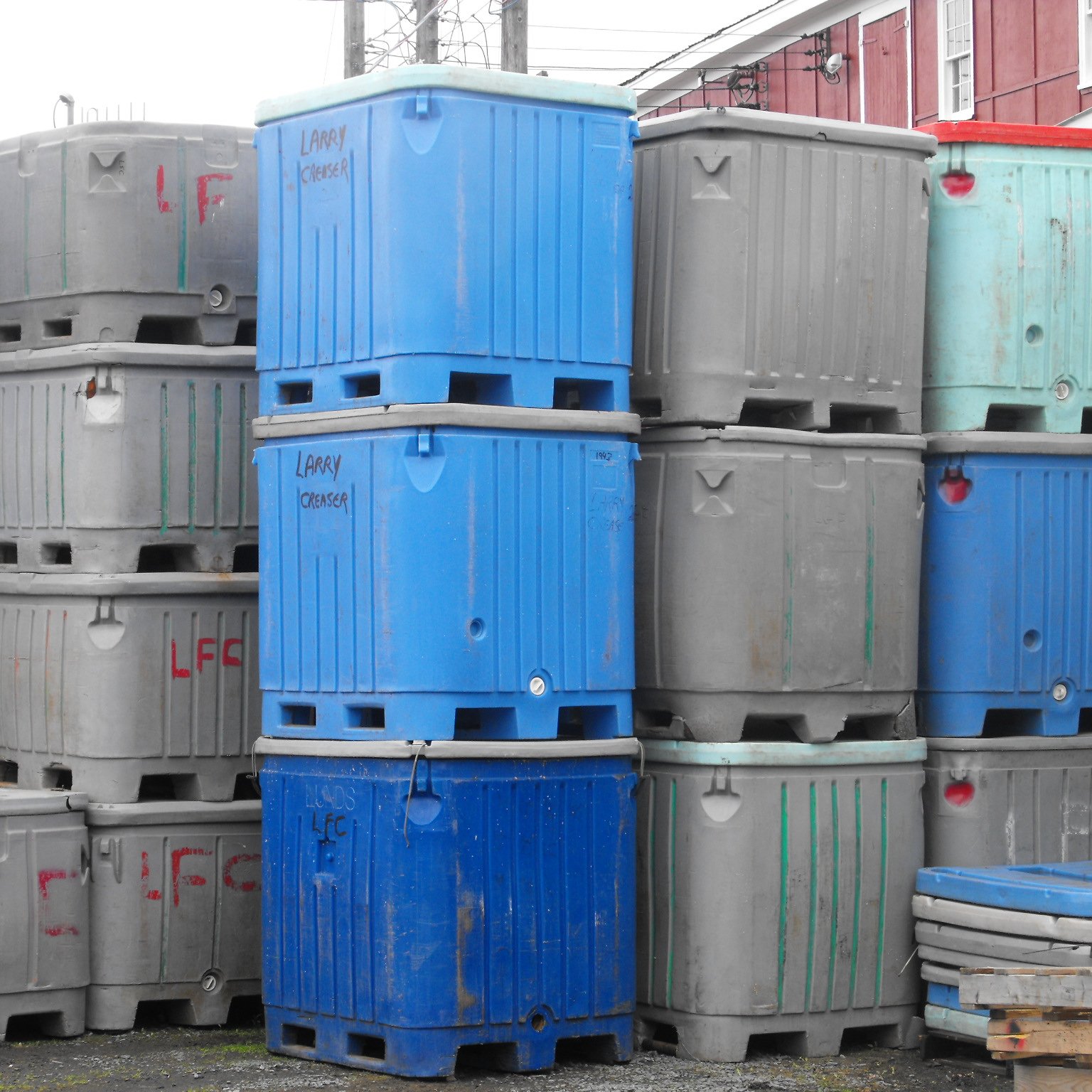
Every plant has its own quirks, but Seafood Receiving and Wet Handling typically follows a recognizable pattern: receiving and verification, unload and staging, washing and de-icing, sorting or grading, then transfer into chill or processing. When the conveyor system is designed around that reality, the site gets predictable throughput and less product stress.
In Seafood Receiving and Wet Handling, the difference between “smooth flow” and “daily chaos” is often the transfer points: how seafood is introduced to conveyors, how water is managed at each handoff, and whether staff can clean the system quickly without dismantling half the line.
These pages connect naturally to Seafood Receiving and Wet Handling projects:
A strong Seafood Receiving and Wet Handling layout reduces “wet travel” by keeping water-heavy activity contained. The smaller the wet zone footprint (without compromising hygiene), the easier the whole facility is to run.
The wet zone punishes lazy assumptions. A conveyor that survives in a dry warehouse can fail quickly in Seafood Receiving and Wet Handling if splash, salt, chemicals, and debris are ignored. CSA’s approach is to design from the wet reality backward so the system is easier to clean, safer to work around, and more consistent in flow.
In Seafood Receiving and Wet Handling, sanitation is not a “later problem.” Conveyors must be positioned with access clearances, good sightlines, and washdown-friendly detailing. If a crew needs acrobatics to reach a transfer, that transfer will not be cleaned properly.
Water plus salt plus cleaning chemistry accelerates wear. A workable Seafood Receiving and Wet Handling solution accounts for corrosion risk and specifies appropriate construction materials and finishes where they matter most.
If the floor is constantly wet, the floor is constantly dangerous. Seafood Receiving and Wet Handling layouts should guide water to drains without turning walkways into rivers. Conveyors should be supported so drains remain accessible and clear.
The wet zone is where bruising and unnecessary compression happens if transfers are rough. In Seafood Receiving and Wet Handling, controlled transfer geometry and sensible belt speeds protect yield and presentation.
These principles keep Seafood Receiving and Wet Handling practical: easier sanitation, fewer breakdowns, and less rework.
A reliable Seafood Receiving and Wet Handling system usually combines a few conveying methods, each selected for what it does best: moving wet product, managing drainage, simplifying sanitation, and protecting quality.
Receiving is variable and messy, and that is normal. The goal is to contain the mess and control flow. In Seafood Receiving and Wet Handling, receiving conveyors should accept variable loads and still deliver consistent feed to rinse, inspection, or sorting.
Washing adds water, and water adds consequences. In Seafood Receiving and Wet Handling, layout around wash stations must plan for runoff, splash, and safe access so the wet zone stays contained.
Many plants rely on manual tasks for quality sorting. A sensible Seafood Receiving and Wet Handling design supports people: conveyor height, working space, and reject routes influence speed, fatigue, and consistency.
The wet zone should hand off product into controlled temperature zones efficiently. In Seafood Receiving and Wet Handling, transfers are designed to reduce dwell time, avoid re-handling, and keep separation between wet floors and cleaner downstream corridors.
If your Seafood Receiving and Wet Handling area feels like a permanent emergency, it usually comes down to two things: unstable flow and uncontrolled water. The wet zone should protect cold chain integrity from the second product arrives, not “eventually” once it reaches a nicer part of the building. That means limiting dwell time, reducing unnecessary re-handling, and keeping the wet footprint contained. In practical terms, a strong Seafood Receiving and Wet Handling conveyor layout creates a predictable path from unloading to inspection, rinse, grading, and onward transfer, with the fewest possible stops and the least possible product exposure.
Cold chain stability starts with how you stage product. In Seafood Receiving and Wet Handling, staging should never force tubs, bins, or crates to sit in warm air while operators “make a plan.” Good layouts include defined staging pockets, short conveyor runs that reduce manual carrying, and a clear rule for first-in-first-out movement where it makes sense. The conveyor system should also avoid unnecessary elevation changes, because every lift and drop adds time, splash, and handling stress. Where elevation is unavoidable, the transition should be controlled so product does not bounce, slide, or pile up at the next transfer.
Hygiene performance is also strongly influenced by whether water is treated as a managed stream or a random side effect. A mature Seafood Receiving and Wet Handling design supports drainage behavior with sensible slopes, predictable runoff direction, and splash boundaries at rinse points and high-impact drops. This reduces slip hazards and makes cleaning faster, because sanitation teams are not fighting pooled water trapped under frames or behind guards. It also helps keep “wet contamination” from spreading into cleaner corridors and downstream areas. When the wet zone is contained, the whole facility becomes easier to maintain.
Audit readiness is rarely about one dramatic fix. It is the accumulation of small, repeatable wins: clear access for inspection, cleanable transfer points, and fewer hidden residue traps. In Seafood Receiving and Wet Handling, that means making sure operators and cleaners can see what matters without disassembling half the line. When critical areas are visible and reachable, daily checks actually happen, and small issues like mis-tracking, splash creep, and residue build-up get corrected before they become findings. The best wet zone designs are boring in the best possible way: predictable, consistent, and easy to verify.
Finally, throughput improves when the system reduces manual “intervention touches.” Every time staff have to grab product to fix a jam, re-level a pile, or redirect flow, you add hygiene exposure and slow the line. A well-engineered Seafood Receiving and Wet Handling arrangement includes stable infeed geometry, controlled transfers, and sensible buffering so downstream steps are not constantly starved or flooded. The outcome is a calmer wet zone, fewer stoppages, and better quality preservation, without pretending the wet environment will ever be tidy.
If your internal team is aligning procedures to global food-handling references, you’ll often see processors benchmark key hygiene principles against Codex Alimentarius guidance. Here’s an external reference you can use as a baseline for broader food hygiene concepts: Codex Alimentarius (FAO/WHO) portal. This is a standard dofollow outbound link (no “nofollow” attached), because hiding from the internet is not a strategy.
Most wet-zone problems look “random” on the surface, but they usually come from the same repeat offenders: uncontrolled transfers, poor staging, water carryover, and layouts that make cleaning difficult. In Seafood Receiving and Wet Handling, small design shortcuts become daily downtime, extra labour, and hygiene risk. The goal is not to chase perfection, it is to remove the predictable causes of disruption so the line behaves the same way every shift. If your receiving team has to constantly “manage the flow” by hand, the system is asking people to solve a design problem.
A common weak point in Seafood Receiving and Wet Handling is the first contact between incoming containers and the conveyor. When product is dumped too fast, it piles up, spills water, and forces operators to spread and re-level the load. That creates unnecessary handling and often increases contamination exposure. A better approach is to introduce product in a controlled way: defined infeed geometry, stable containment, and clear staging positions that let staff feed the line without rushing. Even when receiving volumes spike, a controlled infeed keeps downstream steps consistent.
Transfer points are the real battleground in Seafood Receiving and Wet Handling. If the drop is too high, product takes damage. If the transition is rough, it creates pile-ups. If the geometry traps residue, sanitation becomes harder and risk rises. The fix is usually not “run the belt slower”, it is to improve stability at the handoff. Controlled drop height, smooth transitions, and clear drainage paths reduce damage and reduce the amount of gunk that sticks around after production. A good transfer is also easy to wash and inspect, because you can see and reach the surfaces that matter.
Water is unavoidable in Seafood Receiving and Wet Handling, but uncontrolled water is not. Carryover shows up as slick floors, wet footprints into cleaner corridors, and downstream equipment that becomes harder to clean. The best wet-zone designs treat water as a managed flow. That means planning where runoff goes, keeping drains accessible, and creating splash boundaries around rinse and high-impact areas. When water is controlled, safety improves and cleaning becomes faster because teams are not fighting surprise puddles and hidden wet pockets.
If cleaners cannot easily access a belt return path, a roller area, or a transfer guard, those areas will not be cleaned properly. That is not a character flaw. It is a design flaw. In Seafood Receiving and Wet Handling, the line should be arranged so the most contamination-prone areas are the easiest to wash down and inspect. Good access reduces cleaning time and improves consistency, because teams can actually follow the sanitation plan without improvising. When access is poor, cleaning becomes rushed, and residue build-up becomes the plant’s “normal.”
Wet zones accelerate wear, especially when salt water, meltwater, and cleaning chemistry are part of the routine. In Seafood Receiving and Wet Handling, uptime is improved when components are specified for exposure and when the layout supports quick inspection and maintenance. Small recurring issues like tracking drift, damaged edges at transfers, and premature bearing wear become major stoppages when they are not easy to detect early. The more practical the inspection process, the more stable the operation becomes.
The outcome of fixing these points is not a perfect wet zone. It is a predictable wet zone. In Seafood Receiving and Wet Handling, predictability is the real advantage: fewer manual touches, fewer emergency clean-ups, fewer stop-start events, and better quality preservation. When the wet zone behaves, downstream processing can run at a steady pace, and your team spends less time firefighting and more time producing.
Implementation note: If you are adding or upgrading a wet handling line, keep the scope tight and measurable. In Seafood Receiving and Wet Handling, improvements compound quickly, especially when you start with the most disruptive transfers and the biggest sources of water carryover.
Conveyor Supplies Africa supports industrial operations across Africa with engineered conveyor systems, replacement components for CSA-built systems, and selected-region on-site support. If you operate a fishery or seafood facility and need a dependable Seafood Receiving and Wet Handling plan, we align scope and logistics based on your site and region.
Explore our country coverage and local context for conveyor support.
Seafood Receiving and Wet Handling overlaps with other non-mining industrial sectors CSA supports:
No mining: CSA focuses on non-mining sectors. If your facility is seafood-related, we can scope a Seafood Receiving and Wet Handling conveyor plan that fits your workflow and hygiene needs without drifting into unrelated doorway spam.
Yes. Conveyor Supplies Africa (CSA) designs and manufactures conveyor systems for Seafood Receiving and Wet Handling environments, built to handle wet product, wash-down routines, and controlled transfers at the start of the processing line.
Receiving is where most downstream problems begin. Poor drainage, unstable transfers, or inconsistent presentation can create hygiene issues and stop-start production later in the line. CSA designs receiving conveyors to stabilise flow and manage water, debris, and temperature differences from the start.
Yes. Seafood receiving zones are typically wet and exposed to frequent cleaning. CSA designs for cleanability, drainage control, and inspection access so wash-down routines are effective and restart behaviour remains predictable.
No. CSA is not an online store. We supply engineered conveyor systems and matched components as part of a designed solution, not individual component sales.
No. CSA supplies spares and replacement components only for conveyor systems designed and manufactured by CSA. We do not support third-party systems, as hygiene intent, fit, and performance cannot be guaranteed.
Belt selection depends on product type, water exposure, sanitation routine, and transfer points. Seafood receiving applications typically require food-grade belts that tolerate moisture, temperature variation, and continuous cleaning while maintaining stable tracking.
Yes. CSA focuses on controlled infeed, sensible accumulation, and stable transfer points to prevent product pile-ups, water traps, and manual intervention at the start of the line.
Installation and commissioning are available in selected regions only, depending on site readiness, scope, logistics, and safety requirements. Some projects are supply-only; others include on-site work.
At minimum: product type, receiving method (bins, totes, cartons, bulk), throughput target, wash-down routine, drainage constraints, available floor space, and the biggest current issue such as congestion, hygiene time, or unstable infeed.
No. CSA focuses on non-mining industrial sectors such as food and beverage, packaging, warehousing, logistics, agriculture, and regulated environments. We do not service mining operations.
Note: The FAQ schema below mirrors the visible questions and answers. Google prefers FAQ schema that matches on-page content.
