Bakery and Confectionery Production runs on timing, hygiene, and repeatability. Dough, batters, creams, fillings, chocolate, and finished packs do not tolerate “close enough” handling. Conveyor Supplies Africa supplies engineered conveyor systems that support controlled product flow from preparation and forming through baking/cooling, packing, and dispatch staging, built for real factories and real uptime targets.
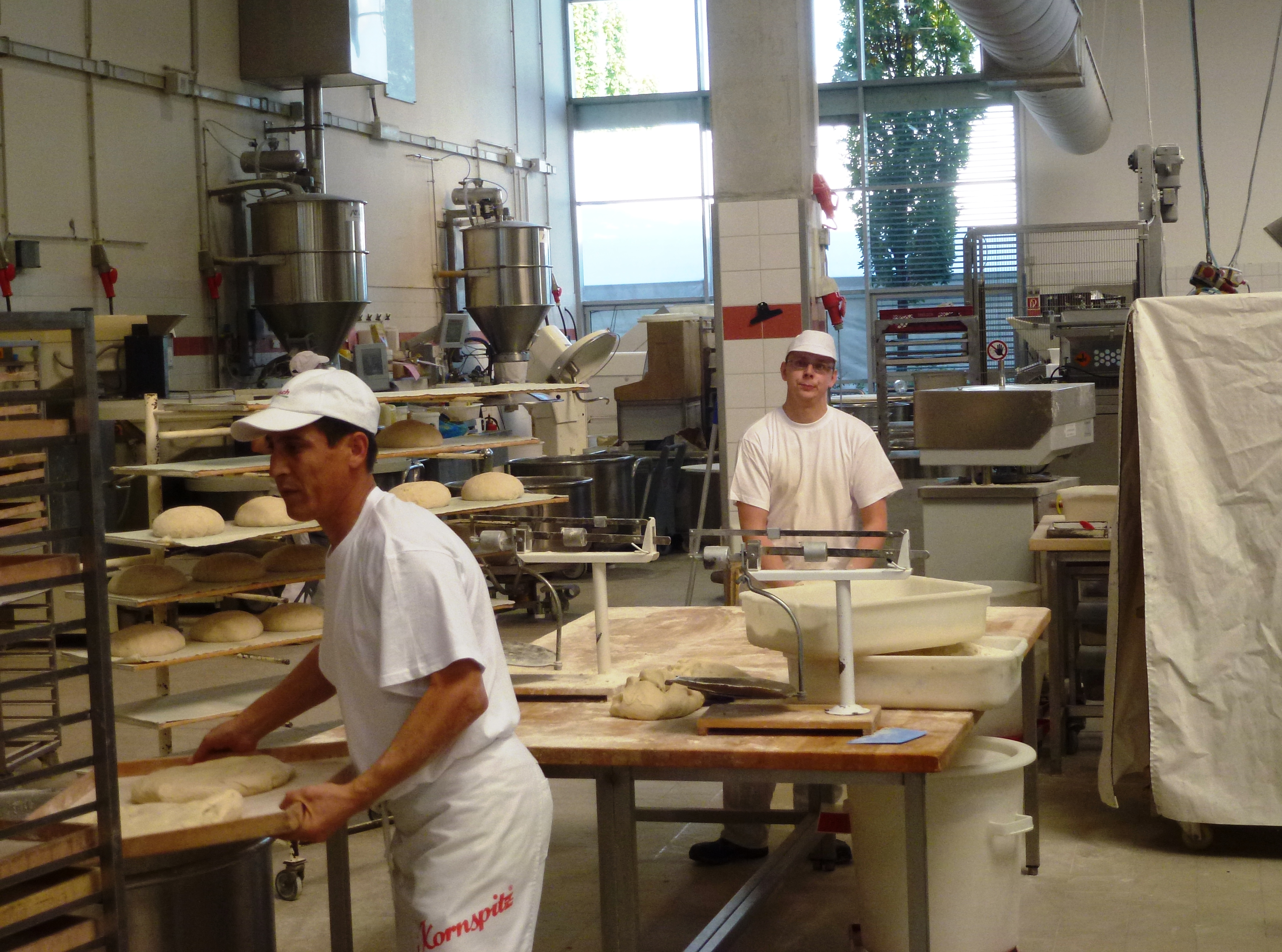
Bakery and Confectionery Production is not one process, it’s a chain of stages with different risks. Preparation is about mixing and portion control. Forming is about shape and repeatability. Baking is about heat and time. Cooling is about stability and condensation management. Packaging is about protection, coding, inspection, and throughput. Conveyors are the “connective tissue” between all of it, and the difference between a line that runs smoothly and one that needs constant intervention is usually the boring stuff: transfers, tracking, cleanliness access, and flow control.
Many facilities run mixed product ranges: bread and rolls, buns, pastries, biscuits, cookies, wafers, cakes, cupcakes, doughnuts, bars, and confectionery. That variety makes Bakery and Confectionery Production especially demanding, because product type changes how conveyors must behave. Soft product needs gentle handling. Sticky product needs surfaces that clean well. Lightweight packs need stable guides. High-speed packaging needs consistent spacing. The conveyor strategy should match the reality of the product and the line speed, not the marketing name of a belt.
Early stages in Bakery and Confectionery Production are about controlled movement and staging. Ingredients and intermediate product need predictable handling to keep downstream equipment fed and stable.
Baking, proofing, cooling, and ambient transitions create temperature and moisture cycles. In Bakery and Confectionery Production, those cycles affect traction, tracking, and hygiene outcomes.
Secondary packing is where Bakery and Confectionery Production wins or loses time. Conveyors support accumulation, inspection points, case handling, and dispatch staging.
Industry overview reference: Bakery and Confectionery.
A conveyor in Bakery and Confectionery Production is not just a moving surface. Done properly, it becomes a tool for spacing, orientation control, buffering, and predictable handoffs. Done badly, it becomes a permanent bottleneck that forces operators into constant “manual correction” mode. The value is created when conveyors reduce touches, reduce product damage, and keep the rhythm of the line stable.
Bakery and Confectionery Production includes formats that behave very differently in motion. Your conveyor strategy should reflect how the product moves, not how it looks on a shelf.
In Bakery and Confectionery Production, conveyors are used for more than “transport”. They manage spacing, create accumulation, and keep packaging equipment fed without constant stoppages.
The practical goal in Bakery and Confectionery Production is to prevent small issues from becoming line stops. Most downtime is not caused by “major failures”. It’s caused by repeated micro-jams, unstable transfers, and cleaning-related rework. Conveyor selection and layout reduce those problems when they’re treated as engineering decisions rather than accessories.
Hygiene in Bakery and Confectionery Production is practical: keep equipment clean, reduce harborage points, manage residue, and make cleaning routines repeatable. Unlike some wet-process industries, bakeries can be “dry” in places, but that does not make hygiene easier. Flour dust, crumbs, fats, sugars, and chocolate create their own challenges, especially when heat cycles bake residue into surfaces. The conveyor system must support cleaning access and sensible maintenance, or you end up with a line that looks fine until inspection day or breakdown day.
Bakery and Confectionery Production requires design that is easy to inspect and easy to clean, without turning maintenance into a weekly rebuild.
Flour dust, crumbs, sugars, and fats behave differently. In Bakery and Confectionery Production, conveyors must reduce buildup and support fast clean-down.
Cleaning should not cause hours of re-tracking. Bakery and Confectionery Production lines need predictable restart behaviour.
Ovens, proofers, coolers, ambient conveyors, and packaging areas create the “thermal story” of a plant. In Bakery and Confectionery Production, those transitions affect traction, product stability, and sanitation outcomes. Hot product can be soft and easily damaged. Cooling product can sweat and create condensation risk. Chocolate and coatings can soften or bloom if temperatures swing. Conveyor handling should reduce stress on product while keeping flow stable from bake-out to pack-in.

Cooling is often underestimated. If cooling flow is inconsistent, product reaches packaging with variable firmness, variable surface moisture, and variable stack stability. That creates jams, poor sealing, crushed product, and increased rejects. In Bakery and Confectionery Production, conveyors help keep spacing consistent so cooling can do its job. They also reduce unnecessary touch points that deform soft items before they stabilise.
A good Bakery and Confectionery Production conveyor strategy treats thermal transitions as engineering points, not “just a bit of belt between machines”.
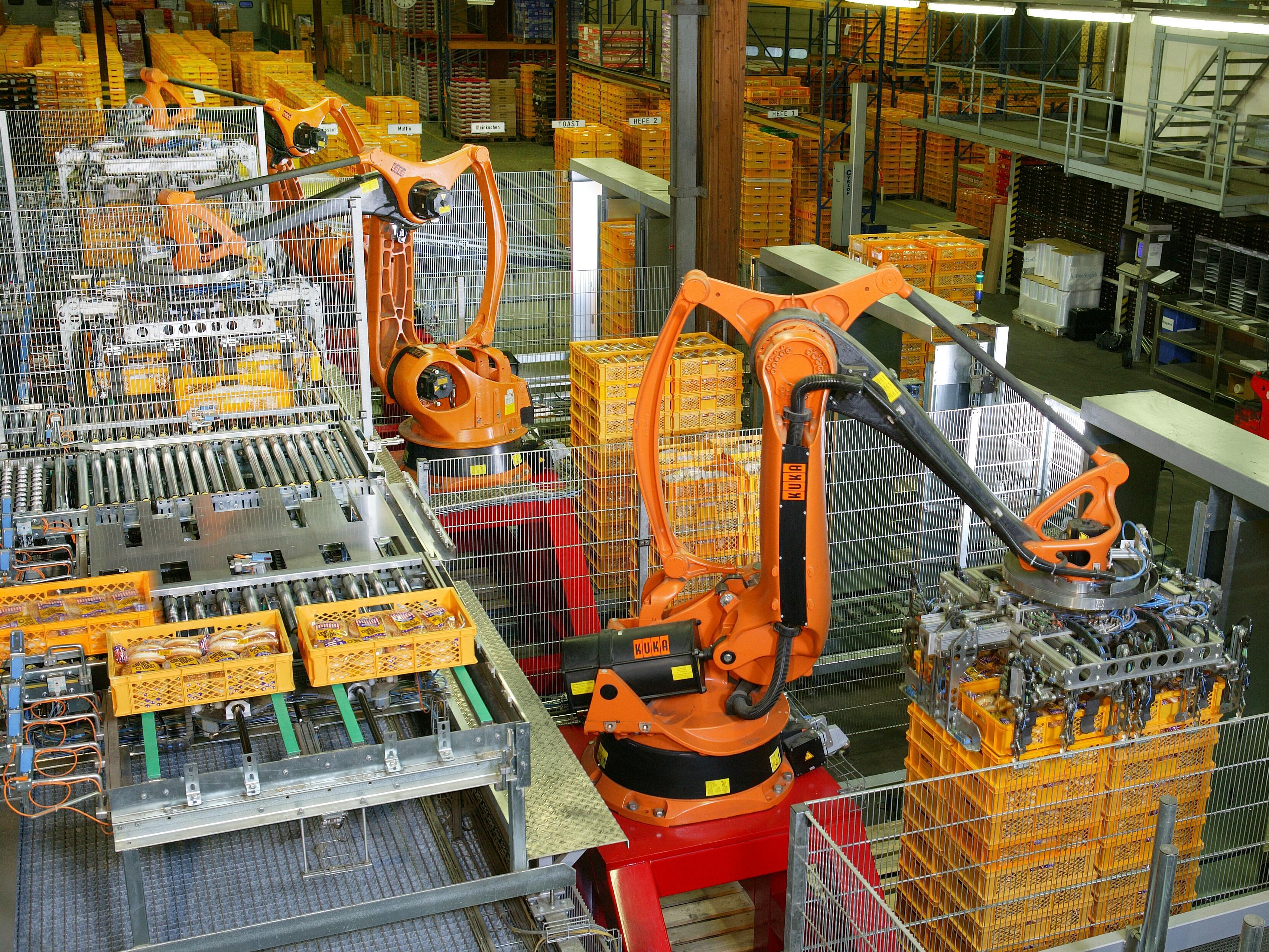
Packaging is where performance becomes visible: units per minute, reject rates, seal integrity, date code legibility, and downtime minutes. In Bakery and Confectionery Production, packaging lines are often the rate-limiting step, because they require consistent product arrival. Conveyors make packaging easier when they manage spacing, buffering, and routing. They make packaging harder when they introduce skew, unstable transfers, or inconsistent speeds.

Many lines in Bakery and Confectionery Production run mixed SKUs: different pack sizes, different film formats, different case sizes, and seasonal production spikes. Conveyor design that supports changeovers helps plants stay flexible without losing hours to re-tracking and re-adjustment every time production changes.
Once product is in primary packaging, it still needs to move into cartons/cases, be checked, and be staged for dispatch. A common bottleneck in Bakery and Confectionery Production is the “end of line”: accumulation and case handling that is either under-designed or has too many tight transfers. CSA supports end-of-line flow with practical accumulation strategy, stable case movement, and a layout that can evolve as volumes grow.
Conveyor Supplies Africa provides conveyor system solutions that support Bakery and Confectionery Production workflows, selected based on product behaviour, residue profile, cleaning routine, throughput, and layout constraints. The intent is simple: match the system to the job so the job does not become a maintenance plan.
| Area | Primary conveyor role | Design focus |
|---|---|---|
| Preparation & make-up | Staging and controlled transfers | Cleanability, access, residue management |
| Thermal transitions | Stable flow through hot/cool zones | Transfer stability, debris control, predictable tracking |
| Primary packaging | Spacing, alignment, buffering | Jam resistance, smooth transfers, inspection-ready layouts |
| Secondary packaging & dispatch | Case handling and consolidation | Accumulation strategy, safe access, durable components |
Bakery and Confectionery Production lines change over time. New SKUs get added, packaging formats change, and volumes increase. Conveyor systems that are engineered for access, cleaning, and predictable maintenance will support that evolution far better than systems that only “work” when everything is perfect.
In Bakery and Confectionery Production, quality control is not a separate activity. It sits inside the flow: coding, weight checks, seal checks, visual inspection, and rejection handling. Conveyors directly influence QC performance because QC equipment expects consistent spacing and stable product presentation. If product arrives skewed, unstable, or inconsistent, your inspection systems will generate false rejects and operators will start “helping” the line by bypassing checks. That is how small handling issues turn into bigger compliance and customer problems.
Traceability is also practical. Many Bakery and Confectionery Production operations require readable date/batch codes, consistent labelling, and documented reject handling. Conveyors that support stable flow make it easier to implement inspection points without constant stoppages. The result is simple: better records, fewer disputes, and less rework. Conveyor stability is one of the quiet enablers of compliance, because it prevents the chaos that makes compliance difficult.
Bakery and Confectionery Production lines often include checkweighers, metal detection, seal checks, and coding verification. Conveyors should support those points with stable product presentation and controlled reject paths.
Bakery and Confectionery Production frequently runs multiple SKUs on shared equipment. Conveyor layouts that support changeovers reduce downtime and reduce the risk of “temporary” unsafe workarounds.
Most downtime in Bakery and Confectionery Production is caused by small repeat events: crumbs, tracking drift, residue buildup, and transfer issues. Good design reduces how often those events occur and speeds recovery.
When Bakery and Confectionery Production lines are “always fighting” the conveyor, operators spend time correcting alignment, clearing jams, and managing rework instead of producing. A properly engineered conveyor system reduces that operational tax. It also reduces product waste, because less product is crushed, smeared, or rejected due to unstable handling.
Projects in Bakery and Confectionery Production typically require coordination with hygiene routines, shift schedules, and safety rules. CSA’s practical approach is to confirm the product flow, confirm the residue and cleaning profile, select conveyor systems that match the environment, and support implementation planning that reduces downtime risk. The goal is an upgrade that actually improves the line, not a change that simply relocates the bottleneck.
System selection aligned to layout, product behaviour, and operational constraints.
Available only in selected regions, planned to reduce production disruption.
Practical inspection routines and a spares strategy that supports uptime.
This policy exists for a practical reason: Bakery and Confectionery Production environments punish incorrect parts selection. A mismatched belt compound, wrong tracking component, or unsuitable bearing seal can trigger repeated stoppages, accelerated wear, hygiene risk, and unpredictable performance. CSA spares are intended to maintain the engineered behaviour of CSA-built systems and protect uptime in real lines.
For Bakery and Confectionery Production operations running CSA-built systems, a sensible spares strategy generally includes:
Bakery and Confectionery Production operations vary by region, but hygiene, flow stability, and uptime needs are universal. Conveyor Supplies Africa supports industrial operations across multiple African markets with engineered conveyor systems and components.
Explore country support pages: South Africa, Namibia, Botswana, Zambia, Zimbabwe, Mozambique, Tanzania, Kenya, Nigeria, DRC.
Installation and commissioning services remain limited to selected regions. Where on-site service is not available, CSA can still supply systems and scope-aligned technical guidance for Bakery and Confectionery Production projects.
Many facilities involved in Bakery and Confectionery Production also run adjacent operations such as warehousing, distribution, packaging, and mixed food manufacturing. CSA supports multiple non-mining industrial sectors where hygiene and uptime matter.
Many bakery and confectionery lines sit inside broader food manufacturing and packing environments. See: Food & Beverage.
Dispatch staging and finished goods movement often link production to logistics. See: Warehousing.
Reliable material handling supports many non-mining manufacturing environments. See: Manufacturing.
Yes. Conveyor Supplies Africa supplies engineered conveyor systems for Bakery and Confectionery Production environments, selected to match product behaviour, residue profile, cleaning routine, throughput requirements, and layout constraints.
No. CSA is not an online store. We supply conveyor systems and components as part of engineered solutions for industrial operations.
CSA supplies spares and components exclusively for conveyor systems designed and built by Conveyor Supplies Africa. We do not supply spares for third-party or unknown-origin systems.
Installation and commissioning are available only in selected regions. Where on-site service is not available, CSA can still supply equipment and scope-aligned technical guidance for Bakery and Confectionery Production projects.
No. Conveyor Supplies Africa focuses on non-mining industrial sectors such as food and beverage, warehousing, manufacturing, agriculture, packaging, and related industries.
