
 01
Featured chapter
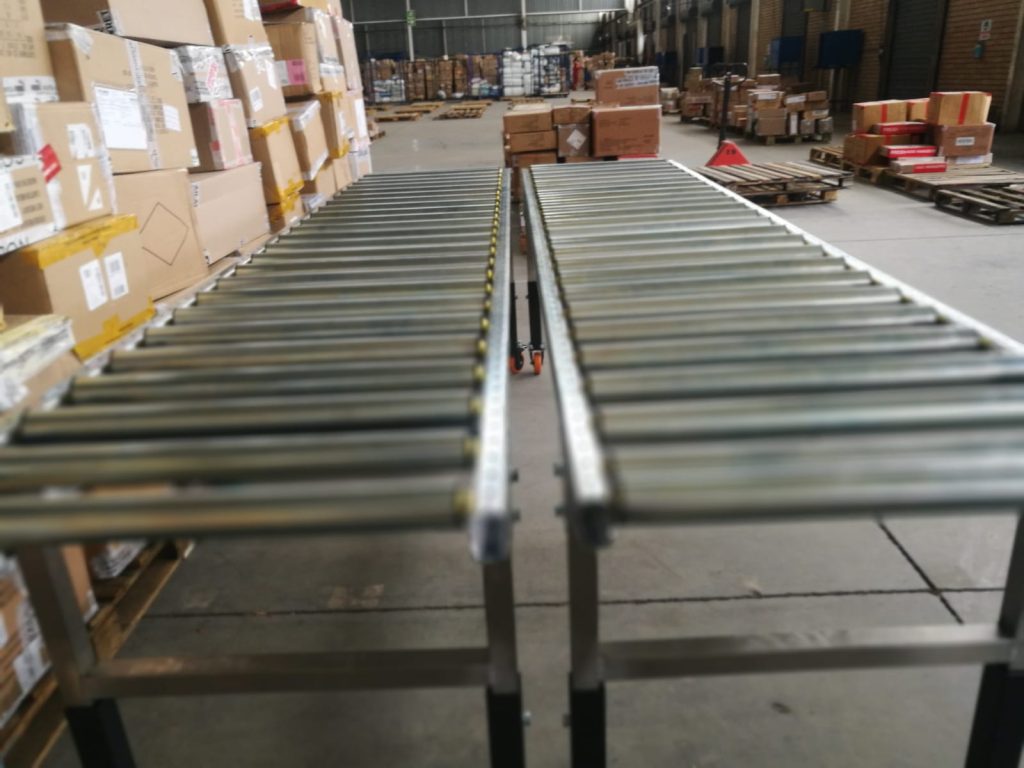
Designing Conveyor Systems for African Operating Conditions
Understand how dust, moisture, variable loads, cleaning procedures, maintenance access and real site conditions affect conveyor specification and reliability.
A practical guide to selecting conveyor systems, belting, rollers, modular equipment and custom layouts for manufacturing, agriculture, food processing, warehousing, logistics and FMCG operations across South Africa and Africa.
Not with whichever conveyor happens to be easiest to quote. A small distinction that tends to become surprisingly expensive when ignored.
Choosing conveyor systems Africa operations can rely on involves more than choosing between a belt and a roller conveyor. The product, operating environment, throughput, cleaning requirements, available space, maintenance access and local support all influence the final design.
African industrial facilities can operate across dusty, wet, temperature-sensitive or high-utilisation environments. Equipment must therefore be selected for the actual duty rather than an idealised catalogue application.
Use the chapters below to explore the areas most relevant to your project. Each chapter opens in a dedicated reader so you can work through the guide without being buried under one enormous webpage.
Open a chapter to read the full article section. Your position on the main blog page stays intact when you close the reader.
01Understand how dust, moisture, variable loads, cleaning procedures, maintenance access and real site conditions affect conveyor specification and reliability.
 02
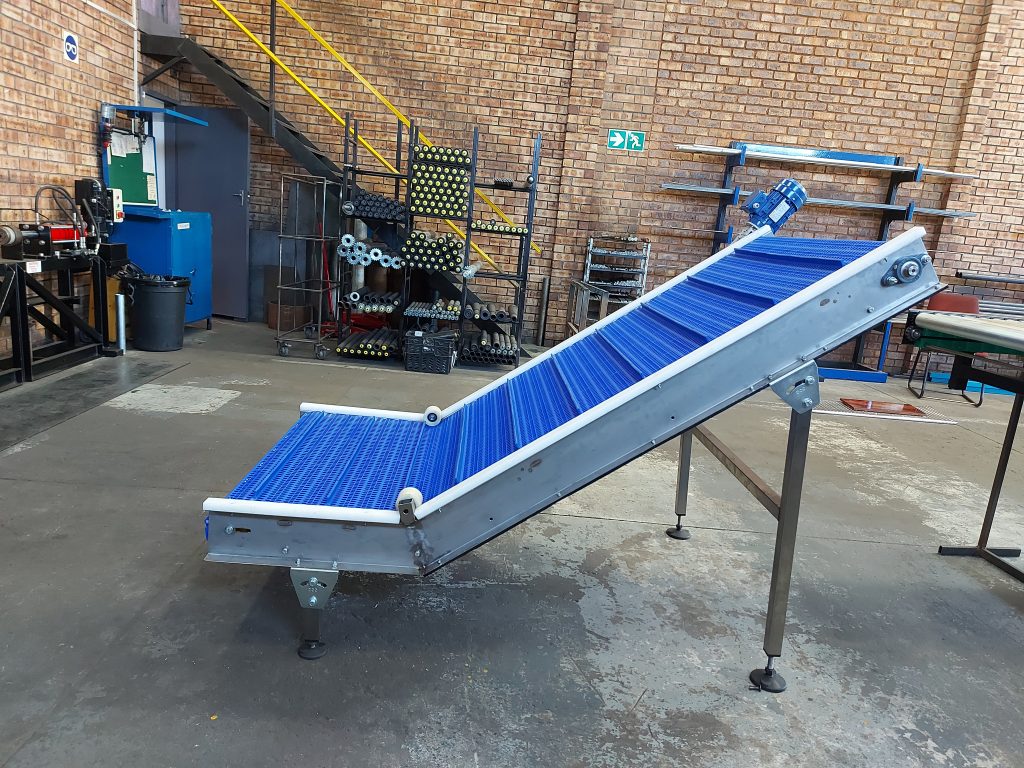
Compare the main conveyor technologies and understand where each system performs best.
 03
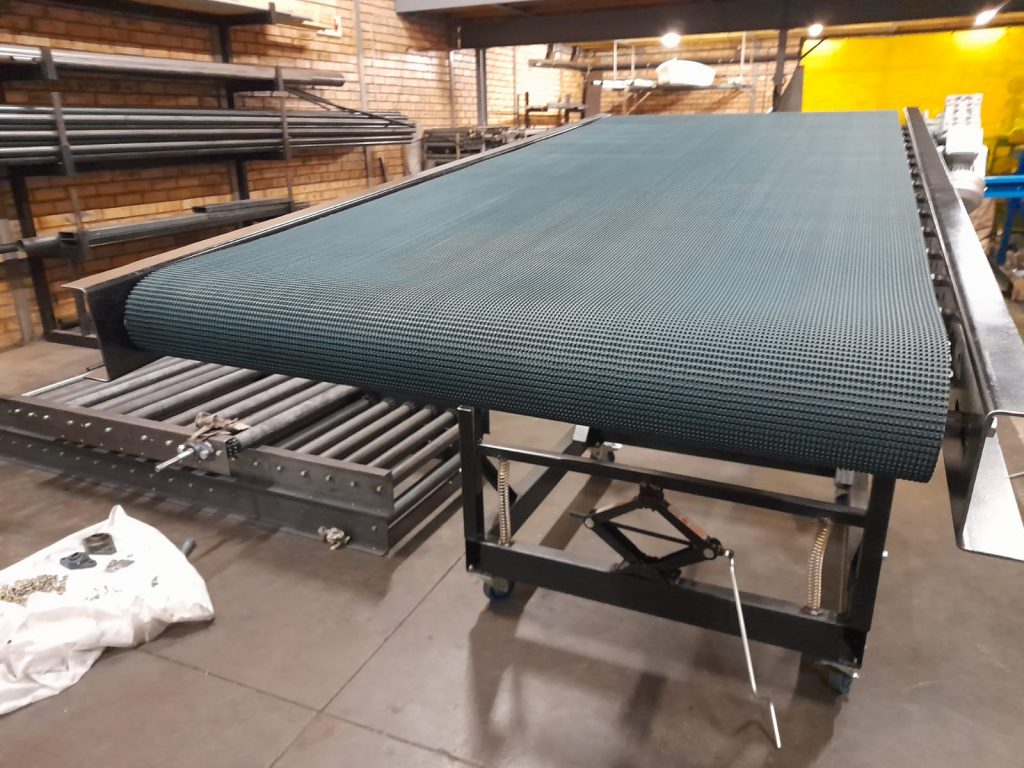
Agriculture, food processing, FMCG, logistics and manufacturing all impose different conveyor requirements.
 04
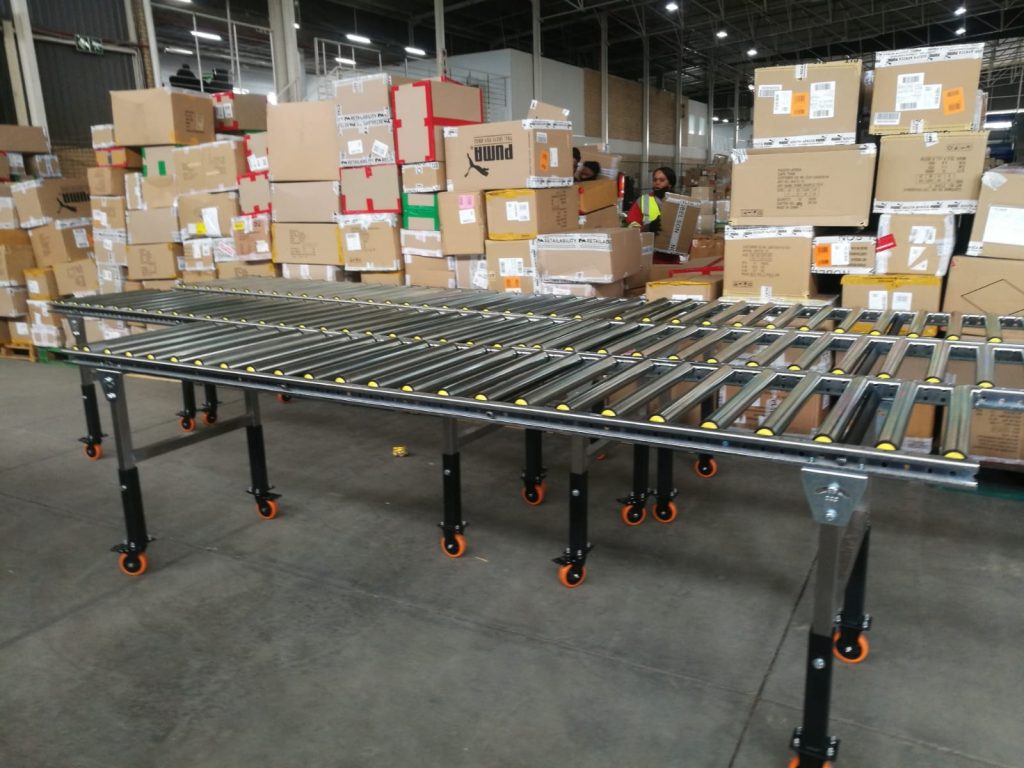
Conveyor ownership continues long after installation. See why maintenance, spares and modification capability deserve attention.
05Compare specifications, capabilities, lifecycle support and Africa-wide execution rather than looking only at quotation price.
06Ten practical checks to complete before approving a conveyor quotation or system design.
Start with Chapter 1, then compare conveyor types before moving into industry requirements and supplier selection. If you already know the problem area, simply open the relevant chapter.
Move from the guide into the relevant product, service or industry section of the website.
Common questions when comparing conveyor equipment, applications and suppliers.
Review your product, throughput, operating environment and available layout, then connect those requirements to the correct conveyor, belting, roller or modular solution.