
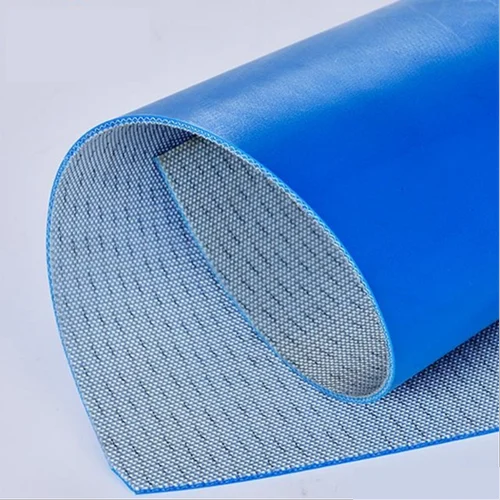
PU Belting
Cleanable, controlled surfaces for food handling, inspection, processing and hygiene-sensitive applications.
Explore PU belting →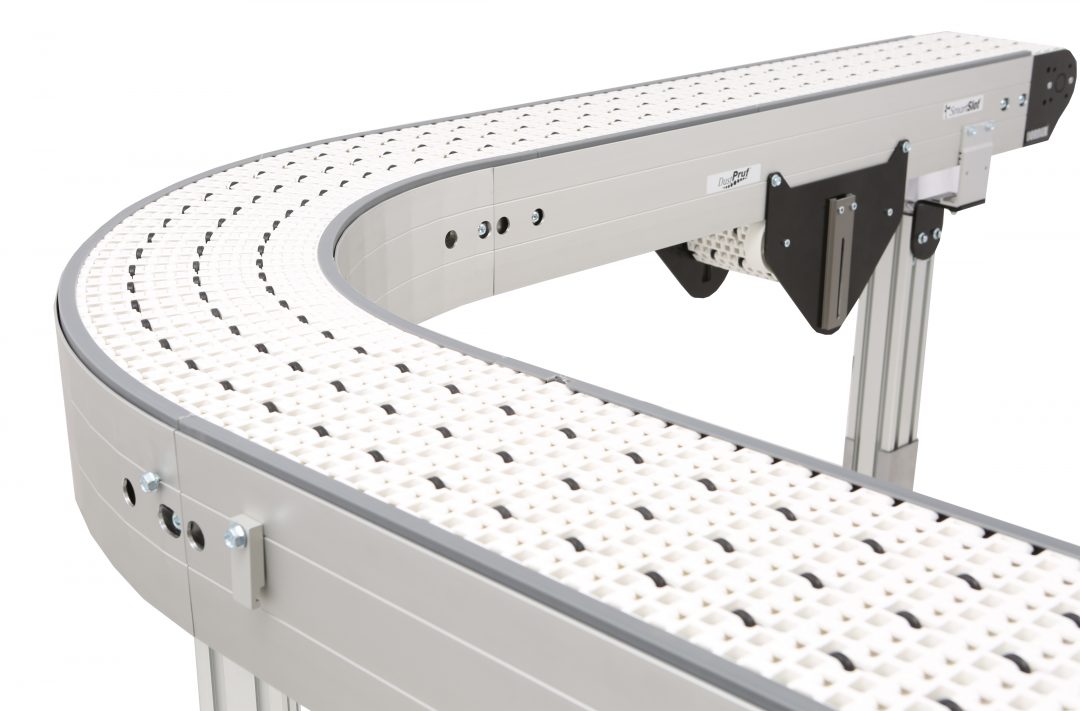
Conveyor Supplies Africa supplies PU belting, PVC belting and modular belting for processing, packaging, food handling, agriculture, warehousing and general industrial conveyor applications.
Three core belt families cover most industrial applications. The surrounding bento blocks show the technical decisions that make the chosen belt work properly.
Cleanable, controlled surfaces for food handling, inspection, processing and hygiene-sensitive applications.
Explore PU belting →
Versatile industrial belting for packaging, warehousing, logistics and general product movement.
Explore PVC belting →Interlocking systems for wash-down areas, curves, drainage and predictable section repairs.
Smooth, rough-top and patterned surfaces should control the product without creating unnecessary cleaning or drag.
Cleats, guides, sidewalls and joining methods turn a standard belt into an application-specific solution.
The correct choice comes from four practical inputs. This replaces the usual ritual of copying the old belt and hoping the previous failure was merely decorative.
Weight, base shape, packaging, stability and whether the product slips, tips, rolls or marks.
Water, oils, food residue, chemicals, dust, temperature and the actual cleaning routine.
Inclines, curves, pulley diameter, transfer gaps, support style and tracking behaviour.
Splicing, planned replacements, compatible modular parts and sensible standardisation across lines.
Use this guide to compare belt families, identify the factors that control reliability, and prepare the information needed for an accurate quotation.
Commonly selected where cleanability, controlled product handling and consistent surface behaviour matter. Moisture, incline angle, product contact and cleaning routines still determine the correct surface and fabrication.
Explore PU beltingA practical option for packaging, warehousing, logistics and general conveying. Smooth, rough-top and patterned surfaces can be matched to the product, support bed and required traction.
Explore PVC beltingInterlocking modules suit many wash-down areas, curves, drainage duties and applications where section repairs are valuable. Pitch, sprockets, guides, wear strips and modules must remain compatible.
Explore modular beltingMany repeat failures begin where products enter, leave or change direction. Large gaps, incorrect heights and poor alignment can destabilise products, pull the belt sideways and damage edges. Photos of loading and discharge points help identify the correct belt flexibility and transfer arrangement.
More grip is not automatically better. Deep textures may hold residue and increase cleaning time, while aggressive surfaces add drag. The preferred surface is the least aggressive option that still controls the product in normal wet, oily or inclined conditions.
Slider beds, roller supports and pulley diameter change belt behaviour. Incorrect backing can increase heat and power draw, while poor roller spacing or alignment can cause bounce and drift. Edge wear often points to alignment, guiding, tensioning or transfer problems rather than the belt alone.
Cleats control rollback and spacing on inclines. Guides support tracking. Sidewalls improve containment and reduce spill zones. Splicing affects flexibility, installation time and smooth running. These features should be specified with the belt, not added after commissioning.
Continue to the most relevant CSA resource.
Cross-border operations benefit from consistent belt families, fabrication rules and documented spare parts. Conveyor Supplies Africa supports non-mining operations in South Africa and other African markets with practical selection, standardisation and replacement planning.
A reliable result depends on more than belt width and length. Product behaviour, conveyor construction, transfers, cleaning and maintenance access all influence the final construction and fabrication.
The carrying surface must suit the product base, packaging and required movement. Smooth surfaces can support easy cleaning and gentle handling, while rough-top or patterned surfaces add control on inclines. The correct choice is the least aggressive surface that prevents slip without creating unnecessary drag, marking or residue traps.
The smallest pulley or nose-bar diameter can eliminate otherwise suitable constructions. A belt that is too stiff for the pulley may flex poorly, generate heat or fail around the joint. Tight transfers often require a construction designed for repeated bending, particularly where small products must cross narrow gaps without snagging.
A slider-bed conveyor creates different friction and heat from a roller-supported conveyor. The underside construction must suit the support method, operating speed and load. Incorrect backing can increase power demand, temperature and wear. Roller spacing and alignment also affect stability, tracking and product bounce through loading zones.
Persistent drift is rarely solved by applying more tension. Common causes include frame or pulley misalignment, contaminated pulleys, uneven loading, poor guide setup and damaged transfers. Excess tension can increase bearing load and shorten service life while hiding the actual mechanical problem. The complete conveyor should be checked before a replacement is specified.
Cleaning methods should be included at quotation stage. Water, oils, fats, detergents, sanitisers and temperature changes can affect traction, materials and joint performance. Deep textures may improve grip but increase cleaning time. Hygiene-sensitive applications also require accessible conveyor geometry so residue is not trapped around supports and transfer components.
Cleats, guides and sidewalls should be designed with the incline, product and transfer arrangement. The joining method affects installation time, flexibility and emergency repair options. Continuous belts may require a planned replacement length or emergency spare, while modular systems need compatible modules, pins and sprockets identified before a breakdown occurs.
We support non-mining conveyor applications across processing, production, packing and distribution.
Cleanable surfaces, controlled handling and practical wash-down planning.
02Sorting, grading, bagging and seasonal product workflows.
03Cartons, totes, staging, picking and dispatch movement.
04Stable infeed, transfers, inclines and end-of-line handling.
05Reliable movement between production stages and work areas.
06Clean, controlled movement for hygiene-sensitive workflows.
Send belt dimensions, product details, operating conditions and photographs. We will help narrow the options and identify what is needed for an accurate quotation.