Generic selectors
Exact matches only
Search in title
Search in content
Post Type Selectors
Warehousing | Distribution • Picking • Packing • Dispatch Flow

Warehousing conveyor solutions that reduce congestion and keep dispatch moving

Warehousing operations don’t fail because people don’t work hard. They fail because flow becomes unpredictable. Conveyor Supplies Africa supplies and custom manufactures conveyors and rollers for practical applications across Africa, helping teams move cartons, totes, parcels, bagged goods and mixed loads with fewer manual touches and less downtime.

If you want the neutral reference view, Wikipedia has you covered: Warehousing, Distribution center, Material handling, and Conveyor system. In real life, good conveyors reduce walking, cut re-handling, and help your team hit consistent dispatch targets.

Strong internal hubs for planning: Products · Industries · Countries · Services · Conveyor Systems · Conveyor Rollers · Conveyor Belting · Parts & Spares

Important: We support Warehousing, logistics, packaging, pharma, food and general industrial handling solutions. We do not supply the mining sector.

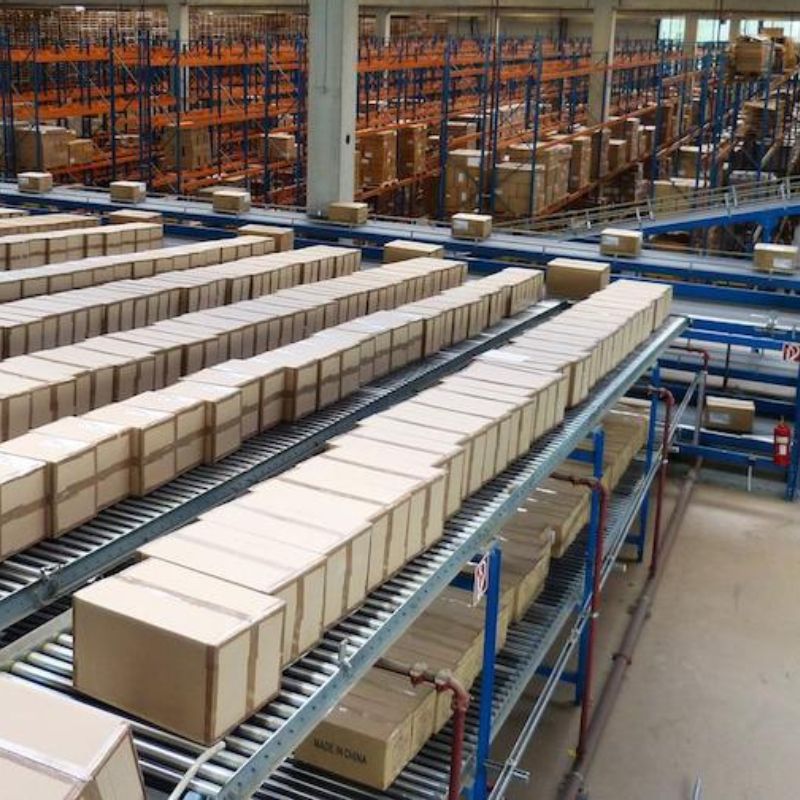
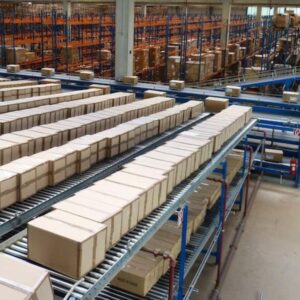
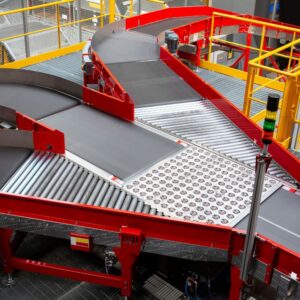
Warehousing conveyor lanes moving cartons through picking, packing and dispatch flow - conveyor supplies africa
Where conveyor upgrades deliver fast wins
  • Receiving to buffer: reduce inbound pile-ups
  • Pick-pack flow: reduce walking and re-handling
  • Accumulation lanes: smoother dispatch scheduling
  • Sortation: fewer errors and less manual sorting

Parts & Spares · Repairs & Maintenance · Conveyor Belting

Warehousing conveyors that fit real operations (not just a floor plan)

Warehousing is a system, not a room with racking. Peak seasons, new SKUs, varying carton sizes, staffing shifts and “temporary” layout changes (that stay forever) are the norm. That’s why good conveying is specified around flow stability, service access, and recovery time when something goes wrong. A conveyor line should reduce decision-making on the floor, not create new arguments about why a transfer point keeps jamming.

Most sites need a blend of conveyor types. Roller lanes often provide dependable staging and accumulation for mixed cartons and totes. Belt conveyors are best for stable transport between zones and for managing inclines. Vertical conveyors help when floor space is tight and multi-level movement is required. Sortation conveyors introduce structure to high-volume dispatch when routing accuracy matters. For the bigger picture, connect your scope to Conveyor Systems and then refine the “wear-and-tear” items through Parts & Spares.

What we supply and custom manufacture

  • Warehouse conveyor systems for receiving, picking, packing and dispatch
  • Custom rollers built to your load rating, speed and duty cycle
  • Belting options selected for product, grip and environment
  • Spare parts planning to protect uptime and reduce downtime risk
  • Support for tracking, transfers and practical improvements

Conveyor Rollers · Conveyor Belting · Parts & Spares · Services

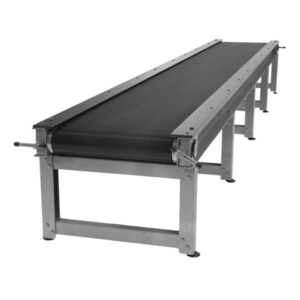
Flat belt conveyor system for steady transport between warehouse zones - conveyor supplies africa

What improves when conveyors are specified correctly

  • Fewer micro-stops from unstable transfers and misalignment
  • Lower product damage due to smoother handling
  • Better throughput through pick-pack and dispatch lanes
  • Maintenance becomes planned, not panic-driven

Simple rule: if a conveyor is hard to maintain, it will be poorly maintained. Then it will fail. Predictably.

Warehousing flow zones that benefit most from conveyors

The fastest ROI improvements usually come from fixing the few zones where congestion multiplies. In Warehousing, those zones are predictable: receiving, buffer, pick-to-pack, accumulation, and dispatch. When conveyors are added or upgraded at the right points, you reduce walking, reduce re-handling, and create steadier production rhythm. That translates into fewer late dispatches and fewer “we were busy” explanations that customers do not care about.

Receiving and inbound buffer

Inbound is where variability starts: mixed pallets, mixed cartons, mixed priorities. A simple buffer lane with clear staging rules prevents the inbound area from spilling into picking routes. Roller lanes often work well here because they are simple to maintain and easy to expand.

Conveyor Rollers · Conveyor Systems

Pick-to-pack transfer

Pick-to-pack is where time disappears. Conveyors help by reducing the distance between pick zones and pack stations, and by controlling product flow so pack teams can work consistently. Belt conveyors are common here because they support steady movement, scanning integration and controlled inclines.

Conveyor Belting · Services

Dispatch accumulation and staging

Dispatch fails when lanes are uncontrolled. Accumulation creates “time buffer” so packing and dispatch can stay productive even if upstream varies. Done correctly, accumulation reduces product damage and makes dispatch scheduling calmer. Done badly, it creates compression and jams.

Buffer concept

Practical scoping tip: For Warehousing conveyor planning, always confirm the smallest and largest carton sizes, weight range, and peak-hour throughput. Those three inputs prevent most specification mistakes.

HELP ME CHOOSE TOOL: Warehousing conveyors (fast fit guide)

If you’re not a conveyor engineer (good), this narrows the right direction quickly. The goal is stable flow: receiving → buffer → picking/packing → accumulation → dispatch. In Warehousing, stability beats speed every day of the week.

Receiving & buffer lanes

  • Product: cartons, totes, parcels, mixed loads
  • Need: quick unloading and clean staging
  • Best-fit: roller lanes + belt transfers

Conveyor Rollers · Conveyor Systems

Pick-pack movement

  • Focus: reduce walking and re-handling
  • Need: stable transport to packing stations
  • Best-fit: belt conveyors and controlled merges

PVC & PU Belt Conveyors

Dispatch & sortation

  • Focus: routing and clean accumulation
  • Need: fewer errors and smooth lane control
  • Best-fit: sortation + accumulation conveyors

Packaging Industry · Parts & Spares

Fast quoting tip: For Warehousing quotes, send photos (or a short video), product size/weight range, target throughput per hour, and your available footprint. If you deal with mixed cartons, include smallest and largest sizes. That matters more than people want to believe.

Types of conveyors used in Warehousing and distribution

Warehousing runs best when equipment matches workflow. Below are common conveyor types used in distribution environments and where each tends to perform best. You can treat these as building blocks, then align them to your layout and serviceability reality.

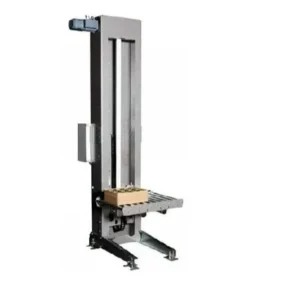
Vertical conveyor lift for multi-level movement and space saving - conveyor supplies africa

Vertical conveyors

When floor space is tight and you need movement between levels, vertical conveyors keep flow controlled and reduce the need for forklifts and ramps. Wikipedia context: Vertical conveyor.

Belt conveyor system for horizontal transport, inclines and steady flow - conveyor supplies africa

Belt conveyor systems

Belt conveyors are ideal for steady movement between zones, controlled inclines, and predictable transport of mixed goods. They integrate well with scanning and packing stations when stable spacing is required.

Gravity roller conveyor system for staging, accumulation and manual handling zones - conveyor supplies africa

Gravity roller conveyors

Gravity roller conveyors are simple and reliable for staging lanes and manual movement where powered flow is not required. Wikipedia context: Roller conveyor.

Sortation conveyor with diverters for routing items to correct destinations - conveyor supplies africa

Sortation conveyors

Sortation conveyors route products to correct lanes using diverters and scanning logic, reducing manual sorting errors. Sorting.

Accumulation lane design to buffer product during peak operation and reduce stoppages - conveyor supplies africa

Accumulation conveyors

Accumulation prevents downstream congestion when upstream runs faster than packing or dispatch. In Warehousing, accumulation often determines whether dispatch is calm or chaotic.

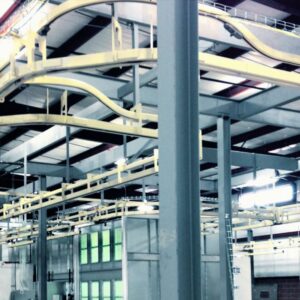
Overhead conveyor for moving items above floor space to improve layout and safety - conveyor supplies africa

Overhead conveyors

Overhead conveyors free up floor space and can improve safety by taking product flow above people and forklifts. Overhead conveyor.

More product families: Conveyor Systems · Conveyor Rollers · Modular Belt Conveyors · Gravity Conveyors

Warehousing conveyor specification checklist (so quoting is fast and accurate)

Warehousing conveyor projects go wrong when the scope is vague. The easiest way to get a clean quote is to provide a few simple, measurable inputs. The list below is designed for buyers and operations managers, not just engineers. If you can answer these items, you can compare options properly and avoid specification surprises later.

Product and load inputs

  • Smallest and largest carton/tote dimensions (length, width, height)
  • Weight range (lightest to heaviest), plus load distribution if uneven
  • Base rigidity (soft bags behave differently from rigid cartons)
  • Surface sensitivity (scuffing, label damage, or print requirements)
  • Any packaging changes expected within the next 12–24 months

Spares planning: Parts & Spares

Throughput and operational reality

  • Target throughput per hour (average and peak), plus peak season expectations
  • Shift pattern and duty cycle (hours per day, days per week)
  • Where jams currently occur and what triggers them
  • Change points: merges, diverts, transfers, inclines, scanning points
  • Maintenance access: what checks are realistic during a live shift

Support routes: Repairs & Maintenance · Services

Practical truth: In Warehousing, “faster conveyors” doesn’t fix flow. Stable transfers, predictable accumulation and quick recovery fix flow. That is why specification is about reliability first, then speed.

Warehousing performance playbook: how to keep conveyors stable during peak demand

Warehousing conveyors don’t “randomly” jam. They jam for reasons that show up again and again: unstable transfers, inconsistent carton bases, poor spacing control, worn rollers, and accumulation that is designed like a parking lot with no lanes. When volume spikes, those small weaknesses become big disruptions, and then everyone blames the conveyor like it chose violence. The reality is that stable performance comes from a few practical design and operating rules that are easy to apply when you plan for them early.

The purpose of this section is simple: help your Warehousing team protect throughput without needing a rebuild. Whether you run a high-SKU operation with frequent packaging changes, or a stable product set with predictable outbound patterns, these principles reduce micro-stops and protect dispatch rhythm. If your operation has a mezzanine, multi-level picking, or tight footprints, combine these guidelines with a vertical movement plan and clear maintenance access routes, because nothing kills output like a “small repair” that needs half a shutdown.

1) Transfers and merges: the real cause of most problems

In Warehousing, the worst stoppages usually start at a transfer point: carton edges catch, soft bags flex, labels peel, or product spacing collapses at a merge. A conveyor can run perfectly for 40 metres and still fail at the one point where product needs to change direction, change height, or change conveyor type. The fix is usually not “more power”. It is better product support, smoother transitions, and guidance that matches the smallest carton and the softest packaging you run.

  • Stabilise the smallest item first. If small cartons run cleanly, larger items usually behave.
  • Control spacing before scanning and diverting. Sortation works better when spacing is consistent.
  • Design merges to reduce contact and compression. Most damage happens when product meets product.

Conveyor Systems · Conveyor Rollers

2) Accumulation that actually helps (instead of causing compression)

Accumulation is supposed to protect flow, not create chaos. In Warehousing, accumulation works best when it buffers at the right places: before packing, before label application, and before dispatch lanes. When accumulation is added without clear lane logic, it turns into a pile-up that crushes spacing, increases friction and leads to frequent restarts. The result is jerky flow, damaged cartons, and poor scan accuracy.

  • Buffer upstream variation so packing and dispatch can work steadily.
  • Use clear lane logic so operators can understand what should happen next.
  • Prioritise recoverability: when something stops, it must restart smoothly and predictably.

Queue concept (same logic in a different world).

3) Rollers, bearings and duty cycle: quiet failures that become loud

In Warehousing, the failure you notice is rarely the failure that caused the stoppage. A bearing starts to degrade, a roller begins to vibrate, and the conveyor slowly becomes harder to track and harder to keep stable. By the time a lane “starts acting up”, the component has often been deteriorating for weeks. This is why duty cycle matters: a conveyor designed for light intermittent use behaves badly in a high-hour dispatch environment.

  • Match rollers to load rating and speed, not just diameter.
  • Use sensible standardisation to reduce spares complexity and downtime.
  • Plan inspections around reality: checks that are easy to do actually get done.

Conveyor Rollers · Parts & Spares

4) Maintenance access: the boring detail that decides uptime

Nobody schedules downtime because it sounds fun. But in Warehousing, maintenance access decides whether you get small stoppages or big stoppages. If key rollers, wear points and tracking areas are hard to reach, the fixes get delayed, and small problems become major failures. Good conveyor planning includes service corridors, quick access to adjustment points, and sensible guarding that protects people without blocking essential work.

  • Design for access to tracking and tension points.
  • Protect transfers with guards that still allow cleaning and inspection.
  • Keep a spares plan so common replacements are immediate, not a procurement project.

Repairs & Maintenance · Services

Quick win for Warehousing: If your dispatch slows down “for no reason”, start at the transfer points and accumulation lanes. Most throughput losses are small, repeatable, and fixable with better support and better spacing control.

Common spares that protect Warehousing conveyor uptime

Warehousing downtime is rarely a dramatic failure. It is usually a roller, a bearing, a belt section, or a transfer wear point. The good news: most of it is preventable with standardisation and a sensible spares kit aligned to your conveyor specification.

High-impact spares

  • Conveyor rollers matched to diameter, shaft and bearing spec
  • Bearings & seals suited to dust and duty cycle
  • Brackets/mounts for fast swaps and alignment
  • Transfer wear items where damage usually begins

Conveyor Rollers · Parts & Spares

Belting and repair essentials

  • PVC/PU belts selected for product grip and environment
  • Belt fasteners and repair tools where applicable
  • Scrapers/cleaners where build-up affects tracking
  • Guards and guides to reduce damage and improve safety

Conveyor Belting · Parts & Spares

Best practice: standardise rollers across lines where possible. In Warehousing, fewer variants means cheaper spares, faster repairs, and fewer weird surprises.

Why choose Conveyor Supplies Africa for Warehousing conveyors

Anyone can sell “a conveyor”. Warehousing needs something more specific: a system that matches product behaviour, supports throughput targets, and can be maintained without shutting down half the operation. We focus on application-fit design, custom manufacturing, and practical support.

What warehouses need What often goes wrong How CSA improves the outcome
Stable flow and transfers Jams, misalignment, product damage at transfer points We design clean transfers and guide stability around real carton/tote behaviour
Correct roller specification Premature bearing failure and vibration Rollers and bearings matched to duty cycle, load rating and speed
Uptime protection One small part stops the line for days Practical spares kits and standardisation to reduce downtime risk
Support that stays useful “Good luck” after delivery Guidance for tracking, tension, transfers and practical improvement planning
Conveyor design and engineering icon - conveyor supplies africa
Parts and spares support icon - conveyor supplies africa
Breakdown support icon - conveyor supplies africa

Warehousing Conveyor Support Built for Daily Pressure

Warehousing is a different kind of tough. It’s not one heavy load once a day. It’s constant movement, short peak windows, and a never-ending mix of cartons, totes, parcels, pallets, and awkward items that don’t behave the same way twice. That’s why warehousing systems need stable transfers, predictable tracking, and components that can handle long operating hours without turning maintenance into a full-time emergency. The goal is simple: keep flow consistent so receiving, picking, staging, and dispatch don’t get throttled by avoidable stoppages.

Conveyor Supplies Africa supports non-mining warehousing operations with practical specification guidance, dependable parts supply, and spares planning that reduces downtime risk. When the system is set up correctly, you’ll see fewer jams at merges and transitions, cleaner accumulation behaviour, and less product damage from snag points or unstable transfers. If you operate across multiple sites, standardising key components and critical spares also reduces confusion and speeds up repairs, especially when shutdown windows are short.

Warehousing conveyors FAQ

Quick answers for flow, accumulation, spares, and maintenance planning.

Do you custom manufacture conveyors and rollers for warehouse applications?

Yes. We custom manufacture conveyors and rollers for specific applications based on product type, load class, throughput targets, duty cycle, and the footprint you need to work within. For a full view of options, start at Products and then refine your scope through Conveyor Systems.

What is the quickest way to improve flow in a busy warehouse?

In Warehousing, the quickest improvements usually come from stabilising transfers and adding controlled accumulation. That reduces micro-stops and prevents end-of-line congestion from starving upstream teams. Pair that with a spares kit from Parts & Spares.

Which conveyor types work best for mixed cartons and totes?

Many sites use roller lanes for staging and accumulation and belt conveyors for stable transport, merges and inclines. The best design depends on smallest carton size, heaviest loads, and how often packaging formats change. For rollers, start here: Conveyor Rollers.

Do you supply conveyors for the mining sector?

No. We support Warehousing, logistics, packaging, pharma, food and general industrial handling applications only.

Industries · Countries · Products · Conveyor Systems · Conveyor Rollers · Conveyor Belting · Parts & Spares

410
59
611
79

Tailored Solutions for Diverse Environments!
CALL US TODAY

Page Contents