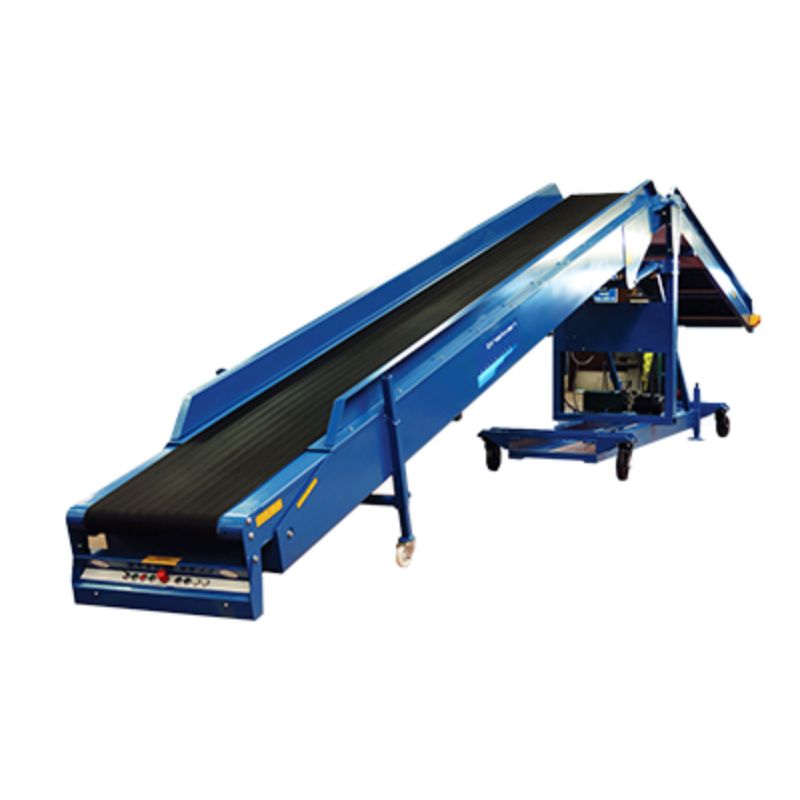
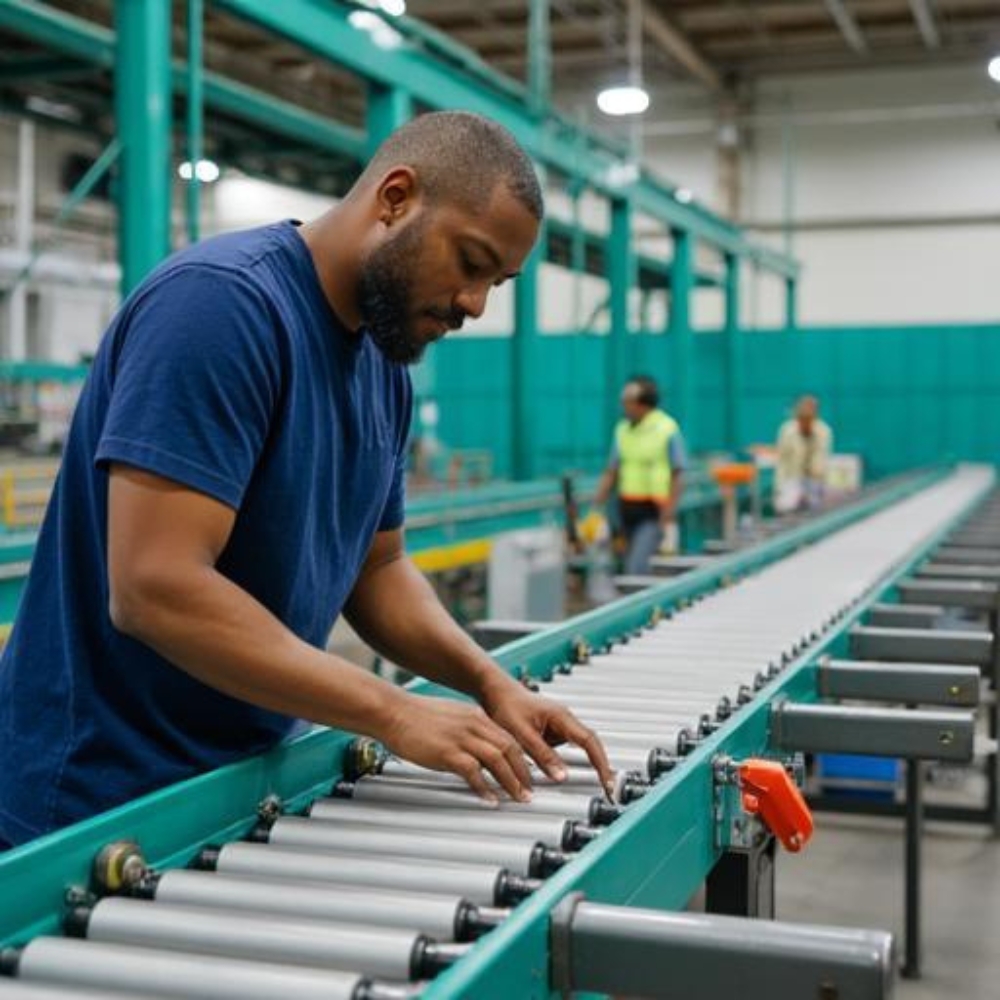
Botswana operations that move cartons, crates, packaged goods, produce, and processed products need conveyor systems that run predictably under real daily demand. Conveyor Supplies Africa supplies and supports non-mining conveyor solutions, including Botswana conveyors, conveyor systems Botswana, conveyor rollers Botswana, conveyor belting Botswana and conveyor parts Botswana with a practical focus on uptime, maintainability, and spares planning.
If you manage a warehouse, distribution facility, packaging line, packhouse, or production environment, your conveyor is a throughput dependency. It can reduce manual handling, improve safety, protect product quality and keep dispatch consistent. Or it can do the opposite, which is impressive in the worst way.
Botswana sites benefit most when conveyors are specified for uptime, simple maintenance, and consistent spares planning across facilities.
Important: We supply conveyors for non-mining industries only. We do not supply the mining sector.
Country-specific guidance, backed by consistent product hubs and spares planning.
Conveyor projects succeed when they are designed for what actually happens on-site, not what looks neat on a diagram. This country page focuses on maintainable conveyor systems, standardised spares, and practical component selection that supports stable throughput.
Facilities are rarely static. Layouts evolve, demand shifts, and product types expand. A route that worked last year can become a bottleneck next season. The smarter strategy is to design for upgrades, reduce transfer-point issues, and align rollers and belts to the actual duty cycle. That is why this page links directly to the same core hubs used across our network: Systems, Rollers, Belting, Parts & Spares, and Services.
We also support custom manufacturing of conveyors and rollers where footprints are tight, routing is complex, or off-the-shelf equipment would create maintenance headaches. The objective is simple: stable flow with repair cycles that your team can handle without turning every small issue into a shutdown.
For Botswana operations, the most reliable results come from standardised rollers, correct belt selection, and transfer points designed for the way product actually behaves.
In practical terms, most reliability gains come from three areas: correct transfers, consistent tracking, and standardised wear components. Transfers are where cartons catch, bags spill, and product damage begins. Tracking affects belt wear, edge fraying, and drift that turns into daily adjustments. Wear components (rollers, bearings, fasteners, and belt joins) determine whether maintenance is predictable or chaotic.
The parent Countries hub exists because cross-border procurement fails when each facility runs its own specification. Standardising where possible makes ordering faster, reduces mistakes, and lowers downtime risk. When teams share roller families and belt standards, repairs are simpler and spares stock becomes more useful.
This page is deliberately designed to support the parent hub without duplicating it. The hub gives the big picture. The country page gives the practical “how it applies here” view and points visitors to the right product and service hubs to take action.
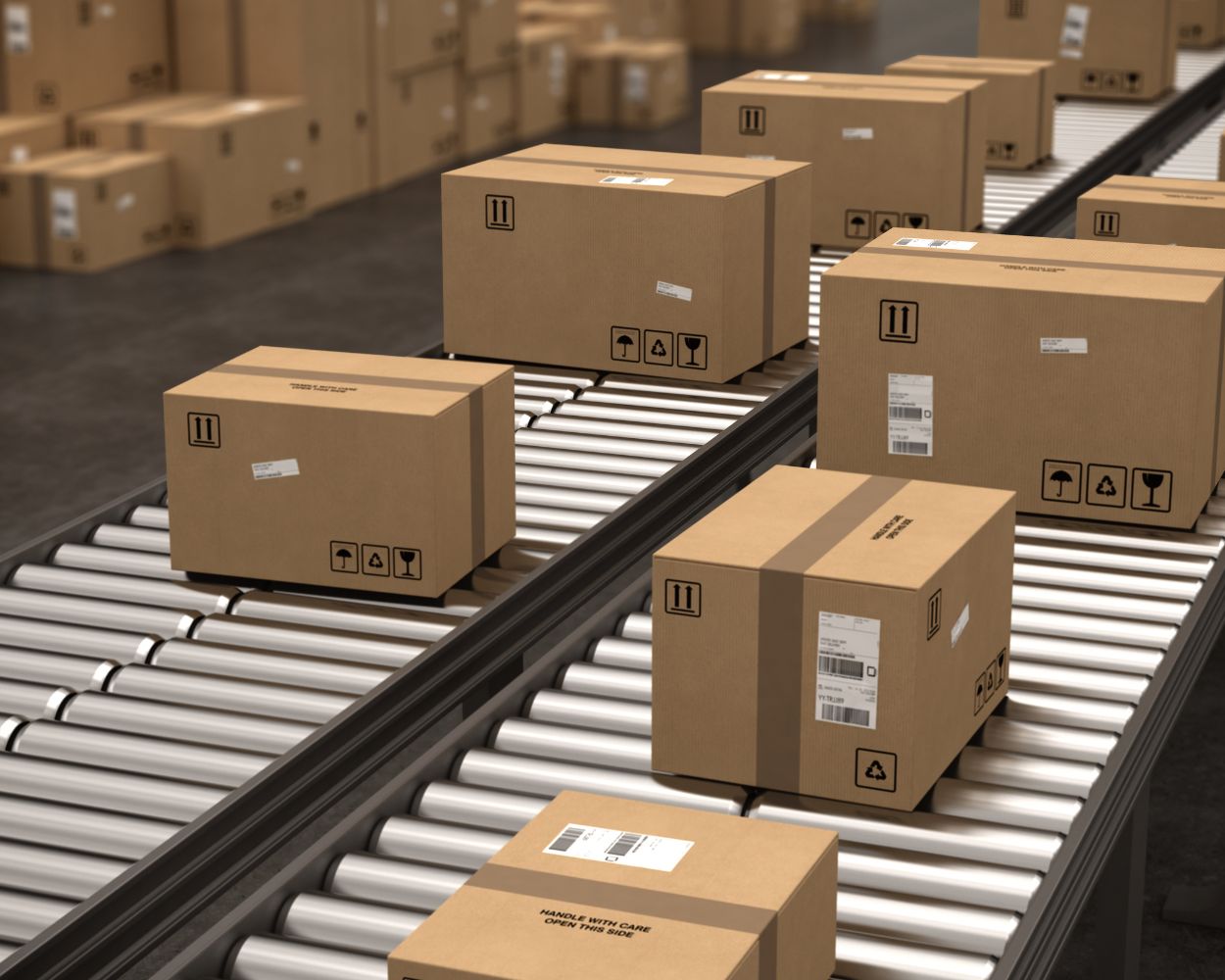
This page supports operations across logistics, warehousing, packaging, agriculture and food handling. The best-fit conveyor solution depends on what is being moved, how fast it must move, and what the environment does to belts, rollers and transfers.
A frequent reality is mixed product handling. Even within one facility, you may move cartons in the morning, bags or crates in the afternoon, and mixed SKUs throughout the day. Conveyor routing, roller spacing, guides, and transfer geometry should tolerate change, not punish it.
Another common pattern is phased growth. Warehouses and processing sites often expand in stages. A route that starts as a short line becomes a longer network with additional pick points and packing stations. Systems built with extension in mind reduce future spend and keep maintenance consistent.
For warehouse conveyors Botswana and logistics conveyors Botswana, the biggest operational wins usually come from reducing stoppages at transfers, improving product stability during accumulation, and making maintenance access easy. A conveyor that cannot be serviced quickly is not “efficient”. It is a scheduled failure that just hasn’t happened yet.
For industrial conveyors Botswana and packaging routes, stability matters as much as speed. If cartons tip, bottles shift, or bags catch at transfers, the line becomes an intervention point. Good routing keeps product stable while still allowing access for cleaning and inspection.
Operations often look “fine” until peak demand shows up. That is why applications are planned around bottlenecks, not average volume. Most downtime starts at transfers, worn rollers, poor tracking, and insufficient spares planning. Fix those, and performance improves fast.
If you are unsure what type of system you have, Wikipedia’s overview of warehouses and supply chains provides helpful context for why flow stability matters. Then the practical step is selecting components that match the reality on your floor, not the theory in a catalogue.
Conveyor selection is not a beauty contest. The best design is the one that survives daily reality: heat, dust, wash-down routines, product changes, and duty cycles that do not pause politely.
Selection starts with the product and ends with the maintenance team. If the equipment cannot be maintained quickly, safely, and consistently, you will end up with downtime that looks like “small issues” but behaves like a recurring shutdown. Correct specification balances performance with service access and spares availability.
The decisions that cause the most downtime are rarely dramatic. They are small mismatches that become expensive through repetition: a belt material that slips, a join that fails under duty cycle, rollers selected for “average” use instead of peak load, and transfers that catch product edges. These are the areas where sensible specification pays off.
| Selection Area | What We Align | Why It Matters |
|---|---|---|
| Rollers | Diameter, bearing family, shaft type, environment suitability | Reduces failures and simplifies replacement cycles |
| Belting | Material, thickness, joining method, surface traction | Improves tracking, reduces slip, supports cleanability |
| Transfers | Support, alignment, wear protection, clean-out access | Fewer jams, less spillage, smoother throughput |
| Spares | Wear components, tools, reorder triggers | Downtime becomes a short event, not a long outage |
Practical note: spares planning is part of engineering, not a procurement afterthought. When you stock the right wear items, your maintenance team moves from reactive to controlled. This is where conveyor parts Botswana strategies create measurable operational benefits.
Reminder: We do not supply the mining sector. This guidance supports non-mining logistics, warehousing, packaging, food handling, pharmaceutical, agricultural and manufacturing environments.
Most conveyor downtime is not dramatic. It is repetitive. A roller starts binding. A belt join degrades. A transfer point builds up product and jams. Because the problems are “small”, they get ignored until the line stops during peak demand.
The fastest way to improve uptime is to target failure patterns, not symptoms. If a line jams at the same transfer, that is not “operator error”. If a belt needs constant tracking adjustment, that is not “normal”. In most cases, the cause is a mismatch between load behaviour, component selection, and maintenance access.
A packaging route experiences repeated jams at a transfer point. The result is stop-start flow, damaged product, and ongoing “quick fixes” that never last. In most cases, the root causes are a poorly supported transfer, worn rollers near the transfer, and inconsistent belt tracking as load changes.
Dispatch staging becomes a bottleneck due to worn rollers and inconsistent flow through accumulation zones. The fix often includes replacing high-wear roller sets, improving transfer geometry, and applying a spares plan that prevents “run to failure”.
Relevant hubs: Parts & Spares · Services
The common thread is not fancy technology. It is small, correct decisions repeated consistently: transfers, rollers, belt choice, and spares planning. Not glamorous, just effective.
When these improvements are applied, operators spend less time intervening and more time running the process. That improves throughput, reduces fatigue, and supports a safer floor environment. It also stabilises quality, because product damage often happens during stop-start flow.
Cross-border supply works best when it is supported by consistent specs and repeatable ordering. We focus on helping teams get the right equipment, then keep it running through practical spares planning and service guidance.
Many operations underestimate how much downtime cost is caused by small delays: waiting for a roller that is slightly different from the standard, sourcing a belt join method the team cannot install, or replacing parts that were not aligned to the duty cycle. The service-first approach reduces these friction points so maintenance becomes planned, not reactive.
For helpful background, preventive maintenance explains why planned work prevents expensive stoppages. The practical version is simple: inspect the wear points, replace before failure, and keep spares aligned to what actually fails.
We supply complete conveyor solutions as well as replacement components. Where many operations lose money is not on the conveyor frame, but on repeated stoppages caused by wear items and poorly planned spares.
Replacement demand typically concentrates in high-wear zones: loading points, tight transfers, accumulation sections, and areas where product impacts rollers or belts repeatedly. Planning spares around these zones reduces stoppages and gives maintenance teams a predictable replacement routine.
When Botswana facilities keep the right wear items on hand, downtime shifts from unpredictable outages to short, planned maintenance tasks.
Roller selection must match load, speed and environment. Standardising roller types makes repairs faster and reduces incorrect ordering, especially when multiple facilities share similar lines.
Browse: Conveyor Rollers
Belting should behave consistently under your operating conditions. The right belt choice reduces drift, slip and premature wear. Joining and fasteners should match the tools and capability available on-site.
A practical spares kit turns downtime into a short maintenance task instead of an extended outage. Focus on wear items and high-impact components first, then set reorder triggers.
Browse: Parts & Spares
A practical spares plan usually includes: roller sets for high-wear zones, bearings and housings, belt joining components, and transfer-point wear protection. The best spares list is not “everything”. It is the minimum set that prevents long stoppages.
If you operate multiple facilities, standardising spares becomes even more valuable. A shared list reduces the number of SKUs you hold, improves reorder discipline, and makes troubleshooting faster because technicians are not dealing with “surprise variants” across different lines.
Good conveyor projects are repetitive in the best way: the same questions, the same checks, and the same quality controls. That is how you avoid surprises that are actually planning failures.
For cross-border projects, we also consider how long-term support will work: which parts should be held on-site, which can be centrally stocked, and which components require planned replacement intervals. This is not over-engineering. It is the difference between predictable maintenance and emergency downtime.
| Step | What Happens | Outcome |
|---|---|---|
| 1. Discovery | Confirm product type, throughput targets, environment and constraints | Clear requirements, fewer redesign cycles |
| 2. Recommendation | Align selection to Systems, Rollers, Belting and Parts & Spares | Consistent spec with scalable support |
| 3. Build & Supply | Support custom manufacturing of conveyors and rollers where required | Right-fit equipment for layout and workflow |
| 4. Spares Plan | Create a practical spares list with reorder triggers | Reduced downtime exposure |
| 5. Service Support | Provide guidance and support via Services | Long-term maintainability and reliability |
This workflow supports faster expansion. When sites share a baseline spec, procurement becomes simpler, maintenance becomes faster, and training becomes easier. It stops every new site from becoming a new set of parts, tools and avoidable problems.
The fastest way to reduce downtime is consistency. Standardise what you can, document what you cannot, and keep spares aligned to real wear items rather than assumptions.
Standardisation works best when built around component families: a roller family for general warehousing, a higher-duty family for heavy-use zones, and a belt material range aligned to environment and product type. You reduce complexity without forcing every line to be identical.
Standardisation is not about forcing every site to be identical. It is about creating a shared baseline that reduces complexity, then allowing controlled exceptions where the environment genuinely demands it.
Done correctly, standardisation makes your operations team faster. They stop wasting time identifying “which version” of a part they need. They already know. That is what makes multi-site operations resilient.
This page is part of the Countries hub. We support cross-border supply and non-mining conveyor solutions across multiple regions, backed by consistent product hubs and service support.
View all: Countries Hub
Core hubs for selection and quoting: Products · Systems · Rollers · Belting · Parts & Spares · Services
The goal of this structure is simple: visitors land on the country page, understand local application fit, then move into product hubs for detailed selection and quotation. It keeps content consistent while still making each country page useful and unique.
Cross-border supply is not just moving items across a map. It is specification control, spares planning, and support that makes performance consistent. We keep it practical: correct selection, reliable builds, and guidance that matches real maintenance constraints.
We align rollers, belts and transfers to load, duty cycle and environment, so systems perform reliably under daily demand.
We support custom manufacturing of conveyors and rollers where routing, footprint or operating conditions require a tailored build.
We focus on wear items, reorder triggers and standardised parts so downtime becomes a short event, not a long outage.
If you run high-volume operations, reliability is a strategy. The most expensive downtime is not always the longest downtime, it is the downtime that hits during peak dispatch or peak production. That is why our approach prioritises maintainability and spares discipline.
Conveyor Supplies Africa supports industrial operations in [COUNTRY NAME] with engineered conveyor systems, replacement components, and on-site support. Our solutions are designed for predictable throughput, safe operation, and long-term maintainability.
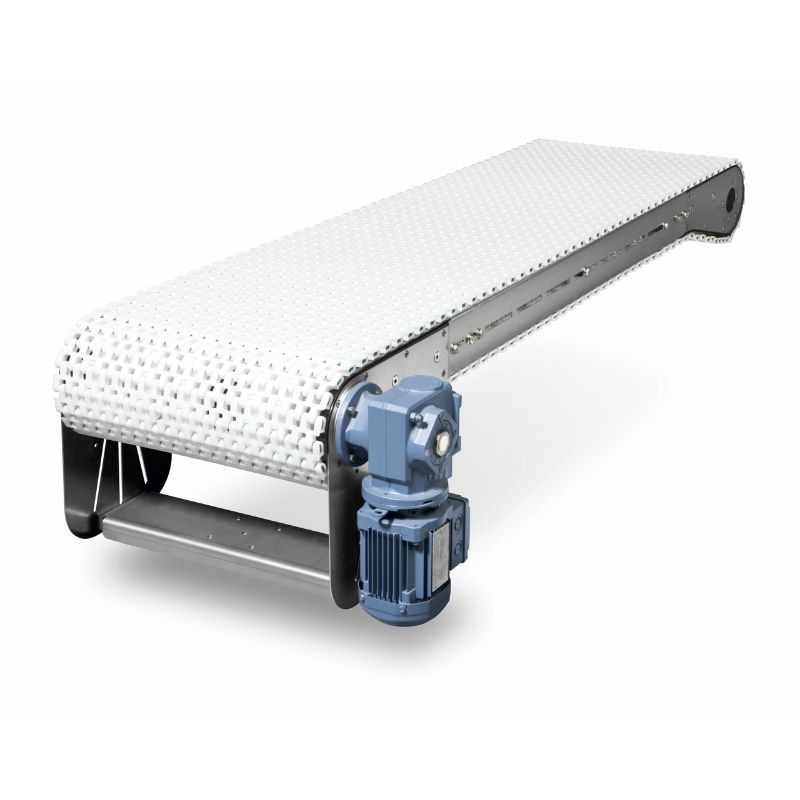
Depending on the application and operating environment, we manufacture and supply industrial conveyor systems including belt conveyors, roller conveyors, modular belt conveyors, and gravity conveyors.
For facilities that require consistent movement and staging, we supply conveyor components such as conveyor rollers, frames, bearings, shafts, and wear parts, selected to suit local operating conditions in [COUNTRY NAME].
Where continuous transport is required, our conveyor belting solutions support a wide range of materials and packaging types, with belt selection guided by throughput, environment, and maintenance strategy.
We also provide installation, commissioning, and support services across selected regions, helping operations reduce downtime and plan spares effectively.
If your operation spans multiple facilities or regions, standardising conveyor layouts and components across sites simplifies maintenance and reduces spares complexity.
Contact Conveyor Supplies Africa to discuss conveyor system selection, component supply, or support for projects in [COUNTRY NAME].
No. We supply non-mining conveyor solutions only, focused on logistics, warehousing, packaging, food handling, pharmaceutical, agriculture and manufacturing.
Yes. Many projects start with wear items. See Rollers and Belting.
Product type, throughput target, approximate route dimensions, environment (dust, moisture, wash-down, temperature), and what parts are failing or causing stoppages. Photos help.
Yes. We support custom manufacturing of conveyors and rollers where layouts, routing, or operating conditions require a specific build.
By aligning selection to duty cycle, improving transfer points, standardising rollers and belts where possible, and building a practical spares plan with reorder triggers.
Start at Systems, then link into Parts & Spares for wear items and the basics that prevent long stoppages.
Most sites start with high-wear roller sets, bearings and housings, belt joining components, and transfer-point wear protection. The best spares list matches your duty cycle and prevents long stoppages.
Yes. Standardising roller families and a belting range reduces ordering errors, shortens repair cycles, and improves uptime across facilities and regions.
WhatsApp us