Snack Foods and Fried Foods conveyor systems are essential for maintaining stable flow, dependable throughput and controlled product movement throughout modern food production facilities. Conveyor Supplies Africa supplies engineered conveyor systems designed for raw receiving, preparation, frying, draining, cooling, seasoning, inspection, weighing, packing and despatch operations. Our conveyor solutions help reduce product breakage, oil and crumb build-up, inconsistent feed, micro-stops and unplanned line stoppages while supporting hygienic access, safe cleaning and predictable maintenance routines.
Depending on the product, production layout and handling requirements, a Snack Foods and Fried Foods facility may use belt conveyors, modular belt sections, roller conveyors, inclines, declines, transfer sections and merge sections. These conveyor systems can support chips, crisps, pellets, grains, nuts, coated snacks and other fragile fried food products that require gentle handling, stable presentation and controlled transfers. Carefully planned transfer geometry, sensible elevation changes and minimal drop heights help protect product integrity, reduce breakage and maintain consistent product flow into seasoning, inspection, weighing and packing zones.
Snack food conveyor systems must also perform reliably in environments affected by heat, oil, vapour, salt, seasoning residue and airborne crumbs. Hygiene-first layouts, cleanable structures, practical operator access and maintenance-ready conveyor design help reduce trap points and support efficient cleaning routines. Stable feed into weighing and packing equipment can improve pack weight consistency, reduce rejected packs and support a more predictable production output across long shifts and frequent changeovers.
Conveyor Supplies Africa develops Snack Foods and Fried Foods conveyor solutions for food production, packaging, warehousing and logistics operations across South Africa and selected African markets. Each conveyor system is planned around product fragility, temperature zones, throughput targets, packing requirements, warehouse routing, operator access, safety requirements and long-term maintenance needs. The objective is a durable, supportable conveyor solution that improves line uptime, protects product quality and creates a stable flow from production through packing and despatch.

Snack Foods and Fried Foods lines are less about a single conveyor and more about disciplined flow across multiple zones: raw receiving, prep and staging, frying, de-oiling or cooling, seasoning, inspection, packing, and despatch. Each zone introduces its own constraints. If those interfaces are sloppy, the line pays for it through micro-stops, product breakage, inconsistent pack weights, and endless “just clear it quickly” interventions that slowly destroy throughput.
The physics of Snack Foods and Fried Foods is not complicated, but it is unforgiving. Oil and salt find their way into crevices. Crumbs accumulate where geometry is poorly planned. Heat and vapour affect surfaces and housekeeping pressure. These realities demand conveyor systems that are designed for access, cleaning, and predictable adjustment. If routine checks are difficult, routine checks get skipped. Then your line starts “mysteriously” falling apart, which is always blamed on everything except the design decisions.
CSA supports Snack Foods and Fried Foods operations with engineered conveyor systems and pragmatic commissioning practices. We align product stability with real production behaviour: start-stop cycles, changeovers, shift handovers, and the occasional “we pushed harder today.” The goal is dependable throughput, not theoretical peak speed that collapses when the first jam happens.
If your team needs a neutral, non-sales overview of the process language used around frying, Wikipedia’s background on deep frying can help standardise terminology during early planning. Snack Foods and Fried Foods projects still require site-specific engineering, but shared vocabulary reduces miscommunication between production, maintenance, and safety teams.
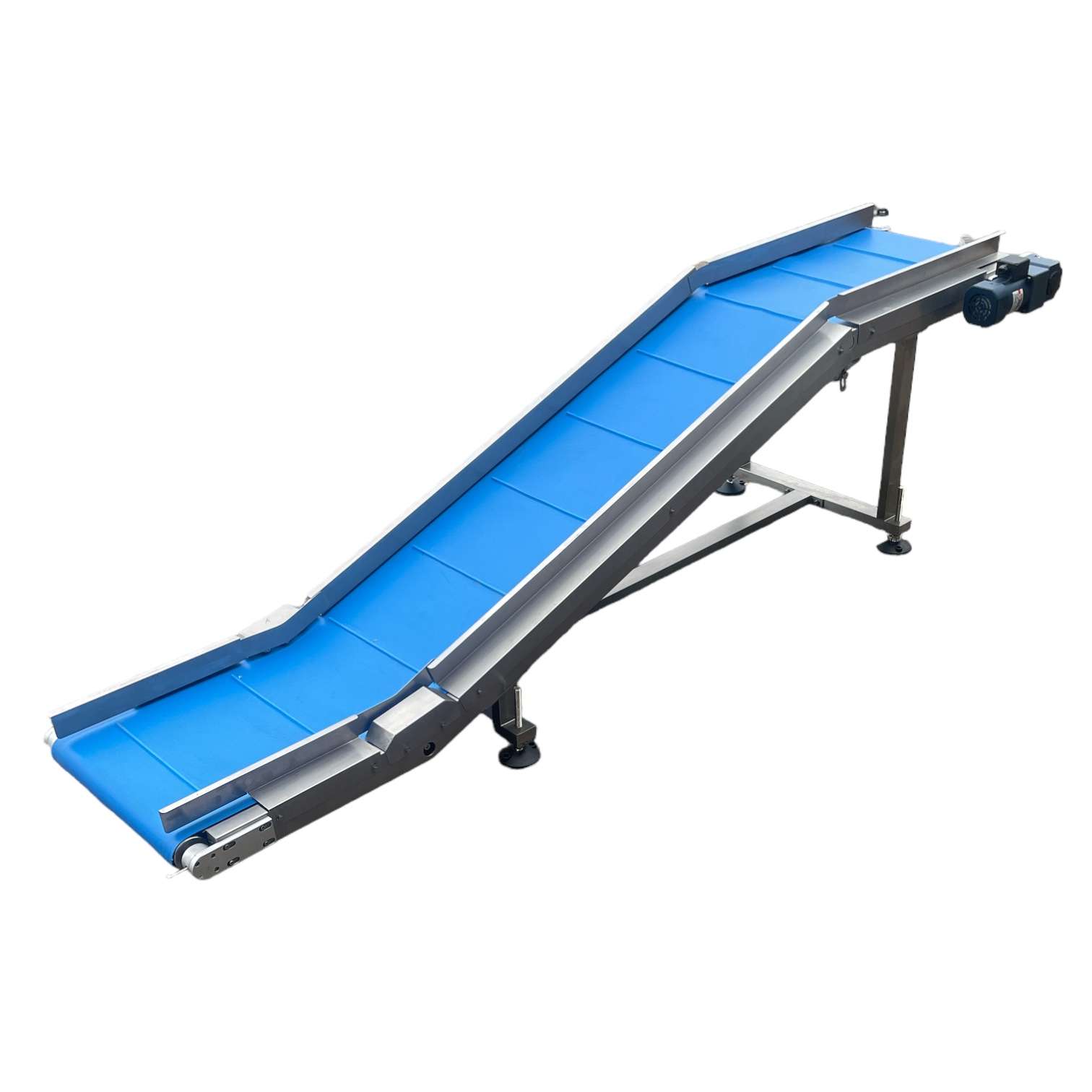
Snack Foods and Fried Foods production starts with reliable staging of inputs: potatoes, grains, nuts, pellets, batters, coatings, and packaging materials. Congested receiving zones create safety issues and inconsistent feeding. Conveyor systems can support controlled movement and ergonomic staging, reducing manual handling and improving throughput predictability into the line.
In Snack Foods and Fried Foods lines, the transition after frying is where quality is protected or destroyed. Product is hot, fragile, and often oily. Transfers must avoid breakage and keep product spread evenly for consistent cooling. CSA focuses on stable handoff geometry and layouts that remain cleanable and serviceable in these high-pressure zones.
Snack Foods and Fried Foods lines often gain or lose efficiency in seasoning and packing. Poor control creates inconsistent coverage, poor weights, and downtime caused by spill and build-up. Conveyor routing should support inspection visibility and consistent feed into packing, without forcing operators to intervene constantly.
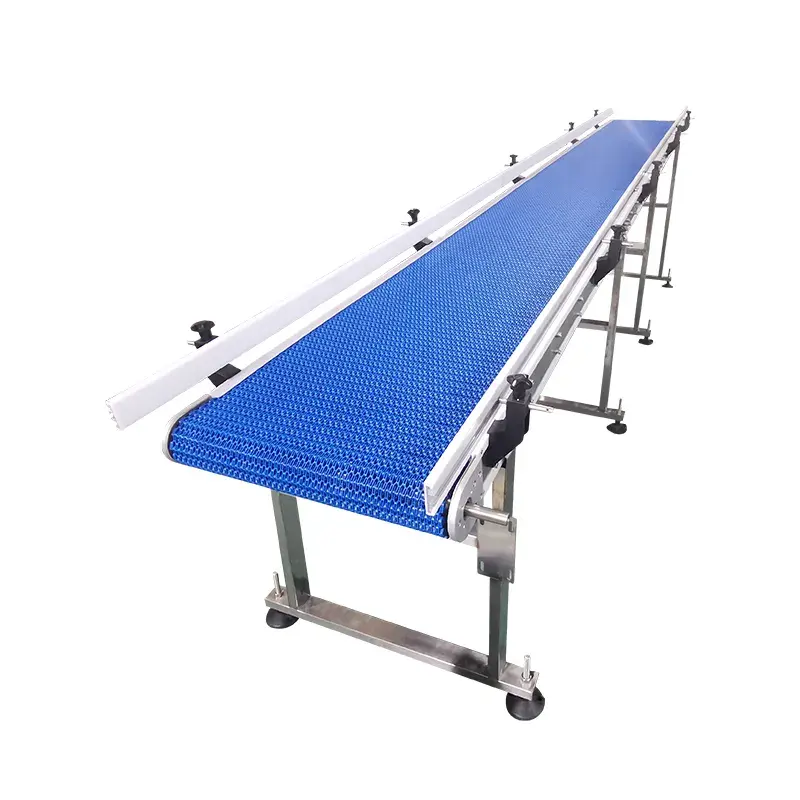
Snack Foods and Fried Foods products can be surprisingly fragile. Chips, crisps, pellets, coated snacks, and many fried items break easily when discharge is uncontrolled, drop heights are excessive, or accumulation compresses product. Breakage is not just “cosmetic.” It affects pack weight, product appearance, dust build-up, and customer complaints.
CSA designs Snack Foods and Fried Foods conveyor interfaces to protect product stability: controlled transfers, sensible elevation changes, and routing that avoids unnecessary impacts. Where production requires buffering, accumulation is designed intentionally so release behaviour is predictable. The goal is steady flow without crushing the product into crumbs and then wondering why housekeeping is a full-time job.
Product integrity is also operational efficiency. When breakage reduces, spillage reduces. When spillage reduces, micro-stops reduce. When micro-stops reduce, output becomes more predictable. Snack Foods and Fried Foods lines tend to calm down when the system stops fighting the product.
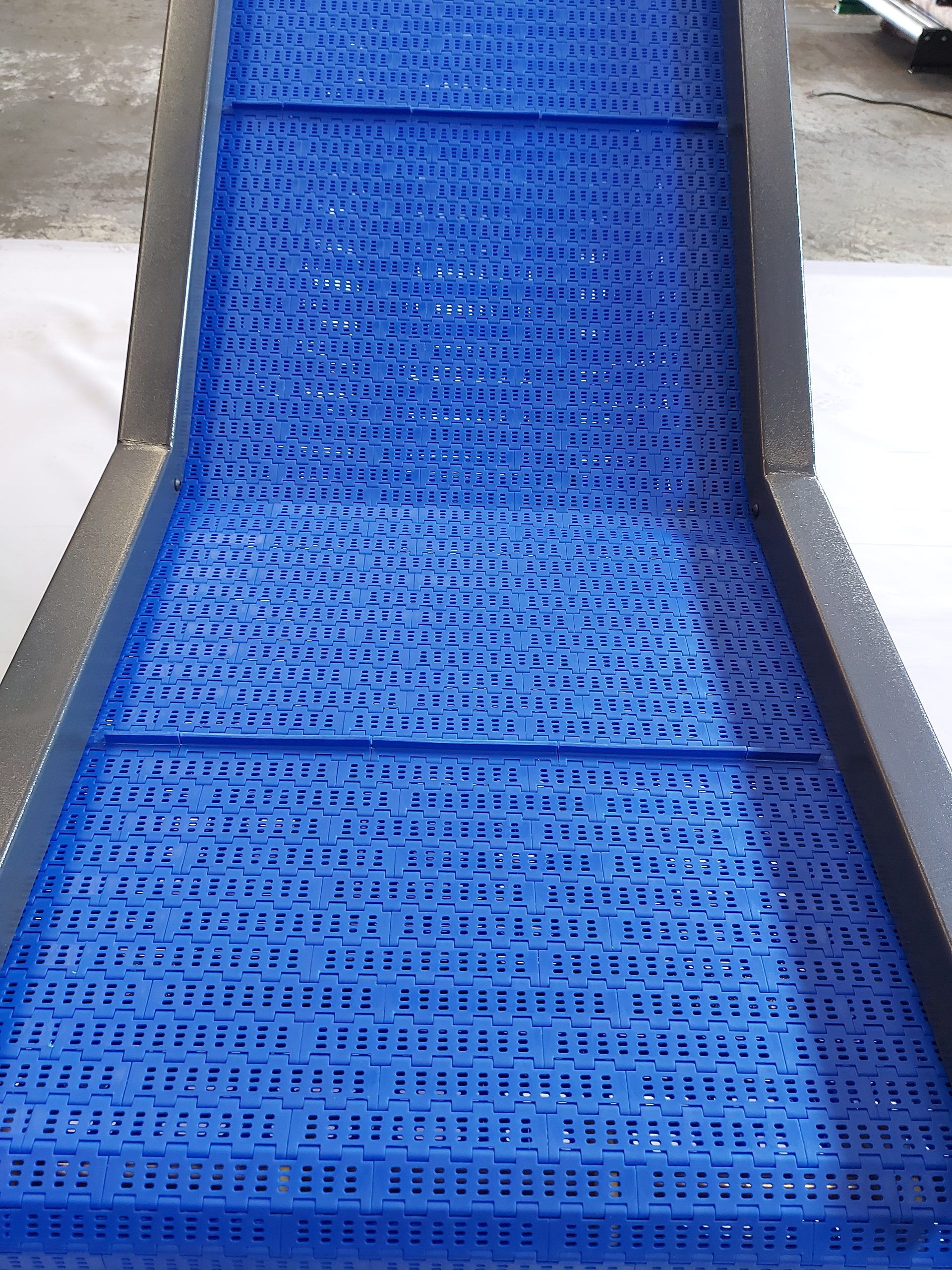
Snack Foods and Fried Foods environments bring heat, oil, vapour, and residue into daily operations. That influences component selection, guarding strategy, and cleaning routines. Conveyor systems must support practical access for cleaning and inspection without forcing dismantling of half the line for basic housekeeping.
Hygiene is not a marketing word in Snack Foods and Fried Foods. It is a time cost. If a design traps oil and crumbs, the site pays for it with longer clean-downs, more downtime, and faster wear. CSA prioritises maintenance-ready layouts that reduce trap points and support safe cleaning access, so operations stay stable across real shifts.
We supply engineered systems and provide spares only for CSA-built systems so compatibility remains controlled. This helps Snack Foods and Fried Foods sites plan maintenance without introducing mismatched components that cause repeated alignment drift and recurring stoppages.
Snack Foods and Fried Foods facilities often combine multiple conveyor styles across one site. The right combination depends on product fragility, temperature zones, housekeeping pressure, and how packing and warehousing interact. CSA supplies engineered conveyor systems and supports spares for CSA-built systems to keep long-term ownership predictable.
Snack Foods and Fried Foods success depends on interface discipline: the handoff between process equipment, the behaviour of accumulation, and the consistency of feed into packing. CSA focuses on those “small places” where most downtime is born, because fixing a single transfer point often stabilises a whole section of the line.
Snack Foods and Fried Foods projects begin with truth: product types, speeds, temperature zones, cleaning routines, and where downtime actually originates. We document constraints like walkways, forklift paths, drains, hygiene zoning, and safety requirements, then design around them.
We engineer the conveyor system to suit the environment and product behaviour, then build with long-term serviceability in mind. Snack Foods and Fried Foods requires controlled transfers, stable alignment, and practical access that supports repeatable maintenance.
Installation and commissioning are available in selected regions, depending on scope, site readiness, safety requirements, and logistics. Snack Foods and Fried Foods commissioning focuses on stable flow, safe access, and practical changeovers, not just “getting it running.”
Snack Foods and Fried Foods projects are supported across South Africa, with installation and commissioning available in selected regions across Southern Africa and other accessible African markets depending on project readiness, safety requirements, and logistics. If a site requires complex access, restricted scheduling, or high-risk permits, feasibility is confirmed early and planning is done properly.
Supply-only scopes are available where on-site work is not feasible. If you need on-site support, the scope and access requirements are clarified upfront. Snack Foods and Fried Foods does not benefit from surprises. Surprises are expensive.

Snack Foods and Fried Foods packing is where throughput is made measurable. Packing equipment depends on consistent feed. When feed is inconsistent, the line “hunts”: operators intervene, pack weights drift, and micro-stops multiply. Conveyor design should support stable presentation into weighing, inspection, and packing zones, and it should allow access for routine checks without creating unsafe shortcuts.
Quality is part of the conveyor job in Snack Foods and Fried Foods. Broken product increases fines and dust, which increases cleaning time. Poor discharge creates pile-ups that lead to rejected packs. CSA designs for stable, predictable handoff into packing, because stable feed produces stable output. That is operational reality, not a slogan.
When changeovers are frequent, Snack Foods and Fried Foods benefits from clear, repeatable settings rather than “tribal knowledge.” We favour adjustment ranges that are marked, inspectable, and maintainable so the line can return to baseline quickly after product or packaging changes.
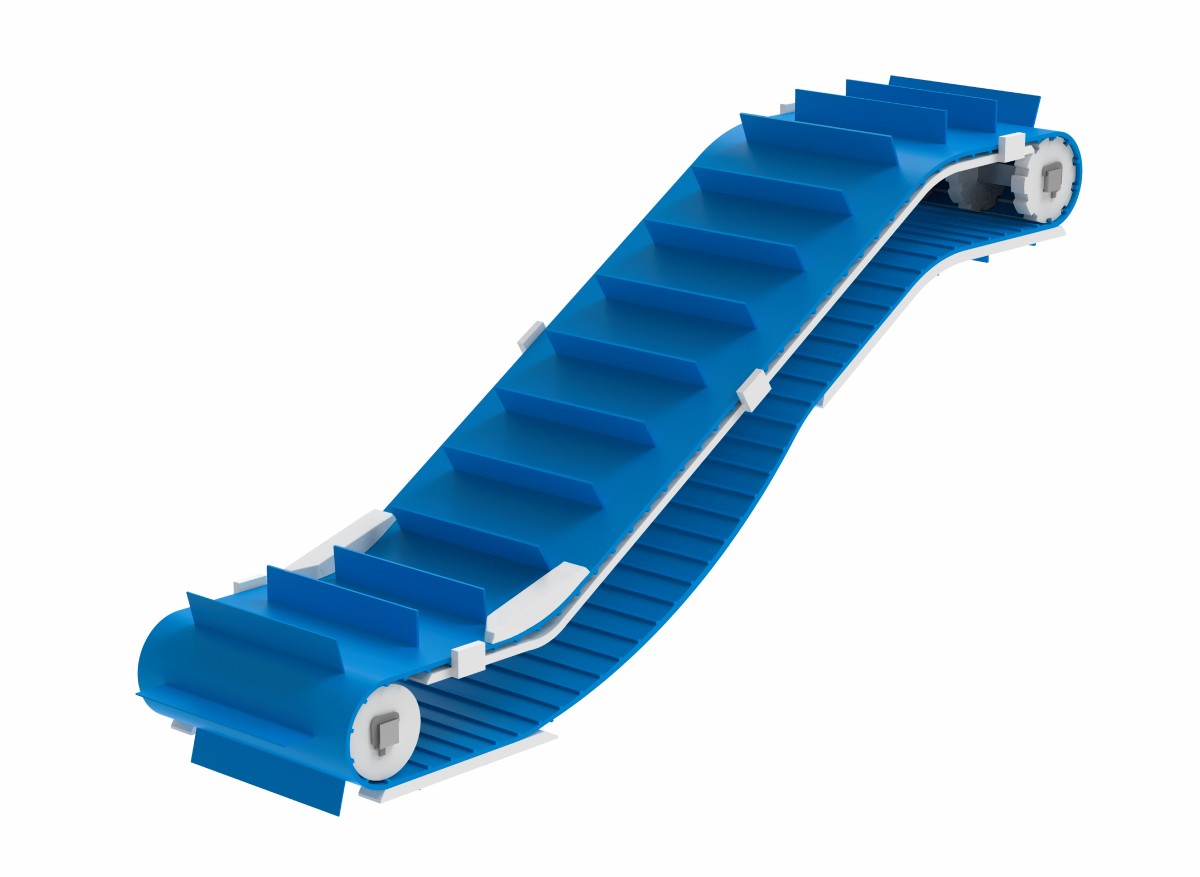
Snack Foods and Fried Foods throughput is wasted if the warehouse cannot absorb the output. Pallet staging, case movement, and despatch lanes must remain clear and predictable. Conveyor routing should respect forklift paths and pedestrian safety, not block them. Congestion creates delays, delays create rushed handling, and rushed handling creates damage. It is a predictable cycle.
CSA supports Snack Foods and Fried Foods sites with layouts that integrate packing and warehousing logically. Where conveyor support is used for case movement and staging, the design prioritises safe access, predictable accumulation, and stable transfer points. The goal is consistent despatch rhythm, not a daily fight with congestion.
Spares are supplied only for CSA-built systems so compatibility remains controlled and long-term maintenance planning stays realistic. Snack Foods and Fried Foods lines that keep variables low run more consistently over time.
Snack Foods and Fried Foods performance is usually lost in small places: transfers, accumulation behaviour, build-up points, and access. This checklist helps align expectations between production, maintenance, and engineering.
| Area | What “good” looks like | What it prevents |
|---|---|---|
| Transfers | Controlled handoff, minimal drop heights, stable product support. | Breakage, pile-ups, product fines, rejected packs. |
| Build-up control | Cleanable structure, fewer trap points, accessible inspection routes. | Crumb and oil accumulation, longer clean-downs, wear escalation. |
| Accumulation | Buffer sized to reality, designed for predictable release behaviour. | Compression damage, unstable feed, jam cascades. |
| Access & guarding | Safe reach points, visibility, guarding that supports routine checks. | Unsafe shortcuts, delayed inspection, injury risk. |
| Packing interfaces | Consistent feed, stable discharge, controlled presentation. | Weight drift, micro-stops, inconsistent pack quality. |
| Spares strategy | Planned spares for CSA-built systems, controlled compatibility. | Mismatched parts, repeated failures, unpredictable repairs. |
Snack Foods and Fried Foods lines also depend on people. Operators need visibility. Maintenance teams need access. Safety teams need compliance. A conveyor system that ignores those needs becomes expensive quickly, even if it looked “efficient” on paper.
Snack Foods and Fried Foods overlaps with broader food production, packaging, warehousing, and logistics requirements. Use these pages to align your project scope across the site without doorway spam or keyword stuffing.
Food & Beverage Packaging Warehousing Logistics Conveyor Systems Belting Rollers Conveyor Repairs & Breakdowns Countries
For multi-country planning, use our Countries hub to select your region. Snack Foods and Fried Foods support is planned around access, scope, and feasibility because “we’ll figure it out later” is not an operational strategy.
Snack Foods and Fried Foods production is built on repetition. The same product movements happen thousands of times per shift, which means small handling weaknesses become major operational costs. If a transfer point is slightly misaligned, it does not fail once. It fails repeatedly, creating a trail of fines, crumbs, and rework that quietly drains throughput. The result is familiar: operators intervene more often, micro-stops increase, cleaning time expands, and the line feels “unpredictable” even though the cause is usually consistent and mechanical.
CSA approaches Snack Foods and Fried Foods handling with an emphasis on controllable behaviour under real operating conditions. That includes start-stop cycles, shift changes, and upstream/downstream speed variation. A system that only behaves nicely at steady state is not a production system, it is a demo. We focus on practical interface discipline: stable discharge, controlled merges, and accumulation that releases predictably instead of surging product into a packing zone. When flow is stable, packing weights settle, rejects drop, and operators stop needing to “fight the line” to keep it moving.
The environment adds pressure. Snack Foods and Fried Foods lines deal with heat, oil mist, salt, seasoning residue, and airborne fines that migrate into corners and onto structures. If the layout creates trap points or blocks access, cleaning becomes harder, inspections get delayed, and maintenance drift follows. CSA prefers maintenance-ready layouts with realistic access for checks and housekeeping, because the fastest line is the one that does not need emergency interventions every hour. Guarding should protect people without turning inspection into a puzzle.
Snack Foods and Fried Foods sites often run multiple SKUs, formats, and pack configurations. Changeovers should be structured and repeatable, not reliant on tribal knowledge. We support adjustment logic that is clear and maintainable, so the line returns to baseline performance after changes rather than slowly drifting into misalignment. Consistency is the real performance target. Peak speed is meaningless if the next hour is spent clearing jams and cleaning build-up.
We also keep support boundaries clear for a reason. We supply engineered conveyor systems and provide spares only for CSA-built systems so compatibility is controlled and repairs remain predictable. Installation and commissioning are available in selected regions, based on access, safety requirements, and logistics. Snack Foods and Fried Foods projects run best when scope and responsibility are defined upfront, because “close enough” parts and rushed fixes usually return as repeat downtime later.
No. We are not an online store. Snack Foods and Fried Foods projects are supplied and supported as engineered solutions. We provide spares only for CSA-built systems, so we can stand behind fit, compatibility, and performance.
Installation and commissioning are available in selected regions, depending on project scope, site readiness, safety requirements, and logistics. Snack Foods and Fried Foods commissioning focuses on stable flow, safe access, and practical maintenance readiness.
Yes, where feasible. Snack Foods and Fried Foods support outside South Africa depends on access, scheduling, and clear scope. Some projects are supply-only; others include on-site work in selected regions.
No. We do not service mining operations. Snack Foods and Fried Foods support is focused on industrial sectors such as food production, packaging, warehousing, and logistics.
Poor transfers and poor access. Snack Foods and Fried Foods problems often begin with small interface weaknesses that create breakage, build-up, and recurring intervention. Fix transfers and access first, and the line usually calms down.
