
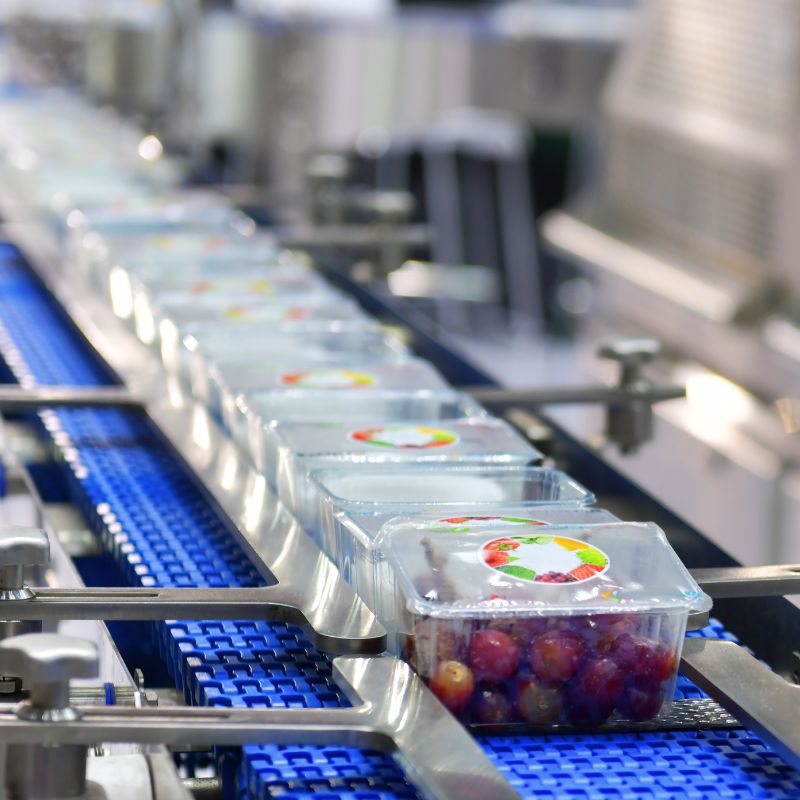
Conveyor Systems
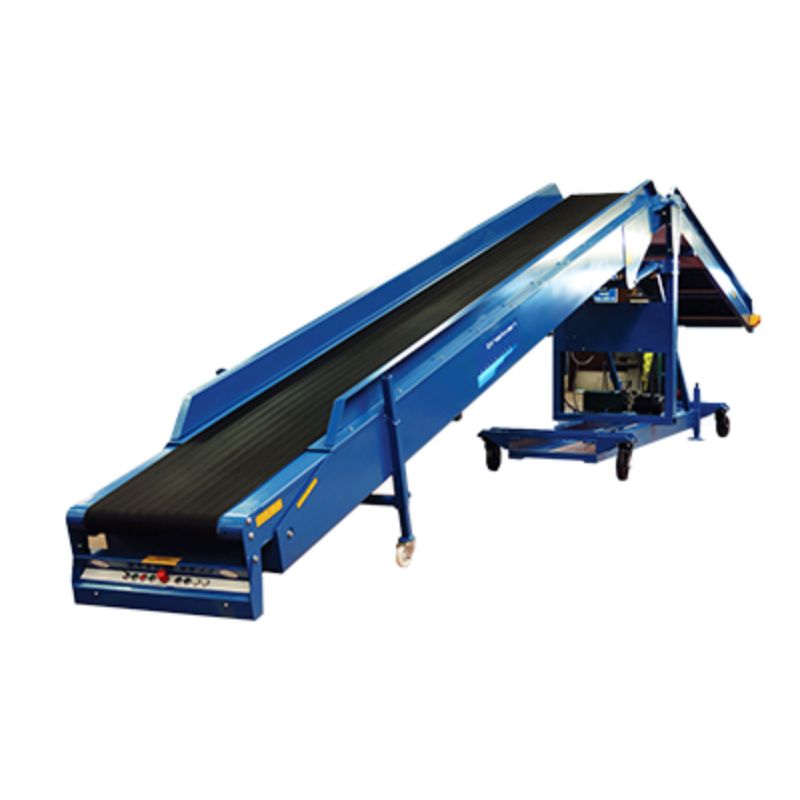
Layout planning for receiving, staging, processing and dispatch, with solutions designed to reduce jams, product damage and difficult maintenance.
Explore conveyor systems →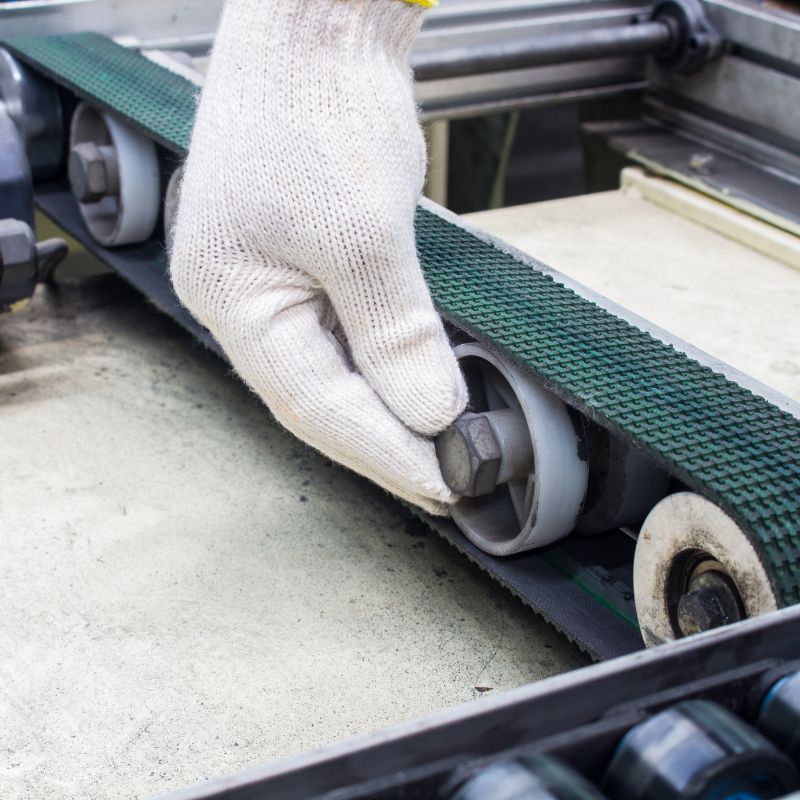
Countries is the starting point for consistent conveyor supply across Africa. Conveyor Supplies Africa supports non-mining conveyor solutions for logistics, warehousing, agriculture, food handling, packaging, pharmaceutical and manufacturing operations.
Multi-site operations need consistent specifications, practical maintenance and supply support that can keep pace with the business.
If you have ever tried to keep several facilities running with “similar” parts, you already know how this ends: downtime, emergency courier costs and teams improvising repairs that create more problems later.
This hub connects every country page to the same proven product hubs for Systems, Rollers, Belting and Parts & Spares.
Conveyor Supplies Africa supports custom manufacturing of conveyors and rollers where site layout, load profile or operating environment requires a tailored build. This matters when expanding into new facilities, upgrading existing lines or integrating conveyors into production flows that cannot tolerate inconsistent movement.
This parent hub also explains how to navigate the country pages, what information is useful for quoting and how to keep conveyor assets consistent as your footprint grows.
Our Africa support focuses on the equipment and components that keep product movement stable, maintainable and practical to service.
Layout planning for receiving, staging, processing and dispatch, with solutions designed to reduce jams, product damage and difficult maintenance.
Explore conveyor systems →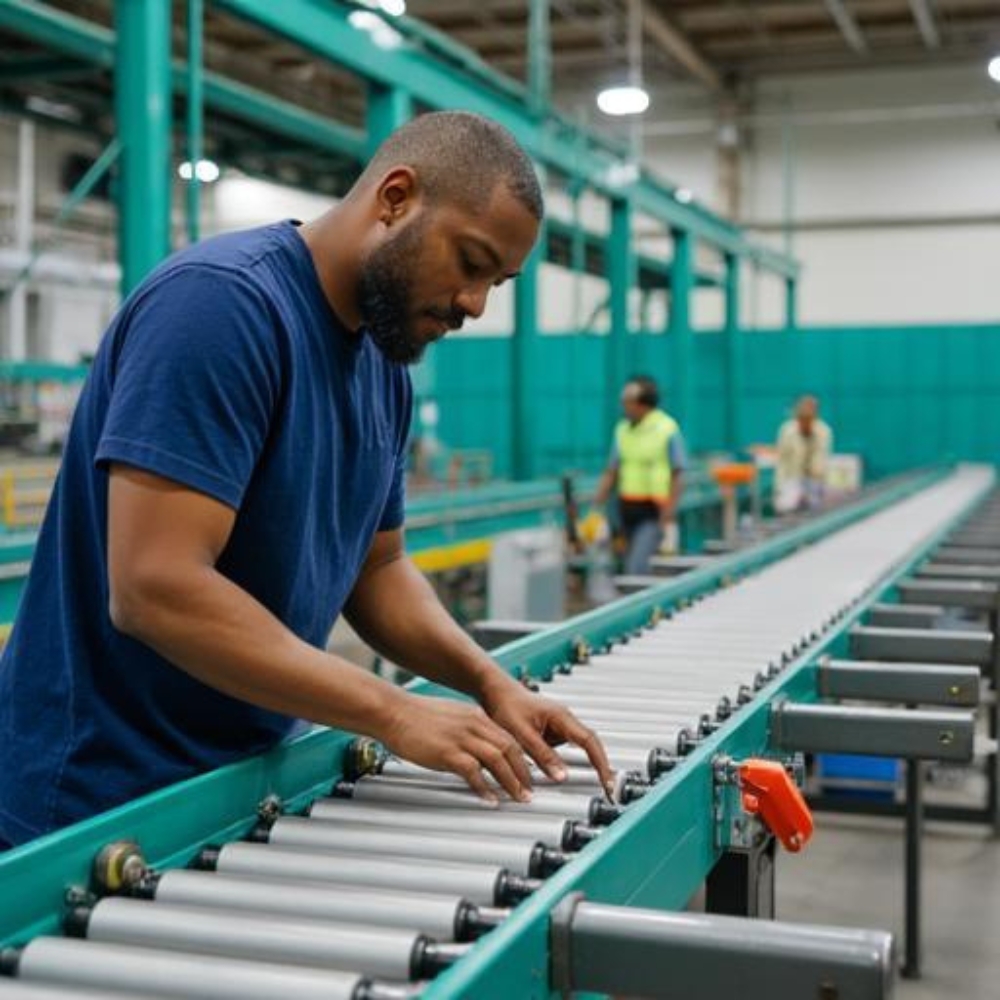
Hands-on inspection, specification guidance and service support for cross-border operations.
View conveyor services →Rollers matched to load, speed and environmental conditions, with practical standardisation across gravity, driven and mixed conveyor zones.
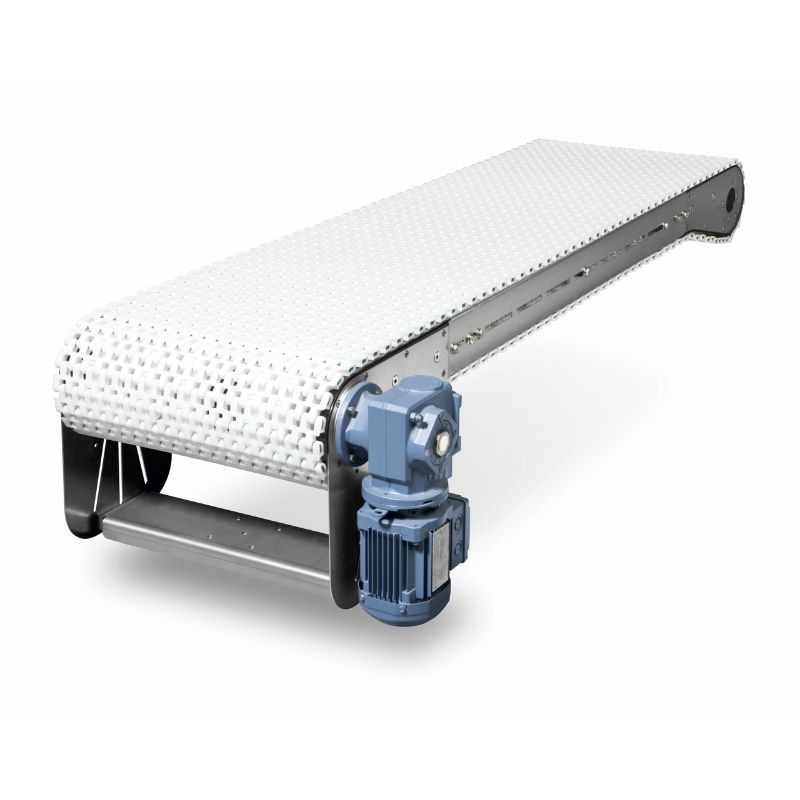
PU, PVC and modular belting selected for general handling, hygiene, traction, durability and realistic joining requirements.
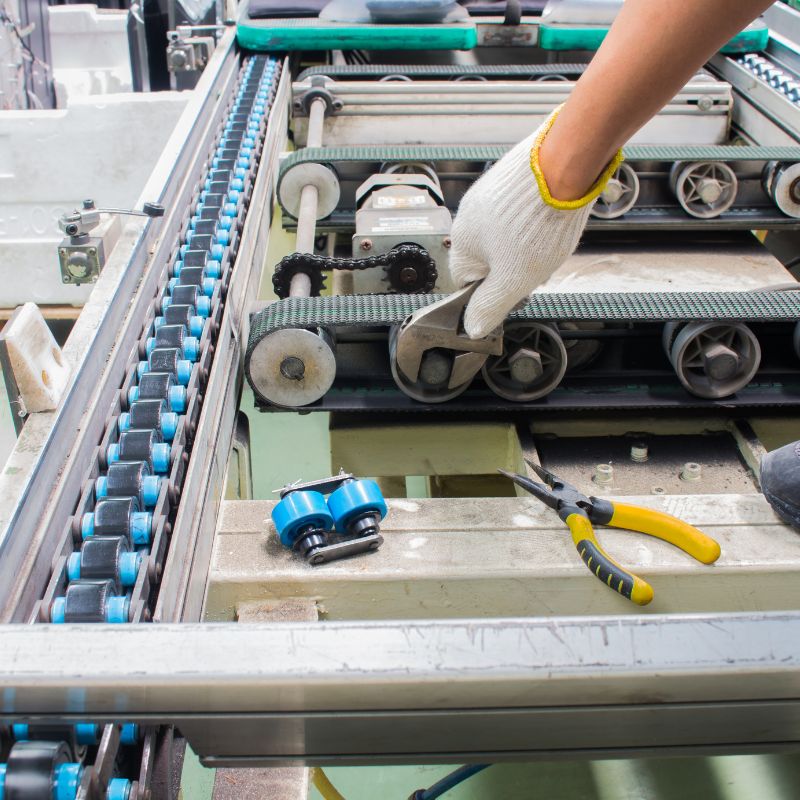
Wear items and critical components planned around failure impact, lead time and maintenance capability.
For many operations, the biggest gains come from cleaner transfers, correct roller selection, better tracking and a spares plan that anticipates wear. Slightly cheaper components that fail early are not cheaper. They are delayed expenses with excellent timing.
Standardise what you can, document what you cannot and keep spares aligned to actual operating conditions rather than assumptions.
Standardise diameter, wall thickness, bearing family and shaft type.
Align material choice, thickness, surface and joining method.
Standardise fasteners, bearings, guides and mounting hardware.
Keep belts, rollers and wear components accessible for safe service.
A practical starting point is a baseline kit containing approved roller specifications, preferred belt types, joining tools and a defined set of spare components.
Equipment selection that ignores reality will fail in reality. Conditions can vary sharply between sites, even within the same industry.
Dust affects bearings, tracking and rollers. Selection should focus on sensible sealing, robust components and realistic cleaning access.
Corrosion-aware materials and correct belting support cleaning without destroying the conveyor.
Temperature affects belt flexibility, lubrication, product behaviour and component life.
Distribution peaks expose weak transfers, poor accumulation and inaccessible maintenance points. Design must support stable flow when volume is highest.
Cartons, crates, bags and awkward packages on one route make roller spacing, guides and belt selection critical. The system must tolerate variation rather than depend on perfect packaging.
Our focus includes logistics conveyors Africa, warehouse conveyors Africa, packaging conveyors Africa, food processing conveyors Africa and agricultural conveyors Africa. We do not supply mining conveyor applications.
Good conveyor projects use the same questions, checks and quality controls every time.
Confirm product type, direction, throughput, environment and constraints.
Align the solution to systems, rollers, belting and components.
Support custom manufacturing where the layout or duty requires it.
Recommend practical stock based on wear, failure impact and lead time.
Support long-term reliability through inspection, maintenance and technical guidance.
A simple documentation pack reduces incorrect orders and prevents “close enough” substitutions that create downtime later.
Keep the information that maintenance and procurement teams need in one controlled pack.
Standard documentation supports faster quoting, better maintenance and more consistent purchasing.
We supply non-mining conveyor solutions for the industries below.
Cartons, parcels, crates, staging, sorting and dispatch.
02Receiving, picking, movement, accumulation and dispatch.
03Consistent product feed, smooth transfers and end-of-line handling.
04Wash-down planning, correct belt materials and corrosion awareness.
05Controlled movement, cleanability and predictable maintenance.
06Packhouses, sorting, grading, bagging and dispatch.
Select your country page below. Each page adds local context and links back to the correct product hubs. If your country is not listed, Conveyor Supplies Africa can still assist with supply and specification support.
Non-mining conveyor solutions for logistics, packaging and warehousing.
Country 02Maintainable systems and standardised spares planning.
Country 03Logistics and manufacturing flow for non-mining applications.
Country 04Food handling, packaging and warehouse conveyor support.
Country 05Distribution and production flow with spares planning.
Country 06Agriculture and warehousing focused conveyor solutions.
Country 07Cross-border support for packaging and logistics operations.
Country 08Reliability-led supply with maintainable designs.
Country 09High-volume distribution and production environments.
Country 10Warehouse and food handling support with correct belting.
Country 11Non-mining conveyor supply for packaging and logistics.
Country 12Cross-border systems, rollers and spares planning.
You do not need a perfect CAD pack. You need the details that affect selection, sizing and spares.
These inputs determine the basic solution and remove avoidable assumptions.
Useful visual information often reveals more than a long description.
For multi-site operations, Conveyor Supplies Africa can align a baseline specification so purchasing remains consistent and maintenance teams deal with fewer one-off problems.
The right spares reduce downtime. The wrong spares increase storage costs and still leave the site exposed.
Cross-border supply is not just moving parts across a map. It requires specification control, spares planning and support that keeps performance consistent.
Selection is aligned to load, environment and throughput so conveyor systems Africa projects are based on real operating conditions.
Custom manufacturing supports layouts and operational requirements that cannot be solved with a standard catalogue item.
Service guidance and parts support help reduce downtime exposure and improve lifecycle value.
The parent hub provides strategy and navigation. Product and service hubs provide the detailed technical options and enquiry paths.
Send your country, application, dimensions, operating conditions and photographs. We will help identify the correct systems, rollers, belting, parts and spares.