The Conveyor Supplies Africa gallery is a practical reference for decision-makers who want proof, not promises. This conveyor gallery highlights real conveyor systems built for material handling in non-mining industries across Africa. The goal is simple: show what quality looks like when a system must run reliably through shifts, peak volumes, and real maintenance schedules.
Use the Conveyor Supplies Africa gallery to compare categories and finishes. You will see belt conveyors, roller conveyors, gravity conveyors, modular belt conveyors, and telescopic conveyors, plus detailed examples of conveyor rollers, conveyor components, and practical build choices that support uptime.
The Conveyor Supplies Africa gallery is a curated set of project visuals with context you can actually use. It is not a “copy-paste” solution pretending every site has the same product, the same floor layout, and the same throughput targets. If someone claims conveyors are plug-and-play, they are either selling optimism or they have never commissioned anything under pressure.
This Conveyor Supplies Africa gallery helps you benchmark build quality, routing logic, and service access so you can scope correctly from the start. It also helps internal teams align on “what good looks like” before budgets and timelines get locked.
The Conveyor Supplies Africa gallery exists to make planning easier. Most facilities do not fail because they lack equipment, they fail because equipment is mismatched to the workflow. A conveyor needs to feed, buffer, merge, transfer, and support safe operator interaction. When conveyor systems are specified properly, they reduce manual handling, improve consistency, and protect throughput during peak demand.
The value of the Conveyor Supplies Africa gallery is that it shows real-world solutions where these principles were applied. Pay attention to stability, alignment, transfer zones, guarding approaches, and how maintenance access is designed into the build. For background reading, Wikipedia’s page on material handling provides a solid overview. For practical benchmarking, this Conveyor Supplies Africa gallery is the faster reference.
Many teams underestimate lifecycle cost. The purchase price is only one part of the cost story. The larger impact comes from stoppages, maintenance delays, poor access for cleaning, and a lack of standardised conveyor components. A strong design improves reliability and makes it easier to keep a practical stock of conveyor parts and conveyor spares. This is why the Conveyor Supplies Africa gallery includes both wide shots and close-up component images.
This page also supports internal alignment. Engineering, operations, procurement, and maintenance rarely think the same way. The Conveyor Supplies Africa gallery gives everyone a common reference when choosing between belts, rollers, gravity lanes, modular surfaces, and telescopic loading. When stakeholders can point to similar builds, scoping becomes faster, and the final solution is more consistent.
Everything shown here supports industrial conveyor solutions for non-mining industries. If your environment is cleanliness-driven, you will likely focus on modular belt conveyors. If your operation is unit-load heavy, you may focus on roller conveyors and conveyor rollers. If your priority is loading efficiency, the telescopic section will matter most. The Conveyor Supplies Africa gallery is structured so you can scan, compare, and move forward with confidence.
In the Conveyor Supplies Africa gallery, belt conveyors appear where continuous movement and consistent presentation are essential. Belt surfaces support cartons, totes, bags, and packaged goods that need a stable ride. The real performance comes from the “invisible” decisions: tracking method, tensioning, pulley choices, and a frame that does not twist over time.
Our approach to industrial conveyor solutions is to design for predictable flow and maintainable layouts. For many facilities, service access is the difference between quick maintenance and a frustrating shutdown. When a conveyor is hard to service, maintenance gets delayed, wear compounds, and the downtime arrives exactly when you cannot afford it. This is why the Conveyor Supplies Africa gallery shows layouts with sensible access and stable geometry.
belt conveyors provides a baseline. This page shows the practical version of those concepts in real builds.
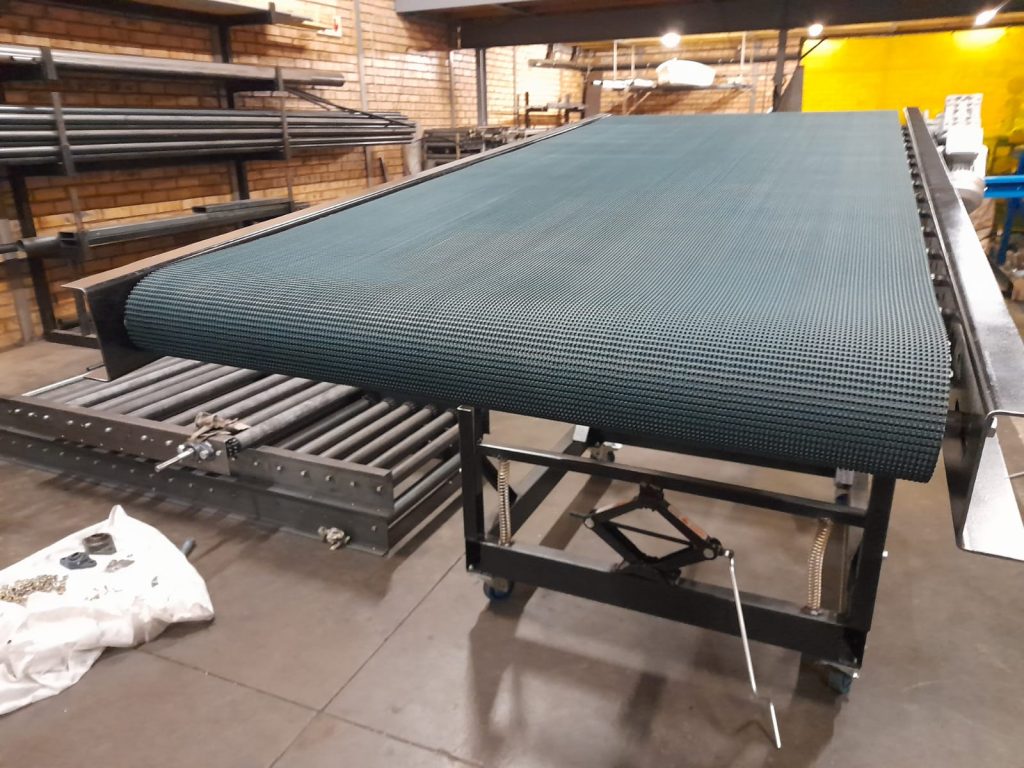
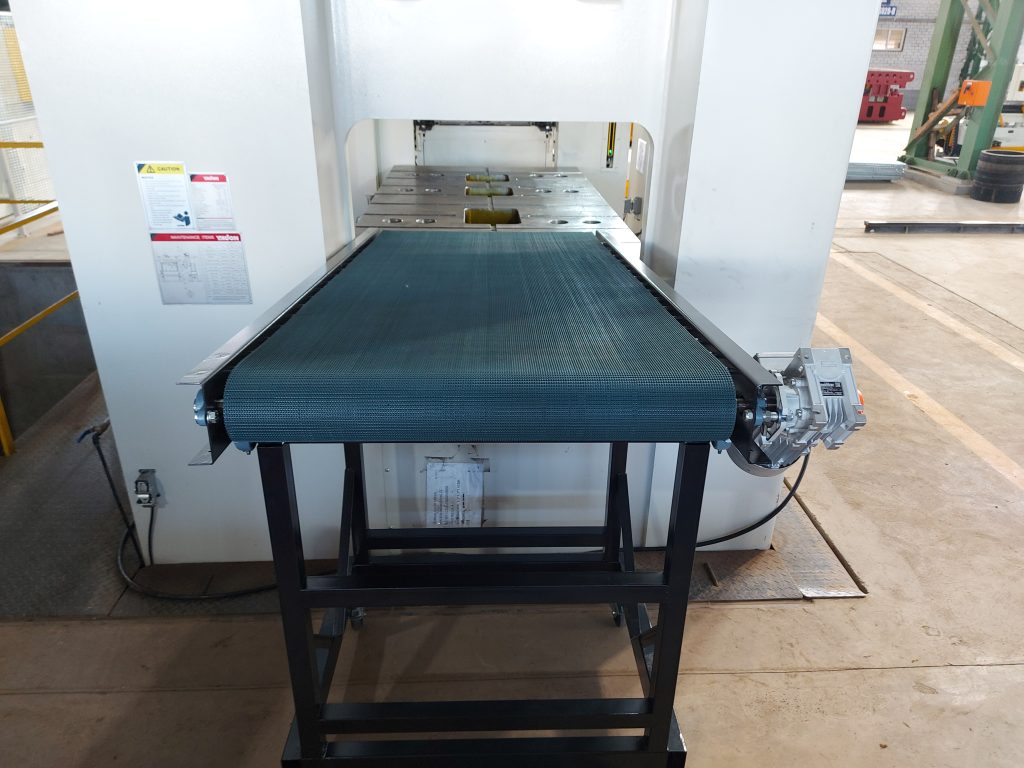
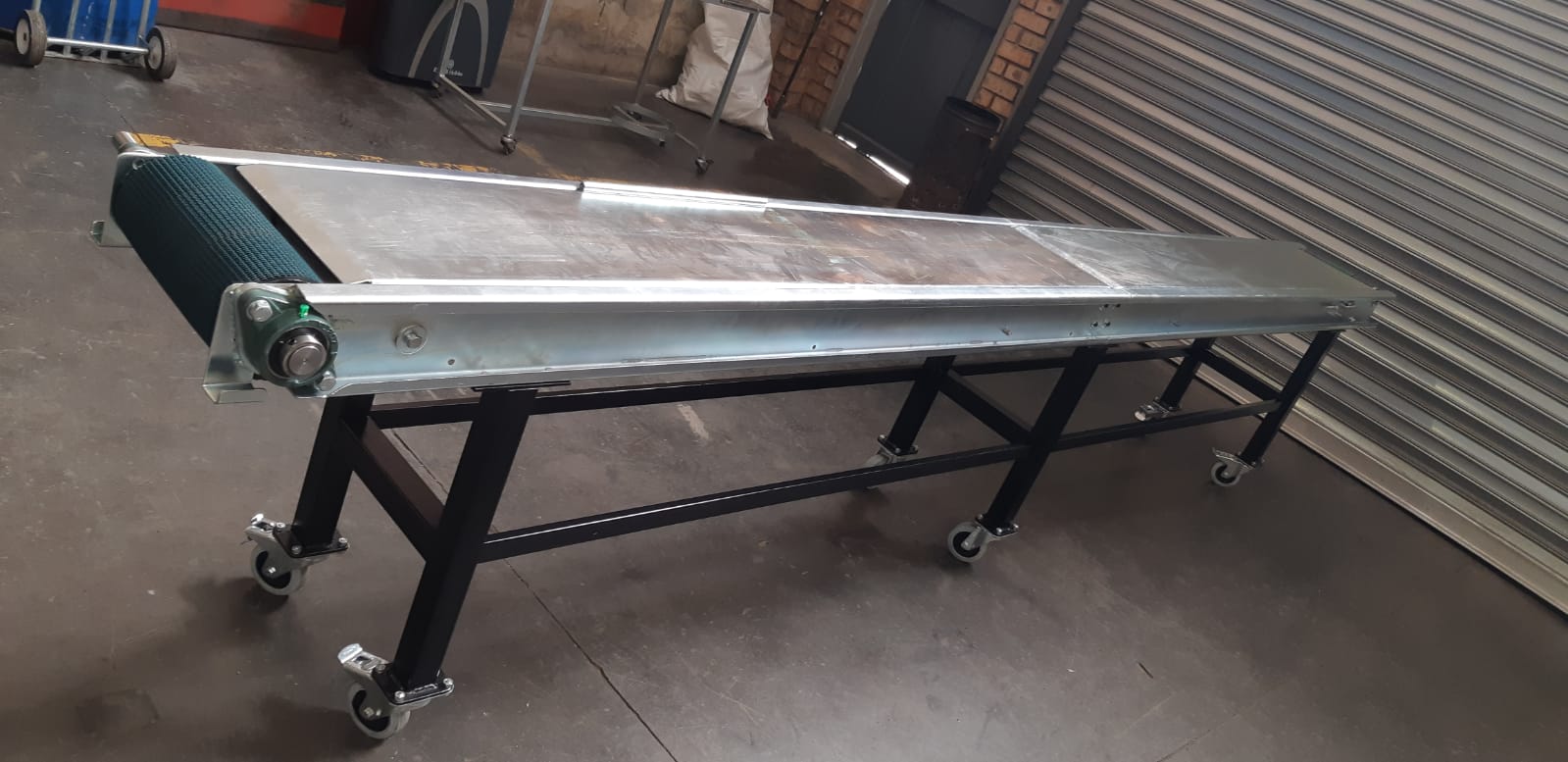
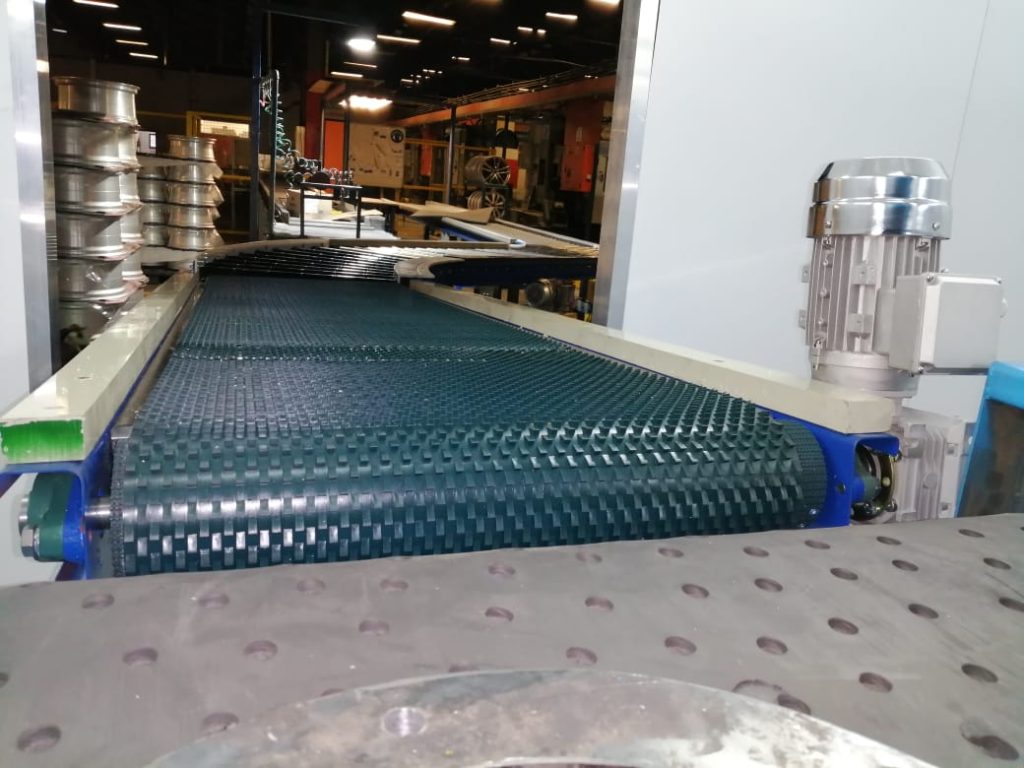
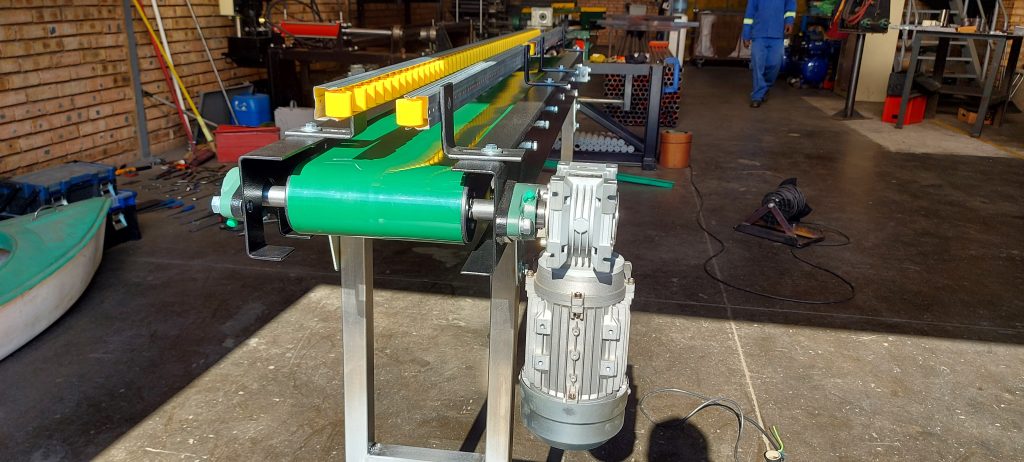
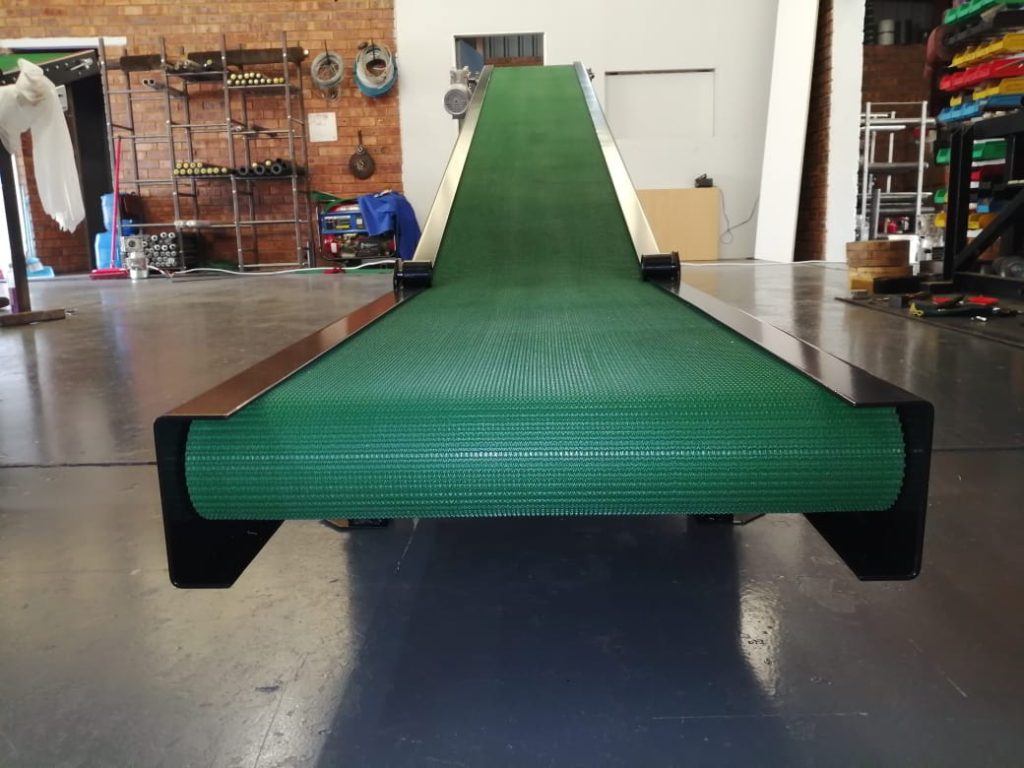
When planning a belt system, avoid the trap of focusing on only one metric (usually speed). A reliable solution considers product stability, transfer quality, and maintenance rhythm. Good custom conveyor manufacturing aligns the conveyor to your workflow, not the other way around.
For many non-mining industries, belt conveyors also sit close to people. That means safety and ergonomics are part of design, not “extras.” The Conveyor Supplies Africa gallery helps you spot layouts that make daily work easier and safer.
Driven roller conveyors are featured in the Conveyor Supplies Africa gallery because unit loads dominate modern distribution and packing workflows. Cartons, totes, crates, and packaged goods benefit from controlled movement, reliable accumulation, and predictable stop/start behaviour. Where belts are ideal for continuous surfaces, rollers excel at unit-handling lanes and controlled zones.
Reliability comes down to decisions that sound boring but matter: roller spacing, shaft sizing, bearing selection, frame stiffness, and a drive approach suited to duty cycle. These decisions influence what you keep on hand as conveyor spares, how quickly maintenance can recover, and whether the system becomes a bottleneck during peak operation.
roller conveyors provides definitions. The images below show real build outcomes and practical finishes used in warehousing, logistics, and packing environments.
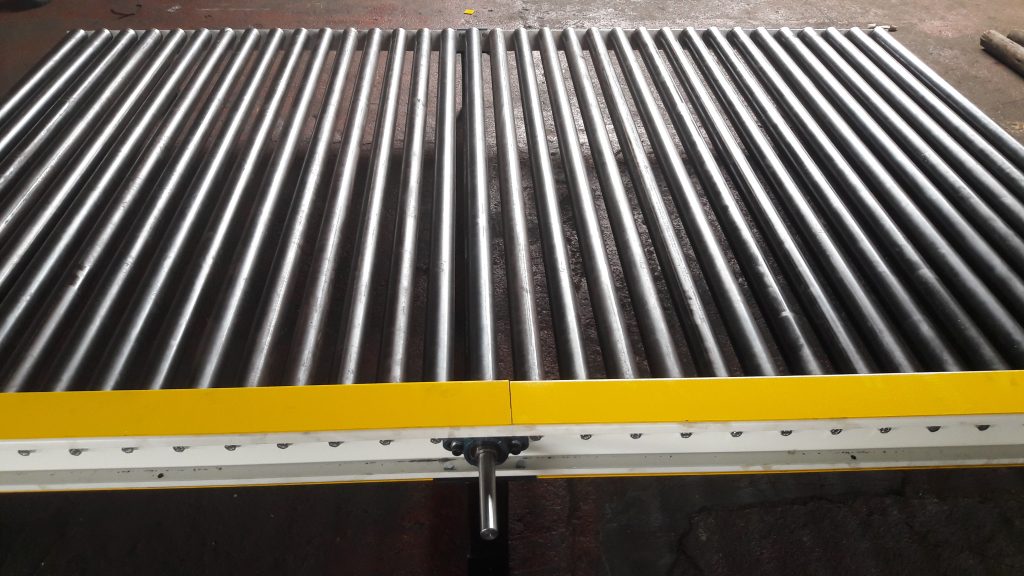
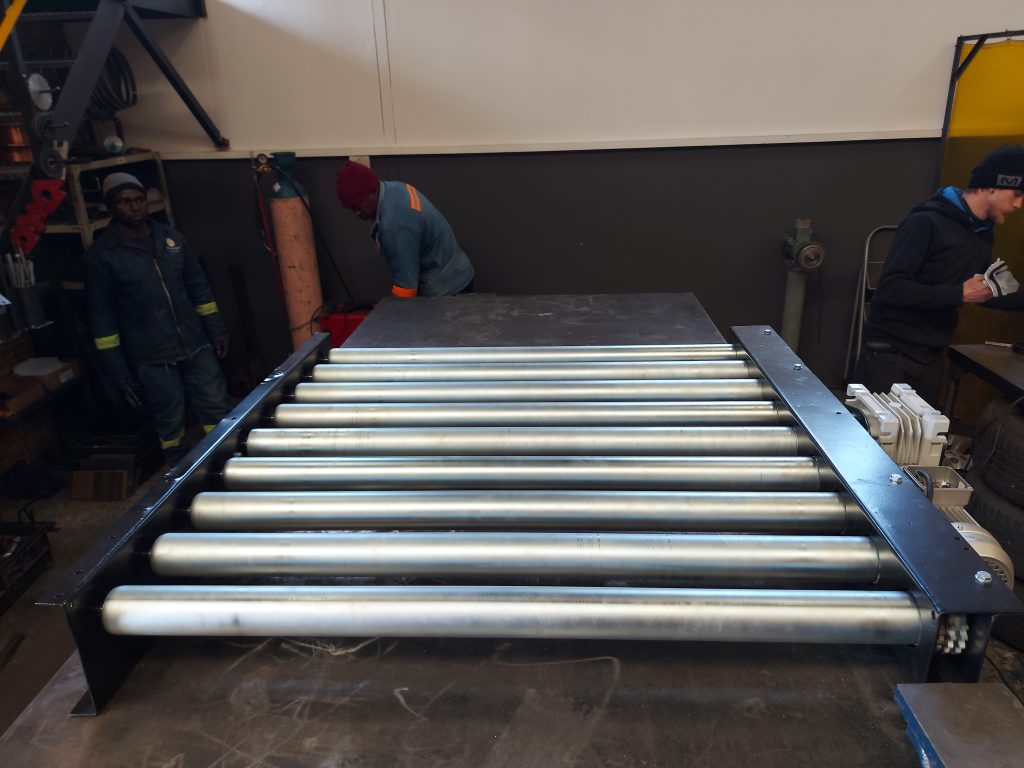
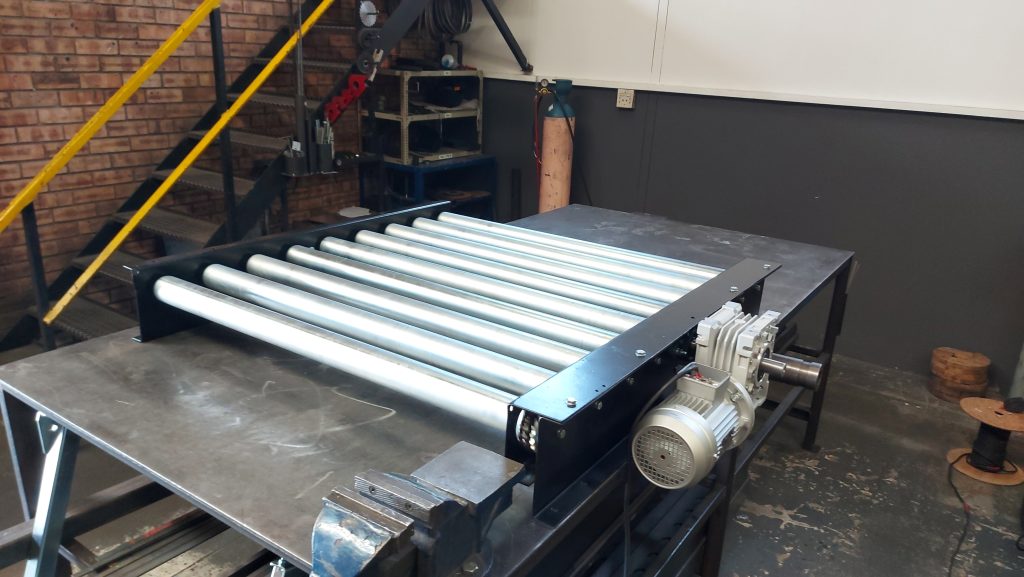
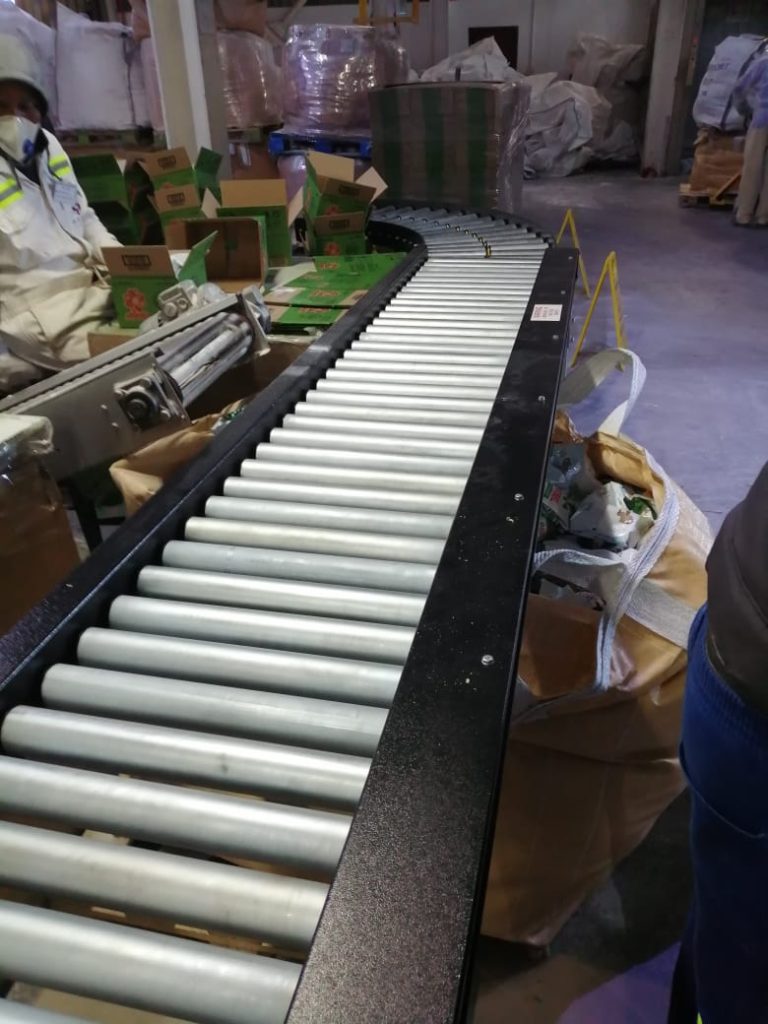
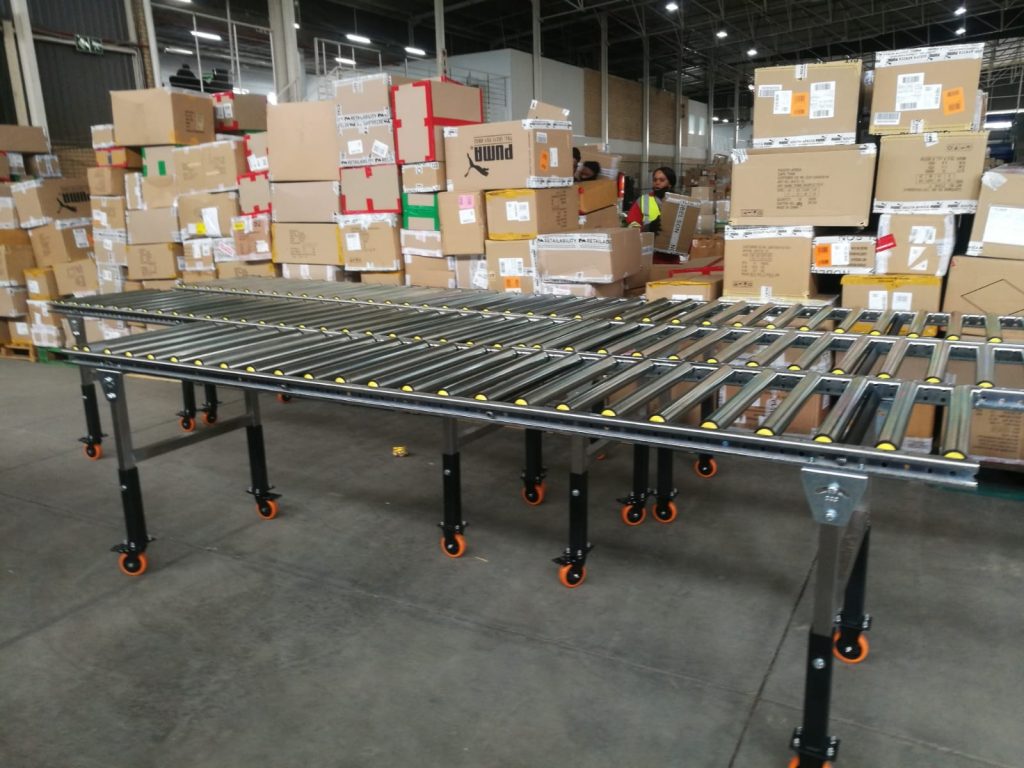
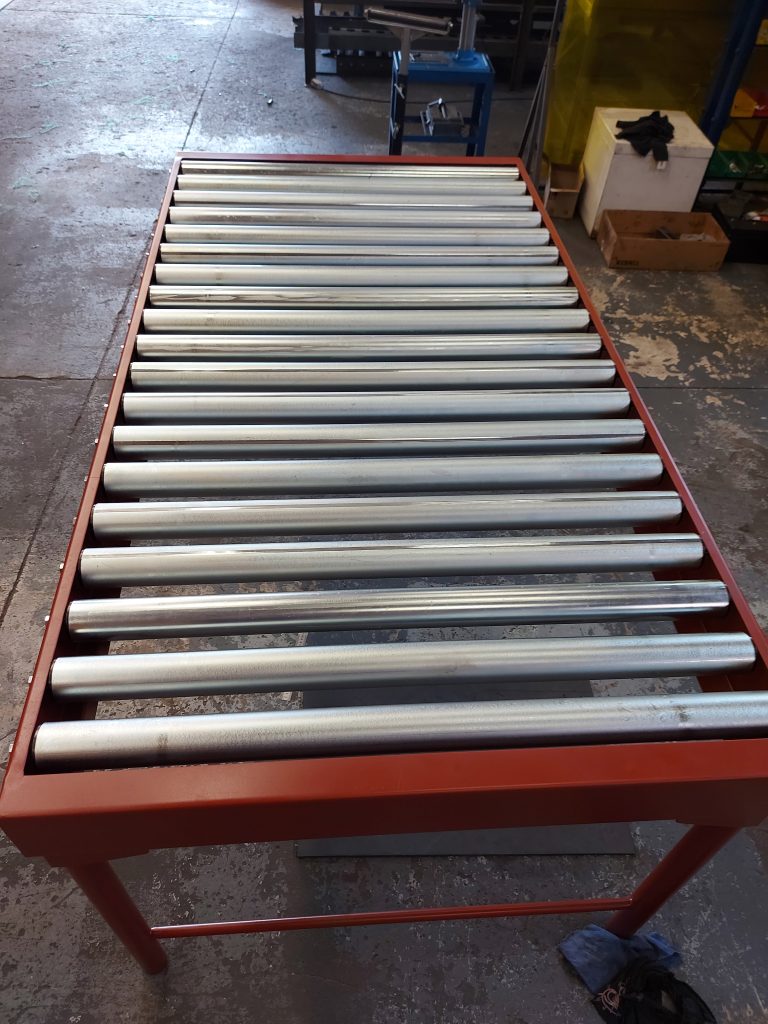
Driven rollers are a smart choice when you need consistent, controlled zones: accumulation before packing stations, release control into scanning points, or buffer lanes ahead of dispatch. In many non-mining industries, these zones become the “heartbeat” of the operation, and reliability matters more than perfect aesthetics.
Good rollers also reduce noise, improve movement feel, and help operators work safely around the line. The Conveyor Supplies Africa gallery provides visual references you can use during scoping discussions.
gravity conveyors appear in the Conveyor Supplies Africa gallery where simplicity wins. Gravity lanes are low-maintenance, cost-effective, and ideal for staging, picking, and dispatch preparation. In many operations, gravity is the “quiet helper” that reduces complexity while still improving flow.
Simple does not mean unplanned. The right pitch, guidance, end stops, and roller selection determine how well gravity lanes perform. Too shallow and cartons stall. Too steep and your lane becomes a collision sport. This is why gravity designs deserve proper planning and consistent conveyor rollers selection.
gravity conveyors explains the concept. The builds below show practical finishes suited to daily work in warehousing and logistics.
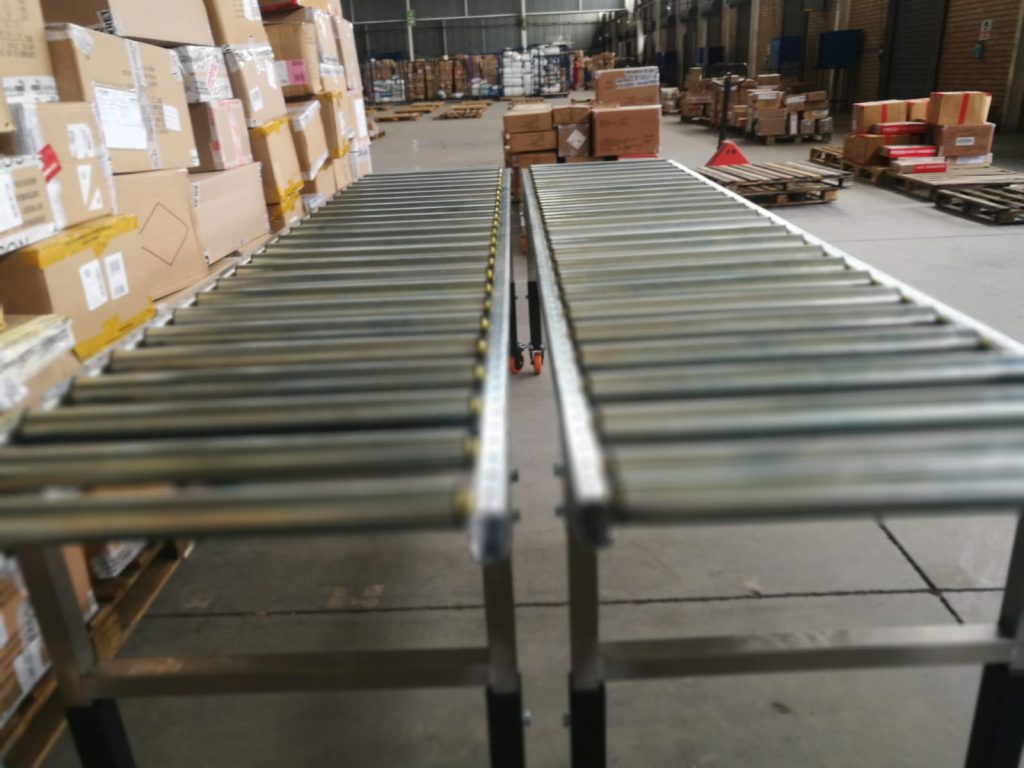
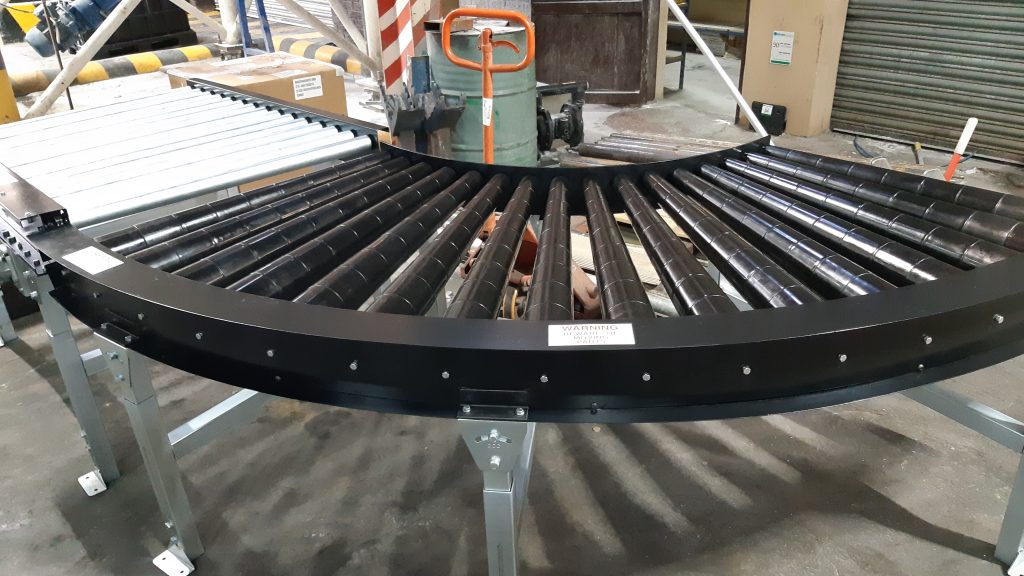
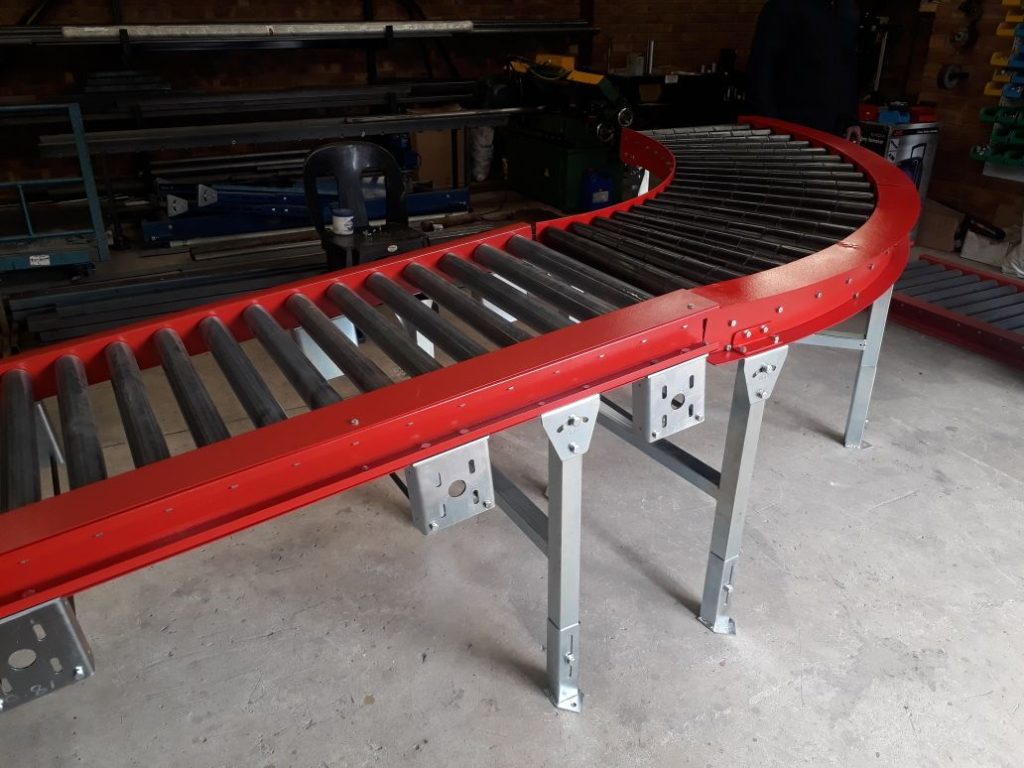
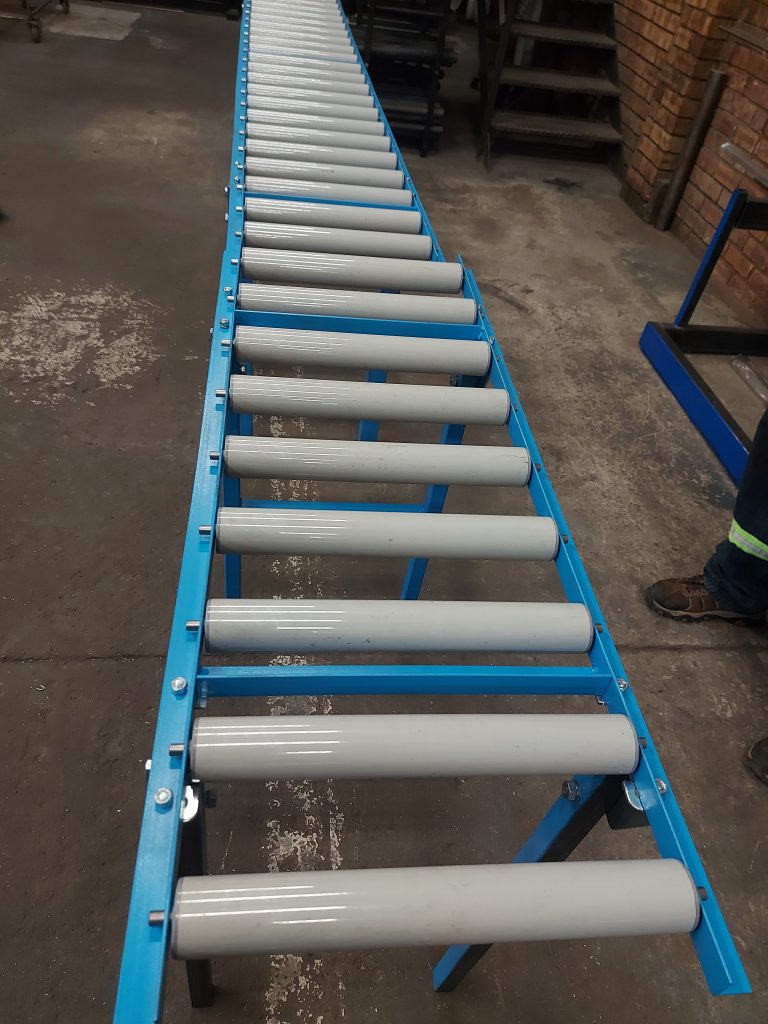
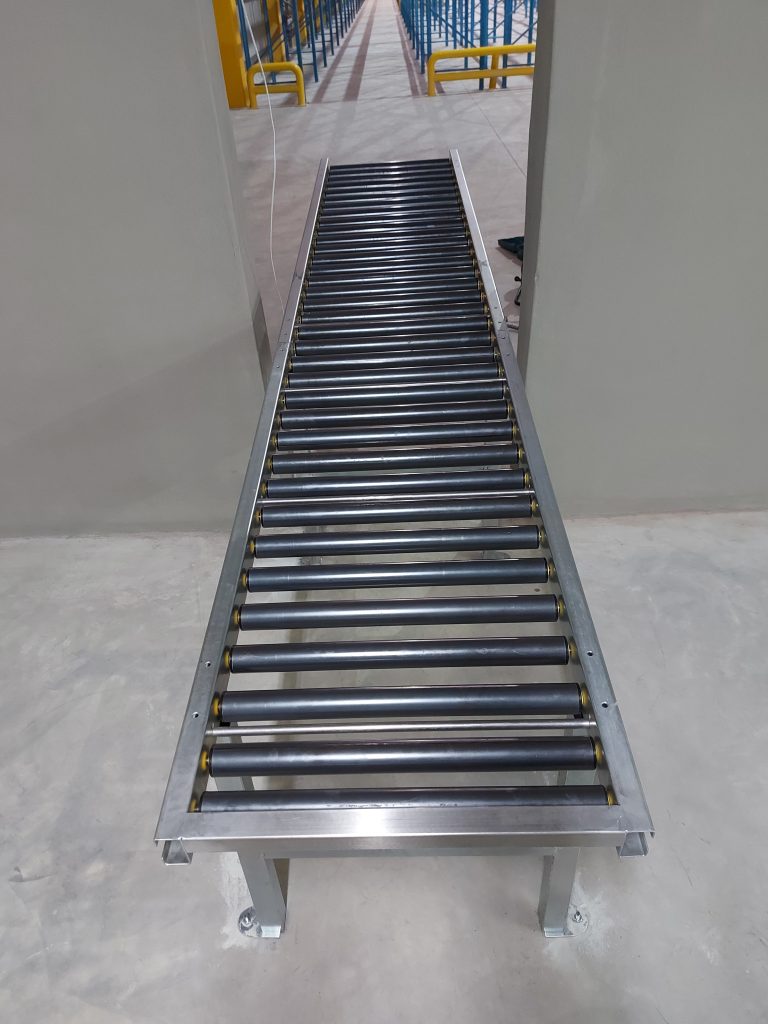
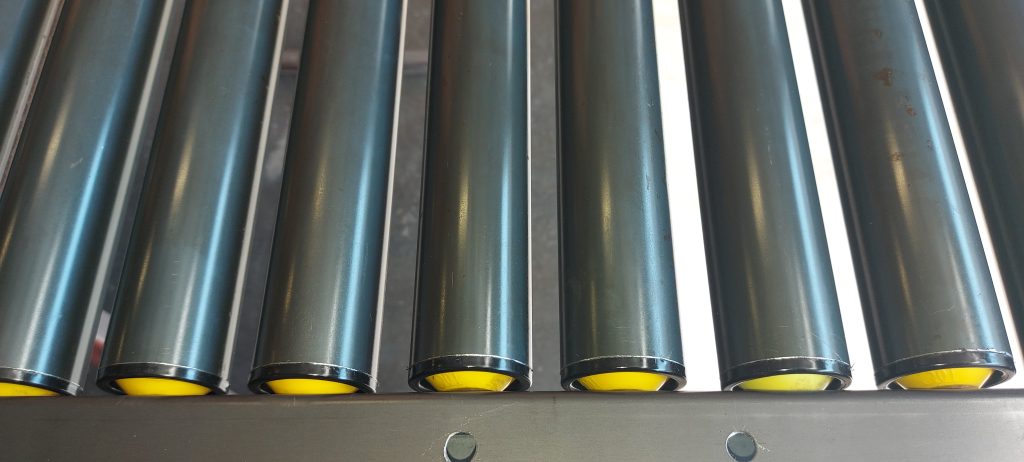
A gravity lane is only as good as its consistency. If your lane handles mixed carton sizes and irregular packaging, you may need tighter guidance, a different roller selection, or a hybrid solution. For reliable outcomes, gravity lanes should be planned with the same care as powered systems.
The Conveyor Supplies Africa gallery gives you a reference for lane styles that work well in real staging and dispatch environments.
In the Conveyor Supplies Africa gallery, modular belt conveyors appear where hygiene, washdown, or surface durability is a priority. Modular belts are often selected for environments with frequent cleaning routines, moisture exposure, or requirements for easier belt maintenance. In food & beverage and similar process-adjacent workflows, modular belts can be a practical choice.
Good modular builds still rely on disciplined design: stable frames, practical access, and the right supporting components. The benefit is not only cleanliness, it is also the ability to maintain the surface without excessive downtime. Where operations evolve over time, modular frames and routing options can be adapted and extended.
modular conveyor belts provides background. The examples below show practical implementations in real environments.
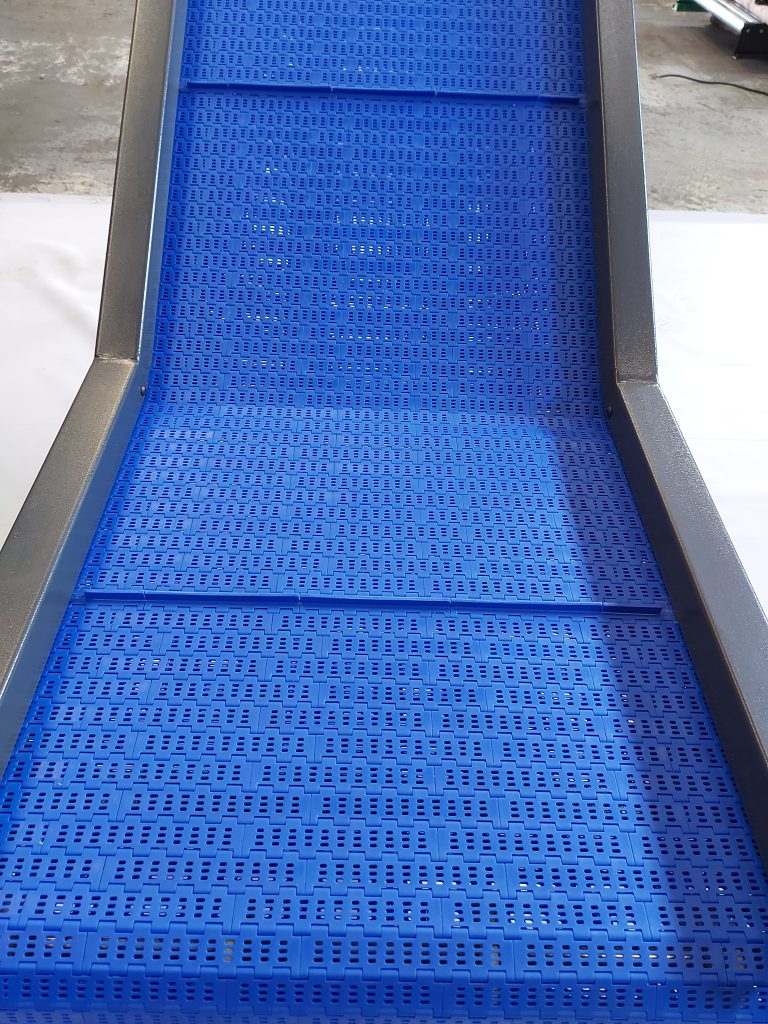
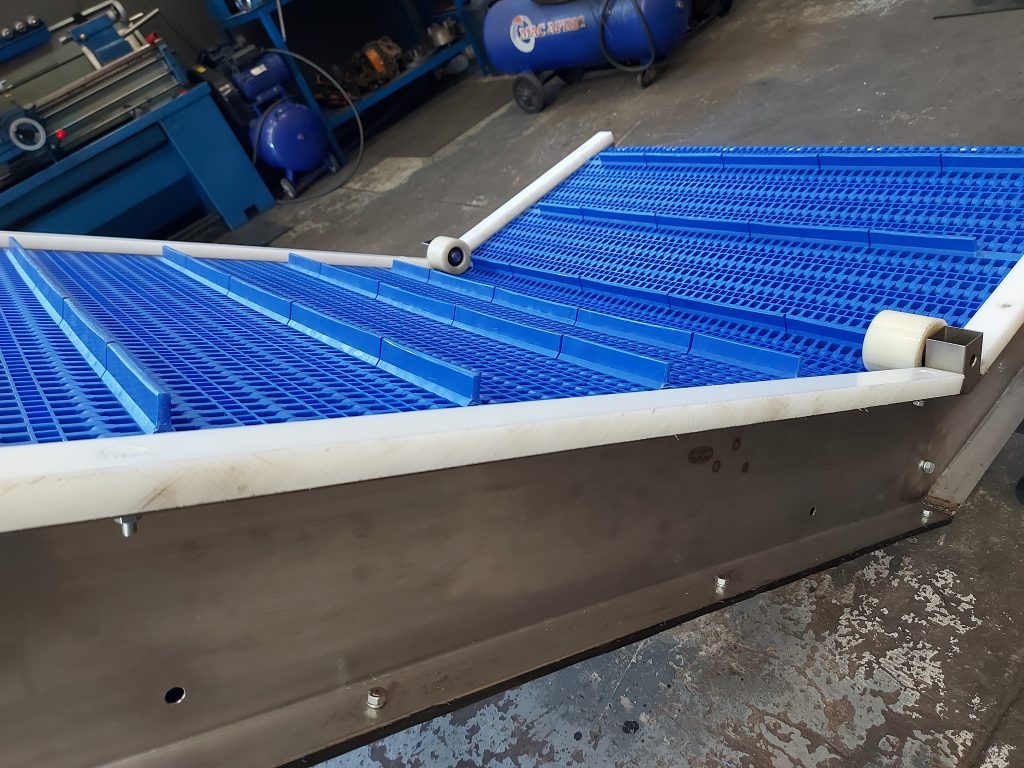
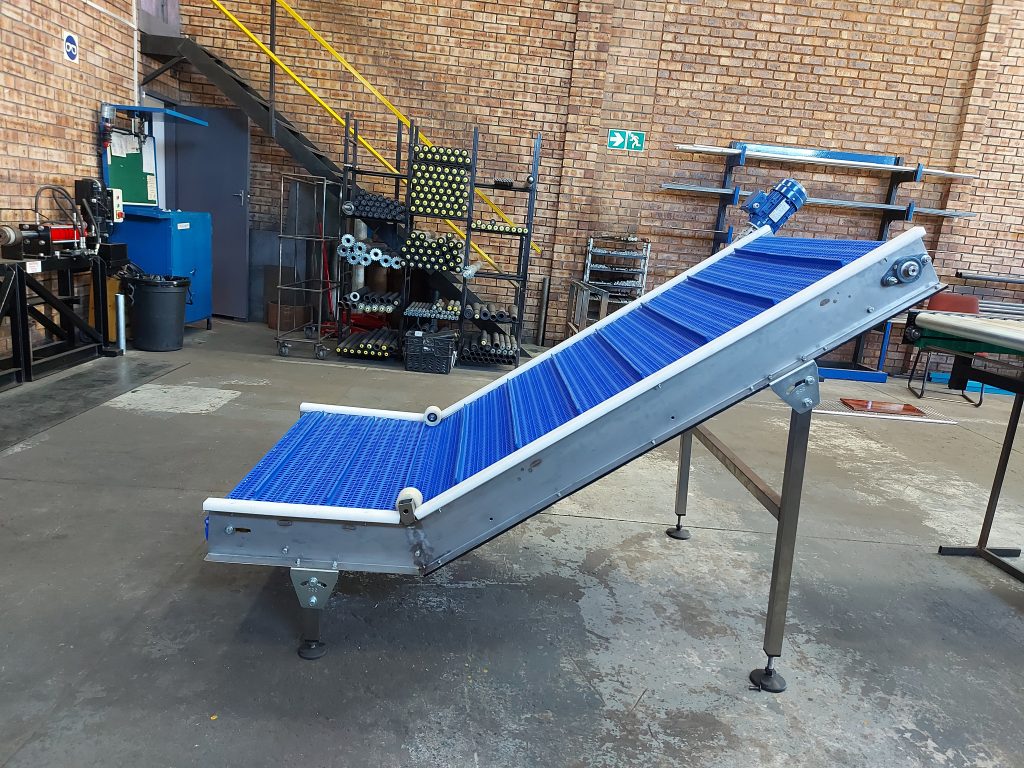
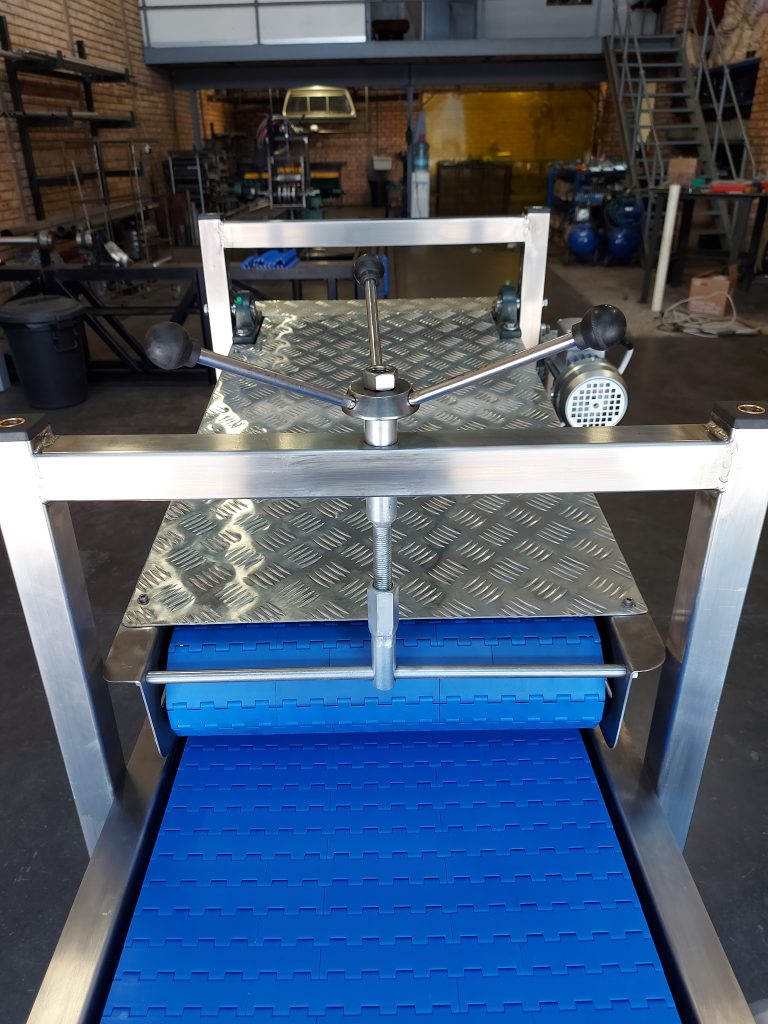
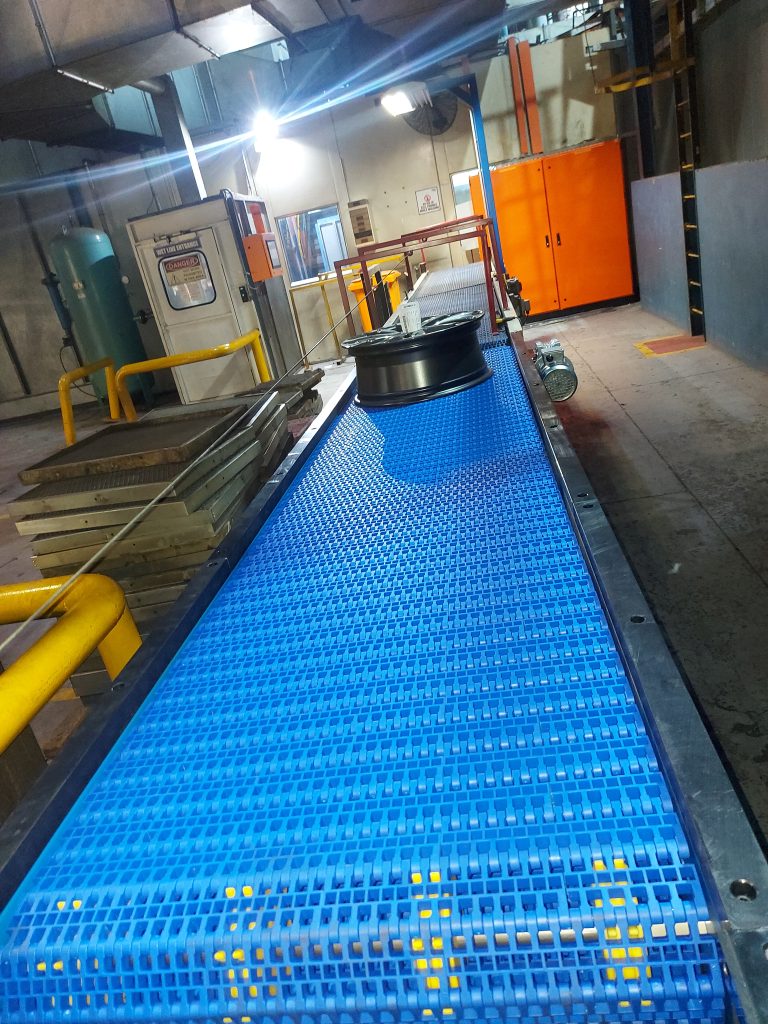
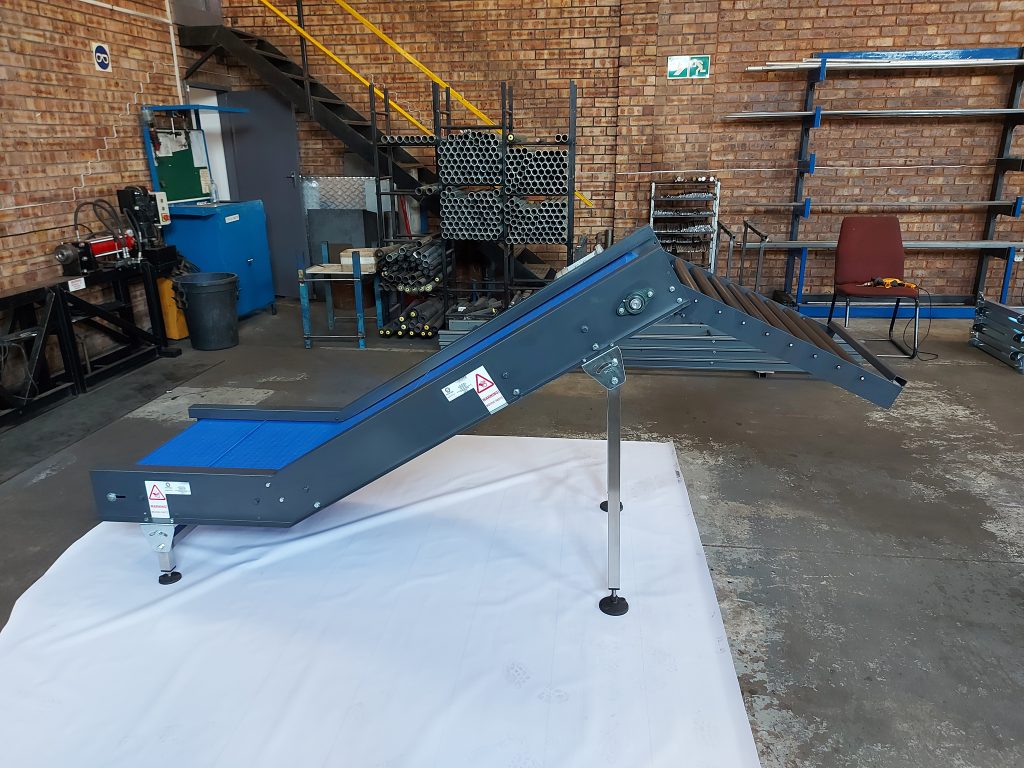
Modular belts are a smart option when hygiene and cleaning routines are central to operations, or where belt maintenance must be quick. The right solution depends on your product, your cleaning schedule, and the level of exposure to moisture. Strong custom manufacturing of conveyors and rollers considers these realities from the start.
The Conveyor Supplies Africa gallery helps you visualise these differences and scope correctly from the start.
telescopic conveyors are included because loading efficiency is one of the fastest ways to improve dispatch productivity. When teams carry product into vehicles manually, the cost shows up in time, fatigue, and inconsistent dispatch rates. In warehousing and logistics, small time savings compound quickly.
Telescopic designs reduce carrying distance and help teams load or unload faster and more consistently. That supports safer work environments and more predictable dispatch performance. conveyor systems provides an overview, but the value comes from correctly matching the solution to your dock and workflow.
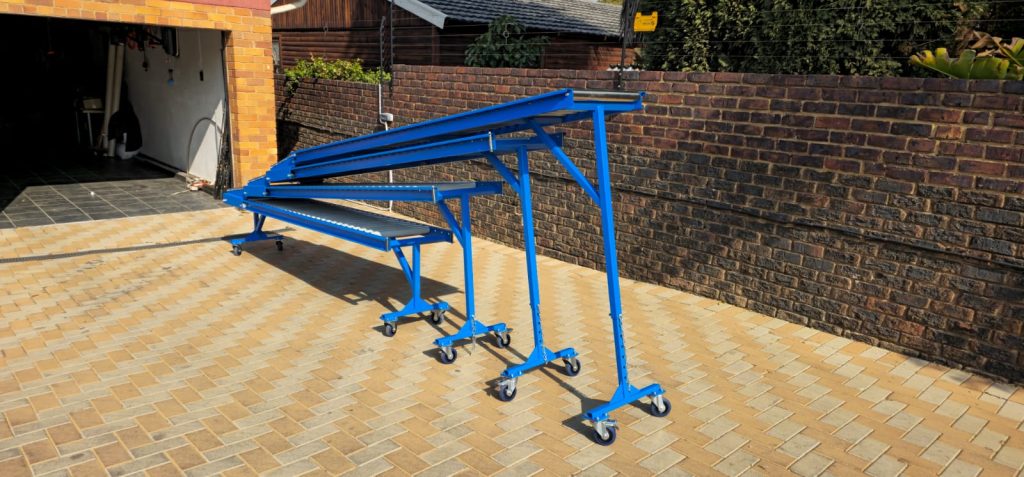
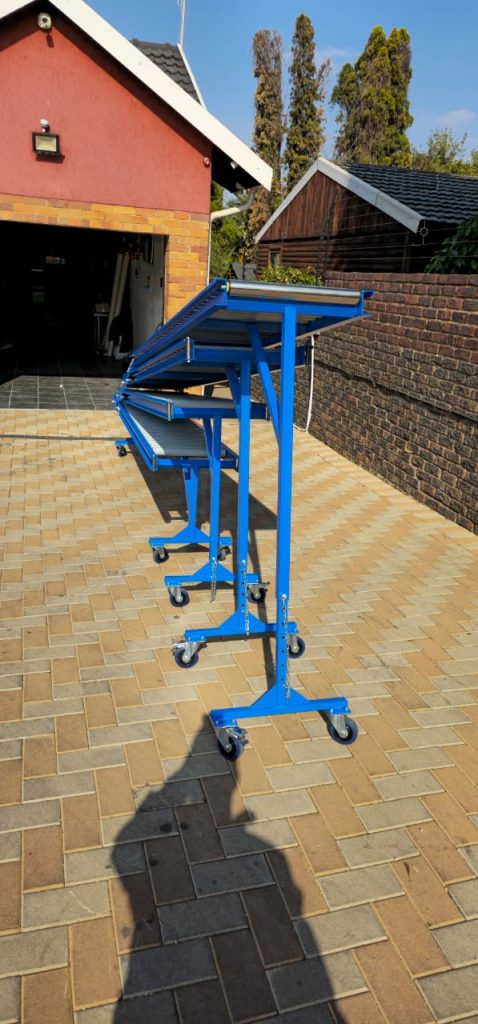
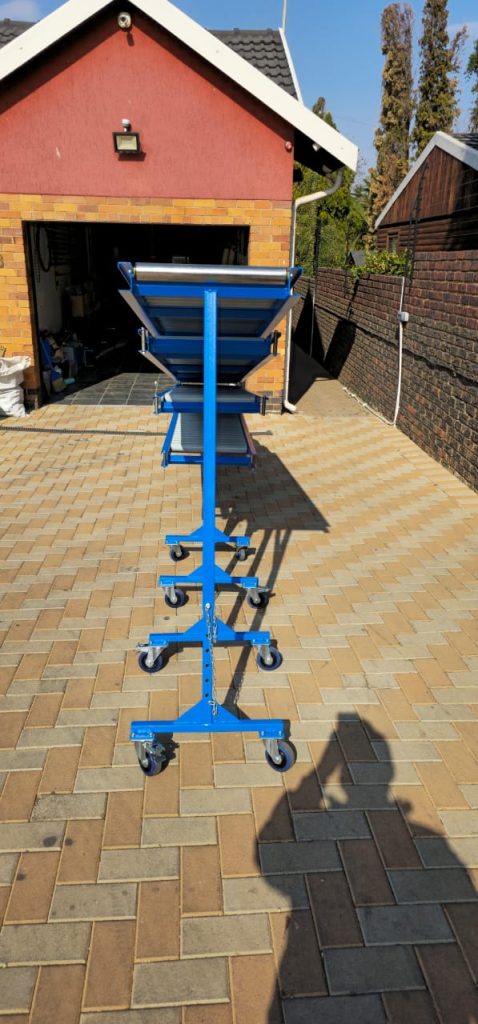
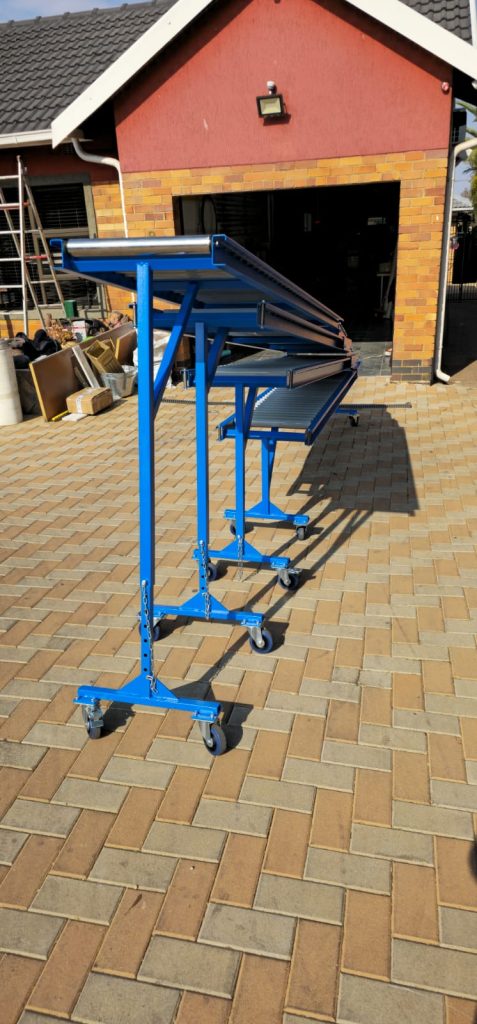
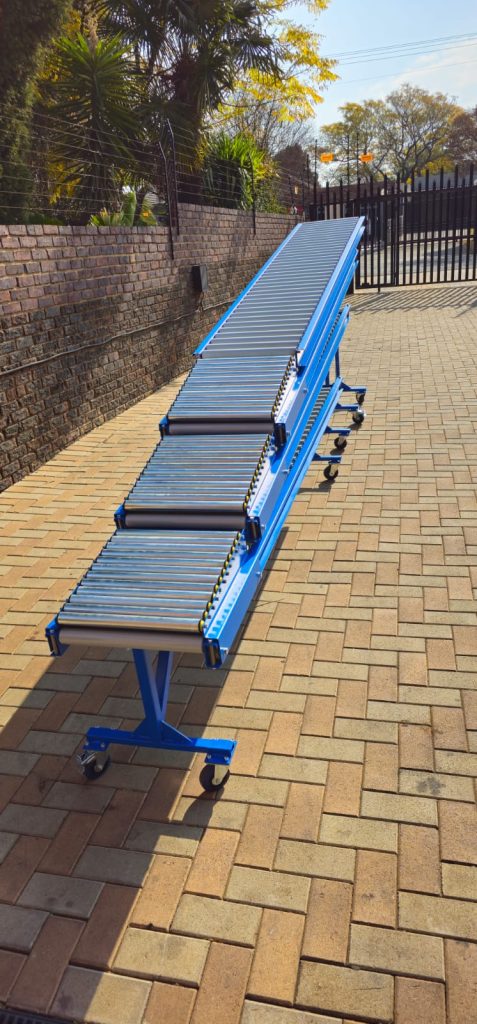
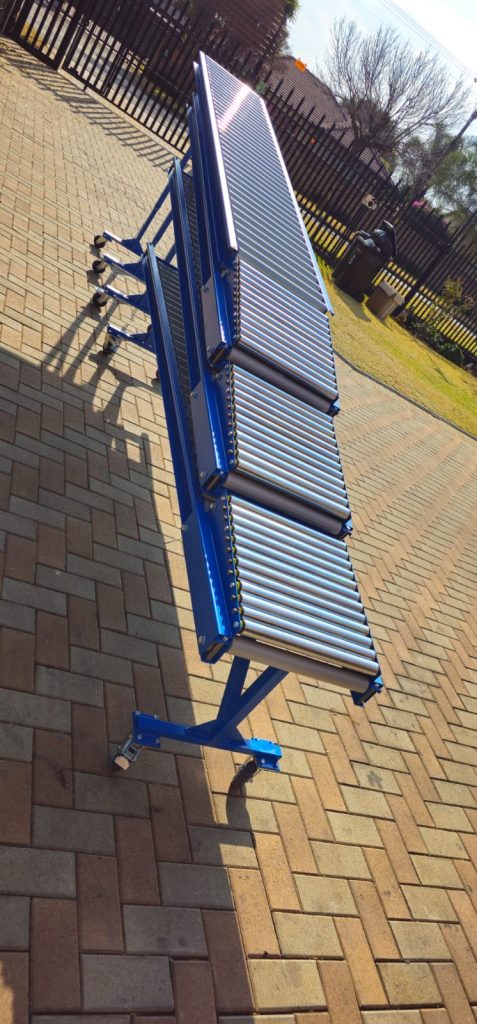
In dispatch environments, efficiency is not a single number. It is the combined effect of loading time, congestion, operator strain, and how quickly vehicles can be turned around. A well-designed telescopic solution improves consistency and reduces handling effort.
The Conveyor Supplies Africa gallery includes projects where conveyor rollers are the core workhorse. Rollers carry the load, absorb daily wear, and directly influence smooth movement through zones. Selecting the right rollers is not just diameter. It is bearings, shaft strength, finish, and suitability for the environment.
Many unit-handling issues come down to roller selection and maintenance planning. We support clients with robust conveyor components, practical replacement guidance, and standardisation strategies so sites can stock the right conveyor parts and conveyor spares without overbuying.
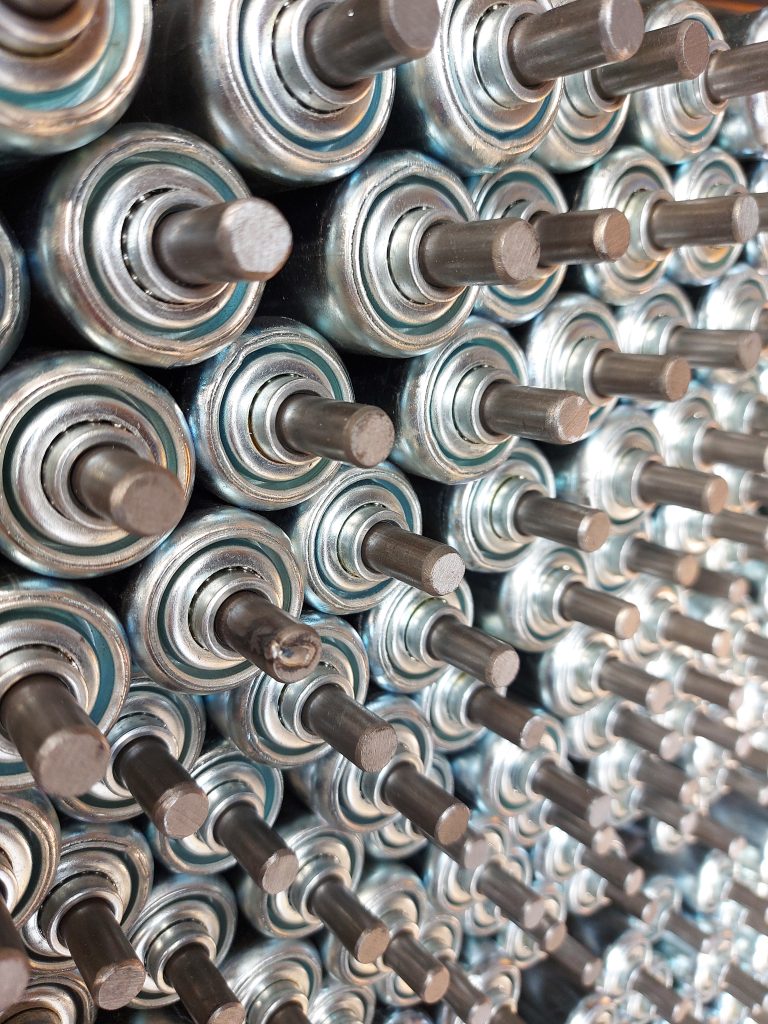
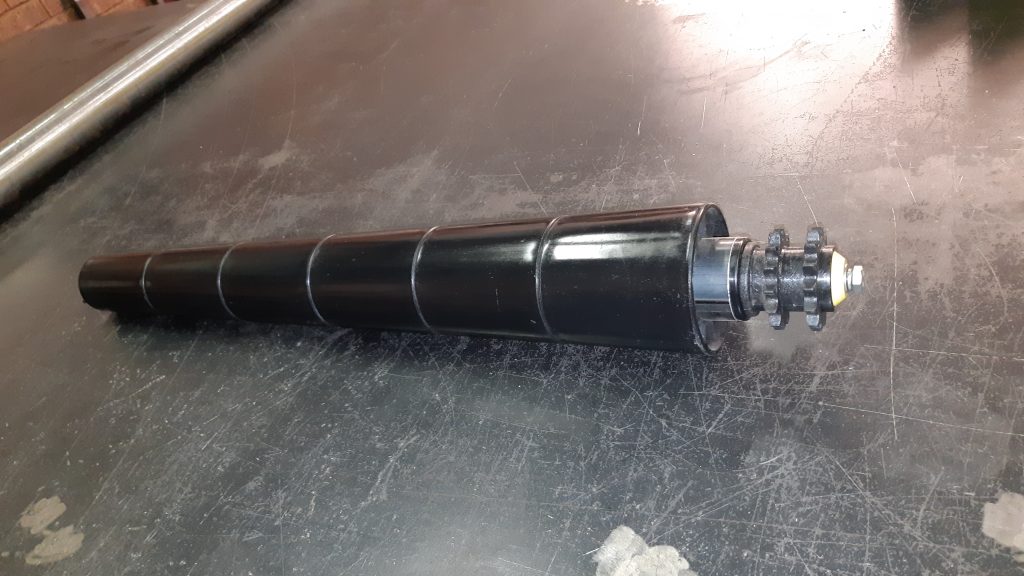
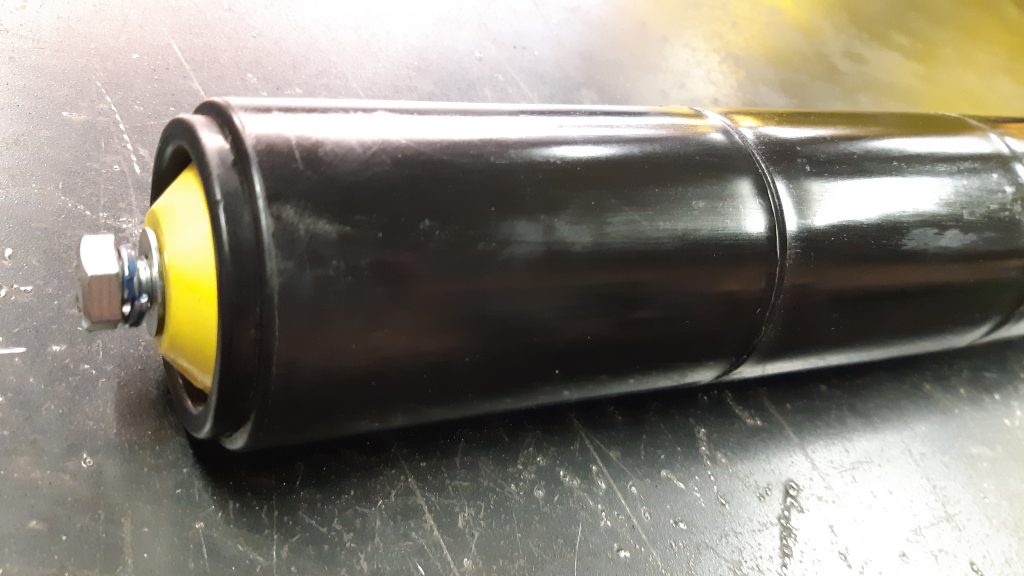
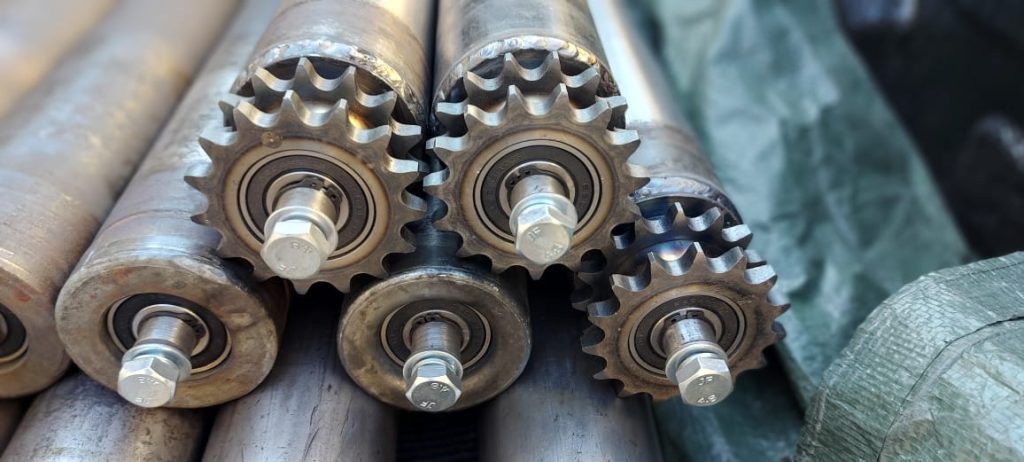
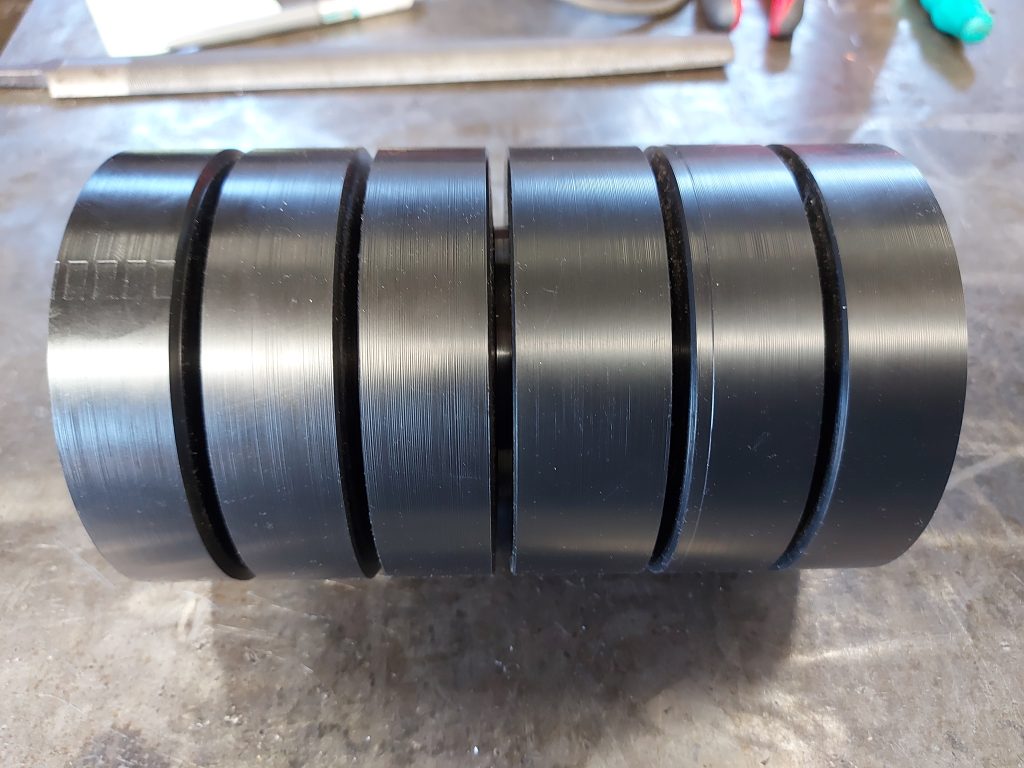
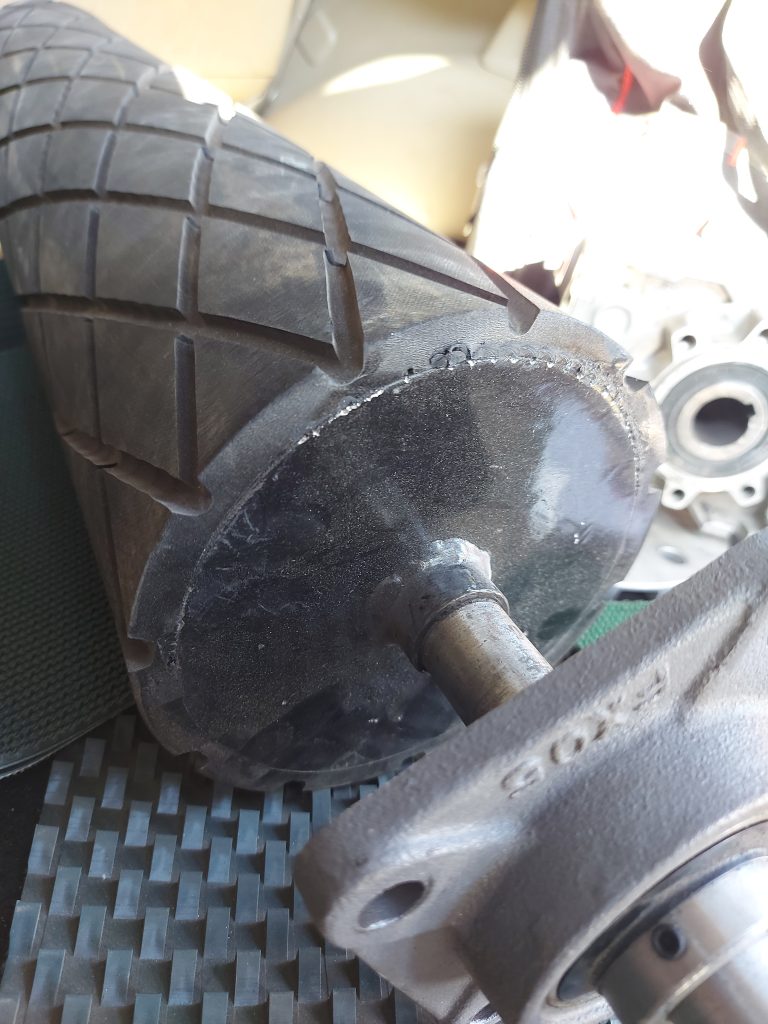
A good roller selection strategy improves uptime and reduces long-term cost. Standardisation allows sites to keep fewer unique spares while still supporting multiple lines. For fast recovery, spares should be chosen around the most common wear points and most time-sensitive failure modes.
The Conveyor Supplies Africa gallery supports one outcome: confidence in supplier capability. When you invest in custom conveyor manufacturing, you want proof that your supplier understands installation constraints, component reliability, and serviceability. We design and deliver industrial conveyor solutions that support throughput, reduce unnecessary manual handling, and improve day-to-day flow.
Across non-mining industries, conveyors interact with people, forklifts, packaging stations, scanners, pallet jacks, and real safety realities. That is why our builds prioritise stable structures, practical layouts, and component choices that maintenance teams can support.
Our projects support multiple non-mining industries, including:
Each environment has constraints: washdown needs, temperature changes, peak volumes, floor layout limitations, and staffing realities. Strong design fits these conditions rather than forcing the site to match a rigid catalogue.
Consistent project outcomes require a consistent process:
We focus on details that deliver predictable performance in real operating conditions:
Better conveyors deliver fewer bottlenecks, smoother flow, and reduced downtime.
We support businesses across South Africa and the wider region with design, supply, and project delivery for industrial conveyor solutions. Whether your operation is large or small, we align technical requirements to commercial realities and provide consistent support.
Teams choose us because we focus on what makes conveyors succeed long-term: stable design, practical serviceability, and support that continues after commissioning.
We design conveyor systems around access, alignment, and predictable wear. That means clearer planning for conveyor spares and fewer surprises in daily operations.
Everything we do supports non-mining industries like manufacturing, warehousing, logistics, packaging, food & beverage, pharmaceutical, and agricultural.
Standardising conveyor components and conveyor parts reduces downtime and simplifies maintenance across multiple lines.
We align design, fabrication, installation, and support into a workflow that keeps projects on track and outcomes consistent.
We support custom manufacturing of conveyors and rollers because real sites rarely match catalogue assumptions. Your footprint, product, shift patterns, and safety requirements shape the right design. That is the difference between a conveyor that works “in theory” and a conveyor that works reliably every day.
Our custom conveyor manufacturing includes layout-fit frames, duty-matched drive selections, and component choices designed for stability. This includes purpose-built belt conveyors, unit-load roller conveyors, low-maintenance gravity conveyors, hygiene-focused modular belt conveyors, and dispatch-ready telescopic conveyors, supported by robust conveyor rollers and standardised spares strategies.
conveyor systems provides context. For your project, we translate workflow needs into engineered, supportable builds.
We serve customers across Africa with design, supply, and project delivery for industrial conveyor solutions in non-mining industries.
We support non-mining industries where reliability, safety, and repeatable flow matter.
Direct answers for planning conveyor systems in non-mining industries.
The Conveyor Supplies Africa gallery includes examples of belt conveyors, roller conveyors, gravity conveyors, modular belt conveyors, telescopic conveyors, and conveyor rollers built for non-mining industries.
Yes. We provide custom manufacturing of conveyors and rollers based on layout, product, duty cycle, and service conditions. This includes custom conveyor manufacturing aligned to your workflow.
Yes. We supply conveyor parts, recommend component standardisation where appropriate, and support conveyor spares planning to reduce downtime and improve maintenance consistency.
We support non-mining industries including manufacturing, warehousing, logistics, packaging, food & beverage, pharmaceutical, and agricultural operations.
We serve customers across Africa, including Angola, Botswana, DRC, Ethiopia, Kenya, Malawi, Mozambique, Namibia, Nigeria, Tanzania, Zambia, and Zimbabwe.
Use the “Request a Quote” link to contact our team. Share product details, throughput needs, footprint, and constraints. If you reference a similar build from the Conveyor Supplies Africa gallery, it speeds up scoping.
If the Conveyor Supplies Africa gallery reflects the kind of quality and practicality you want on your floor, we can scope your next project. We deliver custom conveyor manufacturing, supply conveyor parts, support conveyor spares planning, and provide dependable advice on the right conveyor systems for your operation.
The goal is not a conveyor that looks good for a photo. The goal is a conveyor that performs reliably on a Tuesday afternoon when everyone is tired and the orders still are not finished.
