Generic selectors
Exact matches only
Search in title
Search in content
Post Type Selectors
Packaging Industry Conveyors

Packaging conveyor systems built for speed, accuracy & throughput

Conveyor Supplies Africa designs and supplies packaging conveyor systems for carton handling, case packing, labeling, accumulation conveyors, checkweighing and end-of-line dispatch. If you need complete conveyor systems for packaging plants or upgraded conveyor belting for packaging lines, we build solutions that keep production moving and downtime low.

Carton & Case Conveyors Accumulation & Buffer Zones Warehouse Dispatch Lines Custom Packaging Line Layouts

Packaging compliance and traceability matter. Many packaging operations align barcode and label processes with identification standards and continuous improvement frameworks. Useful references include barcode basics and ISO 9001 quality management.

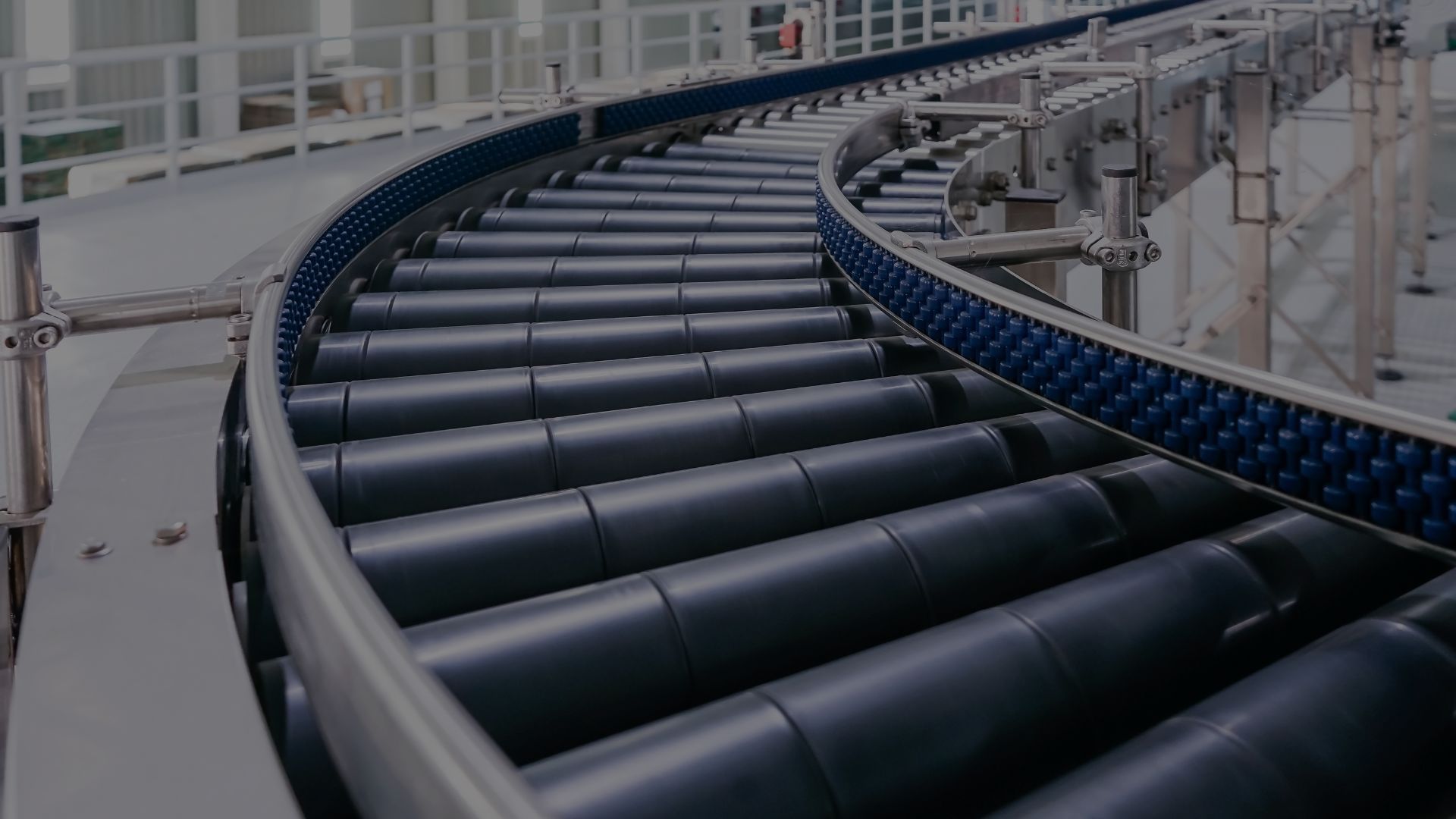
Packaging conveyor systems moving cartons through an automated facility

Packaging conveyor systems and solutions we supply

Built for packaging lines where consistent product flow, line balancing, and overall equipment effectiveness matter. If you’re upgrading an existing line, start with packaging conveyor parts and spares or replace worn components with industrial conveyor rollers for packaging.

Carton & Case Conveyors

Reliable carton handling conveyors and case conveyor systems feeding sealers, packers and palletising stations. Pair with gravity and powered rollers for staging lanes. When cartons vary in size, we design guides and transfer points to reduce skew, edge catching, and repeated micro-stops.

Belt Conveyors for Packaging Lines

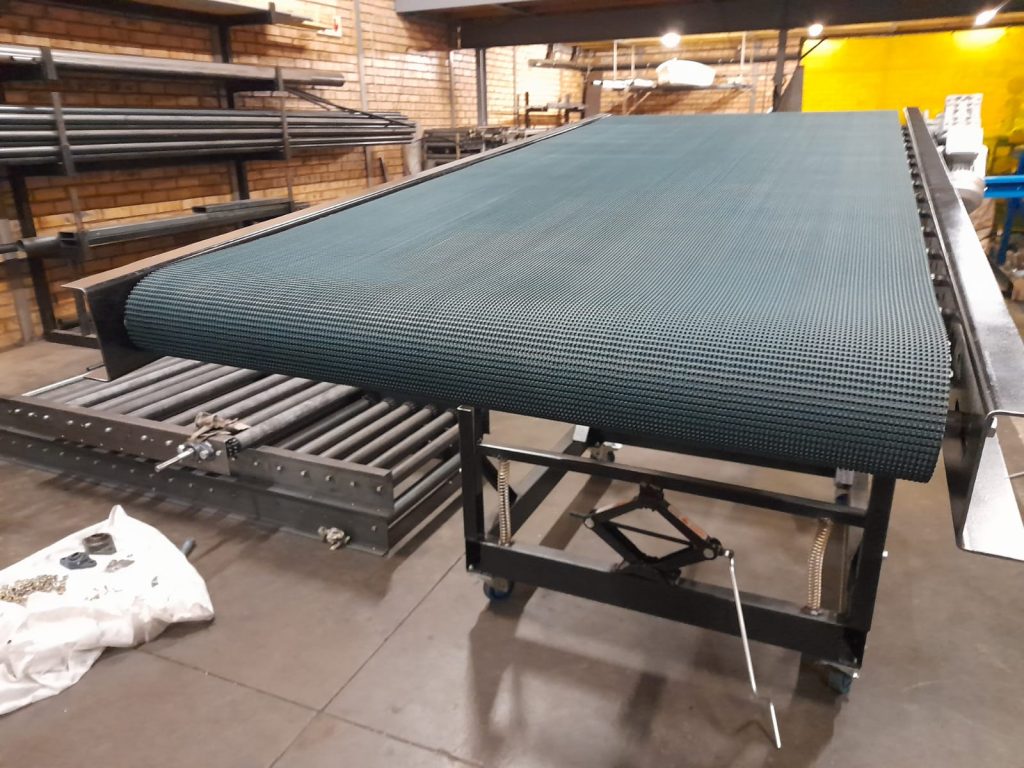
High-performance belt conveyors for packaging for stable transport between machines. We support PVC and PU conveyor belting upgrades too. Belt selection is driven by product base, surface friction, cleaning needs, and how you manage transfer points.

Roller Conveyors and Dispatch

roller conveyors for packaging warehouses including staging, accumulation and dispatch. See custom roller manufacturing. Roller pitch and duty rating matter more than most people want to admit, especially when you run mixed carton sizes.

Accumulation Conveyors

accumulation conveyors and buffer zones that protect uptime during changeovers, checkweighing and labeling stoppages. Done right, accumulation prevents upstream downtime from rippling through the entire line. Done badly, it causes compression damage and scuffing. We design around your product sensitivity and stop-start reality.

Transfers, Merges & Diverts

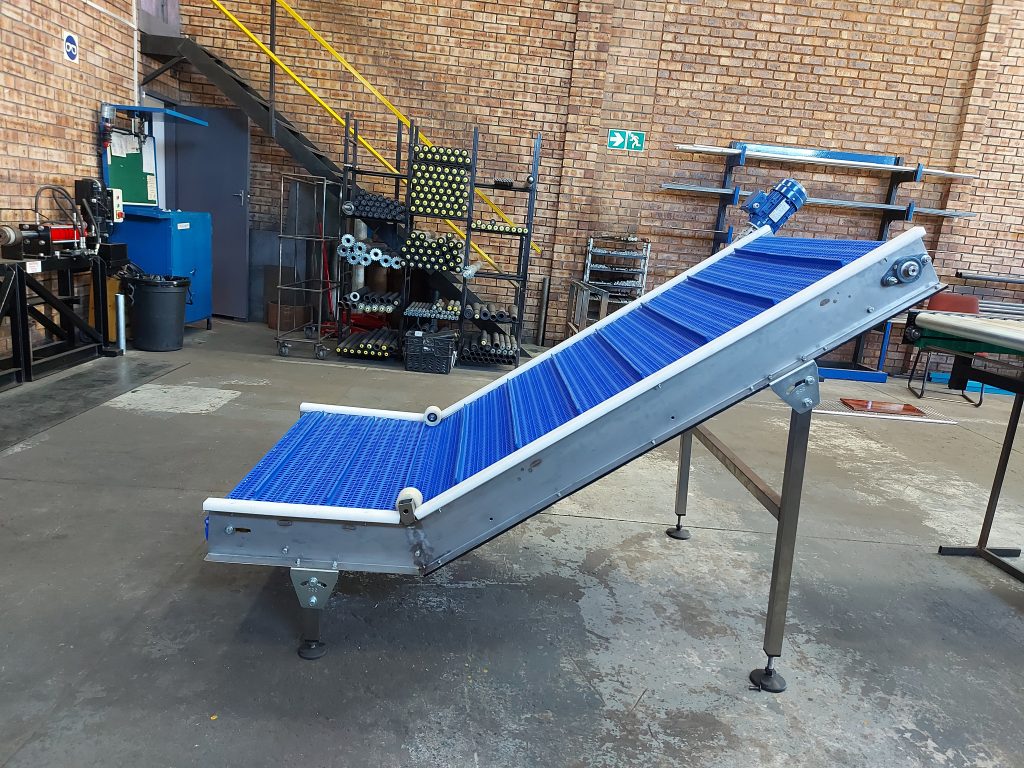
Packaging line transfers, merge points and guided transitions to keep cartons aligned. Integrates cleanly with modular conveyor systems. Transfers are where reliability is won or lost. We focus on smooth surfaces, sensible gaps, and controlled geometry to reduce jams.

End-of-Line Packaging

Conveying to palletising, stretch wrapping, and outbound staging. Built for high-throughput packaging lines and continuous duty cycles. End-of-line is where congestion becomes expensive fast, so we design for stable release, clear staging, and easy access for maintenance teams.

Packaging engineering references: packaging process overview and material handling.

Why packaging lines stall and how to prevent it

Packaging operations rarely lose throughput because equipment is “too slow”. They lose throughput because flow becomes unstable at the exact points where cartons change direction, change height, or enter a buffer zone. Those small interruptions repeat all day and quietly reduce output.

Most common causes of stoppages

  • Transfer geometry that creates snag points, edge catching, or inconsistent gaps
  • Misalignment at merges that forces cartons into guides and triggers rotation
  • Incorrect roller pitch that allows small cartons to dip, skew, or wedge
  • Uncontrolled accumulation that compresses cartons and creates unstable release
  • Maintenance access that makes inspections unrealistic during busy shifts

Prevention strategies that actually work

  • Design change points as reliability features, not afterthoughts
  • Stabilise the smallest product in your range and the rest becomes easier
  • Use a repeatable spares plan so downtime is measured in minutes, not days
  • Standardise components across similar lanes to simplify training and procurement
  • Prioritise clean access for inspections so checks happen consistently
Operational reality: If performance depends on one “expert” operator, the system is not stable. Good layouts make the correct outcome the easy outcome, even on busy shifts with mixed product and high dispatch pressure.

Packaging conveyor applications that drive real ROI

In packaging, the usual villains are stoppages, misalignment, damaged cartons, and end-of-line congestion. These packaging conveyor applications are where throughput gains are typically fastest. If you’re designing from scratch, start with custom conveyor system design and specify belts and rollers correctly from day one.

Common packaging line use cases

  • Carton handling conveyor systems feeding case erectors, packers, sealers and wrapping stations
  • Labeling and inspection conveyors for scanners, checkweighers and quality control zones
  • Accumulation and buffering conveyors to stabilise output and prevent upstream downtime
  • Warehouse packaging conveyors for sortation, staging lanes and order consolidation
  • End-of-line conveyors to palletising and dispatch areas (often paired with heavy-duty rollers)

Performance outcomes

  • Higher throughput from improved flow and fewer micro-stops
  • Reduced product damage via stable transfers and controlled accumulation
  • Lower downtime with correct spares strategy and maintenance-friendly layouts
  • Better traceability workflows aligned to barcode standards

Learn more about core components: conveyor belting for packaging plants, conveyor rollers for cartons and cases, and packaging conveyor spares.

Design and specification guidance for packaging environments

A good solution starts with a clean scope. The more accurate your inputs, the more predictable your performance. Below is a practical, buyer-friendly breakdown of what to confirm before you finalise layout or component selection.

Scope inputs that affect performance

  • Product range: smallest and largest carton size, weight range, base rigidity, centre of gravity
  • Throughput profile: average vs peak, shift pattern, changeovers, batch vs continuous flow
  • Change points: number of merges, diverts, transfers, elevation changes, and scanning/inspection zones
  • Environment: dust, cleaning routine, humidity, temperature variation, and required housekeeping access
  • Maintenance reality: what inspections are realistic and how quickly parts can be replaced

Selection rules that prevent expensive mistakes

  • Stabilise your smallest carton first, then validate the rest of the range
  • Design transfers to be smooth and predictable, especially where product orientation matters
  • Use rollers and belts that match duty cycle, not best-case assumptions
  • Plan spares around the lanes that stop production first, not generic catalog lists
  • Prioritise access and serviceability so inspections happen during real shifts

Reference pages that support planning and procurement: conveyor rollers, conveyor belting, parts and spares, and complete conveyor systems.

Quick clarity: “fast” does not equal “high throughput.” Throughput comes from stable flow, clean transfers, predictable release, and quick recovery when minor issues occur.

Integration with automation and packaging machinery

Packaging lines often include case erectors, packers, sealers, label applicators, scanners, checkweighers, metal detection, palletising, and stretch wrapping. The conveyor layout has one job: present product reliably to each machine, then receive it without causing backlog. When the layout is predictable, sensors and controls behave better, staff intervene less, and throughput becomes stable.

Common integration points

  • Infeed presentation: consistent spacing, stable carton orientation, and sensible approach angles
  • Inspection zones: predictable belt speed and controlled vibration for scanning accuracy
  • Reject lanes: safe diverts and rework paths that do not interrupt the primary flow
  • End-of-line staging: accumulation that protects upstream equipment during palletising pauses
  • Dispatch release: stable transfer to roller conveyors and loading lanes

Practical controls expectations

  • Simple speed coordination between zones, not complex “magic” automation
  • Clear sensor placement away from dust build-up and accidental knocks
  • Stops and starts designed into the process so cartons do not collide
  • Maintenance visibility: faults should be easy to understand for shift teams
  • Repeatable recovery: restart should not require expert-only intervention

For background concepts, see: automation, programmable logic controllers, and barcode readers.

Use-case scenarios: what “good” looks like in the real world

Every packaging operation is different, but problems repeat across sites. The scenarios below help you map your situation to a practical solution. They also help explain why certain upgrades deliver better ROI than simply increasing speed.

Scenario 1: carton skew at merges

If cartons rotate or drift at merges, the root cause is usually a mismatch between guiding, product stability, and the way flow enters the merge. The fix is often a combination of cleaner approach geometry, controlled transitions, and replacing worn guides or roller surfaces.

Scenario 2: compression damage in buffers

Buffer zones should absorb downtime, not create product damage. When cartons crush or scuff, accumulation needs better control. We focus on stable release, sensible pressure zones, and component selection that matches product sensitivity.

Scenario 3: end-of-line congestion

Congestion near palletising is common during shift changeovers and wrapper cycles. The practical answer is better staging, clear access for operators, and enough accumulation capacity to keep upstream machines running.

Simple ROI thinking: If a recurring issue stops the line several times per shift, improving that single point often beats any “full redesign.” Start with the biggest repeat failure, then work outward.

Supply coverage, project support, and related industry solutions

Conveyor Supplies Africa supports packaging operations across multiple sectors. Many plants overlap with warehousing, distribution, and general manufacturing. If you are building a consistent site structure for SEO, link this page into your broader navigation so users can move from industry context to components, systems, and services without friction.

  • Browse Products for belts, rollers, and modular solutions
  • Explore Industries for sector-specific applications
  • Use Services for support, upgrades, and planning assistance
  • See Systems for complete layouts and integration
  • Find region scope via Countries for cross-border projects

Packaging-adjacent operations

  • Warehousing & dispatch: staging lanes, consolidation lines, outbound preparation
  • Production support: feeding packaging machinery with stable product presentation
  • Returns & rework: controlled handling areas for relabeling and quality checks
  • Cold-chain packaging: component choices that match temperature and moisture realities
  • High-mix operations: solutions that handle multiple carton sizes without constant adjustment

supply chain, distribution centers, and warehousing.

Maintenance and spares planning for stable packaging throughput

Packaging lines are often pushed hard: high volume, repetitive stop-start, and constant changeovers. The most cost-effective reliability strategy is not “perfect maintenance”. It is simple maintenance done consistently, supported by a spares plan that matches real failure points.

Fast weekly checks

A short routine has a chance of being done. Focus on the few checks that prevent repeated micro-stops.

  • Check transfer surfaces for snag points and sharp edges
  • Listen for rough rollers and tag them before they seize
  • Inspect guides for wear that forces cartons to drift
  • Confirm belt tracking so edges don’t rub and fray

Spare kits that prevent downtime

When downtime is expensive, spares should be boring and obvious. Standardise what you can, then stock the parts that stop flow quickly.

  • Critical rollers for the busiest lanes
  • Wear strips, guides, and transfer components
  • Belt repair items aligned to your belt type
  • Common fasteners and service consumables

Upgrade triggers

If the same issue repeats, it is a design problem or a component mismatch. Upgrades should target repeat failures, not vague “improvements”.

  • Repeated jams at one transfer point
  • Carton skew at merges and diverts
  • Compression damage in accumulation zones
  • Excessive noise or heat indicating wear

If you want to reduce downtime risk quickly, start here: Parts & Spares and Rollers.

Related conveyor products and packaging services

These internal links strengthen topical relevance for keywords like packaging conveyors, packaging conveyor systems, carton handling conveyors, and end-of-line conveyors.

conveyor system fundamentals, packaging overview, and warehousing.

How we deliver packaging conveyor projects with less downtime risk

Packaging environments move fast, change often, and punish weak layouts. The goal is not “maximum speed” on paper, it’s stable flow, repeatable recovery, and maintenance-friendly access during real shifts. Conveyor Supplies Africa focuses on practical solutions: consistent transfers, sensible staging, and component selection that matches duty cycle and product sensitivity.

What you can expect from CSA

  • Clear scoping support: we help confirm product range, throughput profile, and change points before specs are finalised
  • Component alignment: selection across belting, rollers, and transfers based on real conditions
  • Custom manufacturing: we supply and support custom manufactured conveyors and rollers where standard options don’t fit
  • Spares readiness: practical recommendations via Parts & Spares to reduce downtime exposure
  • Cross-site consistency: standardised parts where possible so training and procurement stay simple

How to speed up quoting and installation planning

  • Send the smallest and largest carton dimensions, weights, and target throughput (average and peak)
  • Mark merges, diverts, elevation changes, and inspection stations like scanners and checkweighers
  • Include photos of problem areas, especially recurring jams and end-of-line congestion
  • Share service constraints: cleaning routine, access limitations, and shift maintenance windows
  • Link your internal planning to Products, Services, and Systems for faster alignment

material handling, industrial engineering, and maintenance.

FAQ: packaging conveyors, reliability, and ordering guidance

These questions cover the practical details buyers ask when planning upgrades, adding accumulation, or improving end-of-line dispatch flow.

How do I choose between belt and roller conveying for cartons?

Use belt conveying when you need stable control and predictable product presentation between machines. Use roller conveying when you need staging, dispatch lanes, or gravity movement. Many facilities use both: belts for controlled flow and rollers for accumulation and outbound handling. Explore conveyor belting and rollers to match components to duty.

Why do cartons jam at transfers and diverts?

Jams usually happen because of snag points, inconsistent gaps, or unstable product orientation entering a transfer. Small cartons and lightweight packaging amplify the problem. Fixes include better guiding, smoother transitions, and selecting components that support the smallest carton footprint.

What information should I send for an accurate quote?

Send your smallest and largest carton dimensions, weight range, target throughput, layout constraints, and where the line changes direction or elevation. Include any inspection stations such as scanning or checkweighing. If you are unsure, your team can start with photos and basic measurements and we’ll guide the next steps.

Do you support spares planning and upgrades?

Yes. Spares planning is one of the fastest ways to reduce downtime. We can recommend a critical spares kit aligned to your busiest lanes, plus upgrade options when repeat failures point to design constraints. Start at Parts & Spares.

What’s the best way to reduce damage in accumulation zones?

The key is controlled accumulation that matches carton strength and product sensitivity. Excess compression causes scuffing and crush damage. A practical approach is to design predictable release and avoid overloading a single buffer. If damage persists, it is usually a layout or component mismatch rather than an operator issue.

Want a quicker route to the right answer? Use the links above to review systems, belting, and rollers.

Request a quote for packaging conveyor systems

Share your product type, packaging line speed, carton/case size, transfer points, accumulation needs and duty cycle. We’ll recommend the right packaging conveyor system and provide pricing based on realistic uptime requirements.

Send your requirements to our team using the contact options below. No forms required.

What to include for accurate pricing

  • Carton/case dimensions (smallest and largest) and weight range
  • Target throughput (average and peak), plus shift pattern
  • Line layout constraints, elevations, and transfer points
  • Whether you need accumulation and how sensitive product is to compression
  • Cleaning routine and service access expectations

What you get from CSA

  • Clear solution recommendation aligned to your reality
  • Component selection support across belts, rollers, and transfers
  • Practical spares guidance to reduce downtime risk
  • Options for upgrades vs full replacements
  • Support linked to systems, belting, and rollers

Speak to the packaging conveyor team

Primary contact: Jessica. Secondary contact: Justin.

Jessica (Primary)

Packaging conveyor quotes, specs, and solution guidance.

Justin (Secondary)

Technical support, follow-ups, and project coordination.

Head Office

8 Vardy Street, Hazel Park, Germiston, South Africa

Packaging Industry

410
59
611
79

Improve your automotive manufacturing processes! Contact us today to discuss your automotive conveyor needs!

Page Contents