Generic selectors
Exact matches only
Search in title
Search in content
Post Type Selectors
CSA | Built for non-mining industries | Systems + spares + support

Roller Conveyors

roller conveyors are the clean, modular way to move cartons, totes, trays, crates, and pallets through packing, staging, dispatch, and warehouse routing without turning your line into a daily wrestling match. Conveyor Supplies Africa designs, supplies, and supports solutions that prioritise uptime, predictable flow, and serviceability. When engineered properly, roller conveyors help you standardise spares, simplify maintenance routines, and scale layouts as your footprint evolves.

We also offer custom manufacturing of conveyors and rollers to match your product footprint, duty cycle, and maintenance reality, with practical spares planning that keeps roller conveyors running when operations are under pressure.

Roller conveyors
System example Powered routing built for predictable throughput and service access.

What You Get With Roller Conveyor Systems

People often think they’re buying “a conveyor”. They’re actually buying flow control, safe accumulation, and a maintenance plan they can keep up with. The best roller conveyors combine three outcomes: stable routing, consistent transfers, and spares that are easy to stock. If your product has a rigid base, rollers typically deliver lower friction movement than belt alternatives, while still supporting controlled automation.

Operational Advantage: Modular Flow and Routing

  • Predictable movement for cartons, totes, trays, crates, and pallets with controlled routing options.
  • Easy integration of scanning, weighing, and diverting because lanes can be zoned and controlled.
  • Flexible layouts for staging, dispatch, packing, and warehouse routing where roller conveyors make expansion practical.
Routing Transfers Accumulation Dispatch lanes

Maintenance Advantage: Standardised Rollers and Spares

  • Standardise roller diameters, bearings, and shafts to reduce the number of spares you need on the shelf.
  • Service-friendly access to wear items, with practical guarding and maintenance clearances.
  • Lifecycle support through our Services team and stock support via Parts & Spares.
Spares planning Uptime Service access Standardisation
If you want the fastest route to the right build, use Help Me Choose. If you already know what you need, jump to roller conveyor types and the card section for typical layouts.

Why Roller Conveyors Work So Well in Warehousing, Packaging, and Dispatch

The reason roller conveyors show up everywhere in distribution and packing is simple: unit loads are predictable, so the conveyor can be predictable. That predictability is what makes zones, merges, and accumulation reliable. For operations that need clean routing and modular growth, rollers reduce complexity while still allowing automation.

Powered warehouse routing conveyor lane

Better Control: Zoning, Accumulation, and Metering

With the right drive strategy, roller conveyors can meter flow to packing stations, buffer product before palletising, and prevent chaos at loading points. Zone control reduces back-pressure and lowers damage risk for cartons and totes.

  • Use accumulation zones to stabilise line output and reduce stop-start shocks.
  • Use controlled merges to maintain spacing for scanners and downstream automation.
  • Use serviceable components to keep uptime consistent during peak demand.

Engineering Focus: Product Base, Pitch, Transfers, Duty Cycle

The difference between smooth flow and constant jams is usually the “boring” design basics: roller pitch, transfer plates, side guides, drive selection, and frame rigidity. We engineer roller conveyors around the actual load, speed, and environment, not around best-case assumptions.

  • Product footprint and base rigidity drive roller pitch and diameter selection.
  • Duty cycle and load type drive drive choice, bearing selection, and frame stiffness.
  • Transfers and interfaces are designed to reduce snag points and tipping risk.
  • Integration with adjacent Systems and Belting is planned early to reduce rework.

Wikipedia background reading (external links): Conveyor system and Material handling.

Help Me Choose the Right Roller Conveyor

Use this checklist to shortlist the best build fast. Then confirm with the types and product cards below. The right choice for roller conveyors depends on load, control needs, and how much automation you want today versus what you want to add later.

Straight conveyor lane for cartons and totes

Need low complexity and low running cost?

  • Choose gravity lanes for packing, inspection, and staging.
  • Use stops, guides, and safe gradients for predictable control.
  • Plan spares around standard rollers and bearings for quick replacement.
Driven conveyor with motor and gearbox assembly

Need controlled flow, merges, or accumulation?

  • Choose powered lanes where speed, spacing, and buffering matter.
  • Use zoned control to prevent back-pressure and product damage.
  • Confirm maintenance access and guarding before final layout approval.
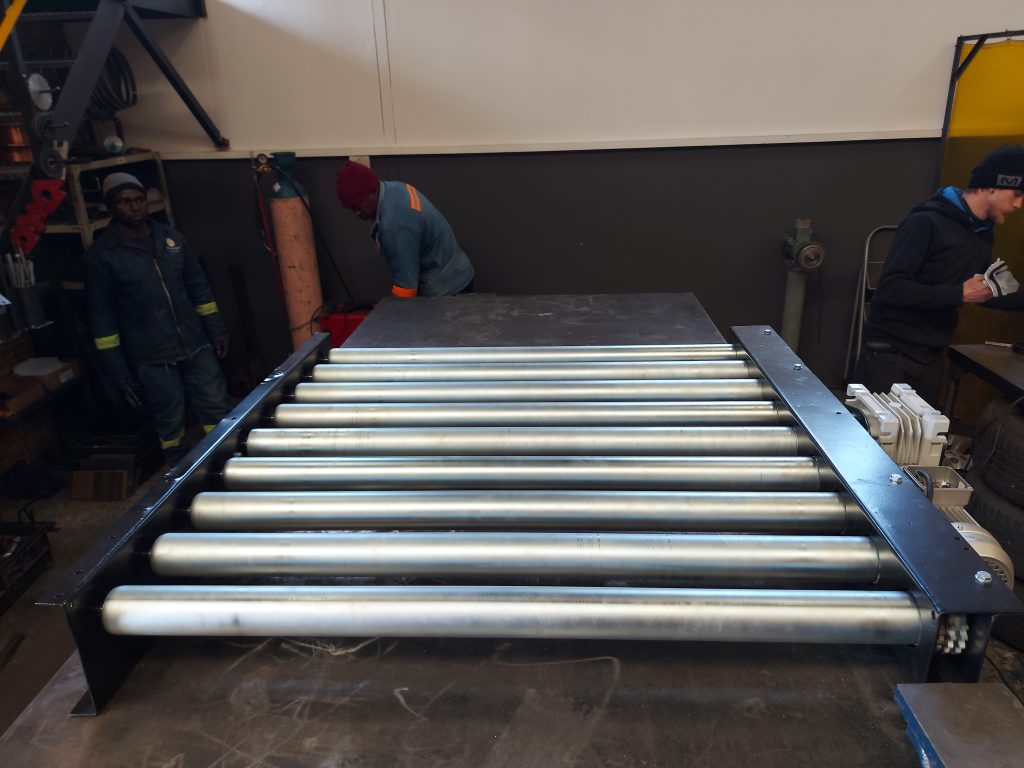
Heavy-duty conveyor module ready for installation

Need pallet handling or heavy unit loads?

  • Choose high-torque drive types and heavy-duty roller specifications.
  • Confirm pallet base type, load per pallet, and start-stop frequency.
  • Lock in a spares plan that supports uptime during peak throughput periods.

Roller Conveyor Types and Where They Fit

The right roller conveyors layout is the one that matches your product base, control needs, and operating environment. Below is a practical reference table for selection and early planning discussions.

Type Core advantage Typical load class Best-fit environments Common applications
Gravity roller Low cost, simple maintenance, fast deployment Light to heavy (spec dependent) Warehousing, packing, staging, dispatch lanes Manual handling zones, buffer lanes, inspection and packing
Powered roller Controlled flow, consistent speed, better throughput Light to heavy (drive dependent) Distribution, packaging, production routing Automated lanes, metering, merges, controlled transfers
Belt-driven roller Quiet operation for cartons and totes Light to medium Packaging, FMCG, clean production areas Carton routing, gentle handling, low vibration zones
Chain-driven roller High torque for pallets and heavy duty cycles Medium to heavy Industrial plants (non-mining), pallet movement zones Pallet lanes, rugged handling, high traction transfers
Zoned accumulation (MDR) Energy-efficient, scalable automation with accumulation control Light to medium per zone Order fulfilment, sorting and routing Accumulation, scan stations, controlled buffering
Curved roller routing Compact layouts around constraints Light to medium Distribution routing, warehouse cornering Corner routing, lane changes, compact floor plans
Design note: for stable movement, aim to keep at least three rollers under the load footprint at all times. Correct pitch selection is one of the most important decisions for roller conveyors, especially with smaller cartons or softer packaging.

Roller Conveyor Solutions Supplied (Card Format)

These are common system layouts we supply and manufacture. Each card highlights where the conveyor performs best, what to confirm during selection, and how to plan spares for long-term uptime with roller conveyors.

Warehouse routing lane with powered zones

Warehouse Routing Roller Conveyor

Built for cartons and totes in distribution environments where routing and dispatch throughput matter. A common use of roller conveyors is to create predictable lanes that support scanners, check points, and high-volume routing.

  • Typical use: dispatch lanes, inbound staging, scan stations, routing lines.
  • Selection notes: confirm merges, spacing control, and service access for wear items.
  • Spares planning: standardise rollers and bearings across lanes where possible.
Gravity lane for staging and packing

Gravity Roller Lanes for Packing and Staging

Low complexity lanes for manual operations and simple movement. Gravity solutions are often the best “value per metre” approach when product can be pushed or runs on a safe gradient.

  • Typical use: packing tables, staging, inspection, manual buffer lanes.
  • Selection notes: confirm slope, stops, side guides, and safe handling constraints.
  • Maintenance: focus on roller wear points and keeping spares consistent.
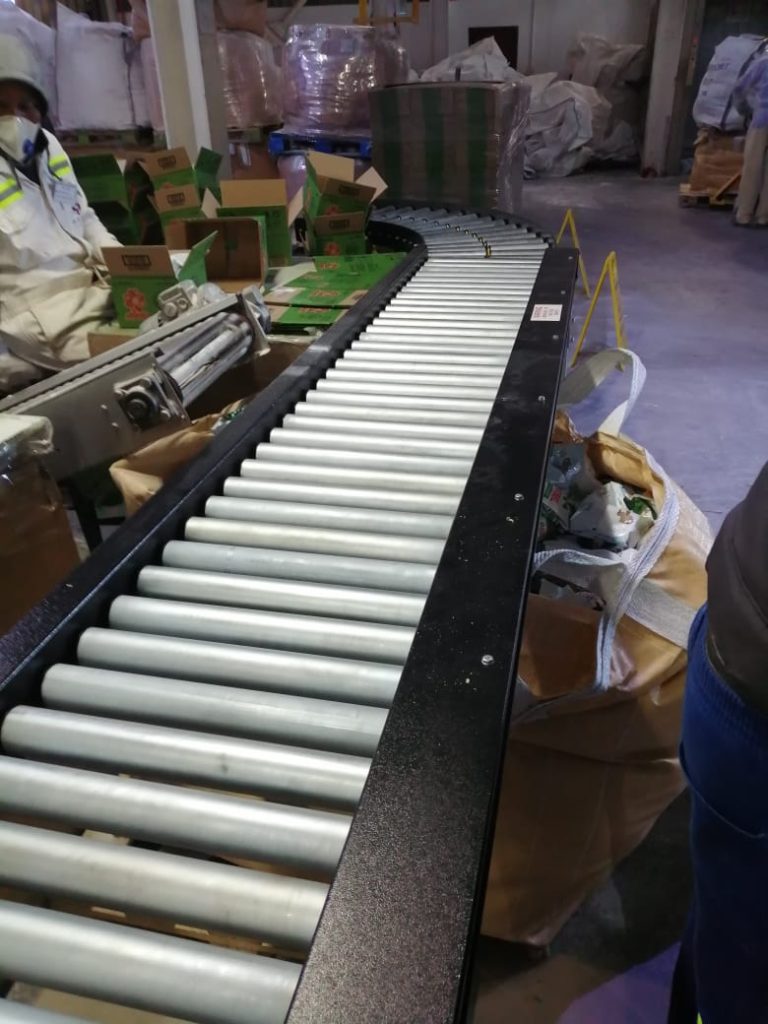
Curved routing section in a warehouse layout

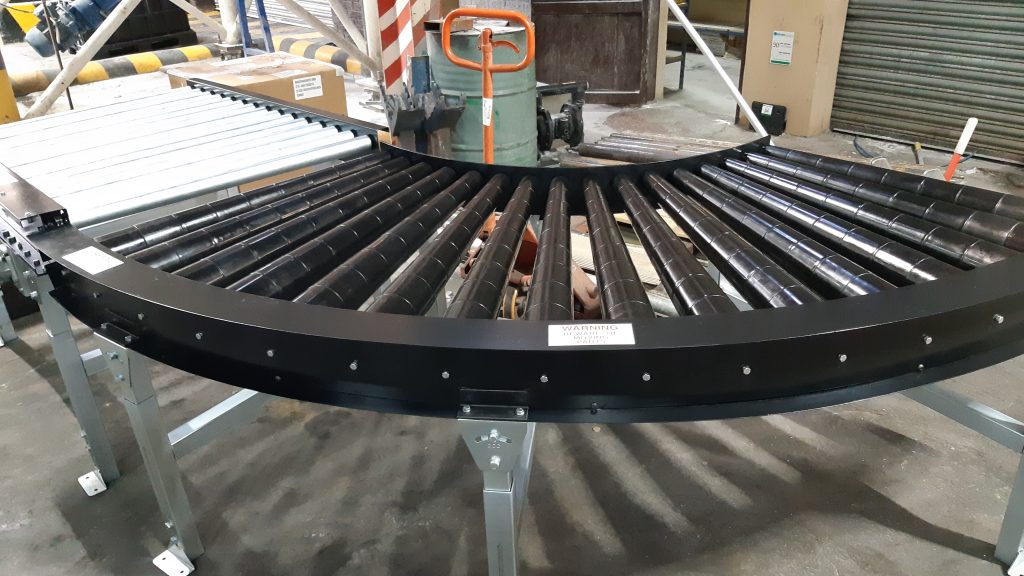
Curved Roller Routing

Routing around corners without unnecessary transfers. Curves reduce damage risk and keep layouts compact, especially where space is limited.

  • Typical use: corner routing in warehouses and distribution lanes.
  • Selection notes: confirm product stability through curve and guide rail design.
  • Integration: plan entry and exit transfers to maintain spacing control.
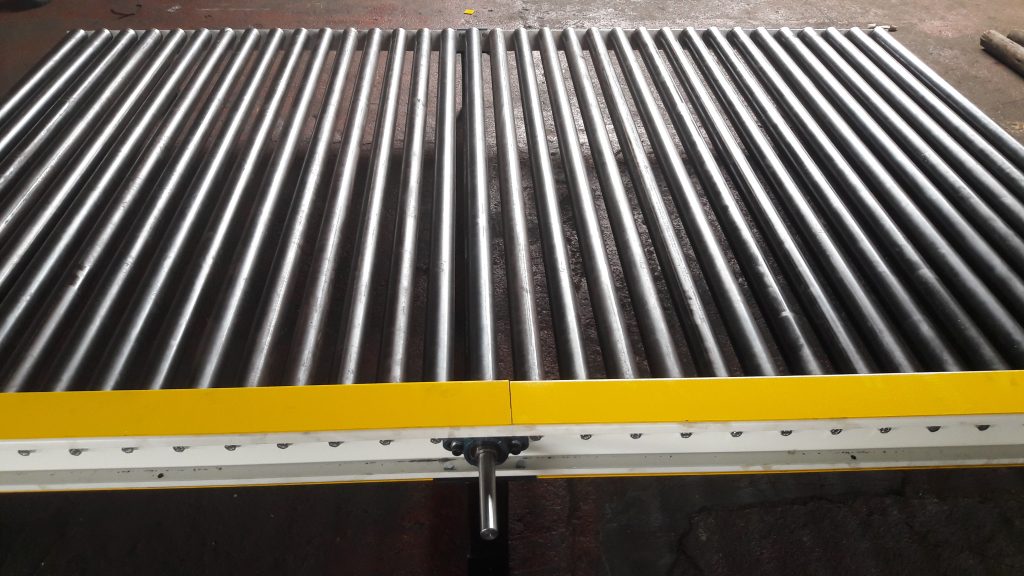
Heavy duty conveyor module for unit loads

Heavy-Duty Roller Conveyor for Unit Loads

Designed for stronger duty cycles where load per lane and impact loading matter. For reliable performance, roller conveyors in heavy zones require robust frames, correct roller selection, and realistic spares planning.

  • Typical use: heavy cartons, crates, pallet-adjacent lanes (non-mining).
  • Selection notes: confirm load per metre and start-stop frequency.
  • Serviceability: include guarding designed for fast maintenance access.
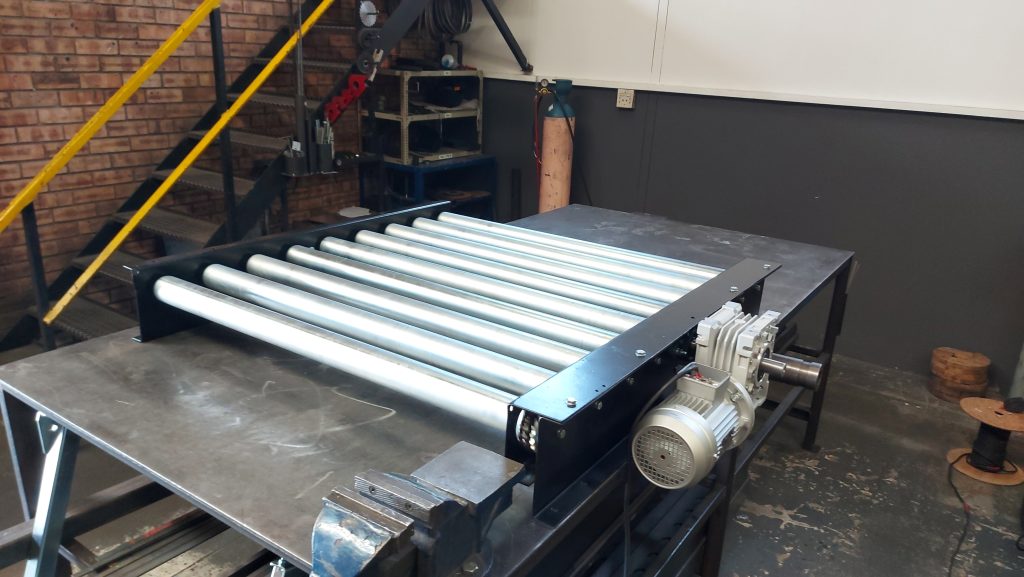
Driven lane with motor and gearbox

Powered Roller Conveyor for Controlled Flow

Controlled flow, metering, and accumulation for high-throughput operations. Powered lanes are essential where spacing, timing, and buffering matter.

  • Typical use: merges, scan stations, packing feeds, metering to dispatch.
  • Selection notes: confirm control strategy and accumulation requirements.
  • Spares: align drive wear items with your uptime targets.
Hygiene-ready conveyor environment for food processing

Hygiene-Ready Roller Conveyor Options

For hygiene-first environments, selection is about materials, finishes, and cleanability. We support corrosion-resistant builds and service access planning so cleaning does not turn into repeated breakdown cycles.

  • Typical use: food and beverage, packaging, clean production zones.
  • Selection notes: confirm washdown routine, drainage, and access for cleaning.
  • Lifecycle: align materials to cleaning chemicals and duty cycle.
Need a complete layout? We manufacture full conveyor systems and can integrate roller lanes with belt conveyors, transfer plates, and adjacent routing zones. One supplier accountable for performance is the point of properly engineered roller conveyors.

Technical Specification Snapshot (Typical)

Final values depend on your product, lane length, and environment. This snapshot is meant to define the questions that matter early so roller conveyors perform properly and stay maintainable over time.

Core Variables That Drive Selection

Variable Why it matters What we confirm
Roller pitch Controls stability, tipping risk, and transfer success Product footprint, base rigidity, and load distribution
Roller diameter Impacts load capacity, deflection, and bearing life Load per metre, impact loading, duty cycle
Drive strategy Controls speed, accumulation, and spacing Flow control requirements and integration points
Transfers Transfers are where jams and damage happen Transfer plates, guides, and interface geometry
Frame rigidity Misalignment causes uneven wear and poor tracking Supports, bracing, and maintenance clearances

If you are comparing rollers to belts for irregular products, see Belting. Many modern layouts use both approaches.

Drive Choice Guidance

Drive type Best for Planning note
Belt-driven Cartons and totes where low noise helps Confirm maintenance access for tensioning and wear points
Chain-driven Pallet lanes and heavier duty cycles Confirm guarding, tensioning, and contamination protection
Zoned accumulation Order fulfilment and automation with buffering Confirm zone logic and spares requirements early
Gravity Low complexity movement with minimal running costs Confirm slope, stops, and safe handling controls
Flow control Accumulation Transfers Service access
If you want to standardise your spares shelf across multiple lanes, start with our Rollers range and align your roller specification across the site. This is one of the fastest ways to reduce downtime with roller conveyors.

Spares, Upgrades, and Lifecycle Support

Conveyor systems usually fail for predictable reasons: wear components run out, loads increase, cleaning regimes change, or a “temporary fix” becomes permanent. We supply spares and help you build a practical plan so roller conveyors remain serviceable across the lifecycle.

Common Spares We Support

  • Rollers, shafts, bearings, and mounting components aligned to your lane standard.
  • Drive wear items, chains/belts, sprockets, and alignment components.
  • Guide rails, stops, transfer plates, and fasteners for quick field repairs.
  • Stock support via Parts & Spares for better procurement continuity.

Good spares planning is boring. It is also the reason your team stops losing weekends to emergency repairs.

Upgrade Paths That Reduce Downtime

  • Improve transfers and reduce snag points with better plates and guide designs.
  • Convert manual lanes to controlled zones where accumulation and metering are required.
  • Retrofitting for better service access, safer guarding, and clearer inspection routines.
  • Support via Services for inspections, maintenance planning, and improvements.

When operations change, roller conveyors should be adaptable. We design with realistic upgrade paths in mind so you can improve performance without rebuilding the entire line.

Custom Manufacturing: Built Around Your Operation

Your building is not a template, and neither is your product flow. We design and manufacture roller conveyors to match your product, throughput needs, footprint constraints, and operating environment. This includes custom frames, transfers, curves, accumulation lanes, and integration with adjacent systems.

What We Customise

  • Length, width, height, supports, curves, merges, and lane routing geometry.
  • Drive configuration, speed control strategy, accumulation zones, and metering points.
  • Safety and access features: guarding, maintenance clearances, inspection access.
  • Interfaces to Systems and belting zones where required.

Custom Manufacturing of Conveyors and Rollers

Conveyor performance is not only “the lane”. Roller quality, bearing selection, alignment, and frame stiffness determine service life. We provide custom manufacturing of conveyors and rollers so your roller conveyors stay consistent and maintainable long-term.

For best results, share: product footprint, weight, desired speed, lane lengths, curves, merges, accumulation requirements, and any hygiene or cleaning constraints. That information lets us engineer roller conveyors to perform predictably from day one.

Industries We Serve With Roller Conveyor Solutions

We engineer roller conveyors for industries where repeatability, routing, and serviceability are non-negotiable. This page excludes the mining sector entirely.

Food & Beverage

  • Clean routing and service access designed for real cleaning routines.
  • Material selection aligned to hygiene requirements and operating conditions.
  • Systems that support stable throughput and controlled staging.

Packaging

  • Controlled accumulation and metering to packing and palletising zones.
  • Routing for cartons and trays with reduced damage risk at transfers.
  • Spare parts planning designed for uptime during peak output periods.

Logistics & Distribution

  • Routing lanes, dispatch metering, and scan station integration.
  • Modular builds that support expansion as volume grows.
  • Service-led planning for long-term performance of roller lanes.

Pharmaceutical

  • Controlled movement and stable routing for packaged goods.
  • Clean layouts that support inspection and verification stations.
  • Predictable performance supported by standardised spares.

Warehousing

  • Dispatch lanes, staging zones, and routing to loading points.
  • Hybrid layouts that combine powered and gravity lanes.
  • Serviceability-first builds that reduce downtime events.

FMCG & General Manufacturing

  • General unit load conveying for cartons and crates.
  • Routing and accumulation engineered for real floor plans.
  • Custom manufacturing options to match site standards.

Countries We Serve Across Africa

Conveyor Supplies Africa supports roller conveyors across South Africa and multiple African markets. We assist with cross-border supply support where required.

All Countries

Browse the full list and route your enquiry to the correct team.

Popular Country Pages

If your country isn’t listed above, use the Countries hub and we’ll route it correctly.

Local Support Matters

  • Faster technical response and better spares guidance.
  • Engineering review before build to reduce commissioning risk.
  • Support for upgrades, replacements, and routing improvements.
The goal is simple: keep your roller conveyors serviceable over time with a clear spares plan and support structure that matches your operational realities.

Why Choose Conveyor Supplies Africa

Because “we also sell conveyors” is not a strategy. You want a supplier that can engineer the right conveyor type, manufacture it properly, supply spares, and support you after installation. That’s how roller conveyors become predictable infrastructure instead of recurring downtime.

Engineering-Led Selection

  • We confirm product base, pitch, transfers, and duty cycle before final selection.
  • We align drive strategy to flow control and accumulation needs.
  • We design for service access and realistic maintenance routines.

Manufacturing + Spares Support

  • Custom manufacturing of conveyors and rollers available.
  • Spares planning that reduces downtime events.
  • Support for upgrades, expansions, and replacements.

Built for African Operations

  • Support across South Africa and multiple African countries.
  • Layouts designed to be maintained, not admired.
  • System thinking that keeps operations stable during demand spikes.

Frequently Asked Questions

Short answers, because nobody wants a dissertation when a line is down and roller conveyors are the bottleneck.

What products are best suited to roller conveyor systems?
Cartons, totes, trays, crates, and pallets are ideal because they have stable bases. If your product is irregular, soft, or needs continuous support, you may require a belt section in the system. Many modern layouts combine belting and roller conveyors for best overall flow.
What’s the difference between gravity and powered rollers?
Gravity lanes rely on slope or manual push and are chosen for low complexity and low running costs. Powered lanes provide controlled speed, metering, and accumulation, especially useful for merges, scan stations, and dispatch routing where roller conveyors need predictable flow.
How do I choose roller pitch?
A practical rule is to keep at least three rollers under the load footprint at all times. Smaller cartons often need closer pitch to prevent tipping and snagging. We confirm pitch during engineering so roller conveyors remain stable at transfers and merges.
Do you supply spares and upgrades for existing roller lines?
Yes. We support rollers, bearings, shafts, mounts, guides, stops, and drive wear items. We also help standardise roller specifications so you can stock fewer spares, reduce downtime, and keep roller conveyors maintainable long-term.
Do you cover mining applications?
No. This page excludes mining sector content entirely and focuses on non-mining industries such as logistics, warehousing, packaging, food and beverage, pharmaceutical, agriculture, and general manufacturing.

Need a quick recommendation?

Send your product footprint, weight, desired speed, lane lengths, curves/merges, and accumulation needs. We’ll recommend a practical build and spares plan for roller conveyors that matches your uptime targets.

Wikipedia reference (external): Conveyor roller.

Useful Links

Quick navigation to keep your research structured.

Products & Systems

Parts, Spares & Support

Countries & Industries

Ready to Quote or Standardise Your Roller Conveyor Spares?

Tell us what you’re moving, how fast you need to move it, and where the bottlenecks are. We’ll propose a build that prioritises uptime, service access, and a spares plan that keeps roller conveyors reliable in real operations.

External reference (Wikipedia): Conveyor.

410
59
611
79
Page Contents