Generic selectors
Exact matches only
Search in title
Search in content
Post Type Selectors
Industries • Agriculture

Agricultural Conveyors Built for Dust, Moisture, Peaks and Daily Reality

Agricultural conveyors should keep product moving smoothly from intake to dispatch, without turning your team into full-time “belt trackers and jam removers”. Conveyor Supplies Africa supplies and custom manufactures agricultural conveyor systems, conveyor belting, conveyor rollers and parts & spares for packhouses, grain handling, seed processing and bagging lines across Africa (non-mining).

Agriculture is hard on equipment. Dust, moisture, debris, inconsistent loading, and seasonal peaks expose weak specs fast. The right Agricultural conveyors reduce manual handling, protect product quality, and stabilise throughput. For general context, see Wikipedia: Agriculture and Wikipedia: Grain.

Agricultural conveyors for packhouses grain handling & transfer lines seed processing and staging flow bagging lines (feed / fertiliser) non-mining only (always)
Non-mining only: We support agriculture and other general industrial handling sectors. Mining applications are excluded. If someone asks you to “just adapt it for mining”, that’s a different supplier’s hobby.

Agriculture handling in the real world

The goal of Agricultural conveyors is not “a conveyor”. The goal is predictable material handling when the season hits, the product mix changes, and the site is running longer hours. Good layouts prevent constant manual rescue missions and keep staff focused on value work.

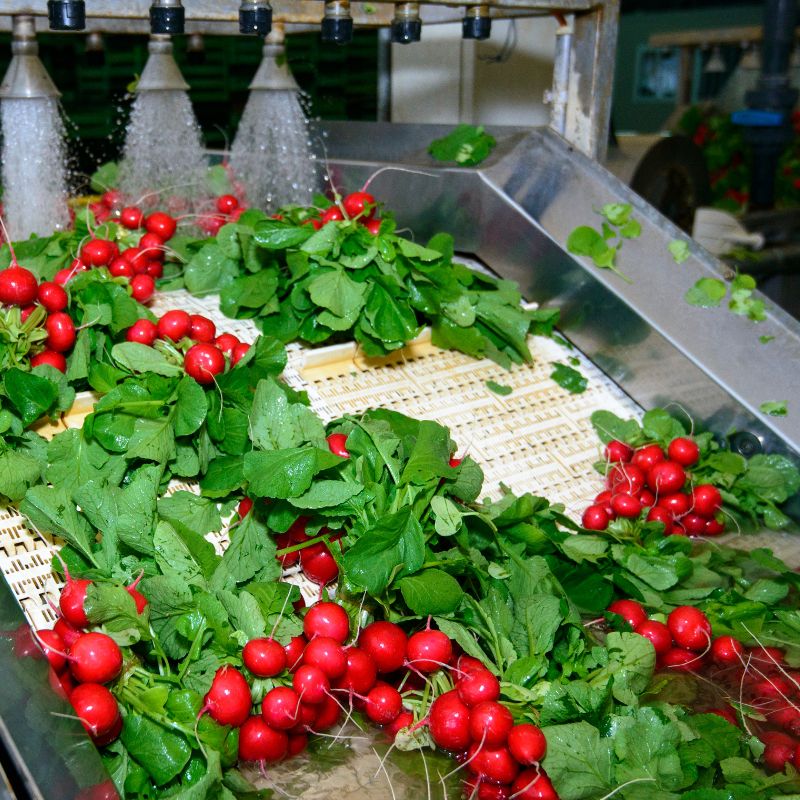
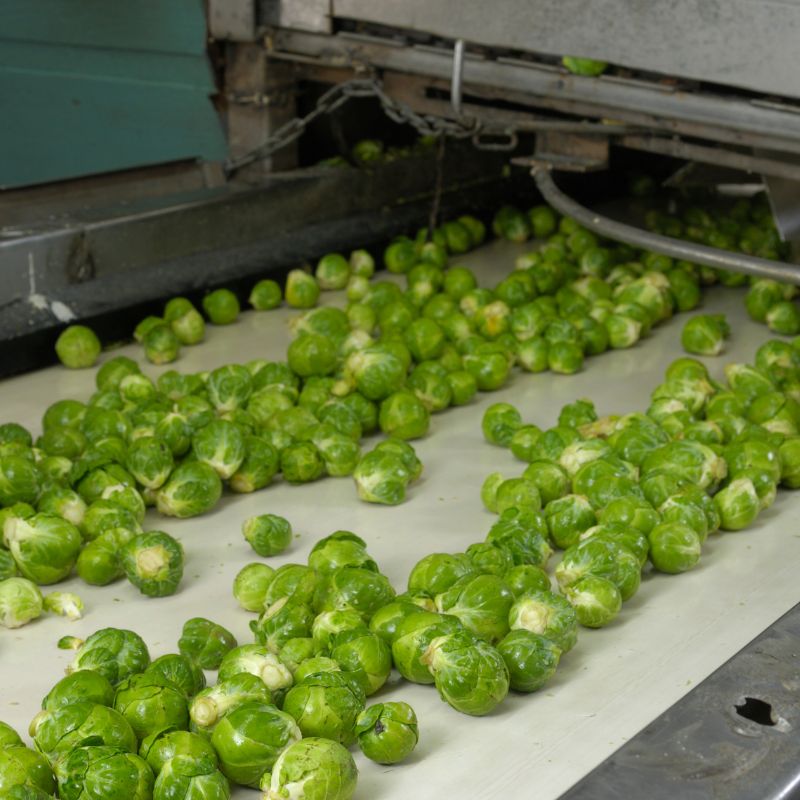
Agricultural conveyors hero image showing produce handling
Agricultural conveyors used to protect product quality and stabilise throughput in demanding environments.

Wikipedia: Conveyor system · Wikipedia: Belt conveyor · Wikipedia: Material handling

Where agricultural conveyors typically deliver the first wins

In agriculture, the fastest wins usually show up where people are currently compensating for a weak flow design. That typically means manual carrying, frequent stops, or “temporary” workarounds that became permanent. Agricultural conveyors can reduce those pain points quickly when the layout and components match the reality of the site.

Packhouse flow
Sorting, grading, packing and dispatch staging where product needs gentle handling and predictable spacing.
Grain transfer
grain handling lines with dust-aware design choices and practical maintenance access.
Bagging & pallet staging
bagging lines for fertiliser, feed and seed products where uptime matters during peak season pressure.
Farm logistics
Flow that reduces manual carrying and improves movement between zones.

Agricultural conveyors that fit your product, layout and throughput

The most common problems we see with agricultural conveyor systems are predictable: belt surfaces that don’t suit the product, rollers that aren’t built for the duty cycle, transfer points that snag and jam, and layouts that force constant manual intervention. When Agricultural conveyors are specified properly, they reduce product damage, reduce bottlenecks, and make dispatch calmer.

What we supply
  • conveyor systems for packhouses, bagging, transfer and staging flow
  • Custom conveyor rollers built for dust, moisture and continuous duty
  • PVC belt / PU belt options matched to product contact and cleaning routines
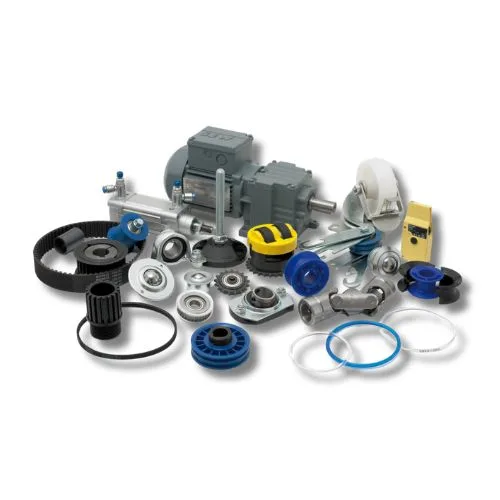
  • parts & spares to protect uptime during peak season pressure

Conveyor Systems · PVC & PU Belt Conveyors · Belt Fasteners · Repairs & Maintenance

What keeps systems stable
  • Correct belt choice for grip, product contact, washdown and cleaning
  • Transfer points designed to reduce jams, snags and belt edge wear
  • Roller and bearing specification matched to the real duty cycle
  • Maintenance access that doesn’t require dismantling half the line

Small truth with big consequences: most downtime starts as “a small issue” that grows because spares aren’t available. A basic parts & spares plan often delivers more uptime than another motivational poster in the workshop.

Real-world examples (original page images)

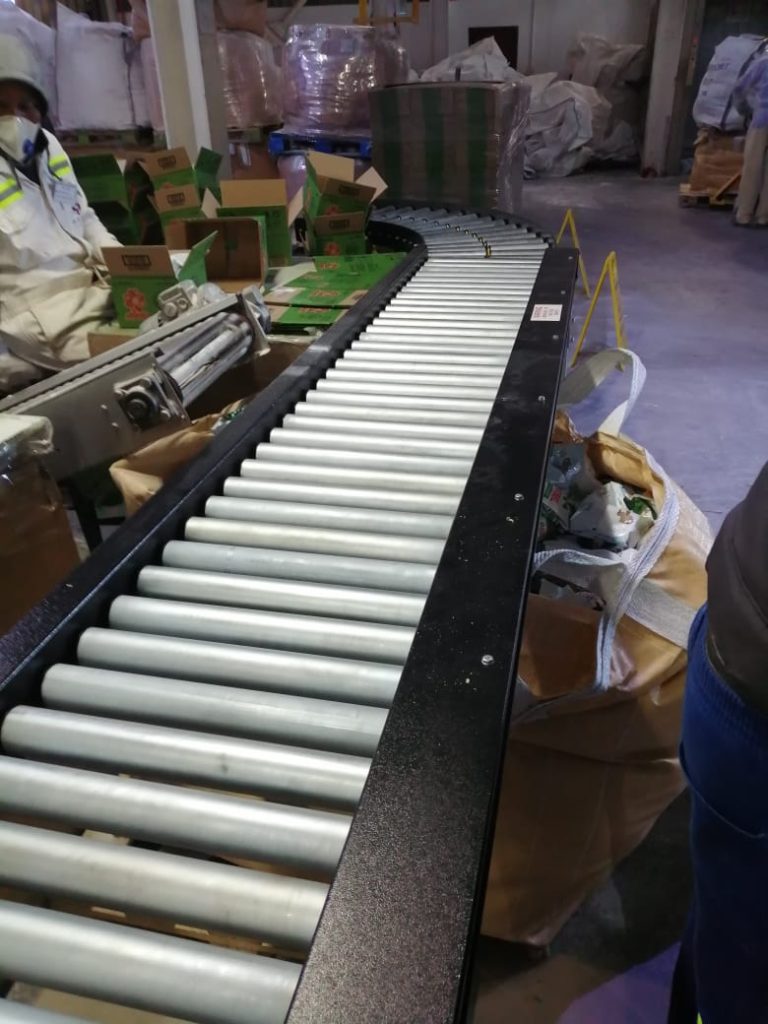
These images reflect typical agriculture handling environments and why Agricultural conveyors need to be built for dust, moisture, debris, and daily cleaning realities (non-mining).

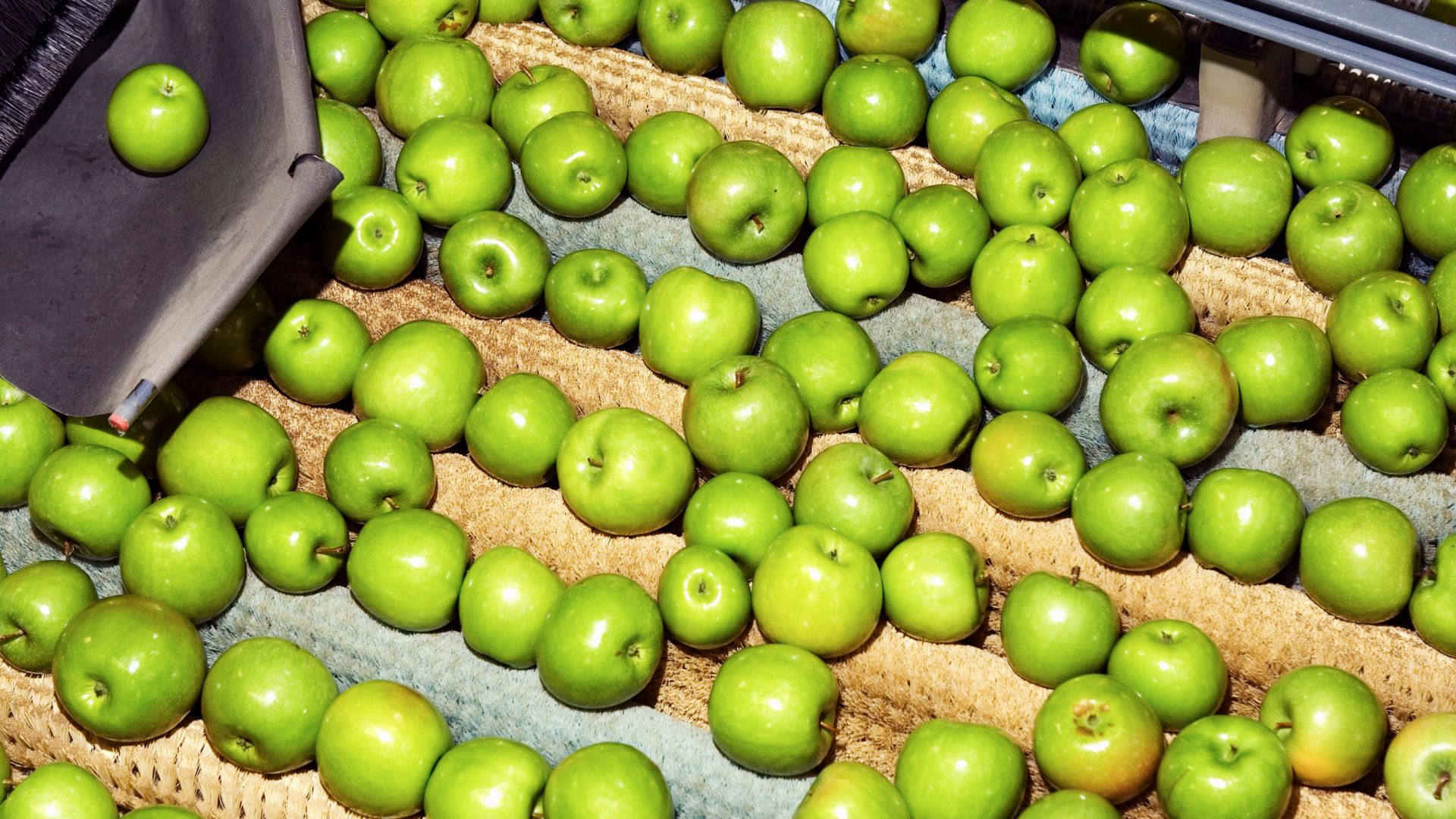
Fruit handling and staging conveyor layout in a packhouse
Product staging where stable spacing reduces jams and bruising.
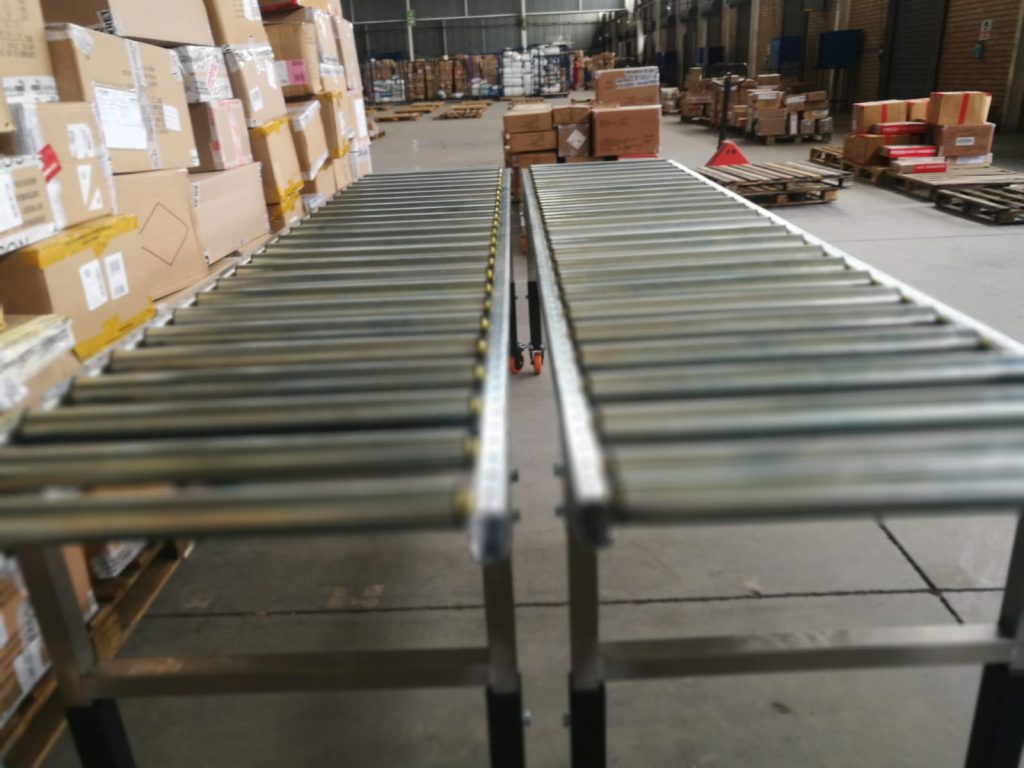
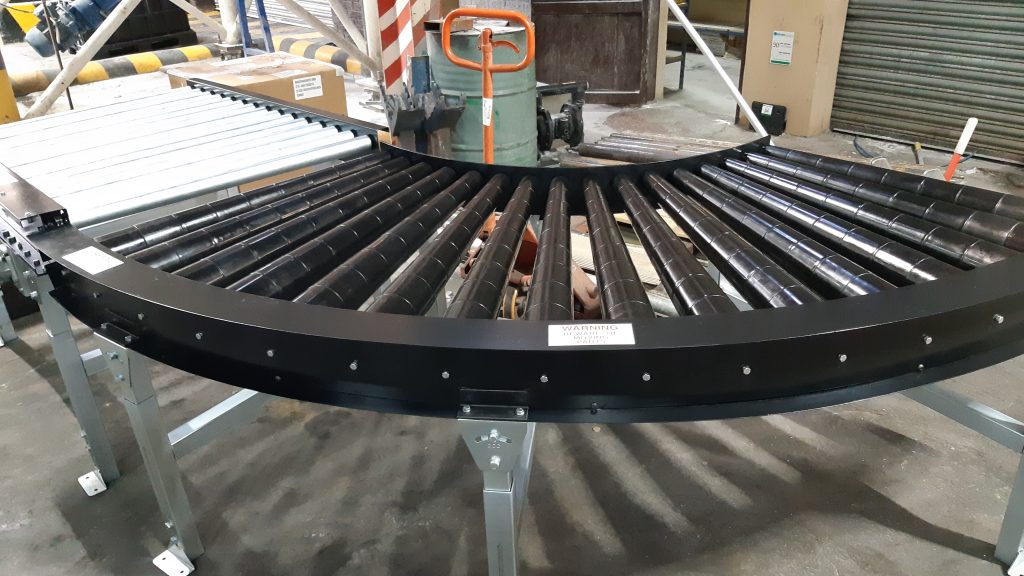
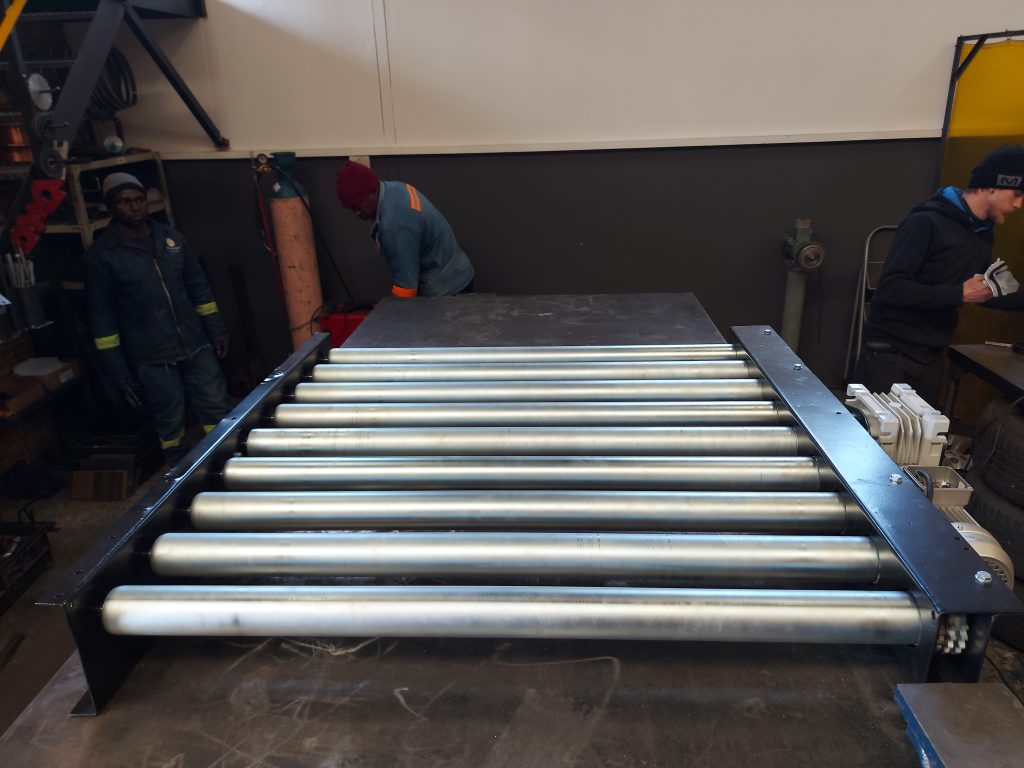
Roller lanes supporting unit flow in processing areas
conveyor rollers and controlled lanes used to stabilise flow through busy processing areas.
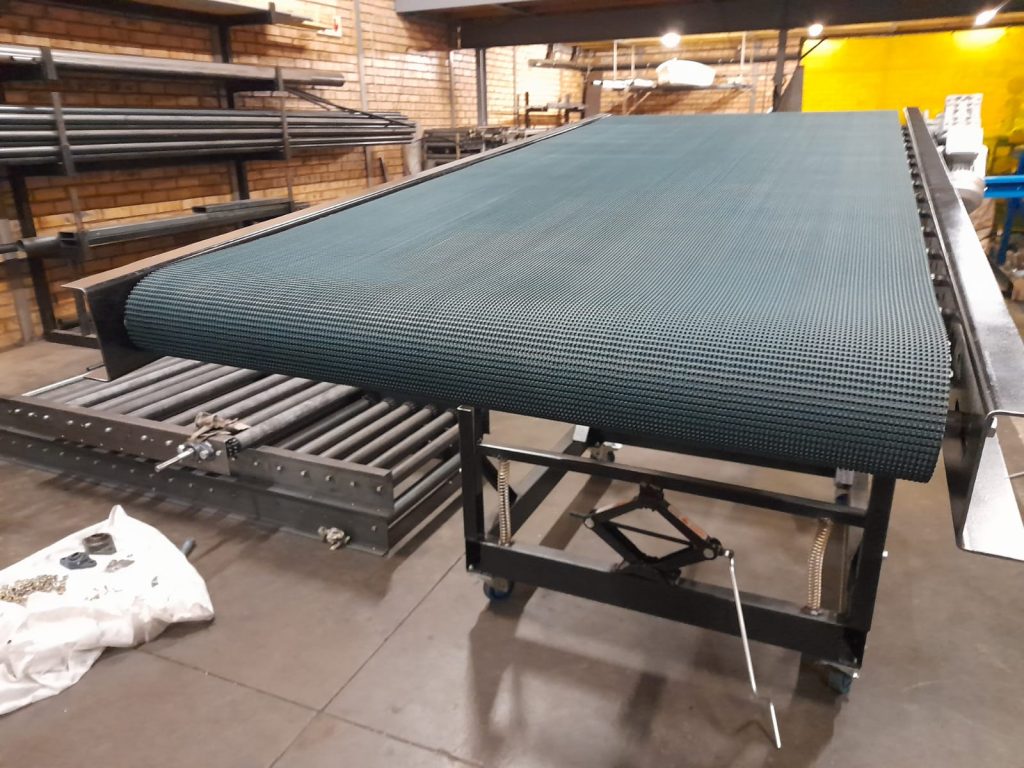
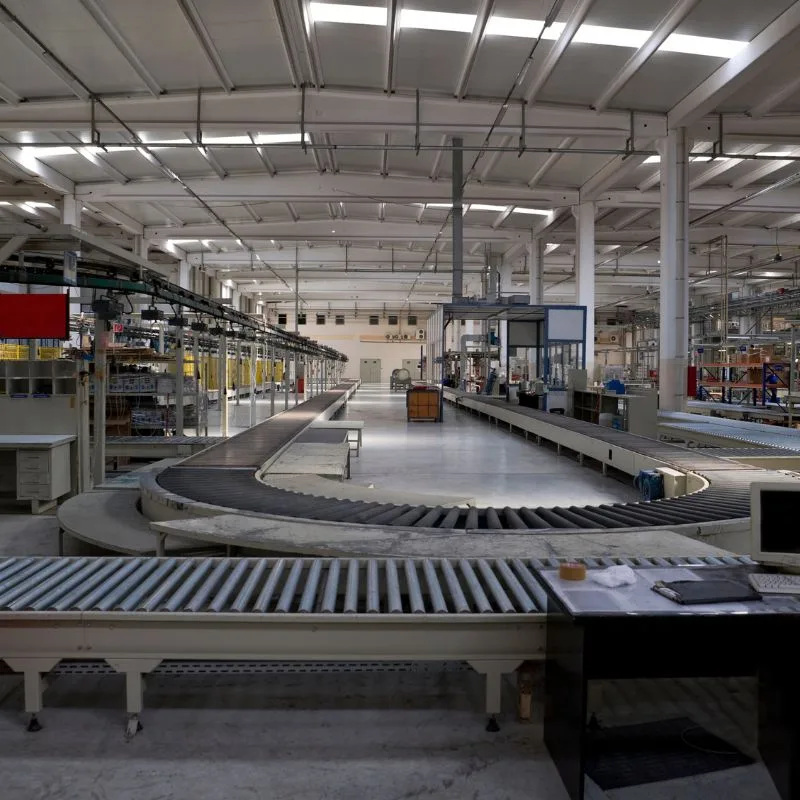
Moisture-exposed handling environment requiring suitable belt selection
PVC belt / PU belt selection matters when moisture and cleaning routines are part of daily life.

Agricultural conveyor systems and best-fit options

Different agricultural sites need different conveyor styles depending on product type, incline, and whether you’re moving bulk, cartons, crates, or bagged goods. Below are common options we supply, each configured around your footprint, safety requirements, and throughput goals. The focus stays on non-mining operations.

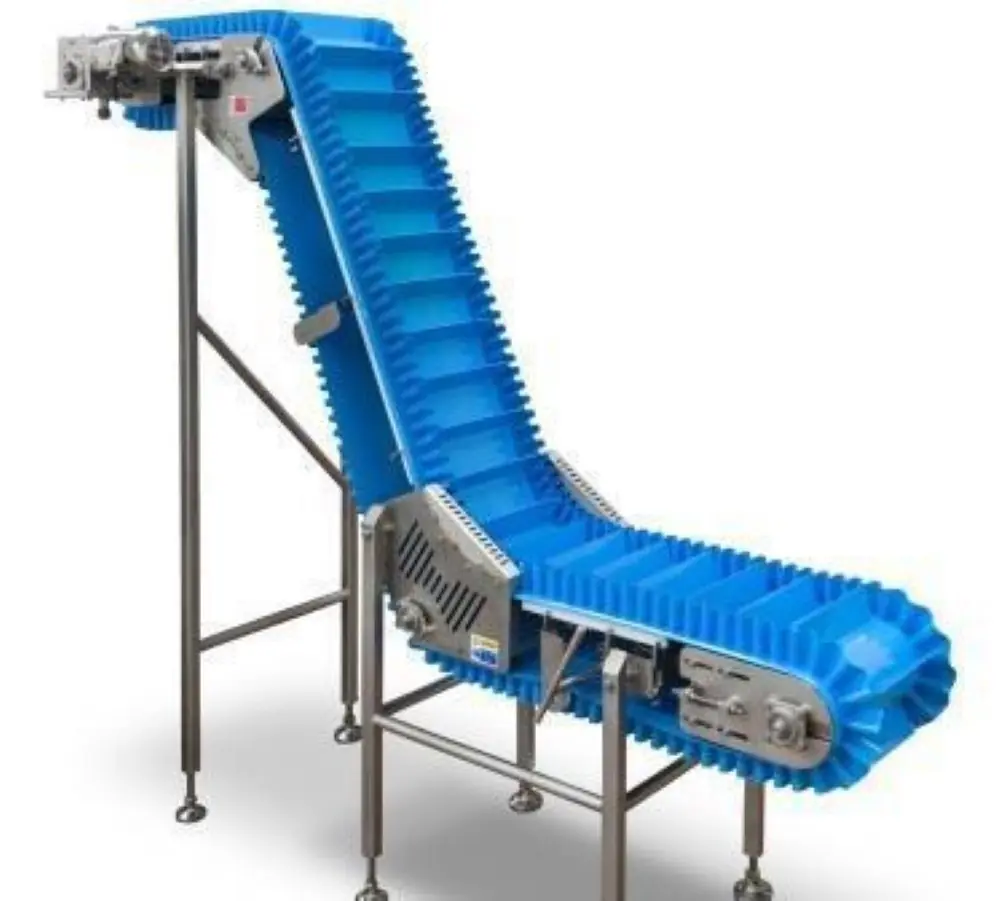
Belt agricultural conveyors

  • Ideal for controlled movement, inclines and longer runs
  • Options: cleats, sidewalls, guides and tailored belt surfaces
  • Best where consistent feed rate and stable spacing matter

Conveyor Belting · PVC & PU Belt Conveyors

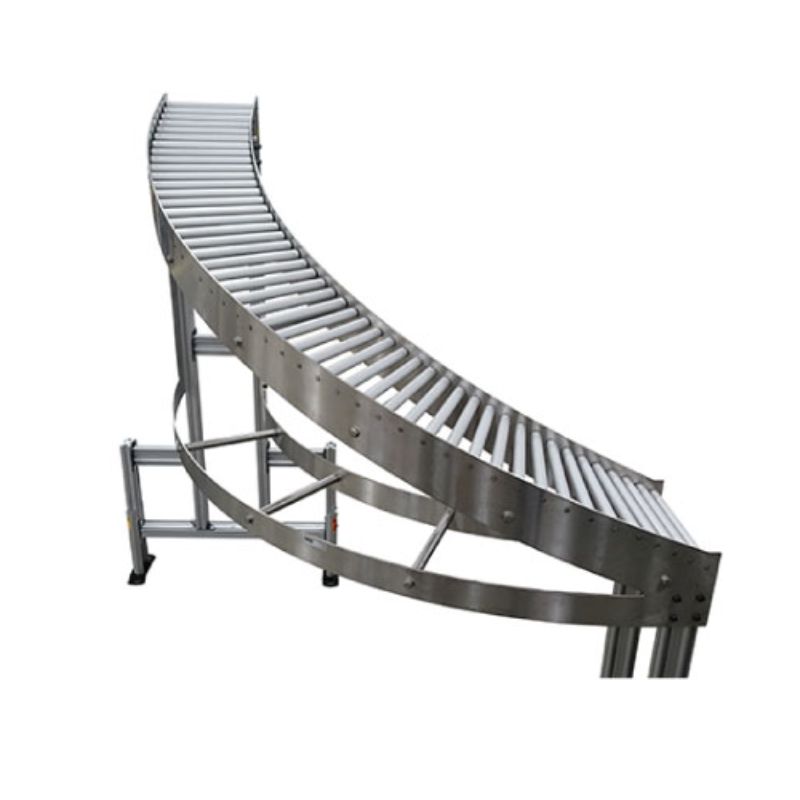
Roller & gravity agricultural conveyors

  • Great for staging, accumulation, sorting tables and dispatch lanes
  • Low-maintenance options where flow can be gravity-assisted
  • Correct roller spec prevents vibration, drag and early failure

Conveyor Rollers · Parts & Spares

For terminology context (not because you need to cite it in meetings), see: Wikipedia: Packing house, Wikipedia: Seed, Wikipedia: Fertilizer. The key takeaway is that a “one-size-fits-all” conveyor is rarely a good fit in agriculture. Product type, hygiene exposure, dust levels, and peak throughput must drive specification.

Seasonality planning (because agriculture loves surprises)

Agriculture’s seasonal peaks are not “edge cases”. They are the whole point. A system that runs fine in quiet periods but fails during peak intake simply transfers stress from equipment to people. We help you design industrial conveyor solutions that remain stable during peak hours by focusing on predictable wear points, spares readiness, and transfer reliability.

That means balancing three realities: (1) dust and debris that makes tracking harder, (2) moisture and cleaning that changes belt and bearing requirements, and (3) variable product loading where “perfect feed” is fantasy. Good Agricultural conveyors accept those realities and keep running anyway.

This is why parts & spares matter in agriculture: you do not want downtime when the line is full and inbound vehicles are still arriving. We support sensible standardisation strategies so you can stock what you need without turning your storeroom into a museum of unused parts.

Agricultural conveyors selection guide

Use this quick-fit guide to align application to conveyor type. If you want accurate recommendations for Agricultural conveyors, send us product details, throughput targets and a few photos or a short video of the area. This section replaces the original table with a mobile-friendly card layout (same meaning, better usability).

Packhouse sorting & dispatch
Recommended: belt conveyors + roller staging zones
Typical: PVC belt/PU belt, conveyor rollers, guides, side rails, transfer plates
Grain & bulk handling
Recommended: belt conveyors, inclines, longer runs
Typical: cleats/sidewalls, scrapers, skirting, robust rollers/idlers
Bagging lines (feed/fertiliser)
Recommended: roller conveyors + controlled belt transfers
Typical: rollers, bearings, drives, guarding, smooth transfer points
Quote checklist: Product type, size/weight range, target hourly volume, environment (dust/wet), available footprint, and whether you need inclines or transfers. The clearer the inputs, the faster the correct spec.

Why Choose Conveyor Supplies Africa

You can buy “a conveyor”. Or you can get industrial conveyor solutions built for dust, moisture, seasonal peaks and real duty cycles. We focus on application fit, custom conveyor manufacturing, and support that remains practical after delivery. If your line needs to work when the season hits, that’s exactly the point.

Custom manufacturing
  • Conveyors and rollers built to your application
  • Specs aligned to load, speed and environment
  • Layouts designed around your floor reality
Uptime-first thinking
  • Transfer points designed to reduce stoppages
  • Roller standardisation to simplify spares
  • conveyor belting selection matched to product contact
Practical support
  • Guidance on tracking, tension and wear points
  • parts & spares support for continuity
  • Clear quoting inputs to avoid rework
Non-mining focus
  • We support agriculture and general industry
  • Mining applications excluded
  • Solutions aligned to real operational handling

Conveyor Rollers · Conveyor Belting · Parts & Spares · Services

custom manufacturing of conveyors and rollers

We support custom manufacturing of conveyors and rollers because real sites rarely match catalogue assumptions. Your footprint, your product, your shift patterns, and your safety requirements shape the right design. That is the difference between a conveyor that works “in theory” and a conveyor that works in your operation.

Our custom conveyor manufacturing covers the core categories used in agriculture: belt systems for controlled flow and inclines, roller and gravity lanes for staging and dispatch, and belt-and-roller hybrids to stabilise transfer points. We also support the details that protect uptime: conveyor belting, conveyor rollers, and sensible parts & spares planning for the season.

For background context, see Wikipedia: Conveyor system. For your site, we translate your workflow into an engineered, supportable build designed for non-mining environments.

Layout-fit design
Planned around access lanes, product flow, and safe operation.
Duty-matched components
conveyor rollers and belt specs selected for load, speed, and environment.
Supportable builds
parts & spares options planned for fast replacement during peaks.

Countries We Serve

We serve clients across Africa with design, supply, and project delivery for industrial conveyor solutions in non-mining industries, including agriculture. Explore country coverage below:

Industries We Serve

We support non-mining industries where reliability, safety, and repeatable flow matter. Explore related industries below:

Operational realities in agriculture that conveyors must survive

Agricultural handling sites are rarely “neat.” You get dust, moisture, debris, temperature swings, seasonal peaks, inconsistent loading, and the occasional unplanned “shortcut” that becomes the new standard operating procedure. That’s why a conveyor solution for agriculture needs to be engineered for reality, not for showroom photos. The objective is stable material handling that supports throughput and reduces manual intervention during the busiest periods of the year.

In agriculture, the most expensive failures are not always the dramatic ones. The real cost tends to come from repeated stoppages: jams at transfers, belt tracking drift, worn rollers that create vibration, and missing spares that turn a quick fix into a full-day delay. Strong industrial conveyor solutions reduce this kind of “death by a thousand cuts” by focusing on consistent component choices, service access, and stable flow design.

Where agricultural lines usually gain (or lose) the most uptime

Most uptime gains come from removing repeat failure points. When a line stops, it’s usually caused by one of a few predictable issues: unstable transfers, poor product guidance, incorrect belt surface choice, or rollers that are not suited to the duty cycle. Correcting those issues often improves output more than adding another metre of conveyor.

Transfer stability
Smooth handoffs prevent snagging, bouncing, and product damage. Transfer plates, correct gaps, guides, and sensible speeds matter.
Component standardisation
Repeating the right conveyor rollers profiles and common assemblies reduces SKUs and simplifies maintenance.
Service access
If inspection and replacement are difficult, small problems stay small for about five minutes, then become expensive.

Belting selection in agriculture: grip, cleaning, and product contact

Belt choice should follow product behaviour and cleaning reality. If the product is damp, dusty, fragile, or prone to rolling, you need a belt surface that supports predictable movement without damage. Many sites choose between PVC belt and PU belt options depending on product contact, washdown routines, and the level of grip required. The “best” belt is the one that suits your application and keeps performing after cleaning, not the one that looked good in a catalogue.

Connection and repair strategy also matters. If your operation cannot afford long downtime, then belt joining approach and repair readiness need to be planned upfront. That’s where belt fasteners, correct tools, and a realistic maintenance routine make the difference. When downtime is measured in missed dispatch windows, repairs & maintenance planning is part of engineering, not an afterthought.

When belt conveyors are the best fit

  • Stable transport for mixed products, especially when the footprint requires longer runs.
  • Inclines or declines where controlled grip is required to prevent rollback or uncontrolled sliding.
  • Packhouse movement where spacing and gentle handling reduce bruising and rework.

Wikipedia: Belt conveyor.

When rollers and gravity lanes make more sense

  • Cartons, totes, crates, and bagged goods that behave predictably on rollers.
  • Staging and accumulation lanes for dispatch preparation.
  • Areas where low maintenance is a priority and slopes can support movement.

Wikipedia: Roller conveyor.

Spares planning without turning your storeroom into a graveyard

Many sites either under-stock (and suffer downtime) or over-stock (and waste cash). A practical approach is to stock what actually stops the line, then standardise parts where it makes sense. Strong parts & spares planning does not mean buying everything. It means identifying the critical wear components and keeping them ready during peak season.

A sensible strategy often includes common roller assemblies, bearings, shafts, critical fasteners, guides, wear strips, and the small items that are always missing when you need them. It also includes basic belt repair readiness if belt conveyors are central to flow. Standardisation reduces the number of unique replacements required and increases the chance that a “quick fix” is actually quick.

conveyor rollers
Rollers are a high-impact wear item. Correct spec reduces vibration, drag, and uneven product movement.
conveyor belting
The right belt surface and joining approach prevents tracking issues and reduces stoppages at the worst possible time.
parts & spares
Keep line-stoppers ready. Avoid “we’ll order it” during peak intake, because that’s how delays multiply.

Agriculture-focused applications we support (non-mining)

Agriculture covers a wide mix of workflows, so conveyors must be configured around what you handle and how it behaves. We support applications such as packhouse sorting and packing, grain transfer and staging, seed handling, and bagging line flow for feed and fertiliser. These environments are not “light duty,” even when the product looks harmless. Duty cycle, dust, moisture, and cleaning routines set the rules.

  • packhouses: sorting, grading, packing, dispatch staging, and transfer stability.
  • grain handling: controlled flow, dust-aware design, and maintenance access.
  • seed processing: stable movement, reduced product loss, and predictable transfer points.
  • bagging lines: bag staging, accumulation zones, and flow into palletising/dispatch lanes.
  • warehousing and logistics: staging lanes and dispatch flow where seasonal peaks demand speed.
  • packaging: integration into packing stations, scanning, weighing, and outbound consolidation.

This content excludes mining completely. Everything here supports non-mining industries and agriculture-related handling environments. If you want background context on the industry itself, Wikipedia has pages on agriculture and grain. For practical site outcomes, your throughput, product type, and maintenance reality should guide the specification.

Bottom line: A conveyor system that works during quiet periods but fails in peak season is not a solution. It’s a stress delivery mechanism. Designing for peak reality, with sensible standardisation and spares readiness, is how you keep production predictable.

FAQ

Straight answers for agriculture sites that want predictable flow and fewer stoppages. This FAQ supports planning for Agricultural conveyors and agricultural conveyor systems in non-mining environments.

Do you custom manufacture Agricultural conveyors and conveyor rollers?

Yes. We custom manufacture Agricultural conveyors and rollers for specific applications based on your product, throughput targets, environment (dust/wet), and layout constraints.

Which belt type is best for packhouses and food-contact areas?

It depends on cleaning routines and product contact, but PU belt and suitable PVC belt options are commonly used. The right choice comes down to the product, hygiene requirements and how the belt will be cleaned.

Do you supply agriculture systems across Africa?

Yes. We support agricultural conveyor systems across Africa for non-mining industries and we help with practical parts & spares planning to protect uptime.

Do you supply conveyors for mining applications?

No. Mining is excluded. We focus on agriculture and other non-mining industries.

What information helps you quote fastest?

Product type, approximate load/weight range, target throughput, environment (dust/wet/washdown), available footprint, and whether you need inclines or transfers. Photos or a short video help a lot.

Ready to stabilise your agricultural flow?

Share your product type, throughput targets, and environment details. We’ll recommend the right layout, belt type, roller specification and parts & spares plan for consistent performance (non-mining only). If you want your Agricultural conveyors to keep running when the season hits, we design for that reality.

Explore our range of conveyor solutions designed specifically for the agricultural industry.

Page Contents