Generic selectors
Exact matches only
Search in title
Search in content
Post Type Selectors
Home / Industries / Agriculture / Grain Handling and Storage

Grain Handling and Storage Conveyors: Built for Throughput, Built for Uptime

Grain Handling and Storage is not “move product from A to B.” It is intake control, transfer discipline, dust management, and reliable discharge into bins, silos, or packaging. When intake surges arrive, the system must keep up without turning into spillage, product damage, or constant stoppages. Conveyor Supplies Africa designs and manufactures conveyor systems that stabilise flow from intake to storage, with practical access and a spares plan that protects uptime.

Important: We focus on non-mining conveyor applications. We do not supply the mining sector. CSA manufactures conveyor systems and supplies spares only for systems we manufacture. Installation & commissioning is offered in selected regions only.
Intake stability Flow control that prevents surges from turning into jams and spillage.
Storage-ready transfers Transfers designed for controlled discharge into bins, silos, and staging.
CSA accountability Spares and support for CSA-manufactured systems only.
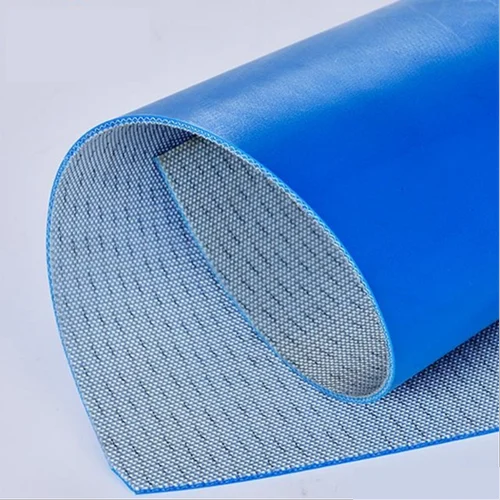
Grain handling and storage conveyor systems for intake and silo transfer

Fast quoting tip: send a short video of the intake point and the discharge into storage. Include the grain type, estimated throughput, and the height difference between intake and storage.

Why Grain Handling and Storage conveyor design is a “systems” problem

In Grain Handling and Storage, reliability is built at the transfer points. Intake often arrives in bursts and the grain behaves differently depending on moisture, fines, and contamination. A conveyor system that looks fine on paper can fail in practice if it does not account for surge feeding, dust and debris, or the real geometry of discharge into bins and silos. The goal is not maximum speed. The goal is stable, controllable flow that protects product quality and prevents recurring stoppages.

Conveyor systems for Grain Handling and Storage must also respect operational reality: who maintains the line, how quickly breakdowns must be resolved, and what spares are available on-site. A design that requires constant tuning becomes a liability during peak intake periods. CSA focuses on designs that tolerate variability and remain serviceable under pressure. That includes clear access points, predictable tracking, and spares planning aligned to wear points that actually fail in agricultural environments.

External references (concept-level): Grain · Grain storage · Conveyor belt

Scope

What CSA delivers for Grain Handling and Storage

Conveyor Supplies Africa is not an online store. We design, manufacture, and support conveyor systems configured for your site and your grain flow. In Grain Handling and Storage, the outcome you want is predictable: stable intake, controlled transfer, and reliable discharge into storage. CSA focuses on non-mining industries, and our designs reflect agricultural conditions rather than heavy-mining assumptions.

CSA manufactures conveyor systems and supplies spares only for systems we manufacture. This keeps performance predictable, protects compatibility, and prevents recurring breakdowns caused by mismatched components. Installation and commissioning is offered in selected regions only. Where installation is not available, we provide documentation and commissioning guidance for approved teams to support safe handover.

Design & manufacture

We design conveyors around throughput, layout, dust exposure, and storage geometry. Grain Handling and Storage systems are engineered to keep flow stable and to reduce spillage at transfers.

  • Application-led design
  • Durable frames and supports
  • Transfer-point discipline

Spares & components (CSA systems only)

We align spares to wear points that matter: tracking, rollers, transfer zones, and discharge behavior. We supply spares for CSA-manufactured systems only to maintain fit and long-term reliability.

  • Correct component matching
  • Reduced repeat failures
  • Practical spares guidance

Service support

Where service coverage is available, we support repairs and maintenance for non-mining conveyor systems. In Grain Handling and Storage, maintenance access and quick troubleshooting are part of the design from day one.

  • Maintenance support
  • Breakdown response (where available)
  • Preventative planning

Quick scope clarity for Grain Handling and Storage

We design and manufacture systems for agriculture and non-mining industries. We do not supply mining. We supply spares for CSA-manufactured systems only. Installation is available in selected regions.

System Map

A practical flow map for Grain Handling and Storage

Most Grain Handling and Storage systems follow a predictable sequence. The equipment can look different from site to site, but the flow steps repeat. The best results come from designing each step so the next step receives stable, predictable feed. When one stage is unstable, the whole facility becomes reactive.

Typical flow stages

  • Intake: vehicle offload, hopper feed, or dump pit feed
  • Transfer: controlled conveying to staging or storage intake
  • Elevation: incline or lift sections to storage height
  • Storage: discharge into bins, silos, or bulk holding zones
  • Outfeed: controlled discharge to packaging, loading, or dispatch

In Grain Handling and Storage, the highest failure risk is often at intake and discharge. Those are the stages we stabilise first.

What makes grain “difficult”

Grain flow varies with moisture, fines, foreign matter, and the way it is delivered. It can behave like a clean bulk material one day and like a sticky, dust-heavy challenge the next. This is why Grain Handling and Storage designs must tolerate variability rather than assume consistent feed.

  • Surge feeding and uneven intake rates
  • Dust and fines that build up at transfer points
  • Moisture variability that changes traction and flow
  • Discharge geometry into bins/silos that can plug or spill
Solutions

10 high-impact conveyor solutions for Grain Handling and Storage

The solutions below are common, high-value system patterns used in Grain Handling and Storage. CSA configures these to your layout, throughput, and storage geometry. The goal is stable intake and discharge with minimal intervention, not a system that “works” only when operators constantly adjust it.

1) Intake control conveyors

Intake conveyors stabilise flow from dump pits, hoppers, or vehicle offload points. They prevent surge feeding from causing downstream jams. In Grain Handling and Storage, intake stability is the foundation of everything that follows.

  • Surge control
  • Reduced spillage
  • Predictable downstream feed

2) Transfer conveyors for staging

Transfer conveyors move grain from intake to staging zones or directly to storage intake points. They are designed to maintain steady flow and protect transfer geometry. In Grain Handling and Storage, the transfer design controls dust and prevents repeated blockages.

  • Stable feed
  • Controlled transfer points
  • Reduced dust trapping

3) Incline conveyors for elevation

Elevation changes are common when feeding bins or silos. Incline conveyors must prevent rollback and spillage, especially when moisture varies. Grain Handling and Storage incline sections are engineered for traction and stable discharge.

  • Rollback prevention
  • Traction matched to grain behavior
  • Stable discharge into storage

4) Buffer conveyors for intake surges

Buffer conveyors smooth flow when trucks arrive in bursts. They reduce stop-start behavior and protect downstream equipment. In Grain Handling and Storage, buffering prevents the entire facility from running on panic.

  • Peak-flow smoothing
  • Reduced stoppages
  • More predictable throughput

5) Controlled discharge to bins and silos

Discharge points must be engineered so grain does not spill, plug, or create repeated cleanup work. In Grain Handling and Storage, discharge geometry and support design are major uptime drivers.

  • Reduced spill zones
  • Better housekeeping
  • Consistent bin/silo feeding

6) Dust-aware conveyor layouts

Dust and fines are normal in grain operations. Layout decisions that reduce trap points make cleaning and maintenance realistic. Grain Handling and Storage reliability improves when dust management is treated as design input, not an afterthought.

  • Reduced dust traps
  • Cleaner transfer zones
  • More stable long-run operation

7) Loading and outfeed conveyors

Outfeed to packaging, vehicle loading, or dispatch requires stable flow, especially if weighing or batching is involved. In Grain Handling and Storage, outfeed stability protects accuracy and reduces rework.

  • Consistent outfeed
  • Reduced rehandling
  • Better dispatch flow

8) Service-friendly access design

If service access is difficult, maintenance gets postponed until failure. CSA designs access points so routine checks are easier and safer. In Grain Handling and Storage, serviceability is part of uptime planning.

  • Accessible inspection points
  • Safer adjustment access
  • Reduced downtime risk

9) Expansion-ready modular planning

Grain facilities often expand incrementally. Systems designed with future expansion in mind reduce disruption. Grain Handling and Storage upgrades are cheaper when the original layout anticipates growth.

  • Phased upgrades
  • Lower future disruption
  • Scalable flow design

10) Spares strategy aligned to wear points

A spares plan should match the components that actually fail under agricultural conditions. CSA aligns spares guidance to wear points in your system. In Grain Handling and Storage, spares planning is cheaper than emergency downtime.

  • Wear-point prioritisation
  • Reduced repeat failures
  • Faster recovery after breakdowns
Engineering

Engineering realities in Grain Handling and Storage

If a facility is constantly adjusting belts, cleaning spillage, and restarting lines, the root cause is usually design discipline rather than operator discipline. Grain Handling and Storage systems must be engineered for variable intake, dust exposure, and practical maintenance. CSA designs the whole system: structure, support spacing, tracking strategy, and transfer geometry that behaves in real conditions.

Intake variability and surge control

Grain intake rarely arrives at a constant rate. Surges can overload transfer points and cause spill zones. CSA stabilises intake through flow control and transfer design tuned to Grain Handling and Storage realities.

  • Flow control strategy
  • Stable transfer geometry
  • Reduced jam frequency

Dust, fines, and housekeeping

Dust and fines accumulate at transfers and support points. Design choices that reduce trap zones improve cleaning practicality and reliability. In Grain Handling and Storage, housekeeping is a reliability tool, not a cosmetic task.

  • Reduced dust traps
  • Cleaner transfer zones
  • Better maintenance access

Discharge geometry into bins and silos

Discharge into storage is where flow becomes unpredictable. Poor discharge geometry creates spillage, plugging, or uneven loading. CSA designs discharge points to keep Grain Handling and Storage stable and clean.

  • Controlled discharge design
  • Reduced spill and plugging risk
  • More stable storage loading

Serviceability during peak intake

Peak intake is not the time for complicated maintenance. CSA designs adjustment points and access so service is realistic. If a system cannot be serviced under pressure, it will fail under pressure. That is Grain Handling and Storage math.

  • Accessible adjustment points
  • Wear-part planning
  • Reduced downtime risk
Specification

How to specify a Grain Handling and Storage conveyor system (without guessing)

Correct specification prevents recurring failures. A system that is “almost right” becomes a cycle of mistracking, spillage, and repeated stoppages. Use the table below to gather practical information. If you do not have every detail, share what you can and we will guide the rest.

Spec Item Why it matters What to send
Grain type Influences belt surface, flow behavior, dust/fines, discharge design Grain name, moisture variability, contamination level
Throughput Determines belt width, drive sizing, structural decisions Ton/hour estimate, peak surge behavior, operating hours
Intake method Affects impact points, spillage control, feed stability Dump pit/hopper/offload method, typical surges
Storage geometry Controls discharge height, discharge point design, access constraints Bin/silo type, heights, discharge locations
Layout footprint Controls conveyor length, elevation changes, transfer spacing Sketch, photos, key distances, site constraints
Environment Impacts traction, wear, protection, housekeeping plan Dust level, moisture exposure, cleaning approach
Maintenance reality Determines access needs and spares strategy Who maintains it, frequency, downtime tolerance
Operational Insight

Seasonality and peak pressure in Grain Handling and Storage

Grain Handling and Storage runs on a seasonal curve. Intake periods spike, equipment runs longer hours, and the cost of downtime multiplies. A facility can tolerate a slow conveyor in the off-season, but during intake peaks, slow flow becomes backlog. Backlog becomes congestion, spillage, and overtime. CSA designs systems to maintain stable flow under peak conditions, which means the system must tolerate surge feeding and variable grain behavior.

During peak intake, the operation needs predictable turnaround. Vehicle offload schedules, storage allocation, and dispatch planning all rely on stable throughput. When a Grain Handling and Storage line stops, the impact is rarely isolated. It affects yard flow, staffing, and storage utilisation. This is why CSA emphasises stable intake control and discharge discipline as the primary uptime levers.

A practical Grain Handling and Storage conveyor layout reduces “hero work,” where teams compensate for poor flow by working harder. Hard work does not scale. Stable flow does. Conveyors should remove firefighting, not create it.

Rich Media

Simple visual reference for grain flow fundamentals

Some pages embed video, but this page intentionally avoids embedded iframes to prevent plugin conflicts and keep the site stable. Use the external link below as a concept reference. Your final Grain Handling and Storage design still needs to reflect your throughput, discharge geometry, and maintenance reality.

External concept reference

Open in a new tab. This page avoids embedded video to prevent “dynamic block” triggers.

Policies

Support policies for Grain Handling and Storage systems

Clear scope prevents confusion later. CSA supports non-mining conveyor systems by manufacturing systems and supplying spares for CSA-manufactured systems only. This keeps performance predictable and supports long-term uptime planning. In Grain Handling and Storage, compatibility is a reliability feature.

Spares policy

We supply spares and components for CSA-manufactured systems only. This protects compatibility and reduces repeat breakdown causes linked to mismatched parts. It also keeps troubleshooting faster because the system interfaces remain consistent.

  • Correct component compatibility
  • Reduced repeat failures
  • Better uptime planning

Installation & commissioning

Installation and commissioning is offered in selected regions only. Where installation is not available, CSA provides documentation and commissioning guidance to support approved teams and practical handover. The goal is safe installation and stable start-up for Grain Handling and Storage operations.

  • Safety-first installation approach
  • Commissioning guidance where needed
  • Engineering accountability maintained
Reminder: CSA focuses on non-mining industries. If a project is mining-related, we will not quote it. This keeps our engineering focus aligned to agriculture and non-mining industrial requirements.
Internal Linking

Related CSA pages supporting Grain Handling and Storage

This page is a sub-industry under Agriculture and focuses specifically on grain flow, intake, transfer, and storage. For downstream operations such as packaging lines, distribution centres, and warehousing flow, use the industry pages below. This prevents overlap and keeps content intent clean.

For regional coverage and supply context, visit: Countries.

Why Conveyor Supplies Africa for Grain Handling and Storage

CSA designs for uptime and practical maintenance. In Grain Handling and Storage, reliability is how you protect intake schedules and storage stability. We build systems that remain stable under variable feeding, dust exposure, and peak-season pressure. You get engineering that respects reality: transfers that behave, structures that last, and layouts that are serviceable.

Design icon
Application-led design
Designed around grain behavior, throughput, and storage geometry.
Manufacturing icon
Manufactured systems
Built with CSA quality control and long-term accountability.
Parts icon
Parts & spares planning
Spares strategy aligned to CSA systems and uptime reality.
Service icon
Service support
Repairs and guidance when your operation cannot pause.

Ready to stabilise grain flow?

Send your grain type, throughput estimate, and a quick site sketch (or photos). We’ll respond with a practical Grain Handling and Storage conveyor approach that fits your operation.

FAQ: Grain Handling and Storage conveyor systems

Do you supply conveyor systems for grain handling and storage facilities?

Yes. Conveyor Supplies Africa (CSA) designs and manufactures conveyor systems for Grain Handling and Storage environments, focused on stable intake, controlled transfer, and reliable discharge into storage or downstream process areas.

Where are conveyors typically used in grain handling and storage?

Conveyors are commonly used at receiving and intake, transfer to storage, routing between cleaning or staging points, and controlled discharge into bagging, loading, or despatch areas. CSA designs layouts around real site constraints and flow behaviour, not brochure assumptions.

Can you help reduce spillage and clean-up time around intake and discharge points?

Yes. Spillage usually comes from poor transfer geometry, unstable tracking, and uncontrolled discharge. CSA prioritises controlled transfers, sensible guarding and access, and predictable tracking so clean-up becomes manageable and downtime reduces.

How do you approach dust and housekeeping pressure in grain environments?

Grain environments carry dust and housekeeping pressure by default. CSA designs for practical access, reduced build-up traps, and layouts that don’t force unsafe “workarounds” when cleaning and inspection need to happen during busy periods.

Are you an online store where we can buy conveyor parts?

No. CSA is not an online store. We supply engineered conveyor systems and matched components as part of a designed solution, not one-off parts purchases.

Do you supply spares for existing conveyor systems?

CSA supplies spares and replacement components only for conveyor systems manufactured by CSA. We do not supply spares for third-party conveyor systems because fit, compatibility, and performance cannot be guaranteed.

Do you install and commission grain handling conveyor systems on-site?

Installation and commissioning are available in selected regions only, depending on project scope, site readiness, safety requirements, and logistics. Some projects are supply-only; others include on-site work where feasible.

What information do you need to quote a grain handling and storage conveyor system?

At minimum: product type (grain type and condition), throughput target, intake method, storage interface (silos/bins/bagging), operating environment (dust, moisture, outdoor exposure), available space, and the main constraint such as spillage, congestion, or maintenance access.

Do you service mining operations?

No. CSA focuses on non-mining industrial sectors such as agriculture, food and beverage, packaging, warehousing, and logistics. We do not service mining operations.

Note: The FAQ schema below mirrors the visible questions and answers. Google prefers FAQ schema that matches on-page content.

Frequently Asked Questions (FAQ) – Grain Handling and Storage

What makes Grain Handling and Storage conveyors different from general conveyors?

Grain Handling and Storage requires stable intake control, dust-aware transfer design, and controlled discharge into bins and silos. The system must tolerate surge feeding and variability in grain condition while remaining serviceable during peak intake periods.

Do you supply spares for conveyors you did not manufacture?

No. Conveyor Supplies Africa supplies spares and components for CSA-manufactured systems only. This protects compatibility and supports predictable performance.

Do you install Grain Handling and Storage conveyor systems?

Installation and commissioning is offered in selected regions only. Where installation is not available, CSA provides documentation and commissioning guidance for approved teams.

How do you reduce spillage and cleanup in Grain Handling and Storage?

Spillage is reduced through stable intake control, disciplined transfer geometry, and discharge design aligned to storage intake points. Dust and fines are managed by reducing trap zones and improving access for housekeeping and maintenance.

Do you supply mining conveyor systems?

No. CSA focuses on non-mining industries such as agriculture, logistics, warehousing, packaging, food and beverage, and pharmaceutical environments.

Page Contents