Meat Processing and Packing facilities run in a world where time, temperature, and hygiene discipline are always competing. When product flow is unstable, people compensate by handling more, stacking more, rushing checks, and cleaning “around” issues instead of fixing them. That’s not a strategy. It’s just expensive improvisation.
Conveyor Supplies Africa (CSA) designs and manufactures conveyor systems that support stable, repeatable Meat Processing and Packing workflows. We engineer cleanable frames, sensible transfer points, controlled staging, and predictable belt tracking. CSA is not an online store, and we supply spares only for systems we manufacture.
The goal is simple: move product through trimming, inspection, weighing, packing, and dispatch with minimal handling, predictable spacing, and surfaces that are practical to clean. In Meat Processing and Packing, “good” is not flashy. It is consistent, auditable, and reliable across shifts, even when the room is busy and the schedule is tight.
When conveying is stable, teams spend less time rescuing flow and more time controlling quality. Portions arrive at the right station without pile-ups. Packaging receives product in a neat rhythm. Checks happen without panic. Cleaning is not a scavenger hunt for trapped residue. That’s the real win: fewer surprises and more predictable output.
Controlled spacing stabilises work rates, reduces product-to-product contact, and helps packing stay consistent throughout the shift.
Wet environments demand access and drainage. CSA builds for wash-down reality so cleaning is faster and more repeatable.
Stable tracking reduces stoppages, reduces handling, and reduces rework. That matters a lot in high-care rooms.
In many facilities, conveying is treated like background infrastructure. In Meat Processing and Packing, it is process control. Conveyors influence product exposure time, handling points, sanitation effort, operator movement, and whether packing receives product cleanly or in a chaotic pile.
A practical conveyor layout creates a process “spine” that keeps product moving in a controlled way between stations. It reduces cross-overs, limits drop points, and supports inspection visibility. When product movement becomes predictable, the entire room becomes easier to manage: fewer interruptions, fewer emergency clean-ups, and fewer rushed decisions.
CSA focuses on practical flow: fewer hand carries, fewer awkward reaches, fewer “catch it before it falls” moments. The result is calmer production and better hygiene discipline, which is exactly what you want in Meat Processing and Packing.
High-care production demands equipment that cleans well and runs consistently. CSA designs conveyors to match wet-room realities: frequent wash-downs, chilled conditions, and strict housekeeping. The goal is fewer hidden points, fewer “can’t reach that” areas, and fewer parts that collect residue.
Frames and layouts are planned to reduce pooling and improve access for cleaning and inspection. Easy access is a productivity feature.
Transfer points are common failure zones. Controlled transitions reduce splashing, snagging, and product damage.
Maintenance needs access. CSA builds for reachability so service work is faster and less disruptive to production schedules.
If a line requires constant adjustment, it is not “operator error”. It is a design problem that got handed to your team. CSA aims for stable performance so the system supports the process quietly, instead of demanding attention all day.
The same issues repeat in facility after facility. Uncontrolled accumulation turns neat flow into pile-ups and rework. Excessive drop points increase splashing and force immediate cleaning. Inconsistent spacing causes packing to race, then wait, turning a planned flow into stop-start cycles. These are not small issues. They are the daily grind that destroys throughput.
The fix is not “more speed” or “more people”. It is process discipline supported by layout. When transfers are controlled, guides are sensible, and staging is planned, the room behaves better. That reduces manual handling and keeps quality checks consistent. In Meat Processing and Packing, stability protects both throughput and compliance.
Small improvements compound. Remove one messy transfer and you reduce clean-up time. Add sensible staging and you reduce packaging defects. Improve access for cleaning and you shorten sanitation windows. Stable systems are not glamorous, but they are profitable.
A high-care room needs more than movement. It needs decision points that are easy to run consistently. If inspection zones are awkward, cramped, or poorly located, checks get rushed. Rushed checks become rework, disputes, or customer issues later. A disciplined conveyor layout supports clear inspection zones and predictable staging.
In Meat Processing and Packing, it helps to define where trimming checks happen, where visual inspection is performed, where weight verification occurs, and where pack presentation is confirmed. When the line encourages good behaviour, you get consistency without constant supervision. This also supports calmer shift changes, clearer accountability, and better documentation control.
Traceability benefits from stable flow because batch transitions and label logic become easier to manage. Even without heavy automation, a predictable path from prep to packing reduces confusion. CSA designs conveyors to keep product visible, keep work zones practical, and reduce ad-hoc handling points that complicate hygiene.
Meat Processing and Packing environments require a disciplined approach to hygiene: cleanable surfaces, controlled handling, and routines that are consistent and verifiable. Conveyor design influences how quickly teams can clean, inspect, and restart without leaving hidden contamination risks behind.
CSA builds with hygiene-first intent, but internal procedures should align to recognised external guidance. Neutral reference points for training and audits include food safety resources and codes of practice:
Wet cleaning is standard. Equipment should tolerate frequent sanitation without becoming a maintenance headache.
Access and visibility reduce inspection time and improve confidence in cleaning outcomes during internal checks and audits.
Cleaner transfers and fewer handling points reduce cross-contact risk and support consistent housekeeping.
The real benefit is predictability. When cleaning and restart behave the same way every day, planning becomes easier and the room stays under control.
The quickest way to lose capacity is to treat sanitation as an unplanned event. When a room has too many hard-to-clean points, cleaning takes longer, teams rush, and restart becomes unpredictable. Then the first hour of production turns into “sorting out” tracking, pooling, wet floors, and transfer issues.
A disciplined layout helps keep sanitation windows stable. Cleanable access points and reduced pooling zones shorten cleaning time and reduce repeat re-cleaning. CSA designs for practical restart behaviour by using transfer points that do not require constant adjustment and staging zones that avoid product build-up.
Predictable restart reduces improvisation. When operators trust that the line restarts the same way each time, housekeeping improves and output becomes more consistent. This is one of the most under-rated wins in Meat Processing and Packing.
Operators are not robots. If layout forces constant reaching, lifting, twisting, or awkward hand transfers, fatigue increases and attention drops. That leads to inconsistent presentation and higher rework. The system then “needs more people,” which is usually just a polite way of saying the layout wastes labour.
CSA designs conveyors to support practical operator zones: appropriate working heights, safe reach distances, and station spacing that encourages a stable rhythm. When flow is calmer, quality checks become consistent and the area stays cleaner between wash-downs.
A simple rule applies: if your team constantly “saves product” at transfers, you are paying people to compensate for a design gap. Controlled transitions reduce that burden.
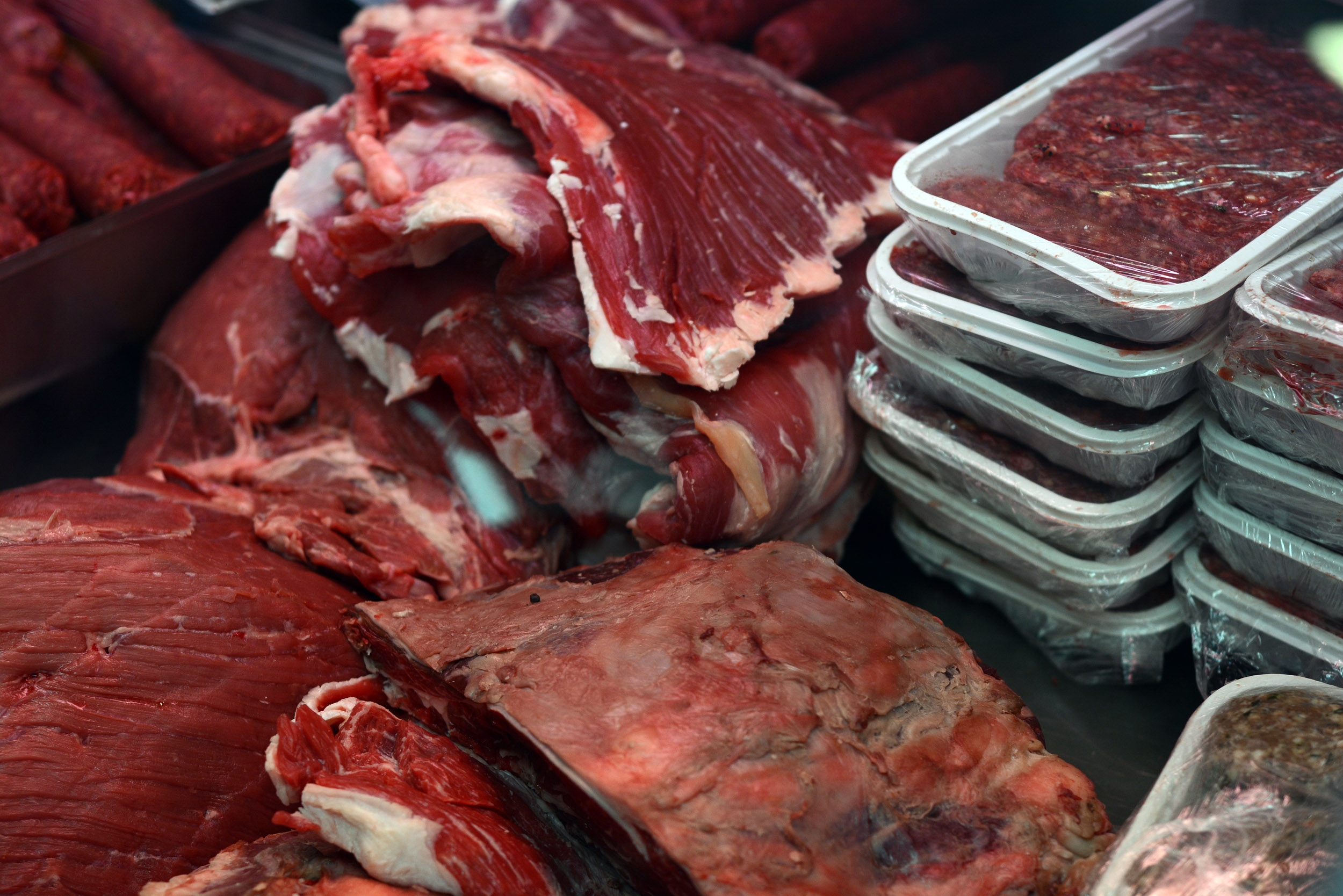
These are general reference images (not product listings and not a store). They illustrate environments and outcomes that conveying must support: preparation, cold chain staging, and packaging presentation that stays intact.

Stable flow supports consistent preparation and reduces unnecessary handling across high-care rooms.
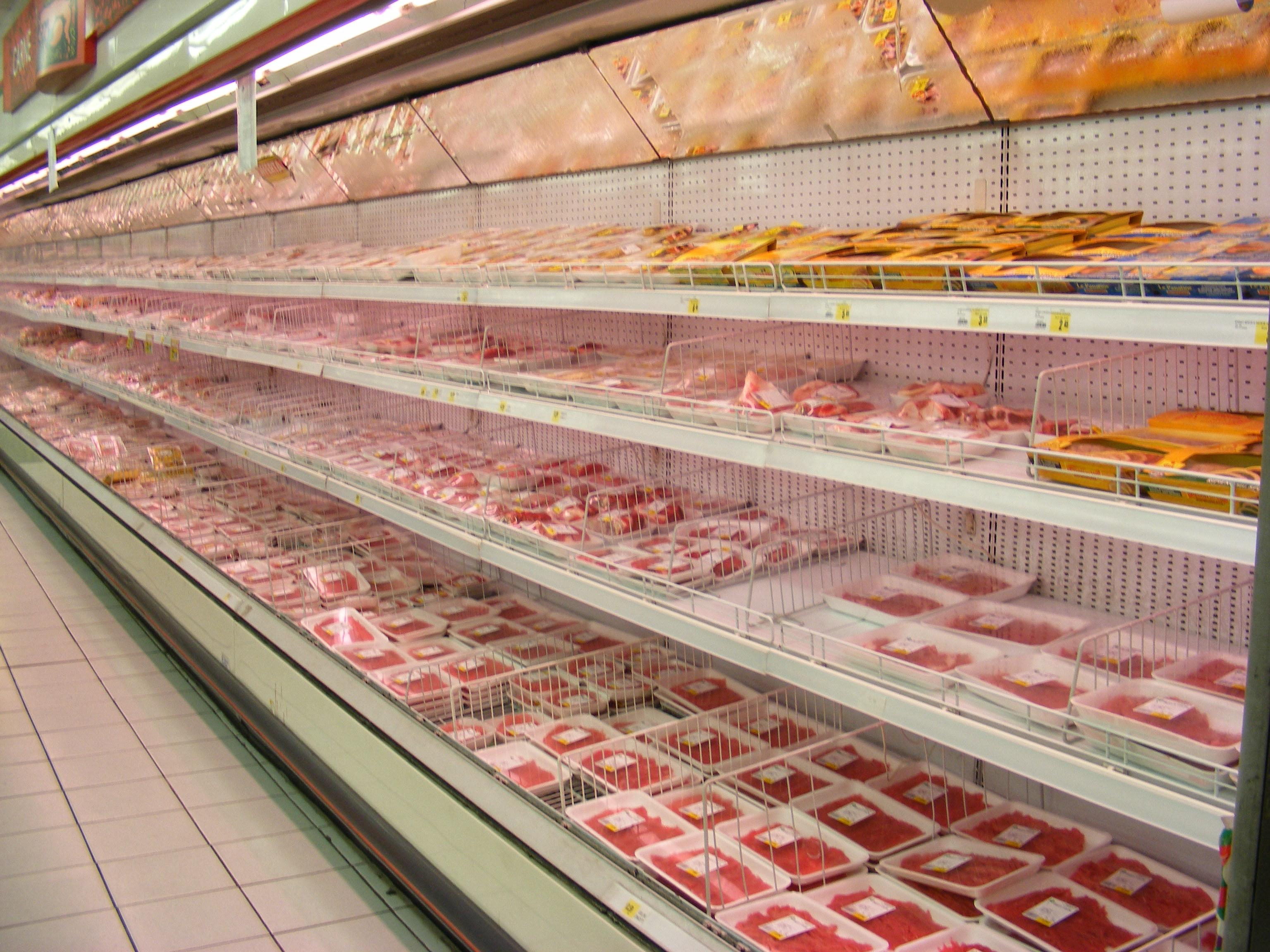
Packaging integrity improves when staging and pack-off are controlled and predictable.
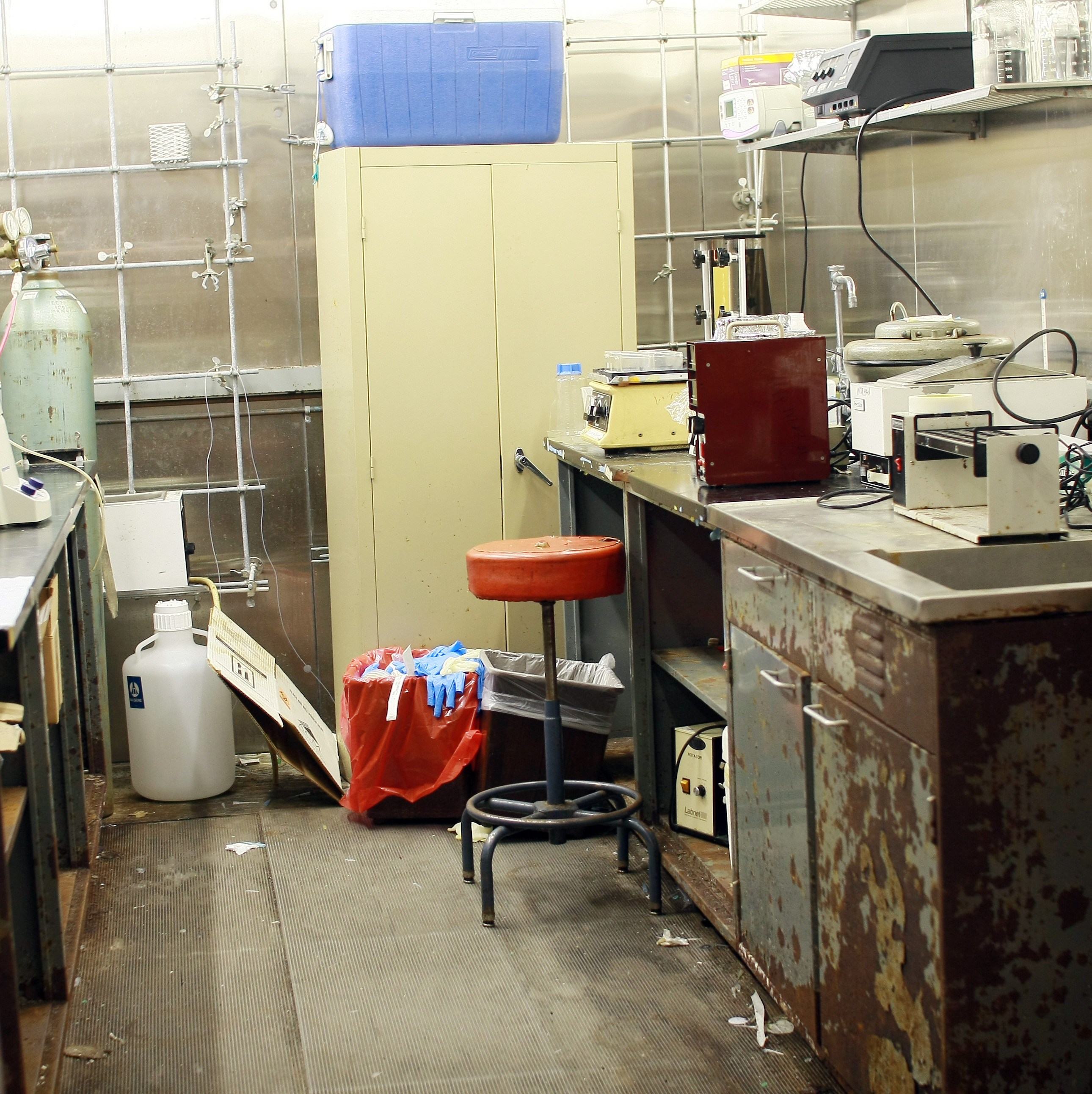
Cold chain environments influence conveyor layout choices and sanitation routines in Meat Processing and Packing.
Every facility has unique products and process steps, but the core needs repeat: stable movement, controlled spacing, cleanable surfaces, and predictable pack-off. CSA conveyor builds typically support preparation lanes, inspection points, weighing stations, packing feeds, and dispatch staging.
Chilled environments demand components and layouts that handle temperature cycling and frequent cleaning. Conveyors should support quick clean-downs without forcing unnecessary dismantling.
Frozen handling adds constraints: product rigidity, condensation, and packaging damage risk. Controlled transfers and stable traction support predictable outcomes and reduce jam points.
Often, the biggest gains come from removing chaos rather than adding complexity: fewer cross-overs, cleaner transfers, better planned staging. The result is higher consistency and easier sanitation.
Maintenance is where lines quietly lose margin. Emergency fixes, improvised parts, and “temporary” solutions that become permanent are indicators of a system not designed for practical servicing. CSA builds for service access so routine work can be done predictably and safely.
CSA supplies spares for conveyor systems we manufacture. This ensures belts, components, and fit align to the build intent. In high-care rooms, mismatched parts can create tracking issues, increased wear, and hygiene complications that cost far more than the part itself.
Volumes change due to seasonality, new contracts, and product mix shifts. The goal is not “maximum speed”. The goal is stable output without compromising hygiene and handling. A disciplined conveyor backbone supports steadier throughput and easier planning.
CSA designs layouts with expansion logic in mind. That includes identifying where controlled accumulation, buffer zones, and station additions can be introduced later without breaking flow or creating sanitation trouble spots. Scaling should not turn your operation into a daily recovery exercise.
Buffering reduces downstream stoppages without turning product handling into a pile-up problem.
Speed matching prevents overfeeding and underutilisation, improving consistency across the room.
Routing designed with realistic add-ons supports growth without reworking the entire line.
Stability is the KPI that matters. If scaling increases manual handling or hygiene pressure, it is not growth. It is risk.
Meat Processing and Packing sits inside the wider hygiene-driven world. CSA supports adjacent sectors where cleanability, uptime, and predictable conveying are core requirements.
CSA supports operations across the continent with engineered systems and spares for CSA-manufactured conveyors. If you require support in your region, we’ll confirm feasibility and whether installation and commissioning are available in that area.
A stable line starts with process reality: product type, throughput, station layout, sanitation routine, and where flow breaks down. CSA uses that to propose a conveyor configuration that supports practical handling and predictable maintenance.
Installation and commissioning are offered in selected regions only. Where offered, CSA supports correct setup and practical handover. Where not offered, we provide documentation so local teams can install correctly without improvising hygiene-critical details.
If you want stable performance, the conveyor system should help the room behave, not force the room to constantly adapt around it.
A conveyor upgrade should not be guesswork, and it definitely should not be a “we’ll see when it arrives” surprise. The cleanest projects start with a specification that matches the real operating conditions: product temperature range, cleaning routine, operator stations, and the bottlenecks that actually slow the line down.
For Meat Processing and Packing environments, the most important input is how the room behaves between wash-downs. If cleaning is frequent, the design needs access and sensible drainage. If the room is chilled, the layout must consider moisture, condensation points, and safe working movement. If the packing end is sensitive, transfers and staging must protect presentation and prevent product from bunching or tipping.
If installation and commissioning are required, CSA can provide these services in selected regions only, subject to feasibility and scheduling. Where on-site support is not available, we provide guidance and documentation to help the client-side team install correctly and avoid avoidable hygiene and tracking issues.
CSA also supplies replacement spares for the conveyor systems we manufacture. This is not stubbornness, it’s quality control. Correct-fit parts reduce tracking instability, reduce premature wear, and prevent “mystery modifications” from turning into downtime. That’s how you keep performance consistent over time without constantly chasing problems that should never have existed.
In short: Meat Processing and Packing conveyor projects work best when the specification is built around real operating behaviour, not assumptions. Stable flow, cleanable design, and practical service access are what keep output consistent long after the project is “finished”.
In Meat Processing and Packing, the best conveyor system is the one that quietly keeps pace without forcing operators to “manage” the equipment. When transfers are predictable and staging is controlled, hygiene routines stay consistent and packing quality remains stable.
CSA designs and manufactures conveyor systems that support Meat Processing and Packing with practical layouts, cleanable access, and spares support for CSA-manufactured systems only. That protects fit, performance, and long-term reliability.
If your line needs frequent manual intervention to keep moving, a structured redesign of the Meat Processing and Packing conveyor path is usually the fastest way to recover output.
Yes. Conveyor Supplies Africa (CSA) designs and manufactures conveyor systems for Meat Processing and Packing environments, selected for wet processing areas, chilled handling, hygiene control, and predictable product flow into packing.
Yes. In meat processing, bottlenecks usually occur at transfers, inspection points, and pack-off. CSA focuses on controlled transitions, stable presentation, and pacing so downstream stations receive product consistently.
No. CSA is not an online store. We supply engineered conveyor systems and matched components as part of an overall solution, not individual “off-the-shelf” part sales.
CSA supplies spares and replacement components for conveyor systems manufactured by CSA. We do not supply spares for third-party conveyor systems, as fit, hygiene intent, and performance cannot be guaranteed.
Belt selection depends on the process zone, sanitation routine, temperature range, and product condition. Meat processing applications typically require food-grade belts that tolerate moisture, fats, temperature changes, and frequent wash-down while maintaining stable tracking.
Yes. CSA designs for cleanability, inspection access, drainage control, and reduced product traps so sanitation routines are effective and restart behaviour is predictable after cleaning.
Installation and commissioning are available in selected regions only, depending on project scope, logistics, safety requirements, and site readiness. Some projects are supply-only; others include on-site installation.
At minimum: product type, throughput target, processing and packing stations, hygiene and wash-down routine, temperature zones, available space, and the main operational constraint such as transfers, pack-off congestion, or sanitation downtime.
No. CSA focuses on non-mining industrial sectors including food and beverage, packaging, warehousing, logistics, agriculture, and regulated environments. We do not service mining operations.
Note: The FAQ schema below mirrors the visible questions and answers. Google prefers FAQ schema that exactly matches on-page content.
If your line relies on constant adjustment, manual rescue, or “tribal knowledge” to function, the issue is structural. A properly engineered Meat Processing and Packing conveyor system should support the process quietly, not demand daily attention.
Engage CSA to review your application, confirm feasibility, and determine whether our conveyor systems are the right fit for your operation. If they are not, we will tell you that too. It saves time, budget, and unnecessary optimism.
