Generic selectors
Exact matches only
Search in title
Search in content
Post Type Selectors
CSA Product Hub | Africa-ready supply + support

Belting that keeps lines stable, clean, and serviceable

This hub brings together PU belting, PVC belting, and Modular belting so you can compare performance, maintenance reality, and application fit in one place. Conveyor Supplies Africa supports operations that care about predictable uptime, practical cleaning routines, and spares that actually match what you run.

The goal is straightforward: reduce stoppages caused by slip, drift, tracking problems, damaged edges, poor transfers, and the classic “it worked on paper” mistake. We supply belt solutions, accessories, and the system thinking around them, including custom manufacturing where your conveyor geometry or duty cycle needs more than an off-the-shelf compromise.

This hub mirrors the child pages, so you can go deep when you are ready: PU Belt, PVC Belt, and Modular Belt. Use the hub to get orientation, then use the child page to specify accurately.

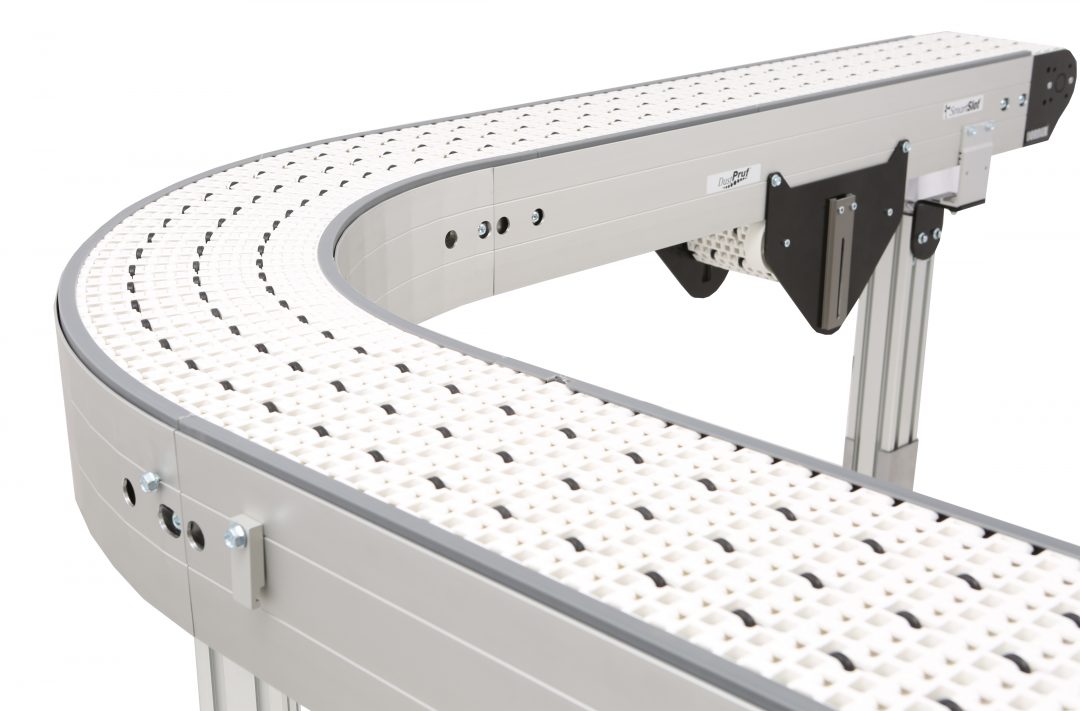
Curved modular conveyor surface for stable product flow
Three core typesPU belting, PVC belting, Modular belting
Fabrication-readyCleats, guides, sidewalls, splicing options
Serviceable designSelection built around cleaning + maintenance reality
Cross-border supplyAfrica-focused lead times and support paths

What this Belting hub helps you decide

Conveyor belts are not a single “one size fits all” product category. Performance is tied to conveyor geometry, product behaviour, the cleaning routine, and the maintenance capability on site. This page is written to keep selection practical: what type of belt works best, what surfaces and fabrication options matter, and what questions prevent mistakes before you buy.

For neutral background definitions, see conveyor belt and material handling. Then come back here for the operational detail: belt behaviour through transfers, inclines, curves, wet zones, hygiene zones, and long shift patterns where small problems compound fast.

1) Choose the right belt family

  • Start with product behaviour and environment
  • PU belting for hygiene-focused or controlled-flow applications
  • PVC belting for broad industrial handling and packaging flow

2) Decide surface + traction

  • Surface controls slip, marking, and cleanability
  • Textures, diamond patterns, rough tops, and visibility colours
  • Traction choices should match cleaning, not fight it

3) Confirm fabrication + support

  • Cleats, guides, and sidewalls stabilise flow and containment
  • Splicing and fast changeovers influence downtime planning
  • Transfers and alignment belong in the specification, not as “later items”

Practical rule: repeated failures are often blamed on “the belt”, but the root cause is commonly transfer geometry, alignment, tensioning behaviour, or a surface choice that does not fit the environment. This hub is structured to reduce those repeat cycles.

Belting overview: PU vs PVC vs modular (what changes in practice)

There is no “best” option. There is only the best match for conveyor behaviour, product stability, environment, and maintenance reality. The three categories below cover most operations that need stable conveying without constant intervention.

Type 1: PU belting (clean handling and controlled flow)

PU belting is commonly selected where cleanability, consistent surface behaviour, and controlled handling are priorities. It is frequently used for hygiene-focused environments, inspection zones, and controlled-flow conveying where the surface needs to behave predictably. Explore surfaces and fabrication features on the child page: PU Belt.

The operational win is consistency. The operational risk is incorrect traction, poor transfers, or missing fabrication requirements. If a belt is easy to clean but slips on an incline, it is not a solution. Incline angle, product contact, cleaning method, and transfer detail must be part of the scope.

Type 2: PVC belting (durable, flexible, widely used)

PVC belting is a broad industrial workhorse used across packaging lines, warehousing flow, logistics handling, and general conveying where durability and value matter. Surface options (smooth, rough top, diamond patterns and more) make it adaptable, but also easier to specify incorrectly if the environment is ignored. For deeper guidance, see: PVC Belt.

The most common failure pattern is repeat drift or edge wear caused by alignment and transfer geometry. The belt gets replaced and the same behaviour returns. A proper scope fixes the cause: pulley condition, tensioning, tracking support, and transfers that reduce snagging and impact.

Type 3: Modular belting (section repairs, curves, maintenance strategy)

Modular belting is often chosen when maintenance predictability matters more than “replace an entire belt surface when it fails.” Modular systems use interlocking modules, enabling section repairs and structured spares. It is also a strong option for curves and direction changes when guiding and sprockets are specified correctly. Explore options on: Modular Belt.

The operational win is faster repairs and a more predictable spare strategy. The main risk is compatibility: pitch, sprockets, guides, and wear surfaces must match the conveyor design.

Summary: selection is a trade-off between cleanability, traction, geometry, and maintenance strategy. The child pages exist so you can specify accurately.

Decisions that prevent expensive belt mistakes

The smartest way to specify a conveyor belt is to break the decision into the things that change performance: product behaviour, traction needs, environment, conveyor support style, and transfer points. When those are defined, the rest becomes predictable.

Product behaviour (what the surface must control)

  • Weight, footprint, packaging stiffness, and stability in motion
  • Whether the product rolls, slides, tips, or marks easily
  • Whether the line must support indexing, spacing, or accumulation

Environment (what tries to destroy performance)

  • Wet zones, oils/fats, temperature swings, cleaning chemicals
  • Dusty or abrasive conditions that accelerate wear
  • How often the site cleans, and how cleaning is performed

Conveyor geometry (what forces the selection)

  • Curves, inclines/declines, and transfers that create impact
  • Small pulley diameters or tight spaces that affect flex life
  • Whether guiding, tracking support, or special surfaces are required

Belting selection checklist (send this with quote requests)

To quote accurately, send the details that drive performance: belt width, loop length (or centre distance), the smallest pulley diameter, conveyor speed, product type, and photos of transfer points. If the line includes an incline, include the incline angle and whether product slip is a known problem.

If you have a recurring issue, describe it directly: slip on an incline, drift to one side, edge wear, product snagging at a transfer, or inconsistent flow. Those symptoms usually point to a known set of fixes. Good outcomes come from disciplined inputs, not guesswork.

Examples from our child pages (real images that load)

These images are pulled from CSA child pages so they render reliably in WordPress. They also reinforce the three main belt families covered here. Only one image ALT on this page contains the focus keyword.

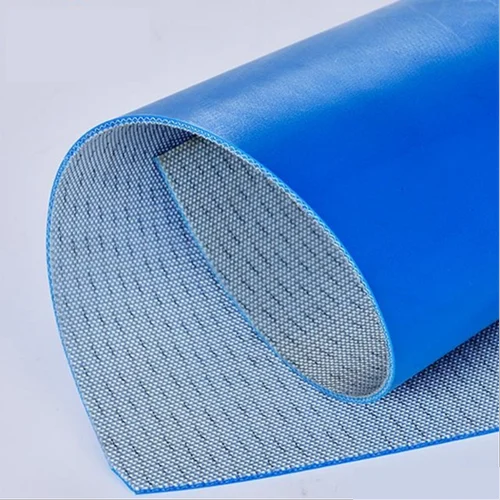
Blue polyurethane conveyor belt roll for clean handling applications
PU belting is commonly chosen for controlled handling and cleaning-focused environments where surface behaviour must stay consistent.
Belting example: green pvc conveyor belt roll for industrial conveying
PVC belting is widely used for packaging, logistics handling, and general industrial conveying where durability and value are key.
Curved modular conveyor surface for direction changes and stable transfers
Modular belting supports predictable section repairs and can be configured for curves when guiding and sprockets are specified correctly.

Images help with orientation, but the best results come from specifying the conditions that drive performance. If you are stuck between two options, describe the problem you are solving: better traction, better cleanability, faster section repairs, fewer tracking interventions, or improved transfer behaviour. Each of those points to a different surface choice and fabrication approach.

How to choose conveyor belts correctly (the details that protect uptime)

Most belt problems follow repeat patterns: product slips because traction is wrong, drift happens because alignment or tracking support is wrong, edge wear appears because guides and transfers are wrong, and premature wear happens because the environment is not reflected in the specification. This section covers the decision points that keep a line stable over long shifts.

Start at the transfer points

Transfers are where surfaces get punished. If the gap is too large, product snags or drops and impacts the belt. If the transfer is poorly aligned, product catches and pulls the belt sideways. If there is no proper support under the belt at the transfer, the belt flexes and fatigues. If you replace the belt without correcting transfers, the failure pattern often returns.

When you request a quote, include photos of transfers and note the direction of travel. If the conveyor uses nose bars, small pulleys, or tight transfers, that affects belt choice immediately. A belt performs only when the conveyor geometry supports it.

Traction is a controlled compromise

Traction fixes slip, but traction also changes cleaning effort and wear patterns. Deep textures can trap residue. Aggressive grip can increase friction and drag. Smooth surfaces can be easy to clean but may slip when moisture or oils are present. The right surface is the least aggressive option that still achieves control, based on the product and the environment.

This is where the child pages help: PU belting offers hygiene-focused surfaces and visibility options, PVC belting offers versatile industrial surfaces and backings, and Modular belting offers module styles aligned to drainage, support, and maintenance strategy.

Support style changes wear and power draw

A belt running on a slider bed behaves differently from a belt running on roller supports. Slider beds can increase friction and heat if the backing is not chosen correctly. Roller supports can reduce friction but require correct spacing and alignment to avoid bounce and tracking issues. Confirm the support style in your scope because it influences drag, motor load, and belt life.

Fabrication: cleats, guides, sidewalls, and why “standard” often fails

Fabrication is where reliability is built. Cleats prevent rollback on inclines and keep spacing consistent. Guides reduce drift in demanding layouts. Sidewalls improve containment and reduce spill zones that become daily cleaning problems. Splicing choices determine whether the belt runs smoothly or introduces a repeating bump that affects tracking and product stability.

If you have replaced a belt and watched the same issue reappear, fabrication and conveyor geometry are the first suspects. A belt can be excellent, but if it is not guided correctly, or if the transfer point is wrong, it will still fail early. That is not bad luck. That is incomplete specification.

Maintenance planning (what reduces downtime)

Maintenance wins are usually simple: inspect tracking patterns, check pulley condition, verify tensioning behaviour, and correct small alignment issues before they become edge wear. Also stock the consumables that stop the line: spare belt sections or planned replacement lengths (depending on belt type), plus compatible accessories aligned to your installed system.

If you run modular systems, the spare strategy usually includes compatible modules, pins, and sprockets. If you run continuous belts like PU belting or PVC belting, spares often include an emergency belt or a planned replacement schedule, plus fastening or splicing options aligned to downtime windows. The goal is predictable repairs, not improvisation.

If your team is also managing broader conveyor reliability, align your belt plan to the rest of the system: Parts & Spares, Services, and Conveyor Systems. Uptime improves fastest when scope is aligned.

If the problem is “the belt keeps drifting”, the fix is rarely “tighten it more”. That approach often accelerates wear and hides the real issue. Correct behaviour comes from alignment, correct support, correct transfers, and suitable guiding.

For Africa operations: keep specs clear, spares predictable, and supply practical

Cross-border operations and multi-site maintenance plans benefit from one thing: consistency. When belt specifications vary wildly between sites, spares become unpredictable and repairs slow down. When specs are standardised where practical, maintenance becomes repeatable. That is why this hub emphasises disciplined inputs and clean selection paths.

If you supply multiple regions, use Countries to align supply planning and keep baseline standards across sites. If application conditions vary by sector, use Industries to map belt choices to cleaning routines, throughput demands, and handling constraints.

Multi-site standardisation

Standardise belt families where practical, keep fabrication rules consistent, and reduce the number of unique spares that must be stocked. This improves response time and reduces procurement errors.

  • Fewer SKUs to manage
  • Faster repairs and fewer wrong orders
  • Cleaner maintenance documentation

Operational clarity

A clear scope prevents “quote confusion”. The more precise the inputs, the faster pricing can be aligned to what you actually need.

  • Width, length, speed, pulley diameters
  • Environment notes and cleaning method
  • Photos of transfer points and belt behaviour

Lifecycle thinking

The cheapest belt is not the cheapest outcome. The best outcome is predictable uptime, manageable cleaning time, and repairs that do not require improvisation.

  • Planned maintenance beats reactive downtime
  • Correct surfaces reduce housekeeping pain
  • Compatible spares keep repairs calm

Why Choose Conveyor Supplies Africa for Belting

Plenty of suppliers can sell belt by the metre. Fewer can help you specify Belting so it tracks, carries, cleans, and survives your real duty cycle. Conveyor Supplies Africa focuses on practical outcomes: stable flow, reduced stoppages, and belt scopes that match the system, not just the invoice line item.

We also support custom manufacturing where the conveyor layout, footprint constraints, or duty cycle requires a purpose-built approach. The belt performs best when the conveyor, guiding, transfers, and wear surfaces are aligned.

Specification-first support

  • We help define inputs that change performance
  • We focus on traction, transfers, and maintenance reality
  • We recommend practical fabrication where needed

Lifecycle planning

  • Align belts with Parts & Spares planning
  • Support via Services for stability and fixes
  • Repeatability over trial-and-error

Clear internal paths

FAQ

What does this hub page cover?

It covers selection across PU belting, PVC belting, and Modular belting, including surface and traction decisions, fabrication options, transfer considerations, and maintenance planning.

When should I choose PU belting?

Choose PU belting when controlled handling, cleaning-focused routines, and consistent surface behaviour are priorities. Final selection depends on traction, transfers, and fabrication needs. Use PU Belt for detailed options.

When should I choose PVC belting?

Choose PVC belting for industrial conveying, packaging flow, and general handling where durability and value are key. Performance depends on matching surface/backing to the environment and support style. Use PVC Belt for detailed options.

When should I choose modular belting?

Choose Modular belting when predictable maintenance and section repairs matter, and for layouts that suit modular design such as certain curves. Compatibility with sprockets, guides, and wear surfaces is essential. Use Modular Belt for detailed options.

What information helps you quote accurately?

Provide belt width, loop length (or centre distance), smallest pulley diameter, conveyor speed, product type, and photos/video of transfer points. Add environment notes (wet, oils, temperature, cleaning method) and whether there are inclines or curves.

Why does a belt drift or wear on the edges?

Drift and edge wear are commonly caused by alignment issues, worn pulleys, poor tensioning behaviour, guide setup, or transfer geometry. Replacing the belt without correcting those causes often repeats the same failure pattern.

Page Contents