Generic selectors
Exact matches only
Search in title
Search in content
Post Type Selectors
Home / Countries / Mozambique

Mozambique Conveyor Support for Non-Mining Industries

Mozambique operations in agriculture, food handling, logistics, warehousing, packaging, forestry, and general manufacturing depend on stable product flow to protect throughput and keep dispatch predictable. When movement becomes unreliable, the cost shows up everywhere: queueing at receiving, slow handoffs between stations, rushed quality checks, and missed collection windows that snowball across an entire shift.

Conveyor Supplies Africa supports non-mining sites serving Mozambique with an uptime-first approach: correctly specified industrial conveyors, practical conveyor systems layout support, fit-for-purpose conveyor belts selected for traction and cleaning routines, durable conveyor rollers matched to load and environment, and a structured conveyor spares plan so recovery stays controlled when wear eventually occurs.

In real facilities, “flow” is not a nice-to-have. It is the difference between calm operations and constant firefighting. A reliable conveyor creates breathing room for teams: staging stays organised, picking accuracy improves, and packing teams stop compensating for upstream problems. That stability is especially valuable when operations run seasonal peaks, strict delivery windows, or mixed product profiles that change by day.

Non-Mining Focus
Cross-Border Supply Support
Custom Manufacturing of Conveyors & Rollers
Belting + Rollers + Spares Strategy
Fast quote checklist

Get a faster, more accurate quote for Mozambique

When a quotation is built from real site inputs, the result is simpler, more reliable, and easier to maintain. The biggest wins usually come from fundamentals: the right belt surface for the product, the right roller family for the environment, and transfer design that avoids recurring jams and edge wear.

Share the information below and we will recommend a practical route that supports stable flow. This also helps define a focused conveyor spares shortlist so the line can recover quickly if a high-wear item fails during peak throughput cycles serving Mozambique.

  • What you move: cartons, totes, packaged goods, produce, sacks, drums, or timber packs + typical unit weight
  • Throughput goal: units/hour or cartons/hour, including peak windows and dispatch deadlines
  • Environment: dust, humidity, washdown cleaning, cold storage, outdoor yard, or mixed conditions
  • Dimensions: length, width, height changes, merges/curves, and number of transfer points
  • Photos/video: transfers, problem zones, belt edge wear, and jam locations

One question improves every decision: what stops the line today? In many non-mining facilities, repeated stoppages trace back to a few patterns: tracking drift, roller drag, weak transfers, contamination buildup, or missing spares that delay recovery. Fix the root cause and the conveyor becomes a predictable asset, not a daily maintenance distraction for sites serving Mozambique.

Also include how teams actually work. If maintenance happens after-hours only, we design for faster access and fewer special tools. If cleaning happens mid-shift, we bias toward surfaces that shed contamination and transfers that do not trap product. If operators must switch between product types, we plan for stability across variation instead of optimising only for one “perfect” scenario.


Important: We exclude mining sector content everywhere. This page supports non-mining industries and practical material flow applications for Mozambique.
Mozambique industrial conveyor support for stable warehousing staging and dispatch flow
Decision support

Help Me Choose: specifying Mozambique conveyor solutions that work in real conditions

Conveyors rarely fail because the idea was wrong. They fail because the selection assumed ideal behaviour: perfect loading, perfect cleaning, perfect maintenance, and perfectly consistent product. Real operations are messy. A resilient design anticipates variation and still stays stable.

For sites supporting Mozambique, the most reliable decision framework is simple: define the product, define the environment, define the throughput goal, then select belt surface, roller family, and transfer geometry that supports stable flow under imperfect conditions. This thinking removes repeat jams and reduces the “daily firefighting” cycle.

Here is the part people skip because it sounds boring: “flow consistency” is built from small decisions. Roller spacing, belt stiffness, transfer geometry, containment and return-side cleanliness. When those details are right, the conveyor behaves predictably. When they are wrong, teams spend their time compensating manually, which increases handling risk and lowers output.

1) Start with the product

Cartons, totes, packaged goods, produce, bags, and timber packs behave differently. Load determines belt surface, support spacing, roller diameter, and transfer design. Strong outcomes begin with the product and handling method, not the catalogue page.

Also consider arrival behaviour: wet, dusty, strapped, stacked, or temperature-conditioned. Those realities change traction and wear patterns and matter for stable results serving Mozambique.

Finally, define how product is introduced onto the belt. Uneven loading is normal. A good design tolerates imperfect loading and still keeps tracking stable.

2) Define the environment

Dust challenges open bearing arrangements. Washdown demands cleanability and better finishes. Humidity punishes weak sealing. Outdoor yards need durability and access planning. The environment determines whether downtime becomes occasional or constant.

When the environment is considered upfront, the conveyor behaves predictably and maintenance becomes routine, which is the goal for operations supporting Mozambique.

Environmental thinking also includes the human workflow. If cleaning is done quickly, design for quick cleaning. If maintenance access is limited, design for quick access.

3) Make the goal measurable

Are you trying to reduce jams, increase throughput, protect product quality, or stabilise dispatch? A measurable goal produces clearer design decisions and avoids overengineering.

Examples: reduce stoppages per shift, reduce labour steps per unit, or shorten staging time. Those targets help prioritise improvements across lines serving Mozambique.

Measurable goals also help justify spares. If a line must recover within a set time, a spares kit becomes a requirement, not an “optional extra”.


Practical reality: most downtime is predictable. Tracking drift, roller drag, weak transfers, contamination buildup, and missing spares. Solve the basics properly and the conveyor becomes stable and boring, which is exactly what you want.

A common trap is replacing the most visible worn item instead of the most disruptive failure point. A belt can look rough and still run. A single seized roller can look fine and quietly destroy performance. The smarter approach is to map stoppage points and fix the highest-impact zones first.

Another high-return tactic is standardisation. A small set of belt types, a small set of roller families, and a consistent joining method reduce mistakes and speed up repairs. Standardisation improves uptime without forcing complexity on teams supporting Mozambique.

If you are unsure where to begin, start at transfers. Transfers create most jams, most spillage, and most edge wear. Improving one transfer can remove multiple downstream symptoms and stabilise flow quickly.

If you want a quick diagnostic, listen to the line. Squealing rollers, uneven belt movement, frequent resets, or operators “babysitting” a transfer point are all reliable signals that the design can be improved. Those improvements usually pay back faster than major rebuilds because they remove repeat stoppages instead of treating symptoms.

Scope

What we supply and support for Mozambique

Conveyor Supplies Africa supports non-mining facilities with complete solutions and targeted component supply. The goal is stable flow and predictable maintenance. Many sites get the best return not by rebuilding everything, but by stabilising high-wear zones, selecting the right belt surface, improving transfers, and aligning spares so downtime can be controlled.

Where operations run seasonal peaks or dispatch-driven schedules, the cost of downtime extends into labour, quality, storage constraints, and delivery commitments. That is why we approach industrial conveyors as systems with lifecycles, not as one-off parts, especially for supply chains supporting Mozambique.

We also focus on serviceability. A conveyor that cannot be maintained easily will not be maintained consistently. Serviceability means access panels where needed, sensible guarding that can be removed quickly, and components that can be replaced without “creative improvisation” that turns a small fault into a long stoppage.

conveyor systems

Layouts for transport, transfer, staging, merges, and controlled flow. We configure conveyor systems to be serviceable so technicians can reach problem zones quickly without dismantling half the line.

Where equipment already exists, we focus on stabilisation and integration rather than disruption. That means better transfers, improved tracking, and practical improvements that deliver value quickly for sites supporting Mozambique.

For expansion planning, systems can be designed with future lanes, additional merges, or bypass options in mind. This keeps growth practical instead of forcing costly rebuilds later.

conveyor belts

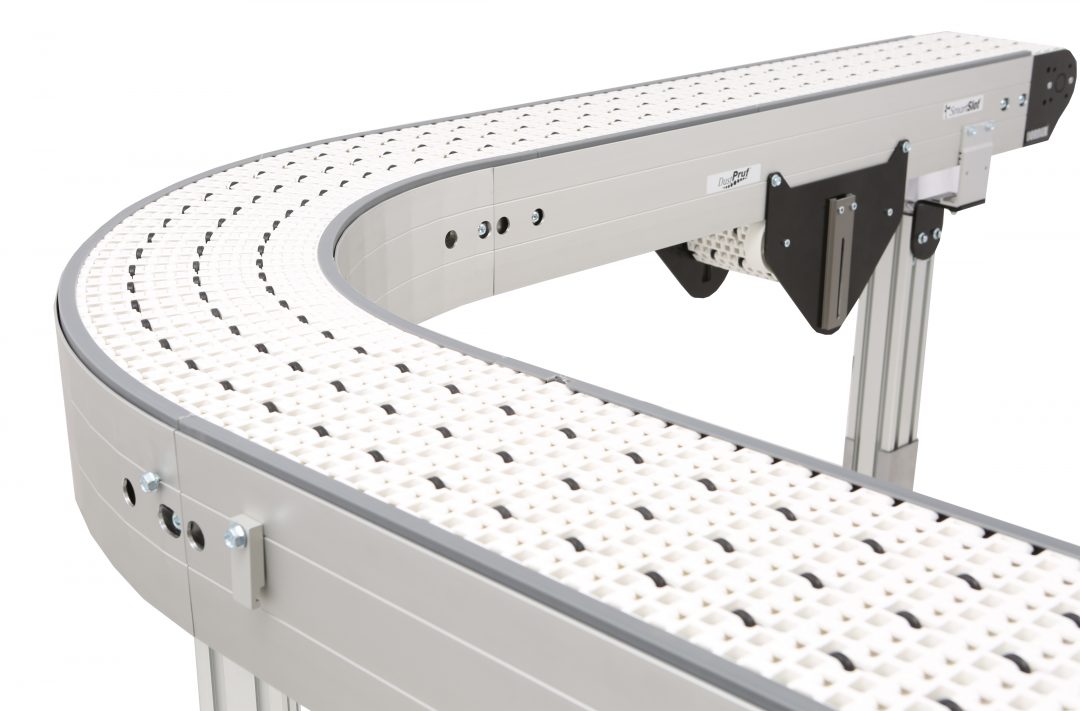
We supply conveyor belts matched to product, environment, and cleaning routines. PVC conveyor belts are a practical choice for many handling applications. PU conveyor belts are commonly preferred where hygiene and cleanability are priorities. For applications that benefit from section replacement and stable surfaces, modular belt conveyors can reduce downtime impact.

Correct belting selection is one of the strongest contributors to predictable tracking and stable flow.

We also help teams plan the “boring” details that matter: belt edge protection at transfers, appropriate nose bars or transfer plates where needed, and cleaning access so buildup does not become the root cause of tracking issues.

conveyor rollers

conveyor rollers should match load, speed, and the actual environment. Standardising roller families reduces procurement confusion, shortens repairs, and prevents “wrong part” delays that turn small faults into long stoppages.

Targeted roller replacement is often the quickest route to stabilise flow in non-mining facilities serving Mozambique.

Where dust and humidity are realities, sealing and bearing choice matter. The right roller spec reduces drag, improves belt behaviour, and lowers the likelihood of sudden bearing failures during peak throughput periods.

conveyor spares

conveyor spares planning prevents preventable downtime. Critical items include rollers, bearings, joining supplies, wear parts, and tracking components. A small, practical spares kit often saves large downtime cost.

We help define what to keep locally, what to standardise, and what becomes critical path for recovery.

A practical spares plan also reduces pressure on teams. When the right items are available, repairs happen correctly instead of becoming rushed “make it work” fixes that create repeat failures.

belt fasteners and joining

belt fasteners and joining strategy support controlled recovery. A consistent joining method reduces rushed repairs that create tracking drift and repeat failures.

Joining strategy should be planned as part of uptime, especially where peaks cannot tolerate extended downtime in supply chains supporting Mozambique.

We also consider training and tooling: if the join cannot be repeated reliably by the team on site, downtime risk increases. The best joining strategy is the one your team can execute correctly every time.

custom conveyor manufacturing

We support custom conveyor manufacturing and custom manufacturing of conveyors and rollers where standard options create unnecessary compromise. Custom does not mean complicated. It means fit-for-purpose, serviceable, and supportable over the life of the line.

This approach helps maintain stable performance without endless modifications and repeated stoppages for operations supporting Mozambique.

Custom builds can also standardise parts. The goal is not to create unique spares problems. The goal is to fit the footprint while keeping parts and maintenance practical.

Preventive maintenanceTotal cost of ownership

For multi-site operations, the quickest stability improvement is consistent specification. When the same belt families, roller families, and joining tools are used across sites, repairs become repeatable and errors reduce. This supports predictable maintenance and reduces downtime stress for teams serving Mozambique.

For new lines, we recommend designing access as a first-class requirement. If a transfer or wear point is hard to reach, it will not be maintained consistently. Access design is the quiet difference between stable operations and recurring disruptions.

Finally, remember the lifecycle view: belt selection, roller selection, and spares planning are connected. If the belt is correct but the rollers are wrong, the system will still fail. If the components are correct but spares are missing, recovery will still be slow. When all three are aligned, the conveyor becomes an operational asset.

Non-mining industries

Mozambique conveyor solutions for agriculture, food, logistics, packaging, warehousing and forestry

Different industries stress conveyors in different ways. Packhouses require gentle handling and consistent rhythm. Food environments require cleanability and practical access. Logistics and warehousing require predictable staging to protect dispatch performance. Packaging lines demand stability at higher speeds. Forestry requires robust duty-cycle thinking. The common requirement is still the same: stable movement supported by serviceable design and aligned spares.

If you want a reliable test for any conveyor design, ask how it behaves when conditions are imperfect: when loading is uneven, when dust builds, when cleaning is rushed, and when repairs must be done quickly. Designs that respect reality perform better over time for operations supporting Mozambique.

In many sites, the “problem” is blamed on workers or on product variation. Most of the time it is simply a design that is too sensitive. A conveyor should tolerate variation and still run predictably. That is how you reduce jams, protect packaging, and keep staging lanes calm during peaks.

Agriculture and packhouses

Agriculture-driven operations often experience peaks that strain flow. Conveyor selection must support throughput without damaging product or forcing manual handling. Stable transfers and appropriate belt surfaces reduce jams and protect quality.

  • Receiving and infeed flow control for consistent processing rhythm
  • Sorting, grading, and packing lanes that reduce congestion
  • Dispatch staging that protects output and reduces rework

Agriculture

Food and beverage

Hygiene routines and cleaning realities drive selection. Belt surfaces, drainage, and access for cleaning can determine whether the line is easy to manage or becomes a daily struggle.

  • Cleanability-first design aligned to real cleaning routines
  • Stable transfers to reduce jams and protect packaging integrity
  • Component selection that supports predictable maintenance

Food processing

Logistics and distribution

Warehouses and distribution operations need controlled movement that reduces congestion and repeated handling. Staging zones and transfer geometry must support rhythm, not create bottlenecks.

  • Staging lanes for predictable dispatch flow
  • Controlled merges and transfers to reduce jams and rework
  • Aligned spares for fast recovery during peak cycles

Warehousing

Packaging and light manufacturing

Packaging lines amplify small problems. The key is consistency: stable belt behaviour, predictable transfers, and components matched to duty cycle. Consistency reduces jams and protects throughput.

  • Controlled movement between stations to avoid bottlenecks
  • Components matched to duty cycle and shift patterns
  • Practical spares kits that support predictable recovery

Packaging

Forestry and timber staging

Forestry and timber environments accelerate wear through debris, impact, and rough handling. Robust rollers, accessible maintenance points, and realistic spares planning reduce downtime and improve safety and stability.

Timber staging benefits from controlled transfers and stable flow that reduces manual handling and improves dispatch rhythm for operations supporting Mozambique.

Where debris is unavoidable, the aim is predictable maintenance: choose roller sealing and belt surfaces that cope with contamination, and plan inspection so issues are found early instead of during a peak dispatch window.

Forestry

Reminder: we do not supply mining conveyors. This page supports non-mining industry applications for Mozambique.

Two fast improvements often deliver outsized results: (1) improve transfer points to reduce jams and edge wear, and (2) standardise critical components so teams can repair quickly without confusion. This targeted approach usually produces the fastest uplift in stability and throughput.

A simple stoppage log also changes behaviour. Record time, location, symptom, and fix. Patterns appear quickly. Those patterns guide investment: a better transfer, a different belt surface, improved sealing, or a more practical spares kit.

If you want to improve performance without major disruption, prioritise the top three stoppage points. Fix those with targeted upgrades and proper spares alignment. That approach usually stabilises the line faster than “replacing everything”, and it does it with less operational chaos.

Components that decide uptime

Belting, rollers and spares that keep operations stable for Mozambique

The most expensive conveyor problem is repeated downtime from predictable causes. The “small parts” decide the outcome: belt behaviour at transfers, roller drag and sealing, and the availability of key spares when wear occurs. When these are aligned, operations become stable. When they are ignored, the conveyor line becomes a recurring distraction.

To keep uptime predictable, we focus on two disciplines: correct selection and repeatable maintenance. Correct selection makes the line behave. Repeatable maintenance keeps it behaving. Both are needed for stable performance in non-mining environments supporting Mozambique.

Think of this as risk management, not shopping. Belting affects tracking and cleanability. Rollers affect drag, tracking, and failure risk. Spares affect recovery time. If one of the three is neglected, operations feel the pain. If all three are aligned, uptime becomes boring, predictable, and measurable.

Belting that matches workflow

Belting choice is more than material type. It includes traction, cleanability, temperature behaviour, and how the belt handles transfers. Many sites select PVC conveyor belts for practical handling. Hygiene-driven sites often prefer PU conveyor belts. Where section replacement and drainage matter, modular belt conveyors can reduce downtime impact and simplify recovery.

  • PVC conveyor belts for general handling, staging and processing flow
  • PU conveyor belts for hygiene priorities and cleanability requirements
  • modular belt conveyors where drainage and section replacement are useful

Transfers are where belts suffer most. Improving transfer geometry often reduces jams and edge wear faster than any other change, especially where throughput peaks are tight.

We also consider the reality of cleaning and inspection. If your belt is hard to clean, buildup becomes a performance issue. If your transfer traps product, jams become “normal”. Good selection avoids both problems.

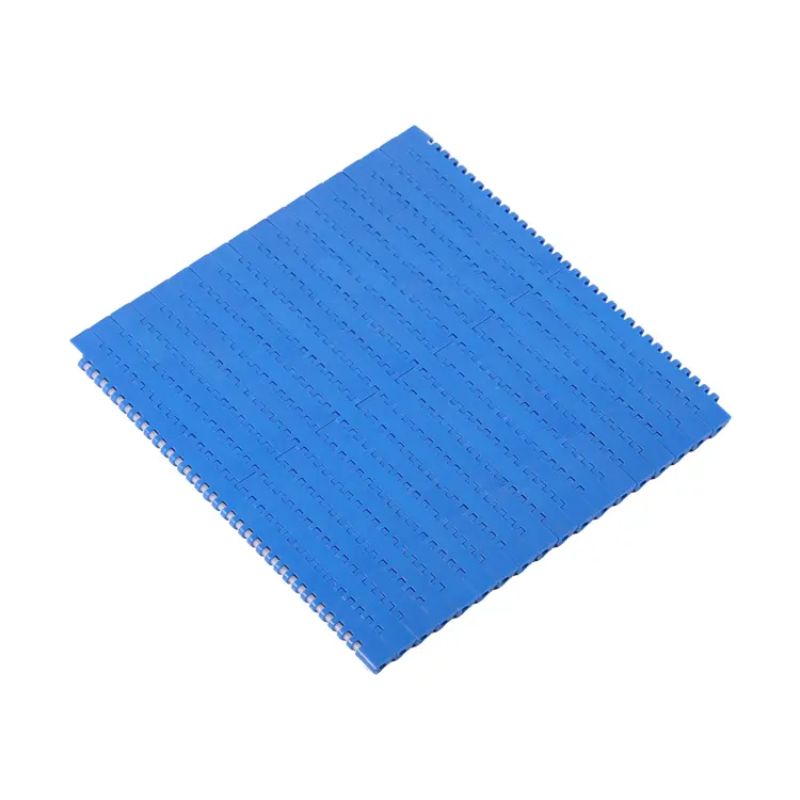
Flat top modular belt surface for stable transfers and packaging flow
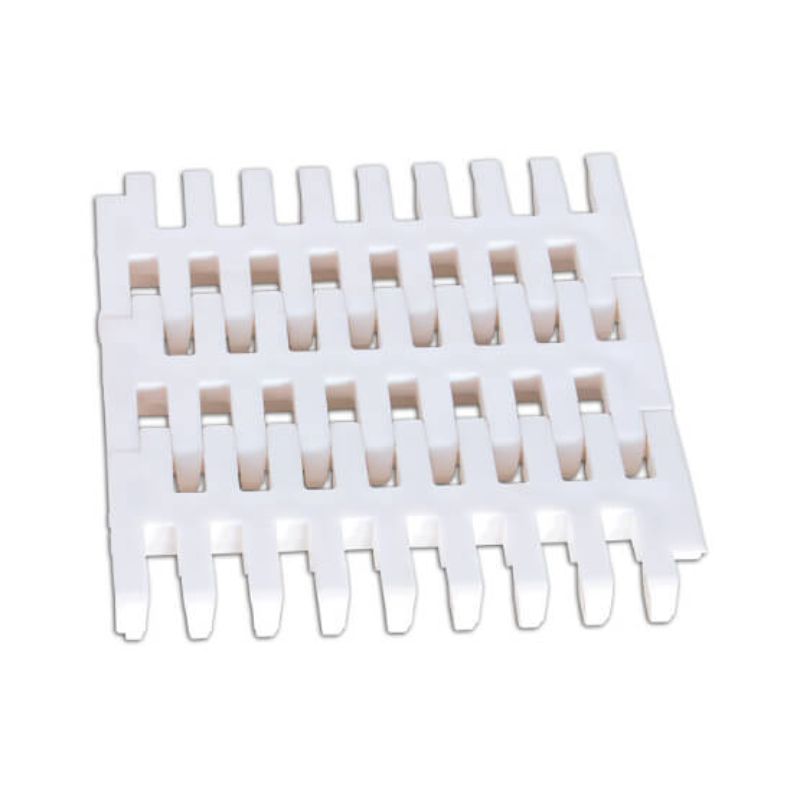
Flush grid modular belt surface for drainage and hygiene routines

Rollers that reduce daily stoppages

conveyor rollers fail in real conditions: dust, humidity, debris, misalignment, and rushed cleaning. When rollers drag, tracking becomes harder and drives work harder. When bearings seize, the line consumes power and loses time.

  • Match roller diameter and sealing to load and environment
  • Standardise a small set of roller types to simplify stock
  • Hold spare rollers and bearings for high-wear zones

Replacing rollers in the highest-wear zones often stabilises flow quickly and is one of the most practical interventions for non-mining lines.

Roller standardisation also reduces training requirements. When teams know what “normal” looks like, they can spot abnormal wear early and prevent failures instead of reacting to them.

belt fasteners and controlled recovery

Joining exists for one purpose: controlled, repeatable recovery. A consistent joining approach reduces rushed fixes that cause tracking drift and repeat failures. Where peaks cannot tolerate extended downtime, joining strategy becomes part of your uptime plan.

  • Choose joining profiles that match pulley diameter and clearance
  • Keep joining tools and pins on site to prevent repair delays
  • Align joining strategy with spares planning for predictable recovery

When joining is repeatable, belt behaviour becomes more consistent. Consistency stabilises tracking. Stable tracking stabilises flow.

We also recommend documenting the join method and keeping a simple “repair standard” on site. That prevents well-meaning repairs from creating long-term tracking issues later.

Conveyor belt

Mechanical joining set for repeatable belt repairs
Belt joining detail for serviceable maintenance routines
Conveyor rollers suited to staging lanes and transfer zones

Spares planning that prevents preventable downtime

A spares plan is not “extra cost.” It is the cost of avoiding dead time. Missing a simple component can stop a line and trigger a cascade of delays that affect labour, staging, quality, and delivery performance.

  • High-impact spares: rollers, bearings, joining items, wear parts, tracking components
  • Maintenance-friendly extras: mounts, guards, and practical consumables
  • Standardised items across sites to reduce ordering errors

Even a basic conveyor spares kit changes behaviour: teams stop improvising and restore performance faster.

Good spares planning also supports accountability. When the right parts exist, repairs are faster and better, and recurring faults become easier to analyse because the “unknown” variables are removed.

Practical rule: if a part fails often and stops production, it belongs in your spares kit. This approach supports consistent recovery and stable operation.

If you are building a spares kit from scratch, start with the highest-wear areas: transfers, high-load rollers, joining supplies, and the places where contamination collects. These zones create most stoppages and most maintenance time.

Another useful principle is “criticality.” Not every spare is critical. A critical spare is one that stops the line or creates a safety risk. Identify the top critical items first and stock those. This keeps the spares plan lean, practical, and effective.

The best spares plan is also realistic. It matches your team’s capability, your supplier lead times, and your operational tolerance for downtime. When those factors align, the plan protects throughput instead of becoming a shelf of forgotten parts.

Built to fit, not to “sort of work”

custom conveyor manufacturing for real-world constraints supporting Mozambique

Standard systems work well when the layout is standard. Many facilities have tight footprints, awkward routing, unusual loads, or integration constraints that standard solutions cannot handle without compromise. That is when custom conveyor manufacturing becomes valuable. We support custom builds and custom manufacturing of conveyors and rollers so the solution fits the workflow, the maintenance reality, and the site constraints.

Custom manufacturing can still be simple. The point is not complexity. The point is fit-for-purpose design that remains serviceable. When the solution is serviceable, technicians can reach wear points quickly, parts can be replaced correctly, and downtime remains controlled.

Custom builds also support standardisation. When a site has unusual routing, we can still design around a small set of preferred belt families, roller families, and joining tools. That keeps training and spares practical and prevents the “custom means chaos” problem that many operations teams dread.

Systems-first thinking

conveyor systems, transfers, belts, rollers and guarding behave as one unit. Solving the system problem is how component selection becomes simpler and outcomes become predictable.

Systems-first thinking also reduces wasted spend. Instead of replacing components repeatedly, the root cause is addressed and performance stabilises long-term.

Serviceability by design

Access, guarding, and standardised parts reduce repeat breakdown cycles. If maintenance is difficult, it will not happen consistently. Stable systems are designed to be maintained.

Serviceability includes the small details: reachable tension points, simple tracking access, and maintenance zones that do not require dismantling large sections of the line.

Spare strategy built-in

Custom builds should not create custom spares chaos. We standardise where possible so conveyor spares planning stays practical and procurement stays simple.

A built-in spares strategy also improves response time. Teams can restore throughput quickly and safely without guessing.

The operational goal is stability: predictable tracking, repeatable maintenance, and a spares approach that supports fast recovery for supply chains supporting Mozambique.

Planning for expansion is smart. If growth is expected, a design that allows extension, bypass lanes, or additional merges often saves significant money versus rebuilding later. When the future is considered upfront, the system remains flexible and stable.

Finally, plan inspection and cleaning. Time spent designing access is time saved every week for the rest of the system’s life.

Africa coverage

Countries we serve (internal links)

We support cross-border supply and practical selection for non-mining operations. Where teams run multiple locations, aligning component standards and spares is one of the most cost-effective ways to stabilise uptime and reduce procurement delays.

For regional operations, we recommend standardising belt widths, joining tools, and roller families. This reduces wrong-part orders and shortens repair time. It also makes maintenance training simpler, which helps when supporting multiple sites that include Mozambique.

A practical regional advantage is shared standards: the same joining method, the same roller families, and a consistent list of critical spares. This reduces confusion and speeds up recovery.

Standardisation also supports training. When teams see the same component families across sites, they learn faster, diagnose faults quicker, and restore throughput with less trial and error.

Industries

Industries we serve

We support non-mining operations across common industrial requirements. Each industry has different constraints, but the objective is consistent: stable conveyors, serviceable access, and spares planning that protects uptime.

Whether your operation moves produce, packaged goods, cartons, totes, or timber packs, the stability formula stays the same: correct belt selection, appropriate roller sealing, workable maintenance access, and a realistic spares plan. This is the operating logic behind reliable results for supply chains supporting Mozambique.

Quick reality check: transfers, roller condition, and missing spares usually limit performance more than “motor size”. Fix the basics and uptime improves fast.

If you are improving an existing line, start with the top three stoppage causes. Address those first. This targeted approach usually produces the fastest uplift in stability and throughput.

If you want to protect quality outcomes, also review containment and spillage. Spillage is not just “mess”. It is product loss, safety risk, and the start of contamination that later creates tracking issues. Good containment is part of uptime, not decoration.

Trust and outcomes

Why Choose Conveyor Supplies Africa

Many suppliers can sell a component. Fewer can help you specify the correct component for your environment and workflow and support the system so it stays stable over time. Conveyor Supplies Africa is structured around outcomes: smoother flow, fewer stoppages, safer lines, and maintenance that feels routine. We also custom manufacture conveyors and rollers where standard options create unnecessary compromise.

Our approach is uptime-first: align belt selection to product and environment, align roller selection to load and duty cycle, and align spares so the site can recover quickly when wear eventually occurs. This reduces repeat failures and prevents “panic maintenance” from becoming the operating norm for operations supporting Mozambique.

We also keep decisions practical. The objective is not to build the most complicated conveyor in the region. The objective is to build a conveyor that runs reliably, is easy to maintain, and recovers quickly when wear happens. That is what protects throughput and keeps teams sane.

Systems-first selection

  • Compatibility across belts, rollers, transfers and guarding
  • Serviceable layouts that respect access and maintenance reality
  • Advice that reduces repeat stoppages and part-mismatch

Lifecycle support

  • Structured spares planning that stays practical and lean
  • Maintenance thinking aligned to uptime, not unnecessary upselling
  • Support via Services when the line needs help

Non-mining focus

  • Agriculture, food, logistics, packaging, warehousing and forestry
  • Cleanability, containment and serviceability considered upfront
  • Clear scope that supports reliable long-term operation

Total cost of ownership

One guiding principle: design for the maintenance you will actually do, not the maintenance you wish you would do. When selection respects reality, performance becomes stable and predictable.

FAQ

Mozambique FAQ

Short answers to common buyer questions. The goal is clarity: specify correctly, avoid repeat failures, and build a spares approach that protects uptime.

Most questions exist because buyers want to avoid two painful outcomes: ordering the wrong belt or roller spec, and discovering too late that spares were not planned. If you want stable performance, ask these questions early and align the solution to the real operating environment.

Do you supply mining conveyors?

No. We exclude mining sector content everywhere. This page supports non-mining conveyor applications for Mozambique.

Do you supply belting and joining items?

Yes. We supply conveyor belts, including PVC conveyor belts and PU conveyor belts, and we supply belt fasteners to support repeatable, controlled repairs.

Can you supply rollers only, without a full rebuild?

Yes. Many sites stabilise performance by replacing conveyor rollers and bearings in the highest-wear zones first. It is one of the fastest ways to improve reliability without committing to a full new system immediately.

What causes most downtime?

Predictable issues: worn rollers and bearings, weak transfers, tracking drift, buildup, and missing conveyor spares. A realistic spares plan and improved transfer geometry usually reduce repeat stoppages significantly.

Do you offer custom builds for unusual layouts?

Yes. We support custom conveyor manufacturing and custom manufacturing of conveyors and rollers, especially when footprints are tight, routing is complex, or standard systems create unnecessary compromise.

What information do you need for an accurate quote?

Product type, approximate unit weight, throughput goal, environment notes, approximate dimensions, and photos/video of transfers and problem zones. This helps specify correctly and recommend a spares shortlist that protects uptime for operations supporting Mozambique.

Page Contents