Generic selectors
Exact matches only
Search in title
Search in content
Post Type Selectors
South Africa Manufacturing Spec-Based Support Non-Mining Industries Planned Spares

Industrial Roller Components in South Africa

Conveyor rollers are engineered and supplied by Conveyor Supplies Africa to match load, speed, environment, and frame geometry. If you need reliable movement for warehousing, logistics, packaging, agriculture, food processing, and general manufacturing, we build to spec and support planned spares so uptime stays predictable.

This hub focuses on selection, specification, and practical buying guidance. The objective is simple: stable flow, reduced stoppages, and parts that fit the first time. We also support non-mining operations across Africa with consistent supply planning and specification control.

Justin
+27 67 111 3159
Jessica
+27 67 755 5527
Conveyor rollers manufactured in south africa for industrial conveyor systems
What this hub helps you do
  • Shortlist a suitable build for your load and environment (dry, damp, washdown, cold areas).
  • Standardise specs across zones to reduce downtime and avoid mismatched spares.
  • Quote faster with a practical checklist that prevents measurement errors.
  • Plan spares for predictable replacement instead of emergency courier chaos.

What we supply and manufacture (South Africa)

We manufacture and supply industrial roller assemblies for complete conveyor systems, including guided support components, powered-zone units, transfer protection, and traction options. Where catalogue parts do not suit your frame geometry, we build to drawing, sample, or measured specification. This includes custom manufacturing of conveyors and roller assemblies as part of a complete line build or as standalone replacement supply.

Most downtime is not caused by “mystery engineering”. It is caused by inconsistent replacement parts, guessed measurements, mixed bearing selections, or an environment that was ignored when the original part was chosen. Our approach is to document critical dimensions and operating context, then standardise what makes sense. That turns spares into a predictable list rather than a storeroom of “maybe”.

If you are trying to fix legacy equipment, we can manufacture replacements that match older frames and unusual end styles. That keeps upgrades practical and avoids reworking brackets, frames, or shaft seats on-site. Standardisation does not mean “one part for everything”. It means selecting repeatable parts for zones with the same duty and environment.

Important: This page and supply guidance are for non-mining operations only. We support agriculture, food and beverage, packaging, warehousing, logistics and distribution, pharmaceutical environments, and general manufacturing.
What customers usually need
Replacement units that fit first time Duty-matched bearings and seals Controlled movement in powered zones Predictable spares planning Local build + Africa supply support

If your team keeps searching for local manufacturing, it usually means the line is running without a consistent spares strategy. We help you lock in specification so replacement supply is repeatable and ordering becomes fast.

Where these components are used (non-mining industries)

We support applications where stable movement, hygiene, and uptime matter: warehouse carton flow lanes, distribution centres, packaging lines, agricultural handling and packhouse flow, food processing and washdown zones, and pharmaceutical environments where cleanliness and corrosion resistance are key. These environments directly influence material choice, sealing, bearing selection, and shaft end style.

In real operations, “standardising” means identifying zones with the same duty and conditions, then using the same specification across those zones. Dry logistics lanes prioritise durability and cost control. Washdown and wet areas need different sealing and materials. High-duty pallet lanes need heavier construction. Standardise intelligently and stores becomes simpler. Standardise blindly and you standardise the wrong failure.

Conveyor rollers specification checklist (for fast, accurate quoting)

The fastest way to get the right replacement is to send clean measurements and operating conditions. If you are unsure, share photos of the installed unit and frame ends. We confirm what matters before manufacturing. Many incorrect orders happen because tube length is confused with overall length, shaft width is confused with tube width, or a diameter is measured over a worn area.

Measurements to send (minimum)

  • Tube outside diameter and (if known) wall thickness.
  • Tube length and shaft width (send both, not “one number”).
  • Shaft diameter and end type (spring, threaded, or fixed).
  • Quantity and preferred finish for the environment.
  • What you are moving (cartons, totes, crates, pallets) and maximum load per zone.

If the unit is used in a powered zone, mention the drive method and the required behaviour: buffering, indexing, metering, or continuous flow. Those details affect whether you need a passive flow build, a chain-driven build, traction surfaces, or an engineered transfer solution.

Site details that prevent repeat failures

  • Duty cycle and speed: continuous running vs intermittent stop/start.
  • Exposure to water, cleaning chemicals, corrosion risks, or temperature swings.
  • Recurring symptoms: noise, vibration, belt drift, bearing seizure, uneven wear.

If a part is failing early, do not only send the failed unit. Include a short note describing what you see: “bearing seized”, “tube worn”, “shaft bent”, “noise increased after cleaning”, or “failures are only on one side”. That context helps identify root cause so replacement supply stops repeating the same problem.

Specification guide (practical reference)

Use this guide to describe what you need clearly. Final specification depends on application, frame geometry, spacing, and safety factors. This is not a substitute for a quote, but it helps teams communicate accurately so the first quote is correct and the first delivery fits.

Spec item What it affects Practical notes
Tube diameter Load capacity, deflection, stability Larger diameters usually carry higher loads and reduce bending over longer spans.
Tube material Corrosion, noise, hygiene compatibility General duty: steel/galvanised. Washdown: stainless. Corrosion/noise control: polymers.
Shaft end style Mounting, alignment, maintenance speed Spring ends speed up replacements; threaded ends help where fixed retention is required.
Bearing and sealing Service life under load, speed, cleaning Incorrect bearings fail early. Share duty cycle and environment so selection matches reality.
Finish Wear and corrosion resistance Choose finishes based on moisture exposure and cleaning routines, not best-case assumptions.

Selection terms buyers commonly use (included once for clarity)

The following terms are included once here so buyers can match common naming to the correct build without inflating density across the page: rollers, galvanized rollers, steel rollers, stainless steel rollers, PVC rollers, nylon rollers, gravity rollers, threaded rollers, spring-loaded rollers, sprocket rollers, sprocket driven rollers, drive sprocket rollers, belt conveyor rollers, conveyor idlers, heavy duty conveyor rollers, heavy duty rollers, heavy duty sprocket rollers, live rollers, jump band rollers, accumulation rollers, plastic PVC rollers, pallet rollers, pallet sprocket rollers, rubberized rollers, rubber rollers, impact rollers, roller manufacturers near me, conveyor rollers near me, custom conveyor rollers, manufactured rollers.

Countries, industries and conveyor systems we support

This hub focuses on South Africa but supports non-mining operations across Africa. Use these internal hubs to plan typical industry requirements, delivery expectations, and common layouts. Then return here to finalise specification and spares planning.

Countries we service (internal links)

Cross-border support works best when specs are standardised. When each site uses “whatever fit last time”, spares become inconsistent and maintenance becomes guesswork. We help you build a repeatable list so the next shipment is predictable.

Industries we serve (non-mining)

Industry environment affects materials, noise tolerance, cleaning routines, and corrosion resistance. That is why polymer, galvanised, and stainless options exist. Selection should match your reality, not an idealised brochure environment.

Conveyor Systems

We custom manufacture conveyors and roller assemblies to suit your product flow, available footprint, and duty cycle. For new builds, we align layout with real maintenance access and planned spares so performance stays stable after installation day.

Types and where each build works best

Selection depends on duty cycle, environment, speed, and frame geometry. The “best” build is the one that fits the reality of your operation. A premium part that is wrong for cleaning chemicals or moisture exposure will fail early. A budget part that cannot handle load and speed creates noise, vibration, jams, and product damage.

Popular builds (selection cards)

Use these cards as a quick way to shortlist the right build before requesting pricing. Each option can be manufactured to suit frame width, load, speed, and environment. If you are replacing an existing unit, matching end style and widths correctly is the fastest way to avoid downtime.

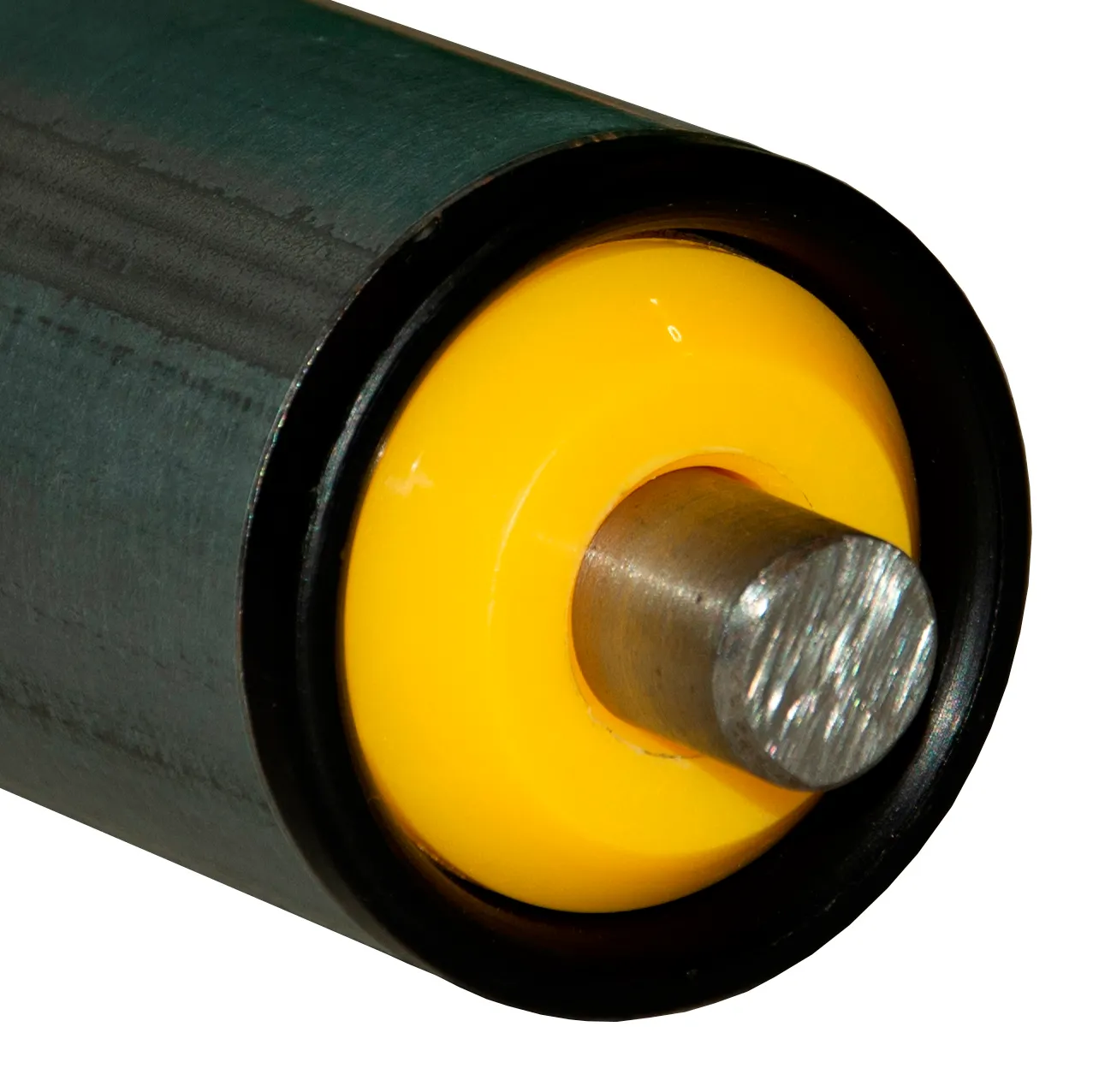
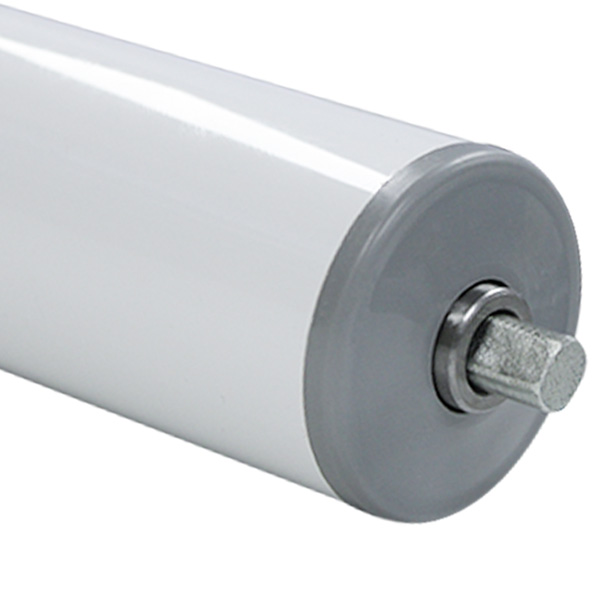
Spring end roller with round shaft detail

Spring end (round shaft)

Ideal for fast maintenance where quick change-outs matter. A spring end reduces replacement time and helps keep lanes aligned with minimal disruption. Best suited for light-to-medium duty zones where consistent fit matters more than extreme load rating.

Request pricing
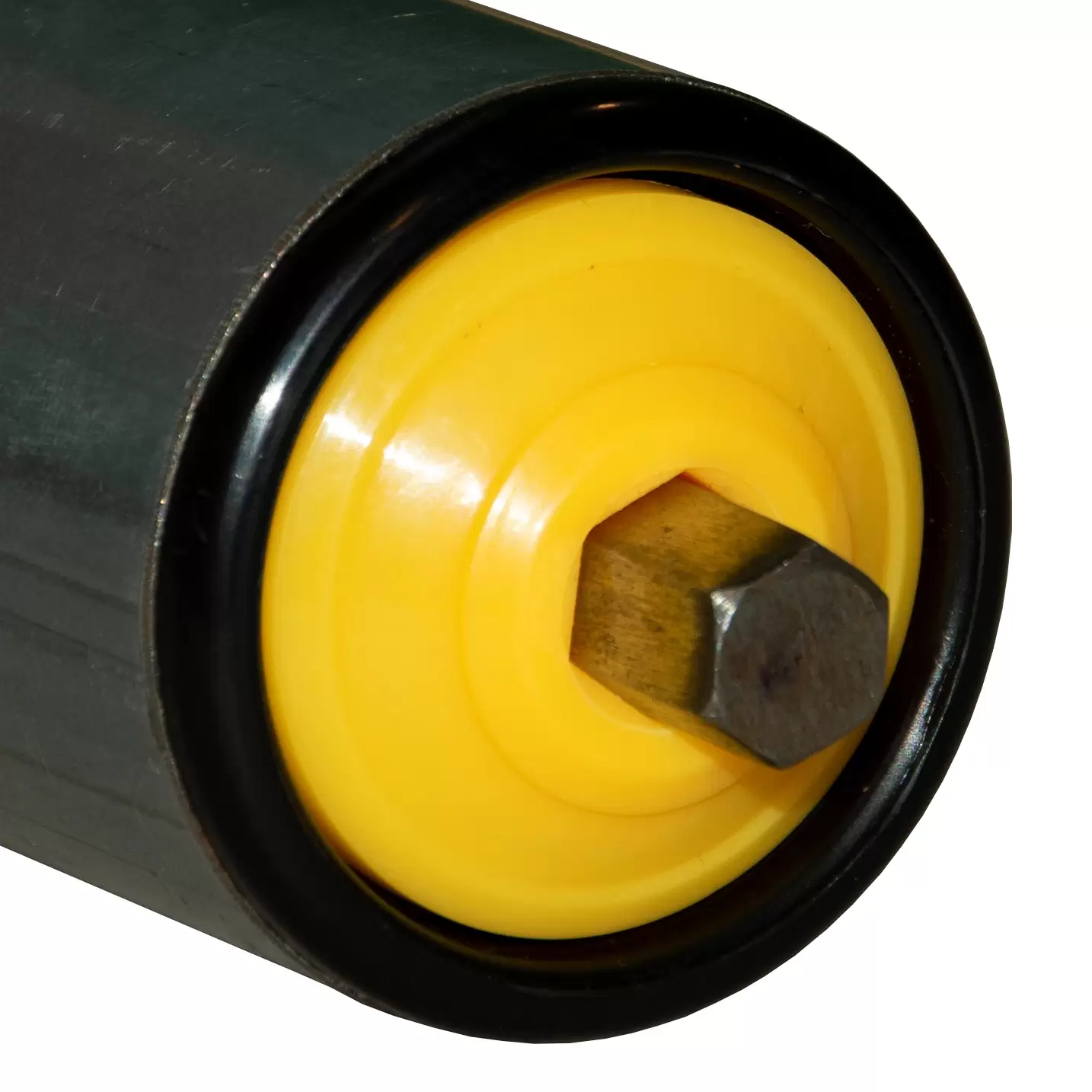
Spring end roller with hex shaft profile

Spring end (hex shaft)

A strong fit where a positive shaft profile is required for your frame or mounting style. This approach supports quick removal while keeping the unit seated correctly. If your site relies on repeatable spares, this is a practical standard to document and reorder.

Request pricing
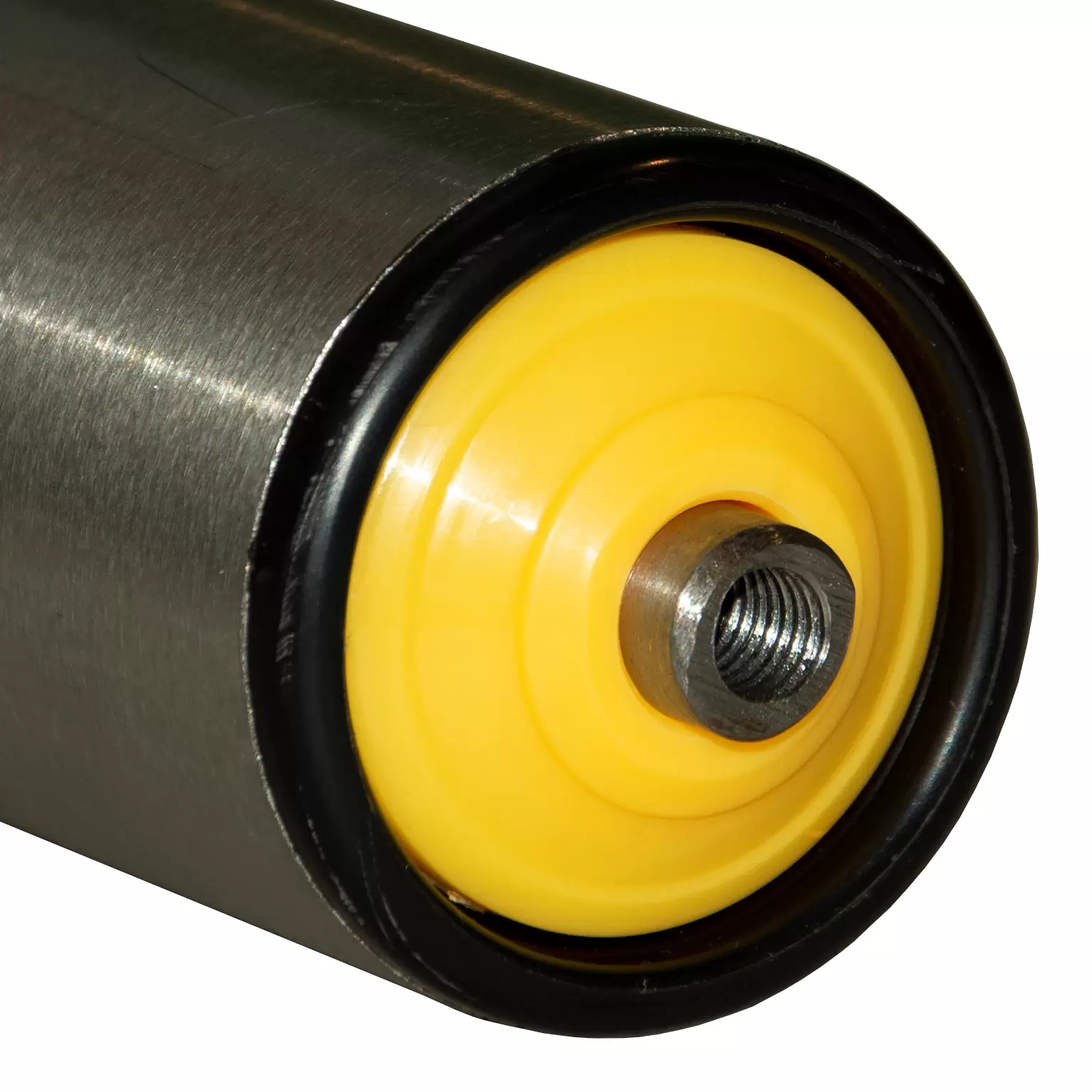
Fixed mount roller with threaded shaft end

Fixed mount (threaded end)

A reliable option for fixed-mount frames where you need secure retention. Best performance comes from correct spacing and alignment. Threaded ends help keep everything stable in high-traffic picking and staging lanes.

Request pricing
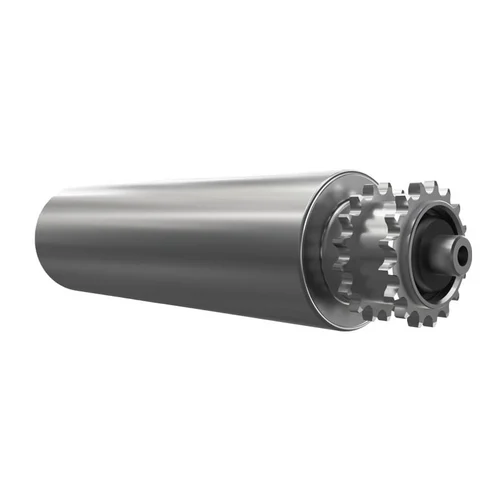
Chain-driven roller with simplex sprocket

Chain-driven (simplex)

Common for driven zones where controlled movement is required. Correct chain line alignment prevents uneven wear and early failure. A good choice for consistent throughput when product needs steady motion rather than free-flow gravity.

Request pricing
Steel unit with sprocket profile for powered lanes

Steel unit with sprocket

A robust general-duty driven option for dry environments. Share duty cycle and load per zone so bearings and shaft sizes match reality. This is often used where reliability matters more than cosmetic finish.

Request pricing
Duplex sprocket unit for heavier duty handling

Chain-driven (duplex)

Built for higher loads and tougher duty cycles where standard driven parts fail early. Best results come from correct alignment and a spec that matches shock loading at transfer points.

Request pricing
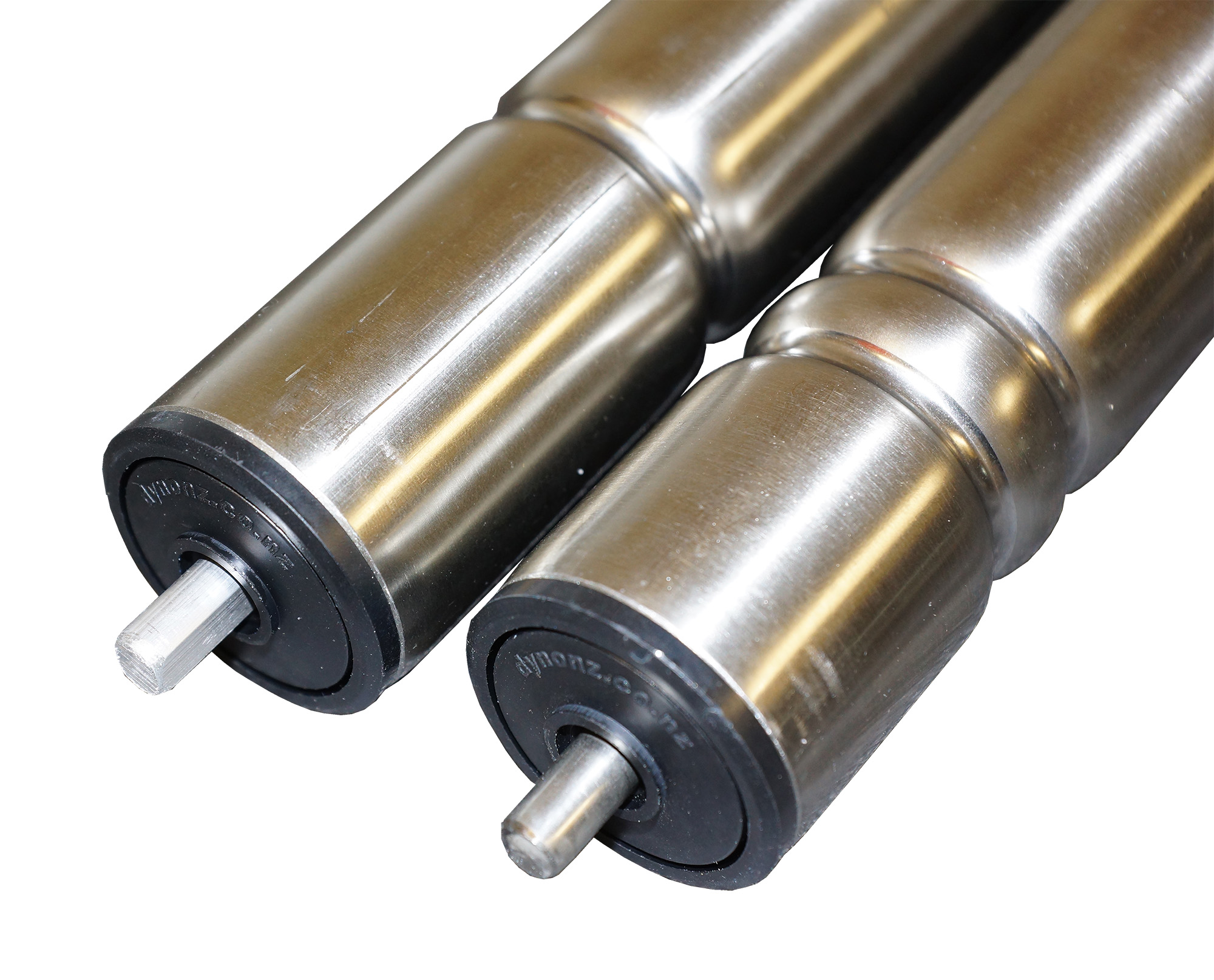
Stainless unit used for controlled movement zones

Controlled movement build

Used where you need controlled movement and consistent behaviour under pressure. Share product type and required flow behaviour (buffering, indexing, metering) so selection matches real operating needs.

Request pricing
Pvc unit for light duty and corrosion resistance

PVC build (light duty)

A practical choice where corrosion resistance and lower noise matter. Suitable for light products and areas with higher moisture exposure. Confirm temperature and cleaning routines so bearing and seal selection matches the environment.

Request pricing
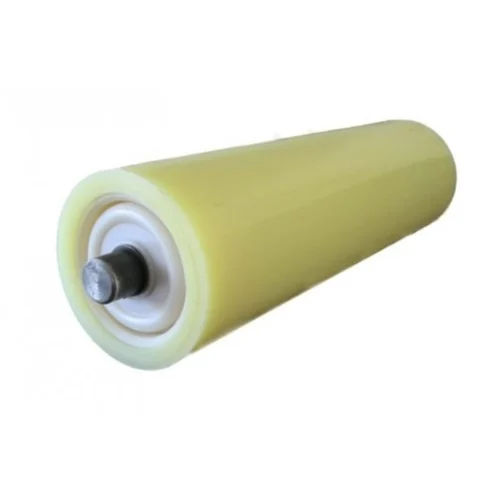
Nylon unit for quieter flow lanes

Nylon build (noise control)

Selected for quieter operation and corrosion resistance in light-to-medium duty lanes. Best results come from correct spacing and consistent diameters across the zone, plus environment-appropriate sealing.

Request pricing
Need help choosing? Send tube diameter, tube length, shaft width, shaft diameter, end style, environment (dry/damp/washdown), and maximum load per zone. We will confirm the right build and standardise the spec so future reorders are consistent.

Weight class guide (typical starting point)

Use this as a practical starting point to shortlist a suitable build. Actual capacity depends on diameter, tube wall thickness, shaft size, bearing selection, spacing, width, speed, impact loading, and environment. If you are unsure, share your load details and we will confirm the appropriate specification before manufacturing.

Tip: If your load is a pallet, do not rate it as “total pallet mass” on one unit. Load is shared across multiple units depending on spacing and footprint. Transfer points and drops can multiply impact loads, so treat those zones separately.
Build type Typical load range (kg per unit)* Best suited for Buyer notes
Gravity flow build 10–80 Cartons, totes, light crates, staging lanes Correct spacing and alignment drive performance. Noise often indicates worn bearings or mixed diameters.
Polymer build (PVC / nylon) 5–60 Light products, corrosion-prone areas, noise-sensitive lanes Confirm temperature and chemical exposure where cleaning is frequent.
General duty steel / galvanised 50–250 Warehouse flow, distribution lanes, mixed loads Durable in dry environments. Match bearing and shaft to duty cycle.
Stainless build 40–220 Washdown, food processing, damp environments Choose sealing and bearings that survive cleaning routines.
Driven build (chain or traction) 80–400 Powered lanes, controlled movement zones Alignment is critical to prevent uneven wear. Confirm chain line geometry where applicable.
Heavy duty build 250–1500 Pallet lanes, high-load transfer sections Specify tube wall, bearings and shaft correctly. These are engineered per application, not guessed.
Impact / transfer protection 150–1000 (impact zones) Transfer points, drop zones, loading areas Rated for impact conditions, not only static load. Share drop height and product mass.

* Typical ranges shown as guidance only. Final rating is confirmed during specification based on your application details and safety factors.

Common problems and practical fixes

Many failures are preventable when specs match the environment and duty cycle. Below are common symptoms and what typically solves them. If a site is replacing the same part repeatedly, there is usually an underlying cause that can be addressed with better selection, improved alignment, or planned spares.

Noise and vibration

  • Check bearing condition and alignment across the frame.
  • Confirm spacing and diameter consistency (mixed sizes create vibration).
  • Consider polymer builds where noise control matters.

Repeat bearing failure

  • Match bearing selection to load and speed, not assumptions.
  • Confirm sealing for moisture, washdown, or chemical exposure.
  • Standardise specs across similar zones to stop mismatched replacements.

Belt drift and tracking issues

  • Check frame alignment and wear patterns.
  • Inspect transfer points, buildup, and return paths for friction changes.
  • Confirm you have a build suited to the belt type and environment.

Product jams at merges and curves

  • Review curve geometry, spacing, surface friction, and guidance.
  • Confirm selection for product size and speed.
  • Replace worn parts that create inconsistent contact.

“It almost fits” replacements

This is the most expensive mistake because it wastes time and still does not solve the problem. It usually happens when tube length is confused with shaft width, or when end styles are guessed. Send a clean measurement set, photos of frame ends, and confirm spring, threaded, or fixed mounting. We can then standardise the part so future orders fit first time.

This is where custom manufacturing delivers value. Matching legacy frames without reworking brackets keeps maintenance practical and reduces future downtime risk.

Why Choose Conveyor Supplies Africa

Spec-first support

We focus on correct specification because it prevents repeat downtime. We help you document dimensions and operating conditions so replacement supply is consistent.

Local manufacturing

Local build capability supports fast iteration, accurate repeats, and practical communication. It also supports custom manufacturing of conveyors and roller assemblies when catalogue parts fail.

Uptime and spares planning

We help you hold the right spares in the right quantities. A small, correct list beats a storeroom full of random parts every time.

What “good supply” looks like in practice

  • Standardised specifications across zones with matching conditions.
  • Material selection aligned to real cleaning, moisture, dust, and duty cycles.
  • Planned spares that reduce downtime risk and prevent mismatched replacements.
  • Support that helps maintenance teams fix root causes, not only symptoms.

For the broader ecosystem (belting, parts, service, and complete builds), use the internal hubs: Belting, Parts & Spares, Services, Manufactured Conveyors.

Frequently Asked Questions

What is the difference between an idler component and a driven component?

Idler components are non-powered and support passive flow. Driven components are used in powered zones where movement is controlled by chain, belt, or motorised systems. The practical difference is whether the part supports gravity flow or controlled powered movement.

Which materials are best for washdown and hygiene environments?

Washdown and hygiene-critical zones typically need corrosion resistance and cleanability. Stainless builds are commonly selected. In some light-duty applications, polymer builds may also work. Bearing and seal selection must match cleaning routines to prevent early failure.

Do you manufacture custom units to match our frame and application?

Yes. We manufacture to match frame geometry, load requirements, environment, and duty cycle. This is especially useful for older frames, unusual shaft ends, or when you want to standardise parts across multiple zones.

What information do you need to quote accurately?

Provide tube diameter and length, shaft diameter and width, end style (spring, threaded or fixed), environment (dry, damp, washdown), load type and maximum load per zone, quantity, and photos of the installed unit and frame ends where possible.

Do you supply across Africa?

Yes. Conveyor Supplies Africa supports cross-border supply across multiple African countries for non-mining operations. Use the Countries hub pages to align system type and component specification to your environment and industry.

Do you supply the mining sector?

No. Conveyor Supplies Africa focuses on non-mining industries such as agriculture, food and beverage, packaging, warehousing, logistics and distribution, pharmaceutical environments, and general manufacturing.

For technical advice, custom roller specifications, or bulk supply, contact Conveyor Supplies Africa. We supply reliable conveyor rollers engineered for Africa’s food, logistics, agricultural, pharmaceutical, and heavy industrial sectors.

Page Contents