Fasteners look small on paper, but they control the moment your line either keeps moving or stops dead. Conveyor Supplies Africa supplies mechanical fasteners (also called belt fasteners and conveyor belt fasteners) that help you join, repair, or re-install belts with consistent strength and clean tracking.
If you need dependable “fit and forget” performance, you choose the correct fastener type, match it to the belt carcass and thickness, and install it properly. If you need speed, you choose the mechanical option that supports rapid on-site installation. Either way, the goal stays the same: stable tracking, safe splice edges, and a repair method that your maintenance team can repeat without improvising.
This page focuses on non-mining applications, including warehousing, logistics, packaging, manufacturing, processing, agriculture, and food and beverage environments. If you’re building a procurement checklist, fasteners should be in the “critical spares” bucket because the wrong choice creates repeat failures, frayed edges, and belt damage that spreads beyond the splice.

This is your practical guide to specifying fasteners the right way. Instead of vague “belt clips” talk, we break selection down into what matters: belt construction, belt thickness, pulley diameter, surface conditions, sanitation requirements, and your repair strategy. The goal is to ensure your belt lacing (mechanical joining) behaves predictably on your system.
For neutral background reading, mechanical joining is one of the common approaches used to connect belt ends and form a working loop in a conveyor system. You can also explore broader context around conveyor belt basics and how belt design influences service and maintenance. In real operations, the correct mechanical fastener makes maintenance quicker and reduces the “temporary fix that becomes permanent” problem.
If you’re unsure where to start, treat the joint like a critical component, not an accessory. A clean selection process avoids repeat repairs, protects belt life, and helps your team restore production with confidence instead of trial-and-error that burns time and spares.
Important: This page excludes mining sector content. Our fasteners offering is positioned for non-mining environments only, including logistics, warehousing, packaging, manufacturing, processing, agriculture, and food and beverage.
A belt splice is an engineered point on the belt. It is not a “small detail.” When the splice is wrong, everything downstream becomes harder: tracking becomes unstable, belt edges fray, product can snag at transfer points, cleaning gets messier, and power consumption can climb. The purpose of correct fasteners is to make the splice strong enough, smooth enough, and stable enough to behave like the belt itself.
Mechanical joining is often used because it is fast and repeatable. You can install it on-site, you can replace it without waiting for specialised cure times, and you can plan spares around a known join method. That is especially valuable in high-uptime environments like distribution, packaging, and processing. The real advantage is that good fasteners make your maintenance outcomes predictable.
Some applications use other joining approaches, but mechanical joining remains common because it supports real-world maintenance constraints. The key is selection. The “best” method depends on belt type, tension, pulley size, and whether the belt passes through scrapers, guides, or tight transfers. If your belt passes over small pulleys or tight nose bars, splice profile and flexibility become critical. If you have heavy loads, splice strength and stability matter more. Correct fasteners are about matching these constraints, not guessing.
Most failures come from selection mistakes or installation shortcuts. Common issues include incorrect fastener size for belt thickness, poor belt end preparation, uneven tension across the belt width, and misalignment during installation. In washdown environments, corrosion or hygiene non-compliance can also force early replacement. The fix is usually boring but effective: specify properly, install properly, then inspect early to confirm the splice beds in correctly.
If your site struggles with repeat splice failures, the belt is often telling you about another problem: transfer impact, tracking drift, seized rollers, or scraper setup. CSA can help you define the scope so the solution is not “replace the splice forever.”
The purpose of this section is to help you speak clearly when requesting quotes. Different fastener designs behave differently under load, around pulleys, and through transfer points. Your selection should align with belt thickness, carcass strength, sanitation needs, and the level of maintenance access available.
In wet, corrosive, or washdown environments, material choice is not optional. stainless steel fasteners improve corrosion resistance and reduce contamination risks associated with rust or degraded coatings. In food and beverage contexts, food grade belt fasteners are selected to align with sanitation routines and cleaning chemicals, while maintaining a cleanable profile.
If you operate in a dry warehouse environment, you still need to consider dust contamination and abrasive wear. The “best” fastener is the one that survives your environment and does not create new failure points at transfers, scrapers, or guides.
The belt type determines the joining method and the fastener profile you can use. The most common selection issues happen when people treat all belts the same. They are not. A joining method that works on one belt can fail quickly on another due to carcass construction, surface friction, belt stiffness, or sanitation needs.
PVC conveyor belts and PU conveyor belts are common in warehousing, logistics, packaging, and many processing environments. Selection typically focuses on belt thickness, pulley diameter, and whether the belt must pass through tight transfers or guides. Mechanical joining can be a practical choice when you need fast installation and predictable repair capability. If hygiene is critical, profile and cleanability matter as much as strength.
rubber conveyor belts are often used where durability and abrasion resistance are priorities. Mechanical joining can still be used, but selection must align to higher tension and heavier duty cycles. Here, a stronger joining method such as a plate system can reduce failures and stabilise tracking. If the belt runs over small pulleys, profile flexibility becomes critical. If the belt runs through aggressive scrapers, splice edges must be selected carefully.
modular belt conveyors typically use a different joining concept because they are assembled from modules and rods. However, fast replacement parts, module compatibility, and hygienic materials still matter. If you operate modular systems, your “fasteners” strategy shifts toward keeping the right modules, rods, and accessories available. CSA can guide selection and spares planning for modular systems too, so your uptime strategy remains consistent across your plant.
If you want faster quotes, share belt type, belt width, belt thickness, pulley diameter (or photos/specs), operating conditions, and whether the belt passes through scrapers, guides, or tight transfers. That information makes fasteners selection straightforward.
The images below use your existing site media so they load consistently in WordPress and Elementor. Only one image on this page uses the focus keyword in its alt text, to keep optimisation clean and controlled.

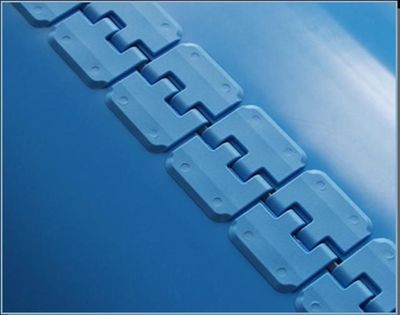
If you’re specifying a new system or upgrading an existing line, don’t treat the splice as an afterthought. Splice profile affects tracking, transfer stability, scraper interaction, and belt edge wear. Choosing the correct fasteners upfront reduces rework and helps your team maintain the line using predictable methods.
The selection process is simple when you stop guessing and start specifying. You choose the joining method based on belt construction and operating conditions, then confirm that the fastener profile will pass through your system without snagging, lifting, or destabilising tracking. The objective is a splice that behaves like a normal section of belt, not a weak point.
Start with belt details: belt material, belt thickness, belt width, carcass construction, and whether the belt is new or aged. Then confirm pulley diameter and any small-radius transfer points. Small pulleys and tight transfers increase the importance of a low-profile splice and correct flexibility. Next confirm load conditions: unit weights, throughput, and how often the belt starts and stops. Frequent starts can increase stress and heat in the splice zone.
Then evaluate the environment. In food and beverage environments, hygiene and cleanability often influence material selection and profile preference. In dusty environments, abrasion and contamination can accelerate wear. In wet environments, corrosion resistance becomes a priority. These are the variables that determine whether you specify stainless steel fasteners or alternative materials, and whether you require food grade belt fasteners.
Installation quality matters more than most people want to admit. Mechanical joining is repeatable, but only if belt ends are prepared properly. That means squaring the belt, ensuring equal tension across the width, using the correct installation tools, and checking that the splice pin or lacing is seated evenly. Poor installation typically shows up as tracking drift, splice-edge lift, and premature wear at the joint.
Mechanical joining is often chosen because it supports rapid repairs and repeatable maintenance in real operations. If you operate high-volume lines where downtime costs money, having a consistent mechanical join method and the right spares ready can be a genuine advantage. The key is to treat fasteners as part of your uptime strategy, not as an emergency purchase after a failure.
If you manage spares for multiple sites, standardisation is your friend. Standardise fasteners where belt types and duty cycles match, and keep exceptions documented. A good spares plan includes fasteners, installation pins (where applicable), and the basic consumables or tools required for correct installation. When your team can install the same system repeatedly, repair speed improves and failure rates drop. This is one of the simplest ways to protect uptime without replacing major equipment.
Need help choosing? Share belt type (for example PVC conveyor belts, PU conveyor belts, or rubber conveyor belts), belt thickness, belt width, pulley diameters, and photos of the belt path. CSA can recommend the correct fasteners and help align the splice profile to your system.
You can buy generic belt clips from almost anywhere. The difference is whether the selection matches your belt and your system, and whether the supplier can support a realistic maintenance strategy. Conveyor Supplies Africa supplies mechanical fasteners with practical guidance so you get stable tracking, consistent splice performance, and fewer repeat failures.
We work with non-mining industries across warehousing, logistics, packaging, manufacturing, processing, agriculture, and food and beverage. That means we consider hygiene routines, access constraints, throughput demands, and spares planning as part of the solution. If you want to reduce downtime, the splice is not a “small thing.” It is a control point.
conveyor belt fasteners are used to mechanically join belt ends for installation, repairs, or belt replacement. Correct fasteners support quick on-site repairs, stable tracking, and repeatable maintenance outcomes.
Many sites use wire hook style belt lacing for fast installation, especially where downtime must be minimised. Selection still depends on belt thickness, pulley diameter, and whether the belt passes through scrapers and tight transfers.
Yes. We supply stainless steel fasteners and options suited to hygiene-driven environments, including where food grade belt fasteners are required for sanitation routines and corrosion resistance.
Yes. Mechanical fasteners can be specified for PVC conveyor belts and PU conveyor belts, provided the fastener type and profile match belt thickness, pulley sizes, and operating conditions.
Share belt type, belt thickness, belt width, pulley diameter (or system photos), environment notes (washdown, dust, moisture), and whether the belt passes through scrapers or tight transfers. We will recommend the correct fasteners and provide a clear supply quotation aligned to your application.
No. This page focuses on non-mining industries only.