
Fish cleaning and gutting plants live or die on flow discipline. If the “dirty-side” is chaotic, everything downstream becomes expensive: more labour, more water, more rework, and more quality risk. This page explains how CSA approaches cleaning and gutting zones with practical conveyor layouts, wet-area controls, and realistic hygiene access.
In seafood processing, cleaning and gutting is the first “real transformation” step. It is where contamination risk, yield control, and hygiene discipline collide in a wet environment. For that reason, Fish cleaning and gutting plants should not rely on improvised tables and random tubs hoping people will “manage the mess.” The layout needs to manage the mess for them: defined infeed, controlled transfers, clear reject routes, and fast-clean access.
A well-designed gutting zone does three things consistently: it keeps the dirty side contained, it gives operators stable pace and ergonomics, and it moves by-products away without turning the floor into a slip hazard. CSA designs conveyor systems around these practical outcomes, not around brochure claims. The objective is predictable throughput with less manual intervention, because every “intervention touch” adds time, exposure, and variability.
Important operating boundaries (non-negotiable):
CSA is not an online store. We supply engineered conveyor systems and project components with proper specification and scope. We provide spares only for CSA-built systems to protect fit, safety, and hygiene intent. Installation & commissioning are available in selected regions only, depending on site access, scope, and scheduling. No mining projects are supported.
The cleaning and gutting zone is a wet, high-contact environment. These images are provided for general context only and are hosted on a trusted source (upload.wikimedia.org). Your plant layout will be engineered to your species, volumes, and hygiene workflow.
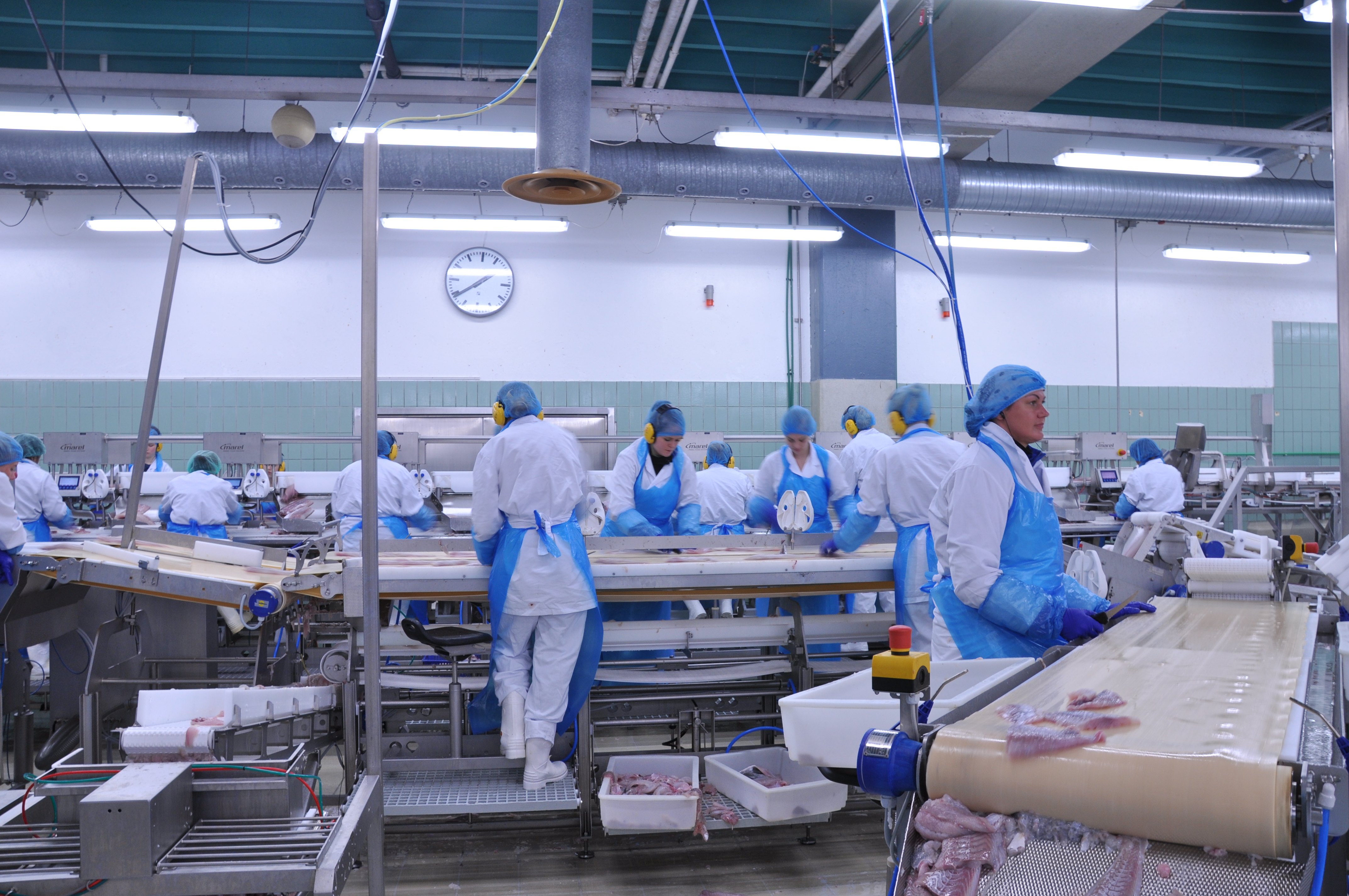


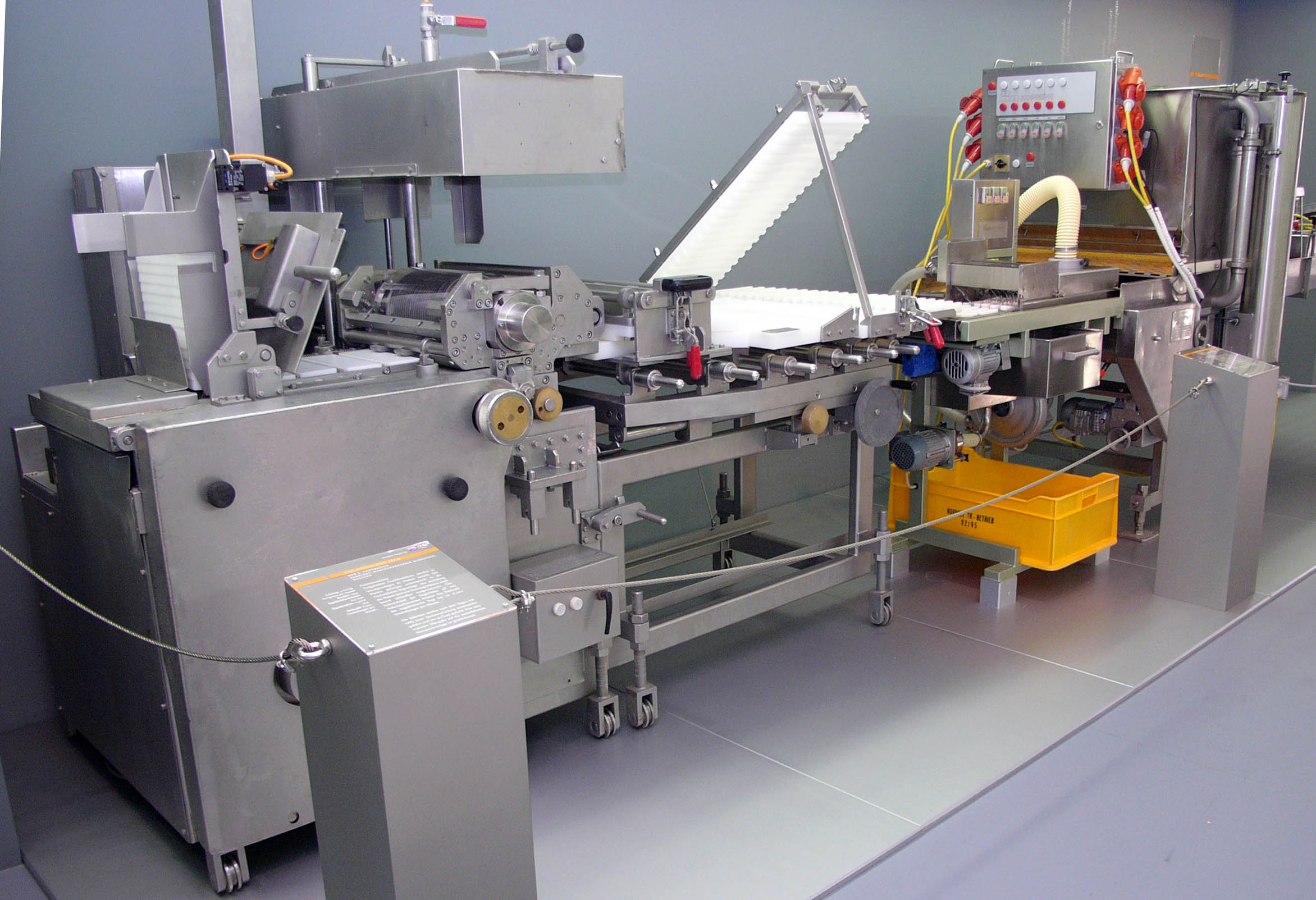

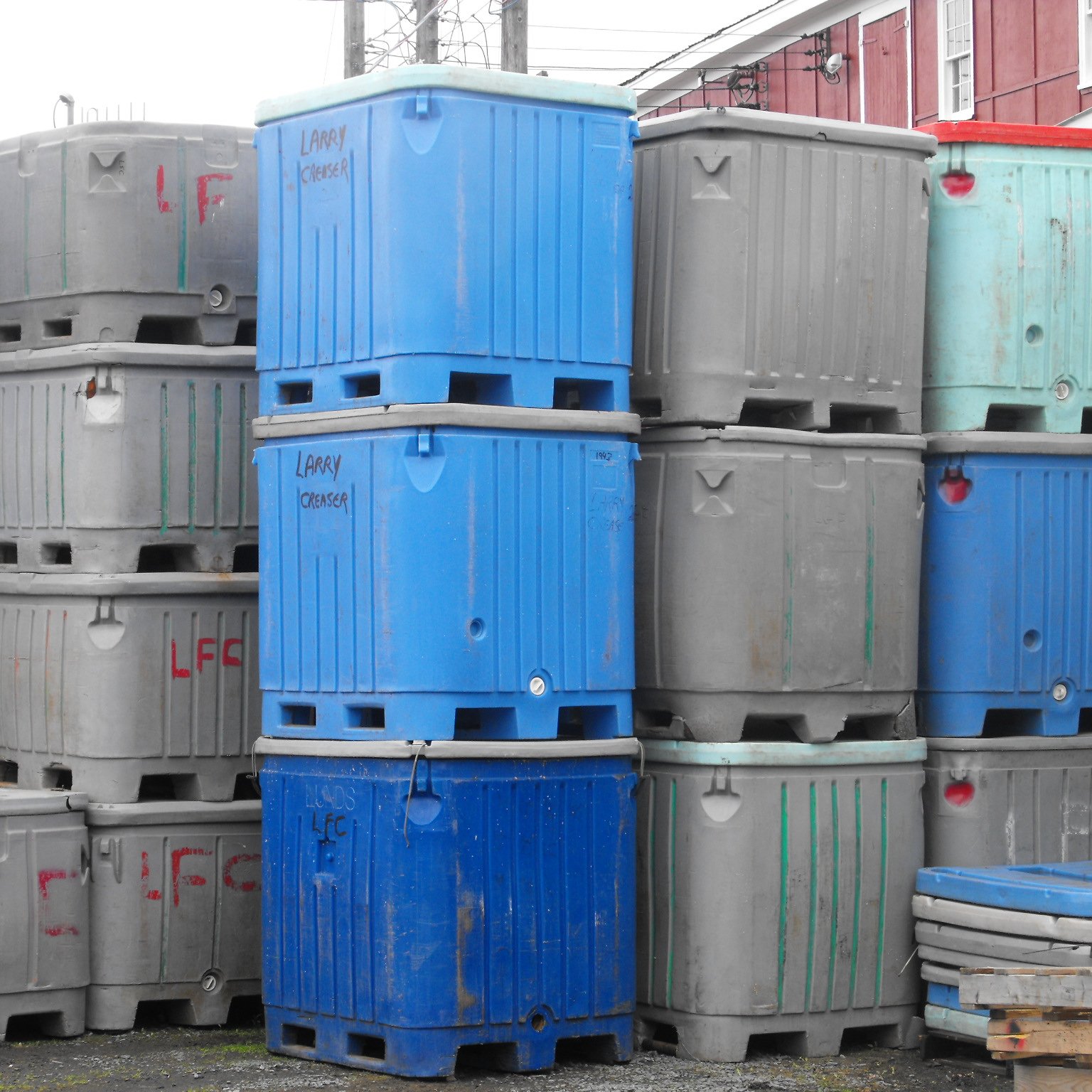
Most facilities feed cleaning and gutting from a receiving wet-handling area, then pass product forward into trimming, filleting, packing, or chilling. The key is to enforce a clear dirty-to-clean progression. When the cleaning and gutting zone is laid out properly, water, offal, and high-contact activity stay where they belong, and the facility becomes easier to run and easier to clean at the end of shift.
In high-volume operations, Fish cleaning and gutting plants must be designed so product flow, waste routing, and washdown access work together instead of competing for space.
The “secret” is not complicated: stabilise the pace, contain the wet footprint, and make sanitation access easy. When the line is hard to clean, the line will not be cleaned properly. When transfers are uncontrolled, the line will jam. When waste handling is an afterthought, the floor becomes a hazard.
Build a coherent cluster around Fishery & Seafood Processing:
Cleaning and gutting lines often interact with cold rooms and downstream packing areas. The best layouts reduce cross-traffic by giving product and waste separate, predictable routes.
A high-performing gutting zone is not just “strong equipment.” It is a set of practical design rules applied consistently. CSA applies these rules to reduce downtime, improve cleaning speed, and protect quality and yield. The goal is not maximum complexity. The goal is maximum repeatability.
Zoning works best when people don’t have to remember it under pressure. We place high-contact work, washdown, and by-product routes on the dirty side, then plan a controlled handoff into cleaner corridors and downstream processing. That reduces wet carryover and improves hygiene discipline.
Most “random” stoppages are predictable outcomes of unstable feed and poor transfers. When product surges, it piles up, spills, and forces manual fixes. Controlled geometry and sensible pace reduce intervention touches and keep the workstations running consistently.
Wet floors are not just uncomfortable. They are dangerous. The layout must guide water toward drains and keep drains accessible for cleaning. Splash and runoff should be contained around rinse points and high-impact transfers.
If staff can’t reach it, it won’t be cleaned. We design so critical zones are visible and accessible without removing half the line. That supports faster, more consistent sanitation and more confident verification checks.
When those rules are applied, the cleaning and gutting area becomes calmer and more stable. And in seafood processing, calm is not a mood. It is an operating advantage.
Cleaning and gutting is high-contact work. Conveying should support the work rather than fight it. CSA designs arrangements that keep product moving steadily, give operators space, and route waste away without turning the floor into an obstacle course.
A good line does not begin at the cutting board. It begins with staging. Defined staging pockets keep tubs and bins out of walkways and allow a steady feed to the line. A steady feed means fewer pile-ups, fewer manual adjustments, and better consistency for quality checks.
Cleaning and gutting lines often rely on manual operators. Conveyor height, access clearance, and workstation spacing influence fatigue and output. When the layout is cramped, productivity and safety both decline. We prioritise stable access and clear movement routes around high-contact tasks.
After gutting, many plants include rinse and inspection before product moves forward. That handoff must limit wet carryover into clean-side corridors. Controlled transfers reduce splash, prevent product damage, and keep the downstream environment cleaner and easier to maintain.
Offal and by-products must move away consistently, without creating a hazard or blocking the workflow. The best designs treat waste routing as part of the process flow, not as a “later problem.” When waste handling is planned properly, hygiene improves and staff spend less time doing awkward manual carry-outs.
Most issues in cleaning and gutting lines are not mechanical mysteries. They are layout consequences. When the infeed surges, the line clogs. When transfers are rough, product piles up and bruises. When water is unmanaged, slip risk rises and sanitation becomes longer and less consistent. A practical design reduces these triggers so the line runs the same way on busy days and quiet days.
Start by removing “cross-traffic.” If staff carrying tubs or waste are crossing in front of operators, you have a safety and efficiency problem. Then reduce “wet travel.” If people walk from the wettest part of the line into cleaner corridors multiple times an hour, you will never fully contain the wet footprint. Layout is the simplest tool to fix this: separate routes, defined staging, and a controlled handoff into the next zone.
Next, focus on the points where people are forced to intervene. Interventions usually happen at unstable infeed, rough transfers, or poor waste routing. Each intervention touch adds time and exposure. Reduce intervention touches and you reduce rework. This is why stable feed and clean transfer geometry matter more than “faster motors.” Speed without stability just makes the mess arrive sooner.
Finally, design for cleaning as a daily reality. If cleaners can see the high-risk areas and reach them quickly, sanitation becomes consistent. If they cannot, sanitation becomes an argument. The best lines are boring in the best way: predictable, reachable, and easy to verify.
External reference (dofollow outbound link):
Many facilities benchmark their hygiene programme against internationally recognised food hygiene principles. For a broad reference point, see Codex Alimentarius (FAO/WHO). This page link is intentionally not marked “nofollow” because linking to credible resources is normal, healthy internet behaviour.
A stable workflow in Fish cleaning and gutting plants is built on repeatable movement, not “hero efforts” from operators. The moment a line depends on people constantly correcting pile-ups, carrying bins through work zones, or improvising where waste goes, the system becomes inconsistent and difficult to keep hygienic. In well-run Fish cleaning and gutting plants, the layout does most of the control work: it guides product forward, routes by-products away, and keeps wet activity contained so downstream areas stay cleaner.
The best Fish cleaning and gutting plants layouts typically follow a simple sequence: controlled infeed, workstation pacing, rinse and inspection, and a controlled handoff into cleaner processing steps. That sequence matters because Fish cleaning and gutting plants represent the highest-contact and highest-risk section of the plant. When the pace is stable and the space around Fish cleaning and gutting plants workstations is clear, operators can maintain quality and hygiene without constantly stopping to “fix the flow.”
Another common improvement in Fish cleaning and gutting plants is separating product travel and waste travel. Offal and by-products should not share the same movement paths as cleaned product. Where Fish cleaning and gutting plants have a dedicated waste route and defined staging, the floor stays safer, washdown becomes faster, and the wet footprint does not expand into corridors that should remain cleaner.
Finally, cleanability must be designed in. In Fish cleaning and gutting plants, the areas that are most contamination-prone must also be the easiest to access and inspect. If staff cannot see and reach key transfer points, returns, and high-splash zones, those areas will not be cleaned consistently. A practical Fish cleaning and gutting plants conveyor plan prioritises access clearances, visibility, and predictable washdown pathways so hygiene checks are realistic, not theoretical.
Quick win: If you are trying to stabilise throughput, start with the first 5–10 metres of Fish cleaning and gutting plants. Controlled infeed and controlled transfers reduce intervention touches immediately, which improves both speed and hygiene outcomes.
Consistency is the real performance metric in Fish cleaning and gutting plants. When the workflow is stable, quality checks become routine instead of reactive, sanitation becomes faster, and the line produces predictable output without constant intervention. A well-structured Fish cleaning and gutting plants layout supports this by controlling where product pauses, where water concentrates, and where by-products exit the work zone. The aim is to keep the dirty-side contained while allowing cleaned product to move forward without dragging wet contamination into cleaner corridors.
Most operational problems in Fish cleaning and gutting plants come from “micro-bottlenecks” that happen dozens of times per shift: unstable infeed, pile-ups at transfers, blocked drains, or waste containers staged in the wrong place. Each small disruption forces operators to stop working and manage flow by hand. When Fish cleaning and gutting plants are designed with defined staging pockets, controlled transfers, and clear routes for offal removal, these micro-bottlenecks reduce dramatically and the wet footprint stays under control.
Hygiene verification also improves when Fish cleaning and gutting plants are arranged for visibility and access. If cleaners can see and reach the return path, transfer points, and high-splash zones, daily sanitation becomes repeatable. If those areas are hidden or cramped, cleaning becomes rushed and residue accumulates. A practical Fish cleaning and gutting plants plan therefore prioritises inspection-friendly layout and realistic washdown clearances so your hygiene programme can be executed consistently, not just described in a document.
The end result of disciplined Fish cleaning and gutting plants design is simple: fewer manual intervention touches, fewer stop-start events, and fewer “wet surprises” spreading into downstream steps. This is how you get stable throughput without turning the plant into a maze of workarounds.
CSA supports fishery and seafood processors with engineered conveyor system layouts and project supply that respect wet-zone realities. We focus on stable flow, hygiene access, and practical safety in the areas where product and water are most intense.
We start by mapping your steps, constraints, and volumes: staging approach, workstation count, rinse points, inspection needs, waste routing, and handoff into downstream processing. Then we convert that into a conveyor-supported layout that reduces cross-traffic and contains the wet footprint.
CSA supplies engineered conveyor systems and components aligned to the project scope. We do not operate as an online store. This is a project workflow: specification, selection, and controlled delivery. For ongoing support, we supply spares only for CSA-built systems.
Where feasible, CSA supports installation and commissioning in selected regions. Commissioning is important in wet zones because performance depends on transfer geometry, drainage behaviour, and real workflow patterns. Where installation is not offered, we can still support documentation and guidance aligned to the scope.
The fastest way for Fish cleaning and gutting plants to become unsafe and inconsistent is to treat waste flow as “someone else’s problem.” Offal, heads, skins, trimmings, and rinse debris are not side issues. They are a daily, high-volume material stream that competes with the product stream for space, time, and cleaning attention. If the waste stream is unmanaged, it blocks walkways, increases slips, contaminates clean-side corridors, and forces operators to stop working so they can drag bins around. That is not “how seafood processing is.” That is a layout problem.
A practical Fish cleaning and gutting plants conveyor plan separates product movement from waste movement as early as possible. Product should progress in a controlled dirty-to-clean direction. Waste should move away from workstations predictably, with minimal manual carrying, and without crossing product routes. When waste is removed consistently, the work zone stays calmer, sanitation becomes faster, and product quality becomes easier to protect because the area is not constantly re-contaminated by overflow and foot traffic.
Most gutting operations create a dirty-side footprint by default: water, residue, and high-contact handling. The mistake is allowing that footprint to expand into places where it does not belong. In Fish cleaning and gutting plants, containment is achieved by arranging the line so the wettest tasks, the heaviest rinse points, and the by-product drop zones are grouped and supported by appropriate drainage and access. Containment is not just about hygiene compliance. It is about protecting the clean-side steps from constant water creep and debris migration.
Operators should not be carrying heavy bins across the line while holding tools or trying to keep pace. If they are, the process is forcing unsafe behaviour. In Fish cleaning and gutting plants, waste routing should be as “normal” as product routing. The layout should provide predictable removal points, avoid backtracking, and keep waste containers out of main travel lanes. A stable waste route reduces interruptions and helps workstations stay focused on consistent output instead of constant cleanups.
Gutting creates a mix of water and organic debris that easily spreads across floors if the layout does not guide it. The aim is not to remove water from the process. The aim is to keep water predictable. In Fish cleaning and gutting plants, that means planning where splash occurs, where runoff travels, and where debris collects. Workstations should be arranged so sanitation teams can quickly reach the most contamination-prone surfaces and so drains remain accessible for cleaning and inspection.
Cleaning and gutting is where handling intensity is highest. Every pile-up, rough transfer, or unstable feed increases product damage and raises rework. In Fish cleaning and gutting plants, controlled pacing is one of the simplest quality controls you can implement. When the line feed is stable and transfers are controlled, operators can focus on workmanship and hygiene instead of constantly fixing jams. The result is better consistency, better yield, and a calmer shift.
A final practical reality: cleaning and gutting lines rarely fail because they lack horsepower. They fail because they lack layout discipline. Disciplined layouts reduce cross-traffic, reduce water creep, and reduce intervention touches. That is why CSA focuses on the fundamentals: controlled infeed, predictable transfers, defined waste routing, and realistic sanitation access. In Fish cleaning and gutting plants, these basics are the difference between a line that runs and a line that needs constant babysitting.
Operational boundary reminder: CSA is not an online store. We supply engineered conveyor systems and support project delivery. Spares are supplied only for CSA-built systems, and installation & commissioning are offered in selected regions only. This page supports non-mining Fishery & Seafood Processing operations.
Conveyor Supplies Africa supports industrial operations across Africa with engineered conveyor systems, replacement components for CSA-built systems, and selected-region on-site support. If you operate a seafood facility and want a stable cleaning and gutting layout, we align scope and logistics based on your site and region.
Explore our country coverage and local context for conveyor support.
Cleaning and gutting lines often overlap with these non-mining industrial sectors CSA supports:
No mining: CSA focuses on non-mining sectors. This page is built specifically for Fishery & Seafood Processing operations and is not generic doorway content.
Yes. Conveyor Supplies Africa (CSA) designs and manufactures conveyor systems for Fish Cleaning and Gutting Plants within fishery and seafood processing environments, where hygiene, water exposure, and controlled product handling are critical.
Fish cleaning and gutting are labour-intensive, wet processes. Poor conveyor design leads to hygiene risks, inconsistent presentation to operators, product damage, and bottlenecks. CSA designs systems to stabilise flow and support efficient manual or semi-automated processing.
Yes. Fish cleaning and gutting plants require frequent wash-down. CSA designs conveyors for cleanability, drainage control, inspection access, and predictable restart behaviour after sanitation.
No. CSA is not an online store. We supply engineered conveyor systems and matched components as part of a designed solution, not individual belt or component sales.
No. CSA supplies spares and replacement components only for conveyor systems designed and manufactured by CSA. We do not support third-party systems, as hygiene intent, fit, and performance cannot be guaranteed.
Belt selection depends on fish size, moisture levels, sanitation routines, and transfer design. Fish processing applications typically require food-grade belts that tolerate water, fats, temperature variation, and continuous cleaning while maintaining stable tracking.
Yes. CSA designs conveyors to present fish consistently to operators, reduce excessive reaching or handling, and maintain a steady processing rhythm, improving both efficiency and ergonomics.
Installation and commissioning are available in selected regions only, depending on site readiness, project scope, logistics, and safety requirements. Some projects are supply-only; others include on-site work.
At minimum: fish species and size range, throughput target, number of operators or processing stations, wash-down routine, room layout, and the main challenge such as hygiene time, congestion, or inconsistent presentation.
No. CSA focuses on non-mining industrial sectors such as fishery and seafood processing, food and beverage, packaging, warehousing, logistics, and agriculture. We do not service mining operations.
Note: The FAQ schema below mirrors the visible questions and answers. Google prefers FAQ schema that exactly matches on-page content.
