Child Page • Conveyors
Non-powered flow
Custom manufacture + spares
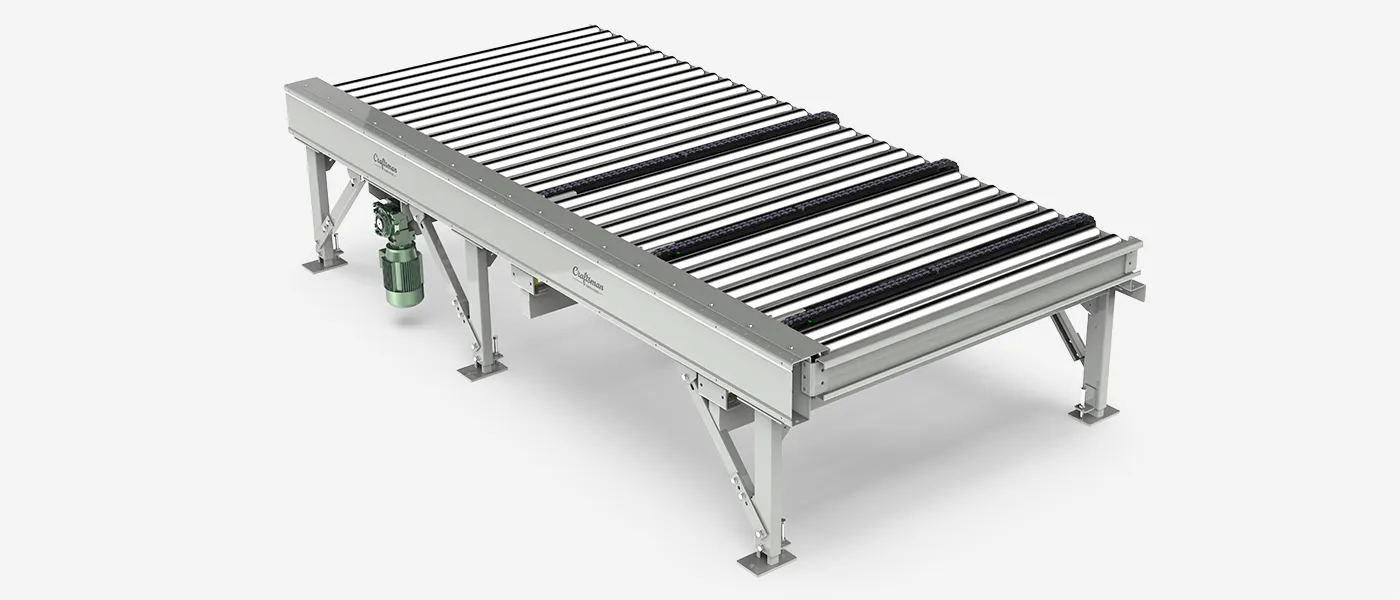
gravity conveyors are a reliable way to move cartons, totes, trays and palletised goods using slope and low-friction components. Mining sector content is excluded everywhere on this site.
Gravity Conveyors for warehouses, packing, staging and simple production flow
When facilities want straightforward movement with low maintenance and clear visibility, non-powered roller lanes are often the most practical option. They support packing benches, dispatch staging, consolidation lanes, and manual pick zones where staff can push product forward safely and predictably.
A good lane is not “random rollers on a frame”. It comes from correct spacing, a sensible slope, and safe control points like end stops, gates, side guides, and buffers. With those basics done properly, gravity conveyors reduce handling time, limit jams, and make day-to-day flow easier to manage.
Fast quote checklist for lane systems
- Product footprint (length × width) and whether bases are flat, ribbed, or flexible
- Individual item weight and typical load-per-lane (including peaks)
- Lane type: rollers vs skatewheels, straight vs curve, pallet vs carton
- Available fall (height difference) and where you need stops, gates, or end buffers
- Environment: wet, wash-down, cold chain, dusty, outdoor exposure
Conveyor system •
Material handling •
Friction
Why gravity conveyors are still a top choice in real operations
Teams love equipment that behaves consistently. In many facilities, the biggest productivity killers are not dramatic breakdowns, they are small daily inefficiencies: extra steps, awkward lifting, constant re-stacking, and product that drifts into the wrong place. Well-built lanes solve those problems quietly, which is exactly what you want. gravity conveyors are still widely used because they are visible, predictable, and easy to maintain when specified properly.
Non-powered movement also reduces complexity. There are no drives to align, no belts to tension, and no electrical routing to manage. That matters in real sites where layouts change, zones get repurposed, or temporary peaks force a new staging area. With gravity conveyors, you can design simple flow lanes that scale, then expand or reconfigure without needing a full control architecture.
The catch is that “simple” does not mean “guess and hope.” Most performance complaints come from three issues: poor support spacing for the product base, slope that is either too shallow or too steep, and missing control points (stops, gates, buffers). When those are addressed, gravity conveyors become boring in the best possible way: loads move when they should, stop when they should, and operators stop fighting the system.
Where lane systems perform best
These lines work well for staging, packing, consolidation and dispatch where manual push is acceptable and loads are stable. They are also common in carton flow racking and pick modules where replenishment feeds from the rear and picking happens at the front. In these zones, gravity conveyors simplify movement without adding complicated automation.
In practice, the best lanes are designed to feel effortless. Operators should be able to push with one hand, control speed without panic, and trust that a load will not suddenly surge forward. That calm behaviour is what separates good gravity conveyors from “just a frame with rollers.”
Packing & staging
Dispatch lanes
Pick modules
Common mistakes (and why they hurt)
Two common failures show up again and again: uncontrolled slope and insufficient load support. Too steep and loads accelerate, impacting stops and damaging product. Too shallow and loads stall, increasing labour effort and creating inconsistent flow. Both issues make staff distrust lanes, which means they stop using them correctly.
Correct roller or wheel spacing, sensible guides, and planned stops turn lanes into an asset. If you want gravity conveyors to work, you plan behaviour first, then build structure around it.
Slope control
Correct support
Stops & guides
Practical note: “Simple” does not mean “careless”. Correct support, slope and stopping is what keeps gravity conveyors safe and reliable.
Help Me Choose: gravity conveyors that match load, slope and workflow
Choosing the right lane starts with how the product sits on the rolling surface. Flat cartons behave well. Flexible bases can bridge and snag if spacing is wrong. Narrow items can skew at curves if guides are poorly positioned. Pallets require strong frames and correct roller centres to prevent sagging and misalignment. This is why selection starts with product behaviour rather than catalogue assumptions. For consistent results, gravity conveyors must be built around your smallest footprint item and your highest expected load.
The next step is understanding how you want items to queue. Some lanes are designed as simple movement assists where operators push product forward as they work. Other lanes are used as buffers where items accumulate behind a stop until a downstream action happens. Buffer lanes need end-stop planning, stable side guides, and impact protection so loads do not smash into each other. If buffering is part of your process, gravity conveyors also need spacing and slope that discourage “runaway” behaviour.
Then comes environment. Wash-down zones need corrosion planning and easy cleaning. Dusty areas may need bearings and protection that tolerate debris. Cold chain areas need materials that stay stable and remain easy to service. When you match the environment correctly, gravity conveyors keep their low-maintenance advantage instead of turning into a frequent replacement problem.
1) Load + footprint
Give dimensions and weight. Confirm whether loads are cartons, totes, trays, or pallets. The smallest footprint item dictates spacing because it must remain supported across multiple contact points. That keeps movement smooth and avoids snagging on edges.
For mixed sizes, we specify gravity conveyors around the smallest item and validate across the size range, so the lane behaves consistently during real peak periods.
Cartons
Totes
Pallets
2) Fall + control
Confirm available height difference over lane length. We aim for controlled movement, not speed. If you need safe accumulation, we include stops and buffering zones to protect product and operators. Good lanes should feel calm under pressure.
Control also supports working rhythm. If items must pause at a scanner, packing position, or dispatch verification point, the lane should be designed around that reality. It is how gravity conveyors become useful instead of annoying.
Safe speed
Stops & buffers
Operator rhythm
3) Environment + serviceability
Wash-down and wet areas require corrosion planning. Dusty areas require bearings that cope with debris. Cold chain areas require stable materials. Correct choices keep downtime low and service routines simple.
Service access matters: rollers should be replaceable and lanes should be cleanable without dismantling half the line. When serviceability is planned, gravity conveyors stay dependable for years.
Corrosion planning
Cleanability
Easy roller swaps
Best quoting tip: send photos, a simple sketch, and load details. With that, we can specify gravity conveyors quickly and accurately.
Gravity conveyors types and layouts: what to use and when
Non-powered lanes come in a few practical families. The right choice depends on footprint, weight, and whether you need straight staging, curves, or controlled decline. Below are common layouts we supply, plus selection guidance to help you choose correctly. When you match the layout to the workflow, gravity conveyors become a reliable backbone for staging and dispatch.
Keep one principle in mind: the lane should encourage good behaviour. Items should move when they should, stop where they should, and avoid constant “operator fixing”. Predictable lanes reduce labour effort and reduce small stoppages that quietly destroy throughput. When you set slope, spacing, and guides correctly, gravity conveyors help teams keep momentum without creating safety risks.
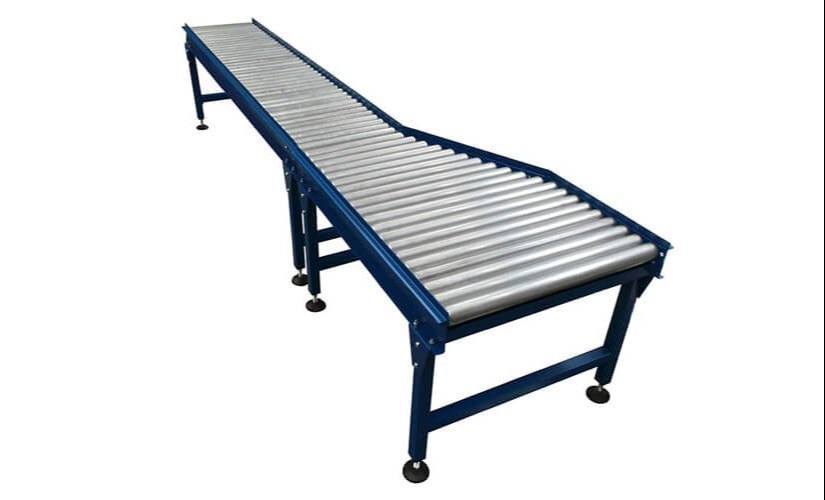
Straight roller lanes
Straight roller lanes are ideal for cartons and totes in staging, packing benches, and dispatch lanes. Correct roller spacing and guides reduce snagging and keep movement consistent. If items vary in size, we design around the smallest footprint so everything stays supported.
For high-touch packing areas, straight lanes also help keep benches organised. When loads stay lined up and within reach, staff waste fewer steps and the process stays calm. That is how gravity conveyors quietly improve throughput.
Fast deployment
Low complexity
Clear visibility
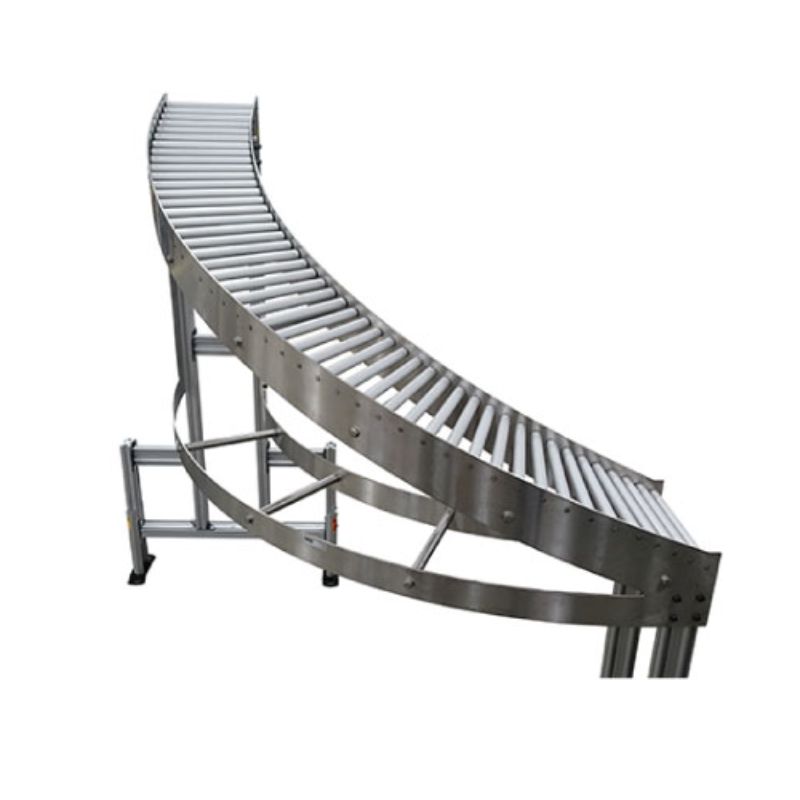
Curves and direction changes
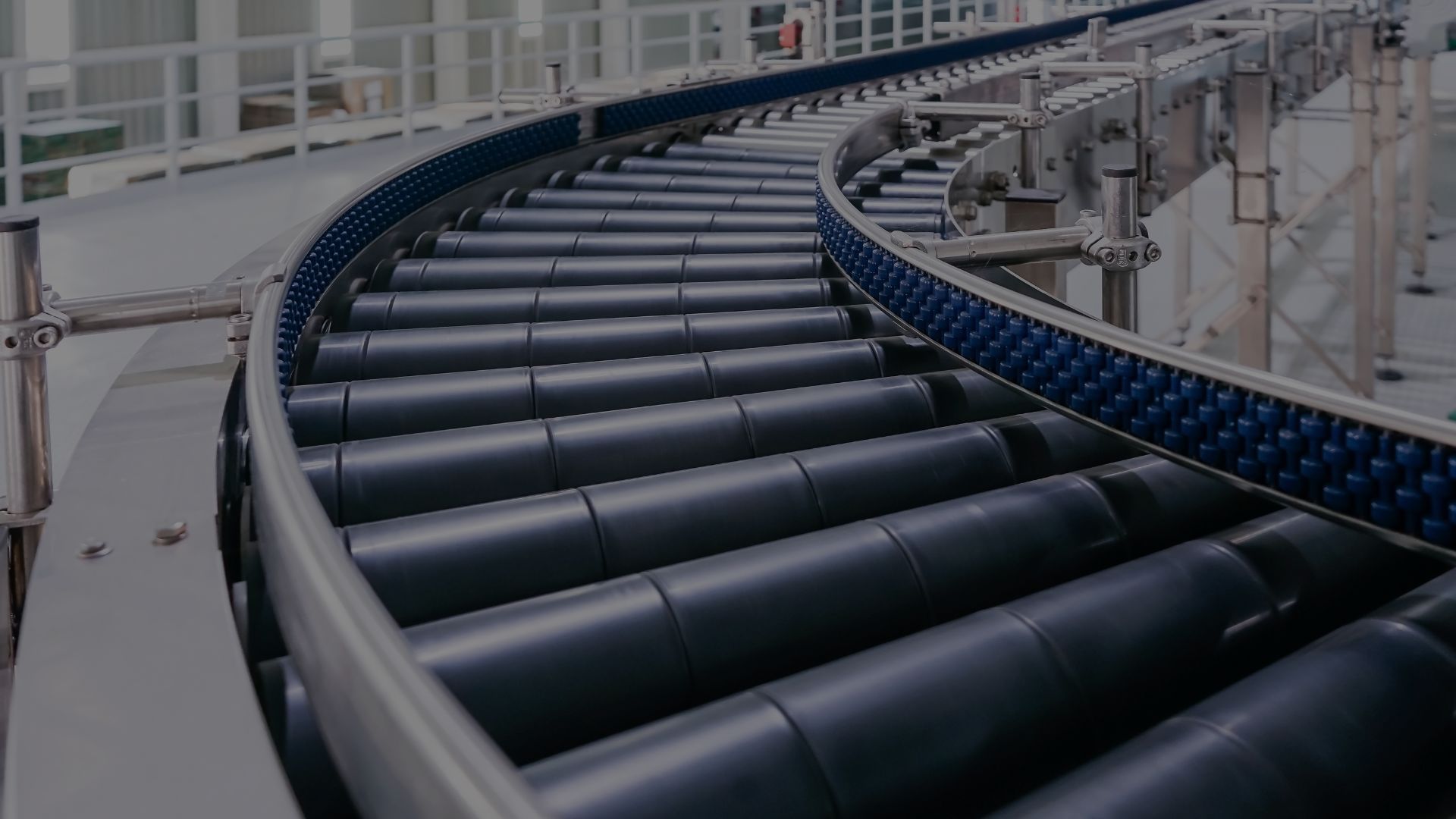
Curves are common where straight runs are impossible, but they need attention to guides and transitions. Without stable guidance, product can drift, rub, or skew, which leads to stoppages and rework.
We specify curved areas with smooth transitions and correct support so flow stays predictable. When curves are done properly, gravity conveyors can route items cleanly through tight spaces without constant operator correction.
Space efficient
Guided movement
Stable routing
Skatewheel lanes
Wheel lanes are useful when smaller footprint items need more contact points than standard rollers provide. This supports smoother rolling and reduces rocking on mixed-size cartons. Wheel sections can also help where product bases have channels that can catch on rollers.
If you regularly handle small parcels, sample cartons, or mixed tote bases, this layout often behaves better with less operator intervention. It is one of the simplest ways to improve how gravity conveyors handle variation.
More contact points
Mixed sizes
Smooth flow
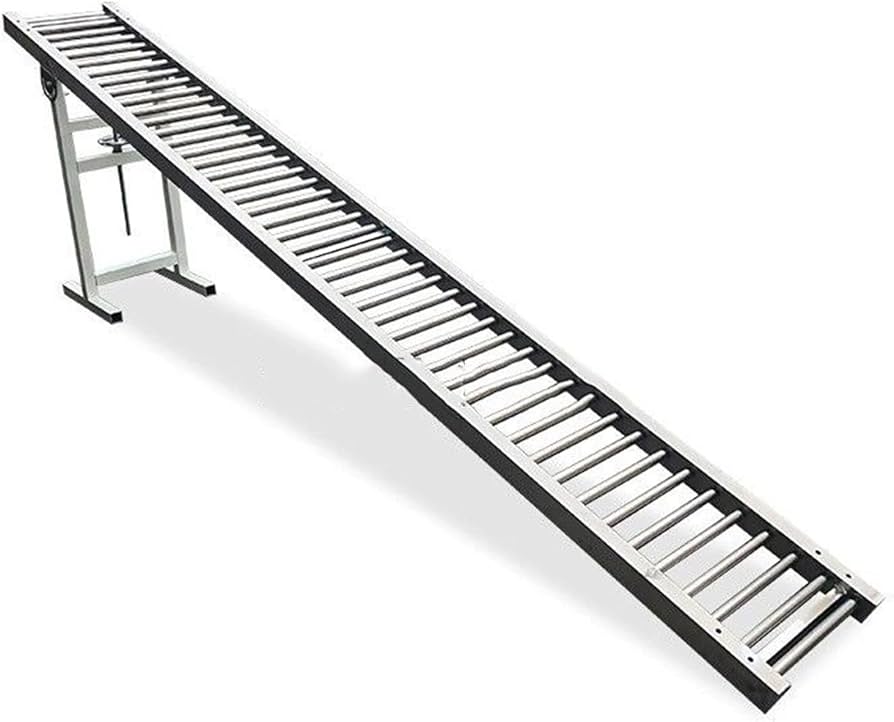
Incline / decline sections
Declines need control. The key issue is usually safe speed and safe stopping. We plan slopes for controlled movement and add stops, buffers, or zones where impact would otherwise damage product.
Correct control makes lines calmer, safer, and easier for operators to work with during busy periods. If you want gravity conveyors to be safe in decline areas, you plan for speed management and controlled accumulation.
Safe speed
Stops & buffers
Operator friendly
Pallet-ready lanes
Pallet-ready lanes use heavier frames and rollers designed for higher unit loads. Correct roller centres and robust supports prevent sagging and keep pallets stable through the lane.
For pallet flow, the layout often includes planned stop logic and buffer positions to protect product and reduce operator risk. When designed properly, gravity conveyors can support pallet staging with clear visibility and manageable manual movement.
Heavy duty
Robust supports
Stable movement
Low-noise and comfort-focused options
Where noise matters, lane behaviour can be improved with roller selection and support design to reduce impact and improve comfort. This helps in packing areas where teams work long hours.
Smoother movement reduces fatigue, reduces scuffing, and keeps work consistent during peak volumes. Comfort may sound “soft”, but it is often the difference between steady output and daily friction around gravity conveyors.
Reduced noise
Smoother handling
Better comfort
If your line mixes non-powered lanes with driven equipment, plan transfers carefully so product doesn’t stall at interfaces. For system planning, see Conveyors and Systems.
It is also worth thinking about how loads enter and leave the lane. A poorly planned transfer creates hesitation, skewing, or impact damage. Good transitions are smooth, aligned, and supported. When transfer points are planned properly, gravity conveyors stay stable and predictable even when staff are moving fast.
If you are building a new zone, consider how operators will interact with it: where they stand, where they scan, where they label, and where they stage finished loads. Designing lanes around those actions keeps the workflow natural. It also reduces the temptation to “work around” the system, which is how many lane setups fail in real life. Done correctly, gravity conveyors become part of a smooth routine, not an obstacle.
Selection matrix: spacing, slope, stops and safety
These systems should move product when intended, stop product where intended, and avoid damage or unsafe conditions. The table below highlights decisions that usually make or break performance. If you want the lane to feel effortless, you design for the worst case, not the average case. That is how gravity conveyors remain stable during peaks.
Think in “failure prevention”. If product jams at the end, stop strategy may need work. If it stalls mid-lane, slope or friction may need adjustment. If it skews at curves, guide design and transitions need attention. These are solvable issues when the design matches product behaviour. Once tuned properly, gravity conveyors tend to keep behaving without constant supervision.
| Decision point |
What to measure |
What it affects |
Typical solution |
| Roller / wheel spacing |
Smallest footprint and base rigidity |
Snagging, stability, smooth rolling |
Spacing so the load always contacts multiple rollers/wheels |
| Slope (fall per metre) |
Available fall and desired speed |
Runaway speed vs stall risk |
Controlled movement; add stops/zones for safety |
| Stops, gates, end buffers |
Where product must pause |
Damage prevention and safety |
End stops, pop-up stops, buffer zones |
| Guides and side rails |
Width variation and routing changes |
Tracking, rub points, jams |
Guides matched to product with smooth transitions |
| Environment |
Wet, wash-down, dust, cold chain |
Corrosion and bearing life |
Material and bearing selection matched to conditions |
| Duty cycle |
Items/hour and interaction |
Wear rate and service routine |
Robust components where frequency is high |
Inclined plane •
Ergonomics •
Logistics
In day-to-day operations, the most common “hidden” factor is variability. Loads vary slightly. Floors vary slightly. Staff push differently. Pallets arrive in different condition. The lane design must be robust enough to tolerate those variations. That is why we avoid designs that only work in perfect conditions. When done properly, gravity conveyors handle everyday variability without needing constant correction.
Another factor is maintenance behaviour. If replacing a roller requires dismantling half a lane, it will not happen on time. If cleaning requires awkward access, it will be skipped. Maintenance-friendly design is not a luxury, it is how systems stay stable long term. For practical, serviceable solutions, gravity conveyors should be specified with access and replacement in mind.
Industries we serve with lane systems (non-mining)
Non-powered lanes are used across industries because they improve staging, packing rhythm, and dispatch organisation. They also support visibility: operators can see flow, see queues, and correct issues before they become a full stoppage. In many facilities, the simplest improvement is giving teams a predictable place for product to move and queue, which is where gravity conveyors fit naturally.
Different industries have different priorities. Some sites need cleanability, some need high throughput, some need flexible layout changes. These systems can be selected and built to match those priorities without forcing a one-size-fits-all approach. With correct selection, gravity conveyors remain useful across different operational styles, from careful batching to rapid dispatch staging.
Clean staging and packing flow, with finishes chosen for wash-down where required.
Packing benches and dispatch lanes that reduce handling time and small stoppages.
Order consolidation, staging buffers, and dispatch preparation with clear visual flow.
Pick/pack support, carton flow, and dispatch preparation areas.
Controlled handling environments where predictability and cleanliness matter.
Staging and handling where debris variability requires robust, serviceable design.
If you have mixed zones (wash-down feeding into dry warehousing), we plan materials accordingly so performance stays predictable instead of corroding quietly in the background.
In these industries, the “win” is often consistency. A stable lane helps teams keep a rhythm and prevents bottlenecks from forming in random places. That improves both throughput and safety, because staff are not constantly stepping around piles, carrying awkward loads, or improvising staging. When you add properly specified lanes, gravity conveyors contribute to a cleaner, calmer floor.
Even where facilities are investing in automation, there are still manual touchpoints: quality checks, labelling, packaging, documentation, and dispatch verification. These touchpoints benefit from simple, controlled movement lanes. That is why gravity conveyors remain relevant even in modern operations.
Countries we service across Africa (supply support)
We supply these systems across Africa and help you standardise parts and spares. A practical cross-border approach is defining consistent widths, consistent roller types, and consistent stop styles so maintenance is fast and downtime risk is reduced. When you standardise, you reduce training time, simplify spares holding, and make troubleshooting predictable.
For multi-site operations, standardising lanes reduces friction in the most practical way: the same part fits the same role across sites. That means less downtime waiting for unique components and fewer surprises during maintenance. When standardisation is done properly, gravity conveyors become easier to support across borders, not harder.
Support for staging and dispatch lanes in non-mining operations.
Standardised lanes and spares planning support.
Reliable supply for warehousing and production handling workflows.
Cross-border support for lanes and components.
Supply for distribution and warehouse staging workflows.
Support for warehousing and processing flow lanes.
Cross-border strategy: keep a small on-site kit (key rollers, bearings, stops, fasteners). Systems stay low-stress when spares are planned instead of “discovered” during downtime.
Where customers operate multiple depots, one of the most effective approaches is to define a standard “lane kit”: a consistent frame style, consistent roller diameter and spacing rules, and consistent stop components. The benefit is boring predictability. When a team in one country learns how to service the lanes, the knowledge transfers to the next site. That is how gravity conveyors become scalable across regions.
Custom manufacturing of gravity conveyors and rollers (non-mining)
Custom manufacturing is important because real facilities have constraints: columns, tight turns, limited fall, mixed product ranges, and safety requirements. We support custom manufacturing of gravity conveyors and rollers so the final lane matches your workflow instead of forcing your team to improvise.
The most valuable customisation is often the boring detail: correct support spacing, correct guide design, correct stop positions, correct transitions, and correct service access. Those details reduce jams, reduce product scuffing, and reduce operator effort. When the lane is designed for reality, gravity conveyors keep their advantage: reliable flow with minimal ongoing effort.
What you can customise (and what matters most)
We customise widths, lengths, curves, supports and stop logic so lanes behave consistently. We also support roller selection based on duty cycle and environment, including bearings and finishes that match your site conditions.
If you have legacy lanes that “almost work”, we can help by upgrading rollers, improving guides, correcting stop positions, and adjusting slope where practical. Small changes can restore stability without a full rebuild, especially when gravity conveyors are already part of the workflow.
Conveyor Rollers •
Parts & Spares •
Services
Maintenance-friendly lane design
We design lanes so wear points are accessible. A lane should be easy to clean, easy to service, and safe to operate. That is the difference between a lane that lasts and a lane that becomes a daily fight.
When serviceability is planned, gravity conveyors remain low stress over time, even with high throughput and frequent interaction.
Easy service
Safe stops
Predictable flow
If you want the fastest next step, send load details, lane length, available fall, and photos of the area. We’ll recommend gravity conveyors that match your load, slope, and safety requirements.
Custom manufacturing also matters when you need integration. Many sites use mixed equipment: non-powered staging lanes feeding into driven zones, or manual lanes positioned beside packing tables and scan points. Aligning heights and transfer geometry is critical to avoid stalls. With a correct layout, gravity conveyors become a stable part of a broader material-handling plan.
Finally, there is the human side: operators build habits around what works. If a lane is stable and predictable, staff trust it and use it correctly. If it jams, surges, or feels unsafe, staff avoid it and start improvising. The goal is straightforward: build lanes that operators trust. That is when gravity conveyors deliver long-term value.
Why Choose Conveyor Supplies Africa
Selection that matches reality
We specify lanes based on load behaviour, slope control, and safety, not just “length and width”. That keeps flow stable and reduces jams in busy operations.
Custom manufacturing + spares support
We support custom manufacturing of conveyors and rollers, plus the parts that keep lines running reliably over time.
Africa-wide supply focus
We help you standardise components and plan spares so operations remain low-stress across multiple sites.
Non-mining industries only
Mining content is excluded everywhere on this site. Our solutions focus on warehousing, processing, packaging, food-grade and distribution environments.
Practical safety planning
Stops, guides and end buffers are planned from day one. Systems should never rely on “careful operators” as the only safety strategy.
Support beyond the quote
We assist with selection, installation thinking, and maintenance planning so flow stays predictable through peak demand.
If you are comparing options, remember that the cheapest lane is not the best value if it creates daily delays. The best value is the lane that stays stable, stays safe, and stays serviceable. That is what we aim for when supplying gravity conveyors.
Frequently Asked Questions (FAQ)
Are lane systems suitable for cartons and totes?
Yes. These lines are commonly used for cartons and totes in staging, packing and dispatch. Correct spacing and guides are key to smooth movement. Where consistent flow is required, gravity conveyors are a proven option.
How do I choose roller lanes vs skatewheel lanes?
Use roller lanes for stable bases and common carton/tote handling. Use skatewheel lanes when smaller footprint items need more contact points. The correct choice depends on footprint and base rigidity.
What slope should I use for safe flow?
Slope depends on load weight, friction, and desired speed. Too steep causes runaway speed and impact. Too shallow causes stalls. We set slope for controlled movement and add stop strategies where needed.
Do you manufacture custom lanes and rollers?
Yes. We support custom manufacturing for non-mining industries, including lane frames, stops, guides, and components selected for duty and environment. If you need a tailored solution, gravity conveyors can be built to suit your workflow.
Can you supply across Africa?
Yes. We supply across Africa and help you standardise components and plan spares to reduce downtime risk.
Fast next step
Send your load details, lane length, available fall, and photos of the area. We’ll recommend a configuration with spacing, guides, and stopping planned for safe daily use. If you want the simplest reliable option, gravity conveyors are often the right starting point.