If your line depends on clean handling, consistent tracking, and stable product flow, polyurethane belting is usually the sensible choice. Conveyor Supplies Africa supplies and fabricates PU belt solutions for hygiene-sensitive conveying, inclines, and controlled-flow applications across South Africa and broader Africa.
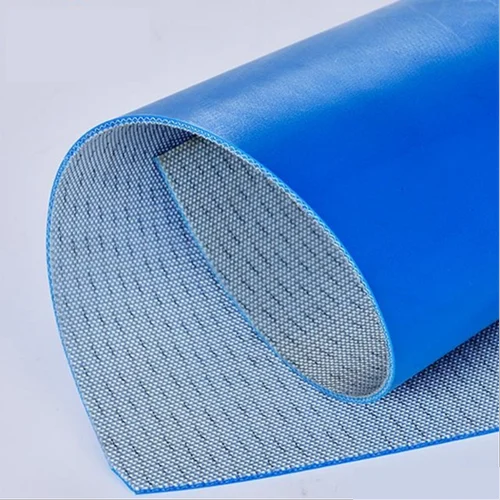
Fast quoting tip: send belt width, loop length, smallest pulley diameter, conveyor speed, product type, and a quick photo/video of the transfer points. If you don’t know everything, send what you can. We’ll fill in the gaps with questions that actually matter.
Polyurethane conveyor belting is widely used where hygiene, chemical resistance, and reliable performance matter more than “cheapest per meter.” A correctly specified PU belt helps reduce contamination risk, improves cleanability, and keeps product flow consistent through processing, inspection, packing, and dispatch. On a real production floor, belt performance is influenced by tracking, pulley condition, transfers, tensioning, and maintenance habits. That is why our recommendations are practical: the belt, the fabrication, and the system need to agree with each other.
A belt that cleans easily but refuses to track is not an improvement. A belt that tracks perfectly but slips on a gentle incline is just downtime with better branding. The right outcome comes from matching surface, construction, and fabrication to the conveyor’s operating reality. We supply polyurethane belts with the supporting components needed to keep the line stable, rather than treating the belt like an isolated consumable.
Below are common belt surfaces and profiles used for hygiene-sensitive operations and controlled flow environments. The best option depends on product contact, incline angle, moisture and oils, cleaning chemicals, and how the conveyor behaves at transfers. If you don’t have a full specification, share what you can and we’ll help you narrow to an option that makes operational sense.
As a practical guideline: choose the simplest surface that achieves control. Overly aggressive textures can increase cleaning time and accelerate wear, while under-specifying grip often shows up as slip, skew, and repetitive stoppages. A properly selected PU belt supports predictable flow and more manageable sanitation routines.
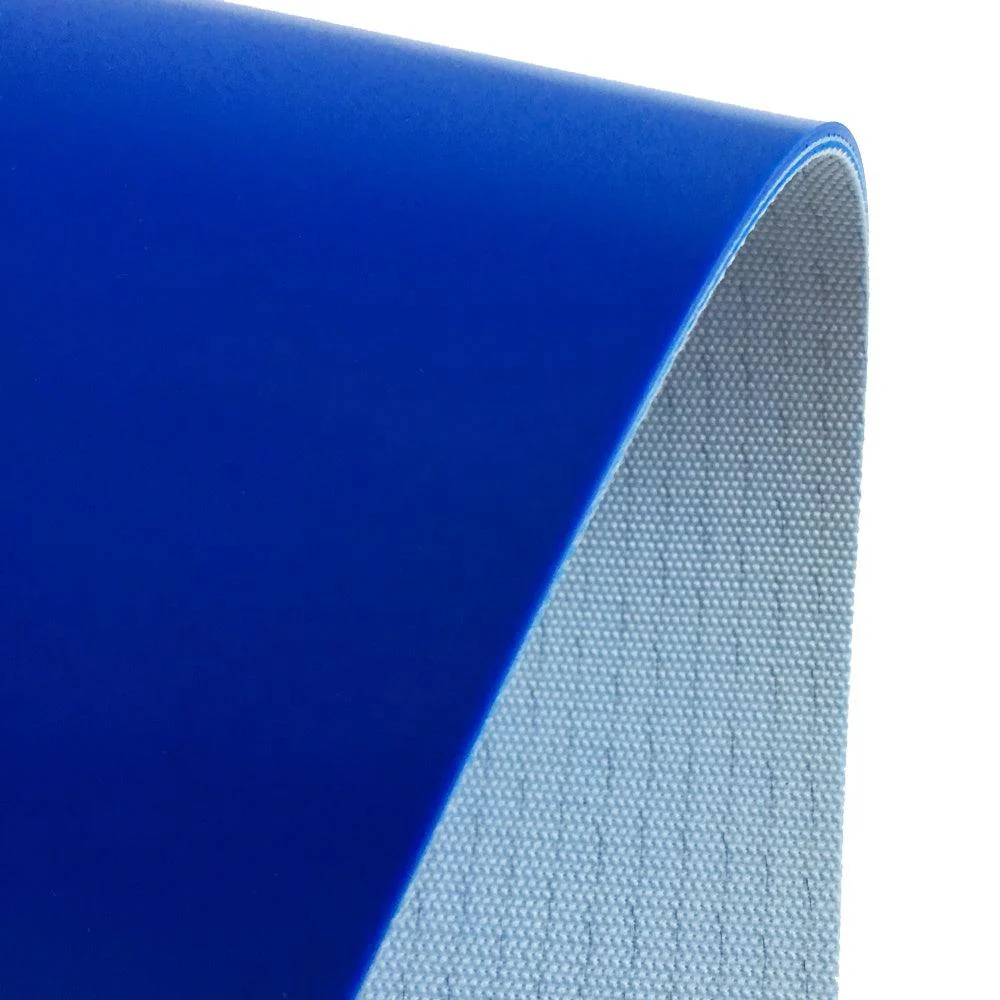
Smooth top polyurethane is commonly used where direct product contact and cleanability are key. A non-porous surface supports sanitation standards, reduces build-up, and helps keep product handling consistent during long shifts. In hygiene zones, the simplicity of a smooth top often makes cleaning faster and verification easier.
Typical fit: inspection tables, pack lines, portioning lines, and hygiene-focused conveyors where washdown is frequent.
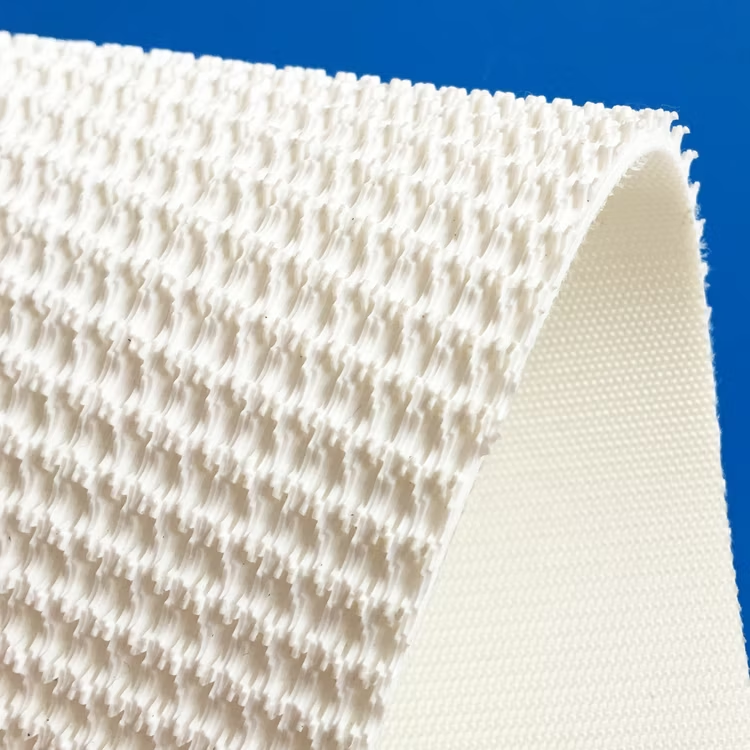
Rough top surfaces are designed for better traction on incline and decline sections where product slip causes jams or misalignment. The textured top improves grip without being so aggressive that it becomes impractical to clean in most applications. This profile is frequently used where cartons, trays, or packaging must stay stable during acceleration and merges.
Typical fit: packaging lines, gentle inclines, and controlled handling applications where stability protects downstream throughput.
Profiled and staggered patterns help maintain control on incline sections, especially where items are small, irregular, or prone to drifting. The purpose is consistent conveying, not “hope it stays put.” Pattern selection should balance grip with hygiene requirements, because some profiles increase cleaning effort.
Typical fit: sorting lines, produce handling, and applications where conditions vary between wet and dry.
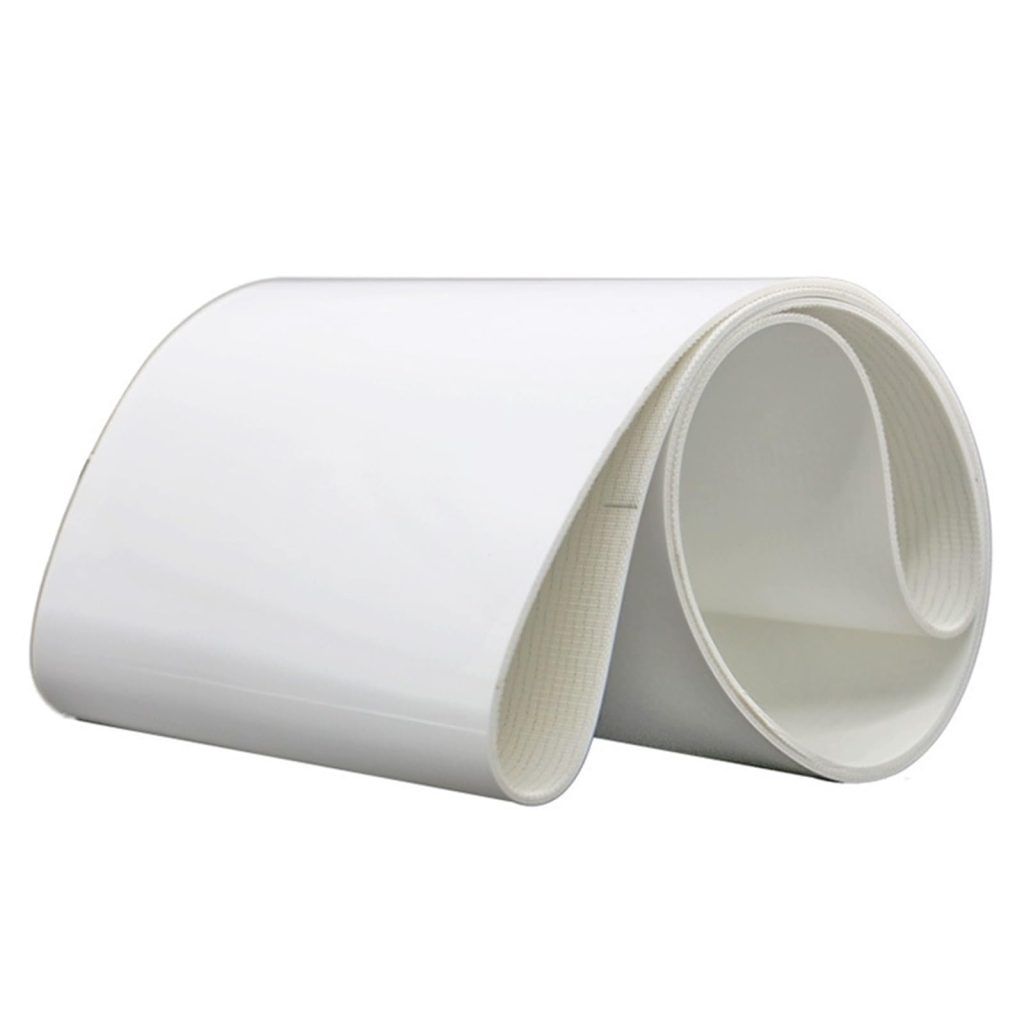
White belts are typically chosen for hygiene zones where residue visibility and sanitation verification matter. The colour supports visual inspection routines and can help teams spot residue early, before it becomes a repeat compliance risk. In facilities with strict cleaning checks, visibility is an operational advantage.
Typical fit: high hygiene packing, direct food contact, and lines where sanitation teams rely on visibility controls.
Blue is often preferred for quality control visibility because it contrasts strongly with many products. It is a practical choice that can support manual inspection as well as automated camera detection. Colour selection is not cosmetic. It is a visibility control that can reduce missed debris and improve inspection outcomes.
Typical fit: inspection zones, portioning, and pack lines where detection and consistent appearance matters.
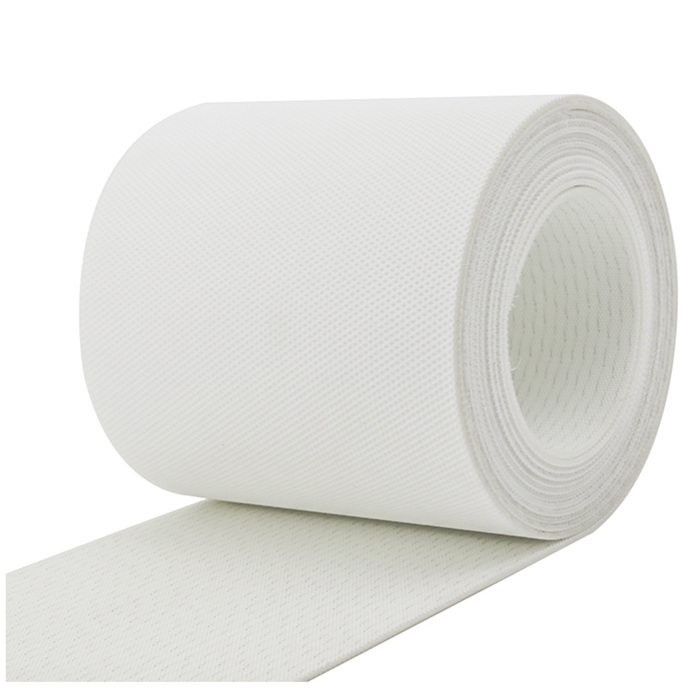
Diamond patterns deliver extra grip and stability without the aggressive marking risk some rough textures can create. They are useful where packaging needs traction but must remain presentable. Correct selection provides control without unnecessarily increasing cleaning time.
Typical fit: inclines for packaged goods, non-marking handling, and applications with steady product formats.
Belt performance is not only about the top cover. Fabrication determines whether the belt tracks reliably, handles transfers cleanly, and holds up to daily cleaning routines. We fabricate belts to match your conveyor geometry, including cleats, guides, and sidewalls where required. Done correctly, fabrication reduces drift, improves stability, and cuts repeat stoppages.
If you have replaced a belt and watched the same issues return, the cause is often alignment, transfers, or fabrication choices rather than “bad material.” The fix is predictable: correct measurements, the correct profile, and fabrication that matches pulleys, supports, and transfer points. A properly prepared PU belt supports stable production rather than constant adjustment.
Cleated belts prevent rollback on incline conveyors and keep spacing consistent. Cleat height and spacing should match product shape, incline angle, and hygiene requirements. Cleats that are too low fail to control load; cleats that are too high can complicate cleaning or create hang-ups.
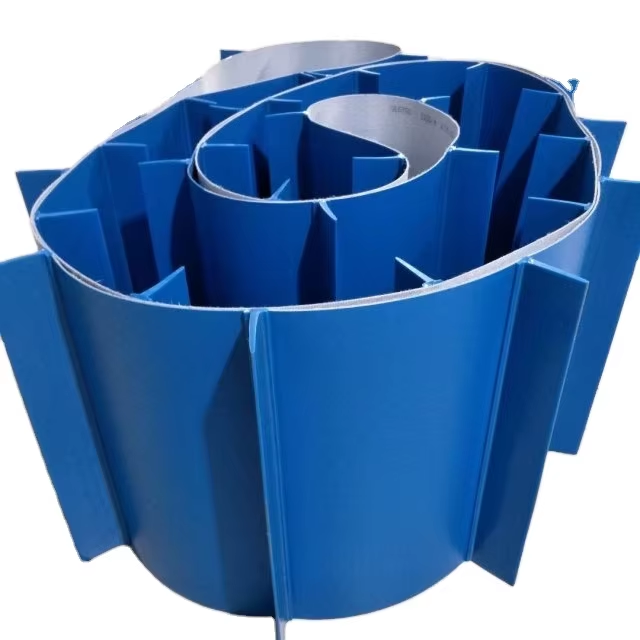
External reference: Incline (concept only) and conveyor belt design principles.
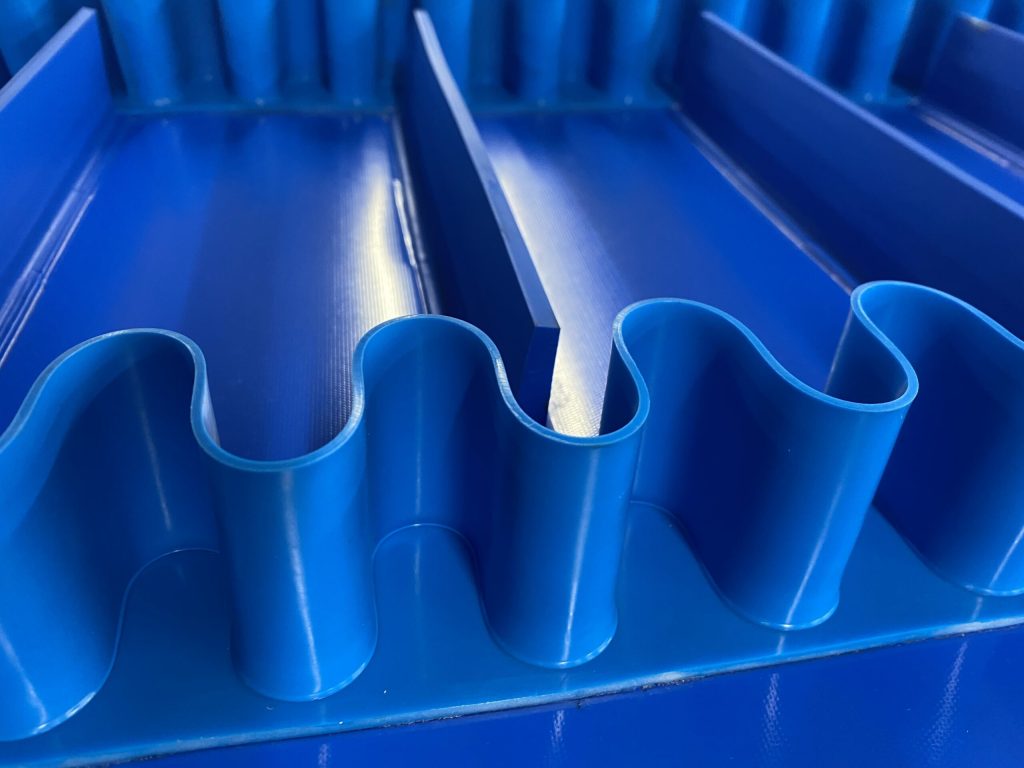
Sidewalls reduce spillage and keep loose items contained on steeper angles. Sidewall height, belt stiffness, and layout must match real loading conditions so containment works in practice. Proper containment improves housekeeping, reduces product loss, and reduces cleaning time by preventing uncontrolled spill zones.
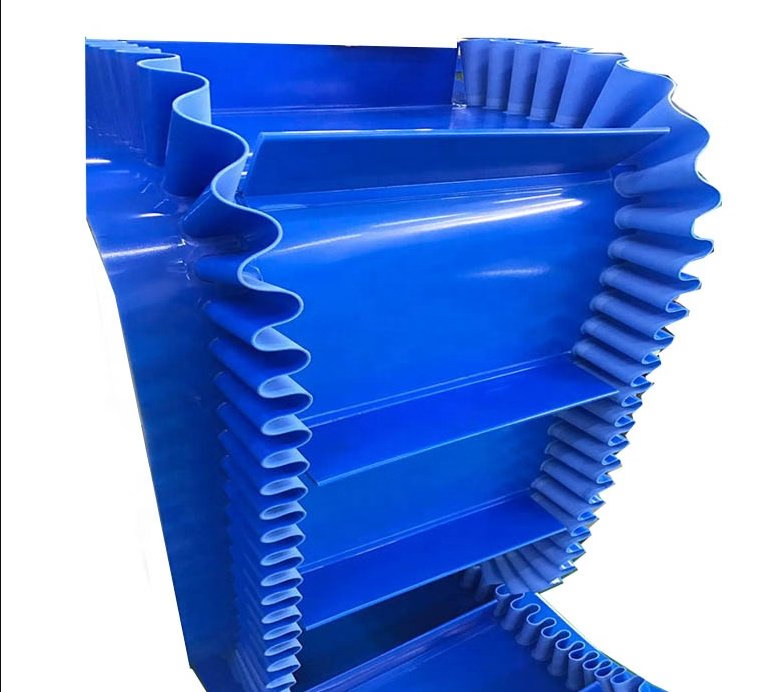
Reference (external): Corrugated (concept reference only).
If you have watched a belt drift until it contacts the frame, you already know guides matter. Tracking depends on pulleys, tensioning, and alignment, but guides can improve stability and reduce edge wear in demanding layouts. We also advise on transfer points so product does not snag, stall, or topple during transitions.
Transfer design impacts hygiene too. Poor transfers trap debris and create repeat cleaning pain.
Splice method influences bumping, tracking, and belt life. We align fabrication with your maintenance reality: who maintains the line, how often, and what downtime costs. Where fast changeovers matter, mechanical fastening can be considered, especially for planned maintenance windows.
If you need help diagnosing repeat failures, our service team can assist with on-site guidance and practical spares planning.
A belt that is “close enough” usually becomes an expensive routine: mistracking, product slip, and repeated stoppages. Use this checklist to help specify correctly from the start. If you are missing details, send photos and measurements you can access and we will help interpret what matters.
| Spec Item | What it affects | What to send us |
|---|---|---|
| Belt width & length | Fit, tracking stability, edge wear | Width (mm), loop length (mm), or conveyor center distance |
| Surface profile | Grip, slip prevention, product marking | Smooth / rough top / diamond / profiled pattern |
| Environment | Material selection, chemical resistance, cleaning | Wet/dry, washdown, oils/fats, chemicals, temperature |
| Product & throughput | Wear rate, tracking, belt tensioning | Product type, weight, units per minute, operating hours |
| Pulleys & transfers | Flex fatigue, splice performance, transfers | Smallest pulley diameter, nose bar details, transfer gaps |
| Fabrication add-ons | Incline stability, containment, guiding | Cleats, sidewalls, guides, edge sealing needs |
| Cleaning routine | Surface suitability, downtime planning | Daily/weekly washdown, chemicals used, hot water/steam |
| Support & slider bed | Heat build-up, drag, belt life | Roller bed/slider bed details, wear strips, support spacing |
Note: Compliance requirements vary by facility and process. We supply belt options suited to hygiene-focused environments and align selection to your application details.
We support sectors where hygiene, controlled flow, and practical uptime matter. If your operation is in food handling, packaging, logistics, warehousing, pharmaceuticals, or light-to-medium manufacturing environments, polyurethane belting is often a strong match. We do not supply mining applications.
Non-mining operations often depend on predictable cleaning, stable tracking, and repeatable transfers. That makes selection and fabrication critical. A properly matched PU belt reduces repeated “small failures” that quietly destroy throughput.
Smooth surfaces and food-grade options support sanitation routines and cleaner transfers. Common lines include bakery, dairy handling, meat and poultry processing, and inspection tables. Correct selection reduces residue build-up and improves cleaning speed.
Rough top and diamond patterns help prevent slip at inclines, merges, and acceleration points. This reduces rework, misalignment, and product damage at dispatch. For consistent output, the belt must support controlled movement instead of reactive “fix it later.”
Conveying cartons, totes, parcels, and staged goods requires stability and repeatable traction. A correctly specified belt reduces drift, improves scanning alignment, and lowers stoppage frequency. When scan accuracy matters, stability matters.
Clean handling and consistent belt performance reduces contamination risk and improves line confidence. Selection often includes easy-clean surfaces and stable tracking to protect product integrity and reduce downtime. A consistent belt is a quiet compliance win.
Moisture variability and product softness demand careful grip selection. The right profile helps reduce bruising while keeping flow consistent through washing, sorting, and packing stages. Stable handling protects product quality and reduces rework.
For customers across Africa, we align selection with your available spares strategy and maintenance reality. The best choice is the one you can support, replace, and maintain without unnecessary delays. Good specification protects supply timelines.
Conveyor Supplies Africa is not only a parts supplier. We design, manufacture, and support conveyor systems and components built for real operating conditions. That includes custom manufacturing of conveyors and rollers, plus belting and a sensible spares strategy that protects uptime long after installation. If you are upgrading a line, expanding capacity, or fixing repeat stoppages, we help specify a system that stays stable under daily production pressure.
A conveyor is a system. When one part changes, everything reacts: tracking, transfers, wear surfaces, rollers, and maintenance needs. When a polyurethane belt is part of your design, geometry must support hygiene routines, clean transfers, and stable behaviour. A properly integrated PU belt supports predictable output rather than constant adjustment.
Whether you need a polyurethane belt conveyor layout, integration into an existing line, or a hygiene-focused transfer upgrade, we help you specify the system around product flow, cleaning routines, and maintenance access. The goal is consistent conveying, not a system that only works when everyone stands around watching it.
If you already have the frame and only need belting and fabrication, we can support selection and advise on transfers and alignment.
Rollers influence belt tracking, vibration, and repeat failures at transfer points. We supply and support rollers and key components that stabilise flow. If the belt keeps drifting or rollers fail frequently, the root cause is usually specification, alignment, or support design.
We help align roller selection, bearing protection, and spacing with your environment and cleaning process.
Conveyor failures repeat when root causes are ignored. Our process is simple: understand the application, specify correctly, and support the result. This matters even more in hygiene-focused environments where cleaning routines and product contact create non-negotiable constraints. We provide options that suit operational reality, not a “perfect” spec that becomes impossible to maintain.
Product type, load, speed, incline or decline, environment (wet/dry/washdown), and operating hours. We also look at transfer points and where stoppages typically start. A short video of the problem area often reduces guesswork and speeds up correct selection.
Surface and construction, fabrication needs (cleats/guides/sidewalls), and matching rollers and components. Correct specification is cheaper than repeated downtime. A well-selected PU belt supports controlled movement and reliable tracking over time.
Spares planning, practical advice, and service support when production pressure is high. The belt is part of the system, so we support the system. For multi-site or regional operations, we also advise on spares prioritisation to protect uptime.
Send width, loop length, surface type, smallest pulley diameter, and the environment (washdown, oils, temperature). Add a photo/video of transfer points and we’ll respond with clear options and lead times.
We build for uptime and operational simplicity. That means correct belt selection, correct fabrication, and the supporting parts that keep your conveyor stable. We keep scope clear: non-mining applications where hygiene, product handling, and reliable flow matter every day. When you need a belt that performs under cleaning routines and still tracks correctly, this is the work we do.

It keeps our focus tight: agriculture, food handling, packaging, warehousing, logistics, pharmaceuticals, and non-mining manufacturing environments. You get guidance that is relevant to your constraints, not a generic “one belt for everything” pitch. This focus supports better spares planning and better long-term outcomes.
The cheapest belt is rarely the cheapest outcome. Correct selection reduces stoppages, product damage, and rework. The goal is consistent flow and predictable maintenance, not constant firefighting. In many applications, a correctly selected PU belt pays for itself in reduced interruptions.
For facilities running incline and decline conveyors, traction and transfer design matter as much as belt material. A belt that slips on an incline creates rollback, bunching, and uneven spacing, which then triggers stoppages downstream. Where controlled spacing is required, we recommend a belt and fabrication combination that fits the conveyor geometry and cleaning routine. In many hygiene environments, a correctly selected PU belt supports stability without creating unnecessary cleaning workload.
In a packaging and sorting system, stability at merges and acceleration points often determines real throughput. When cartons skew, scans miss, or product arrives misaligned, the fix is rarely “increase speed.” The fix is controlled movement, correct support, and predictable traction. If the belt needs to maintain grip while still staying easy to clean, we match the surface to operating reality and maintenance discipline. That is where a properly selected PU belt becomes a reliability component, not just a replacement item.
For pharmaceutical and medical production lines, belt selection should support clean handling and consistent tracking. These lines often require repeatable cleaning cycles, predictable transfers, and minimal debris retention. A stable belt reduces adjustment time and supports quality checks. In practice, many operations prefer cleanable surfaces and consistent tracking, which is exactly what the right PU belt is meant to deliver.
For bulk material handling in incline conveyors (non-mining applications only), containment and rollback prevention are the key design constraints. Sidewalls, cleats, and the correct stiffness reduce spillage and keep loads stable at steeper angles. This is where fabrication matters most, because the wrong sidewall height or cleat spacing can turn an incline into a daily cleanup job. When specified correctly, a fabricated PU belt supports stable loading and cleaner housekeeping.
Profile selection can include rough top food grade PU belt where packaged items must not slide, and cleated food grade PU belts where spacing control is needed on inclines. Where containment is required, a corrugated sidewall food grade belt can reduce spillage and improve housekeeping. For simple hygiene-first operation, a smooth food grade PU belt remains a common selection where cleaning speed and predictability matter. The goal is to match the belt profile to the work the conveyor is doing, not to a generic “best seller” list.
For multi-direction grip and stability, a staggered food grade PU belt can help where product shapes vary or where moisture levels change during the shift. Visibility-driven hygiene control often aligns with a white food grade PU belt. Traction with lower marking risk can be achieved with a diamond top food grade PU belt. Where applications require profile-specific handling, options like a horseshoe food grade PU belt or matt food grade PU belt can be considered depending on flow, cleaning, and product constraints.
If your specification calls for a PU conveyor belt aligned to hygiene protocols, we support surface selection and fabrication to match your conveyor geometry. In certain facilities, an FDA food grade conveyor belt requirement may be part of internal compliance documentation and quality audits. Where visibility is a primary control measure, a White PU belt supports inspection routines and helps reduce missed residue during cleaning checks. If you need repeatable output with fewer adjustments, the right PU belt is typically the simplest “upgrade” you can implement.
Reminder: we focus on non-mining environments, and we also support custom manufacturing of conveyors and rollers where system upgrades are required.
Polyurethane conveyor belts are commonly used in hygiene-sensitive applications such as food processing, packaging, and pharmaceutical lines. They offer good resistance to oils, fats, and many chemicals while supporting easy cleaning and stable product handling. Selection depends on surface profile, environment, and transfer design.
Both can be suitable. White belts are often used for cleanliness and visual inspection in high-hygiene zones. Blue belts are popular where contrast helps with contaminant detection and quality control. The right choice depends on your inspection approach and product visibility needs.
Yes. We supply belts with fabrication options such as cleats (flights), sidewalls, and guides to improve incline stability, reduce spillage, and support tracking. We recommend fabrication based on your conveyor geometry, incline angle, and cleaning requirements.
Send belt width, loop length, surface type (smooth/rough top/diamond), smallest pulley diameter, and the environment (washdown, oils, temperature). Add a photo/video of transfer points. That improves quoting speed and prevents incorrect selection.
No. Conveyor Supplies Africa focuses on non-mining conveyor applications only, including agriculture, food handling, packaging, logistics, warehousing, pharmaceuticals, and general manufacturing.
Yes. We support custom manufacturing of conveyors and rollers, plus belting, components, and service support. We help specify solutions that match your process, hygiene requirements, and maintenance reality.
Request a quote and we’ll respond with clear options based on your application. If you’re not sure what to measure, send photos and we’ll guide you.
