Generic selectors
Exact matches only
Search in title
Search in content
Post Type Selectors
CSA | Two belt systems, one clear decision

Belt Conveyors

belt conveyors are one of the most reliable ways to move products through packaging, logistics, warehousing, food processing, and general manufacturing, but the belt material you choose changes the entire performance envelope.

This page is intentionally written as two distinct products presented in one place: PVC belt conveyors for durable, dry, general conveying and PU belt conveyors for hygiene-first and washdown environments. When clients lump everything into “a belt line”, they end up specifying the wrong belt type, the wrong cleaning plan, or the wrong spare strategy. That is how small purchasing decisions grow into expensive downtime.

Our approach is simple: we help you choose the best belt family for your environment, then we tailor geometry and components so your belt conveyors stay stable under your real-world duty cycle. That includes transfer planning, tracking stability, access for maintenance, and spares alignment across multiple sites.

We support custom belt conveyor manufacturing and the custom manufacturing of conveyors and rollers, including new builds, retrofits, and integration with adjacent conveyor systems.

Keyword coverage (bolded once, cleanly): industrial belt conveyor systems, food grade belt conveyors, packaging belt conveyors, lightweight belt conveyors, hygienic conveyor systems, conveyor belt systems Africa, PVC conveyor belt system, PU conveyor belt system, belt conveyor for packaging industry, belt conveyor for food industry.

Why PVC and PU Matter in belt conveyors

The belt surface is not an accessory. It is the working interface that touches product, contacts packaging, controls friction, and takes the wear. For belt conveyors, material selection influences tracking behaviour, splice choice, belt tension limits, cleaning compatibility, and how quickly a line returns to stable operation after a stop-start cycle.

A practical selection process starts with environment category: hygiene-first washdown vs dry packaging and general conveying. From there we consider incline needs, transfer frequency, product base stability, and expected duty cycle. This prevents “overbuying” a belt material you do not need, or worse, under-specifying a belt material that will fail early.

PU: hygiene-first and washdown-ready

Polyurethane belts are commonly selected where cleaning routines are frequent, where oils/fats are present, or where contamination risk must be managed. This is why PU is often the starting point for many belt conveyors in food and controlled manufacturing environments.

  • Designed around cleanability, inspection access, and low contamination tolerance
  • Better suited to oils/fats and cleaning agent exposure (application dependent)
  • Often selected when a single hygiene failure can stop production
Hygiene-first Washdown planning Clean transfers

PVC: durable general conveying and packaging

PVC belts are widely used where the environment is mostly dry, where cartons and packaging dominate, and where abrasion resistance and predictable belt replacement cycles matter. For many packaging operations, PVC-based belt conveyors deliver the best balance between stability and lifecycle cost.

  • Strong option for cartons, totes, wrapped goods, and general handling
  • Good abrasion durability in dry lines (application dependent)
  • Often the best balance of performance and belt replacement cost
Dry lines Packaging stability Wear planning
Selection shortcut: if hygiene risk and cleaning chemistry can shut down production, prioritise PU. If the line is dry and packaging-heavy, PVC is usually the sensible standard. Either way, we engineer the geometry and transfers so your belt conveyors remain stable under your actual operating conditions.

Conveyor belt, Materials handling.

PU vs PVC Comparison Table

This table focuses on selection logic that procurement and operations teams can agree on without debates that magically last longer than the project timeline. If you are unsure, we validate the choice using product type, cleaning routine, incline geometry, transfer frequency, and spare availability for your belt conveyors.

Decision Factor PU Belt Conveyor Systems PVC Belt Conveyor Systems
Typical use case Hygiene-first conveying and washdown environments Packaging, warehousing, and general conveying in dry areas
Cleaning routine Frequent cleaning cycles, chemical exposure planning Light cleaning, wear-driven belt replacement strategy
Product contact sensitivity Higher sensitivity environments (food, pharma, controlled zones) Lower sensitivity environments (cartons, packs, totes)
Traction and incline needs Configured around hygiene + grip where required Configured around packaging stability + belt texture where required
Lifecycle planning Hygiene inspections, access, cleaning downtime management Wear monitoring, spares, predictable belt change intervals
Best-fit industries Food & beverage, pharmaceutical, cosmetics, clean manufacturing Packaging, logistics, distribution, warehousing, general manufacturing
If you manage multiple facilities, standardising belt family by environment category can reduce spare variety and training complexity. It also makes your maintenance team faster when faults occur, which improves uptime across your belt conveyors.

Polyurethane and Polyvinyl chloride.

Product Options on This Page

The six conveyor configurations below are presented as two product families. This layout helps clients compare options and choose confidently. We keep the selection language practical so the buyer understands why two products exist on one page and how each fits a real workflow. Proper selection improves performance and reduces unnecessary maintenance across your belt conveyors.

Each configuration can be manufactured to match site layout, transfer requirements, and duty cycle. We also support upgrades and retrofits for existing lines where the structure is sound but performance is unstable. This matters because most problems blamed on “the belt” are actually caused by transfer geometry, tracking setup, or maintenance access limitations in the original build.

PU Conveyor Options

Belt conveyors

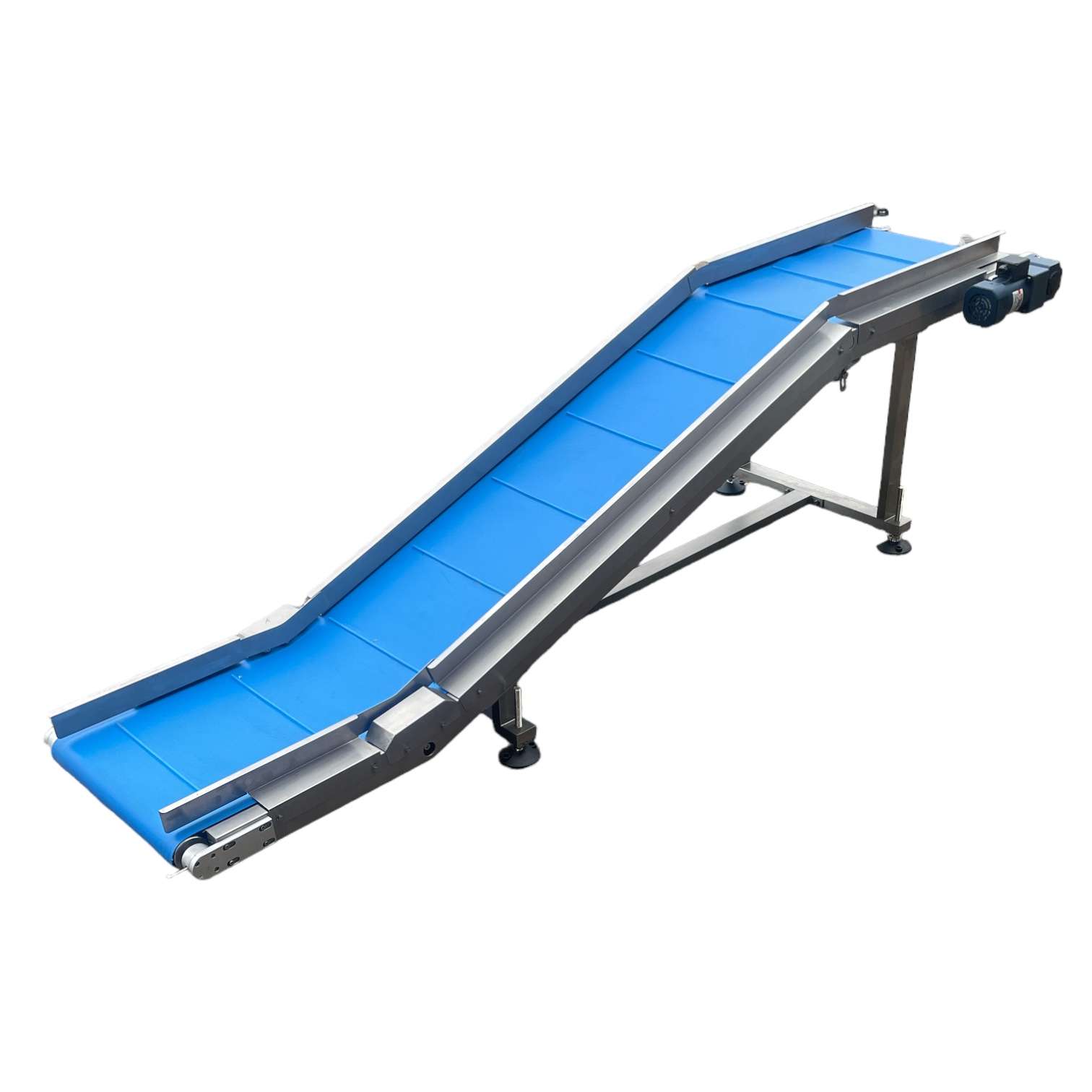
Goose-Neck PU Belt Conveyor

Designed for compact elevation routing where clearance and containment are needed without a long incline run. Ideal for clean transitions between process steps, packing areas, and controlled zones, especially where space is limited.

  • Space-efficient lift profile for tight layouts
  • Useful when product needs stable containment through elevation change
  • Common where hygiene routines and inspection access matter
Compact elevation Containment-friendly Hygiene planning
Incline pu conveyor system

Incline PU Belt Conveyor

Built for elevation changes with traction planning around product stability, speed, and cleaning regime. Incline configurations are engineered to prevent rollback, reduce product scuffing, and maintain predictable operation through stop-start cycles.

  • Incline angle engineered around product behaviour
  • Configured for predictable movement in stop-start cycles
  • Designed with service access and cleaning routines in mind
Incline stability Traction design Service access
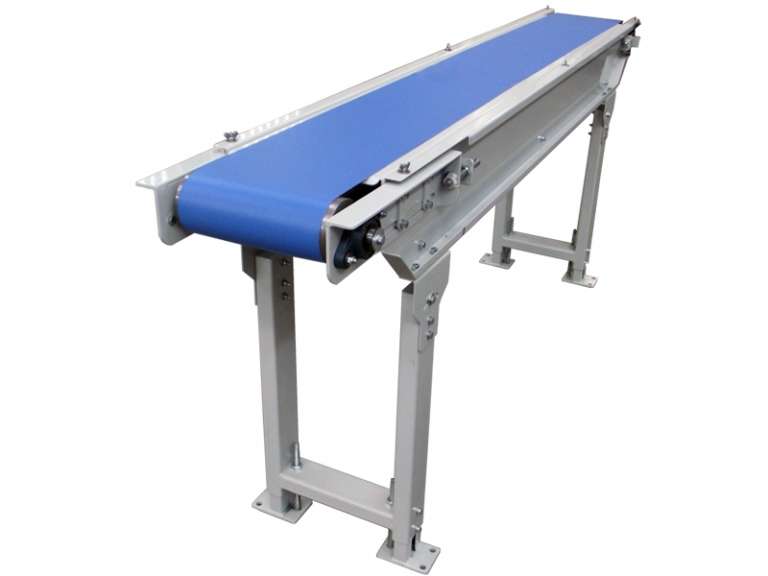
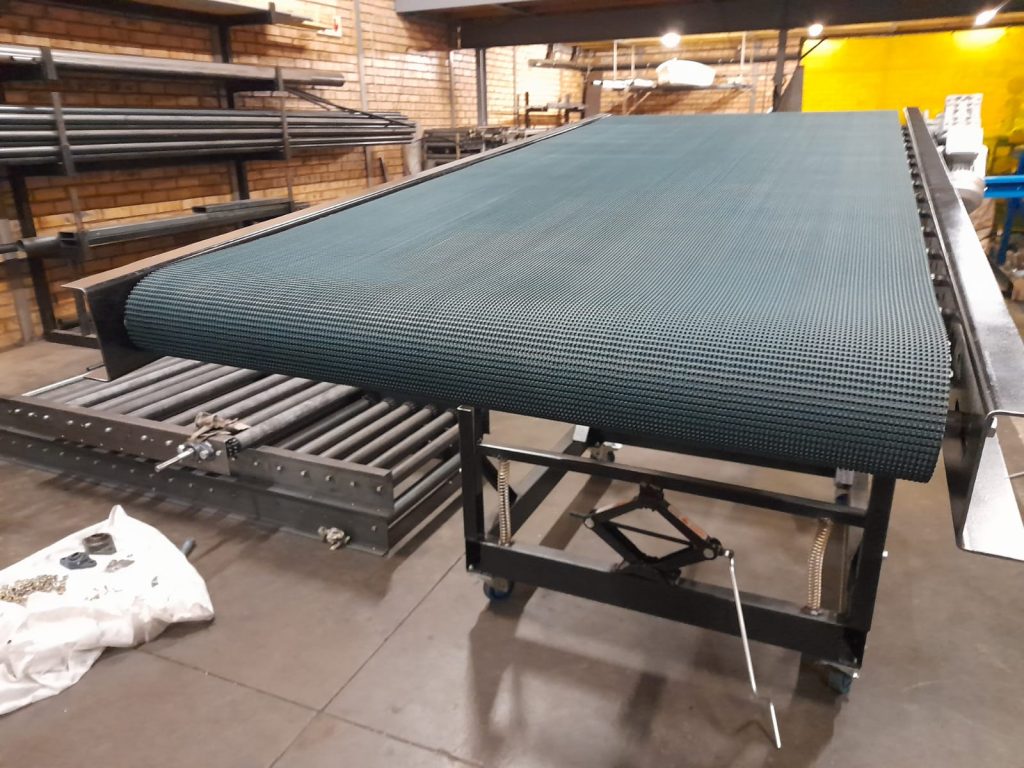
Smooth top pu belt

Smooth Top PU Belt Conveyor

Smooth top surfaces support stable transfers, consistent contact, and efficient cleaning cycles. This configuration is frequently selected where operators need predictable transfers and quick clean-down between batches.

  • Predictable transfers and stable product support
  • Optimised for regular cleaning routines
  • Strong choice for consistent day-to-day operation
Smooth top Clean transfers Consistent operation

Green PVC Conveyor Options

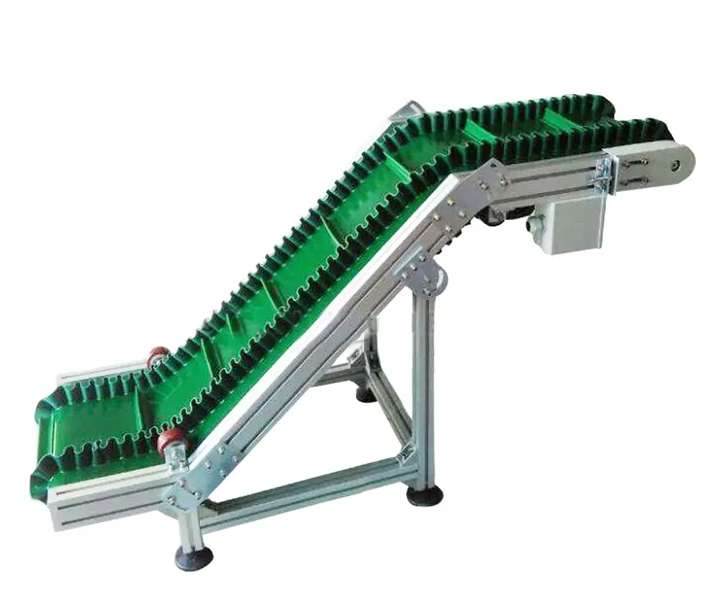
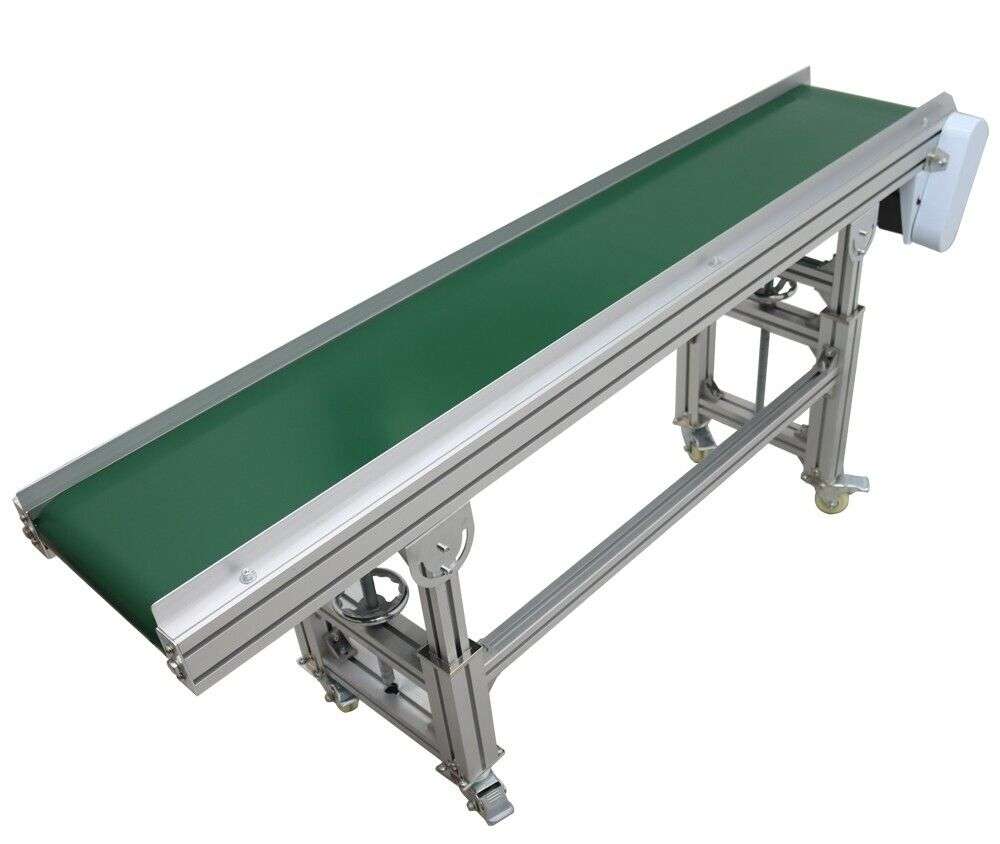
Green pvc goose-neck conveyor

Green PVC Goose-Neck Belt Conveyor

Compact elevation routing for packaging lines where floor space is limited and stable movement is required. A practical choice for pack handling and dispatch routing where consistency matters more than complexity.

  • Space-efficient elevation change for packaging layouts
  • Stable handling of cartons, trays, and wrapped products
  • Good fit for repeatable routing in dry environments
Packaging routing Compact lift Dry environments
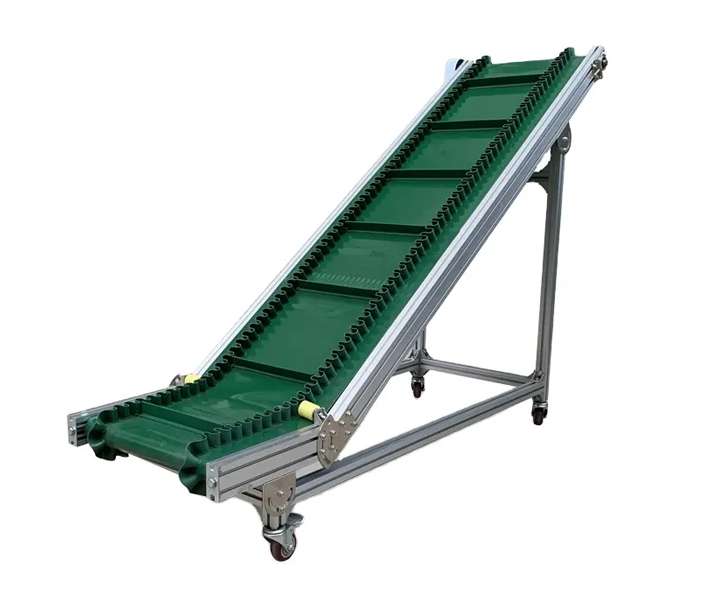
Green pvc incline conveyor

Green PVC Incline Belt Conveyor

Incline conveying for packaging and warehousing where stable elevation change is required. Belt surface selection depends on incline angle and product stability to prevent slippage and reduce product misalignment at transfers.

  • Designed for reliable elevation change in dry applications
  • Supports cartons, crates, and packaged goods movement
  • Maintenance planning focused on wear and spares readiness
Incline build Warehousing Wear planning
Green pvc smooth top conveyor

Green PVC Smooth Top Belt Conveyor

Smooth top green PVC is a strong general-purpose option for packaging and dry industrial movement. It supports stable transfers and predictable operation in dispatch and staging areas where throughput consistency matters.

  • Stable product support for cartons and packs
  • Predictable transfers and simplified tracking setup
  • Cost-effective for longer runs and repeatable duty cycles
General conveying Dispatch lines Cost-effective
For multi-line facilities, selecting the correct belt family and aligning spares can reduce downtime and simplify training across your belt conveyors. This is especially valuable when maintenance teams support multiple shifts or multiple sites.

If your site is expanding, we can plan modular additions and phased upgrades so your belt conveyors scale without creating a spare-parts nightmare. That includes standardising bearings, shafts, rollers, and tracking components where practical.

Technical Guidance: Weight Class, Environment, Transfers, and Tracking

This section clarifies the elements that most strongly influence real performance: load class, transfer behaviour, traction requirements, belt tracking stability, and maintenance access. Many sites replace belts repeatedly when the real issue is transfer geometry or misaligned tracking components. Correct setup protects your belt conveyors from recurring faults.

System Family Typical Weight Class Best Environment Common Applications Selection Notes
PU belt systems Light to Medium (application dependent) Washdown / hygiene-controlled Food processing, pharmaceuticals, clean manufacturing Confirm chemical exposure, cleaning cycle, product contact requirements, transfer hygiene
PVC belt systems Light to Medium (application dependent) Dry / packaging-focused Packaging lines, logistics, warehousing, dispatch routing Confirm abrasion wear profile, incline traction needs, product base stability, belt replacement strategy
Green PVC options Light to Medium (application dependent) Dry / general conveying Cartons, totes, wrapped products, staging lines Best for predictable duty cycles with cost-effective replacement planning

Transfer design essentials

Transfer zones are where most stability issues start. If product tips, snags, or rotates at a transfer, the belt is blamed, but the geometry is usually the cause. We plan transfers to reduce impact loading and maintain clean, stable flow across your belt conveyors.

  • Control gap size and product support at transfers
  • Stabilise orientation using guides and correct speed matching
  • Reduce belt edge contact by ensuring proper alignment

Tracking and maintenance basics

Tracking stability is not “set and forget”. It is a combination of alignment, tension, cleanliness, and component condition. A simple inspection routine can prevent recurring drift and reduce belt wear on your belt conveyors.

  • Check pulley alignment and roller condition on a schedule
  • Keep build-up under control in high-debris areas
  • Ensure tension is appropriate for load and duty cycle
Recommendation for procurement teams: specify environment category first (washdown vs dry), then confirm incline needs and transfer design. It prevents mis-buying and protects stability across your belt conveyors.

Recommended Selection by Industry and Operating Region

This section is written for buyers and operations managers. It explains the “why” behind the selection so the client understands they are choosing between two product families, not two colours of the same thing. Clear selection reduces downtime and stabilises operating cost across your belt conveyors.

Best fit: hygiene-first environments

Choose PU systems when washdown routines are frequent, when hygiene checks are strict, or when contamination risk carries serious operational consequences. These systems integrate well into clean layouts and controlled production zones, especially where process flow is tightly managed.

  • Industries: Food & Beverage, Pharmaceutical
  • Types: Goose-Neck PU for compact clearance, Incline PU for elevation change, Smooth Top PU for consistent transfers
  • Selection focus: cleaning chemicals, inspection access, transfer hygiene, downtime planning

If your process is sensitive, treat hygiene risk as a design input, not a compliance checkbox. It improves line stability and keeps your belt conveyors consistent across shifts.

Best fit: packaging and general conveying

Choose PVC systems when the environment is predominantly dry, packaging dominates, and wear resistance with predictable replacement is the priority. Green PVC options are common because they are practical for staging, dispatch, and packaging routes where the product base is stable.

  • Industries: Packaging, Logistics, Warehousing
  • Types: Green PVC Goose-Neck for compact lift, Green PVC Incline for elevation, Green PVC Smooth Top for stable transfers
  • Selection focus: abrasion wear, traction requirements, load profile, belt change planning

For packaging-heavy routes, the highest ROI often comes from clean transfer design and spares planning, not “premium” upgrades. That is how you stabilise costs across your belt conveyors.

Countries and support: access the Countries hub for regional coverage including Nigeria, Tanzania, Zambia, and Zimbabwe. We validate selection against operating conditions and practical spares strategy planning for your belt conveyors.
Suggested recommendation for clients: standardise one belt family per environment category, then standardise spares and maintenance routines across the site. It reduces downtime and improves consistency across your belt conveyors.

Custom Manufacturing and Integration Support

Most sites do not need a generic conveyor. They need a conveyor that matches footprint, process flow, duty cycle, and maintenance reality. Conveyor Supplies Africa supports builds, upgrades, and integration, including the custom manufacturing of conveyors and rollers. When required, we align belt selection and component strategy so your belt conveyors remain stable over time.

What we engineer into your build

  • Layout: length, width, elevation changes, transfer zones, and access requirements
  • Drive: motor sizing, pulley selection, tracking strategy, belt tension planning
  • Frame: mild steel, stainless steel, or aluminium profiles based on environment
  • Integration: interfaces with rollers, transfers, and adjacent conveyor systems

This matters because stable operation is not just the belt. It is the belt plus transfers plus tracking plus maintenance access. That is what protects your belt conveyors from recurring drift and unnecessary wear.

Lifecycle support (the part most suppliers ignore)

Uptime is not luck. It is belt selection, tracking stability, sensible spares planning, and maintenance access. We help standardise components and build a practical replacement strategy that reduces emergency downtime across your belt conveyors.

  • Planned spares: belts, bearings, idlers, drive components
  • Inspection and maintenance support
  • Retrofit upgrades when packaging or process changes

Suggested recommendation for multi-shift sites: keep a small “rapid recovery kit” of the highest-failure spares on-site. It reduces downtime and protects throughput across your belt conveyors.

If you are planning new lines, we can map the flow so you avoid unnecessary transfers and reduce stoppage points. Fewer stoppage points usually means fewer failure points across your belt conveyors.

Why Choose Conveyor Supplies Africa

Because we do not “sell a conveyor”, we solve a conveying problem with the right belt material, the right structure, and support that matches the operating reality. We focus on reliability, serviceability, and lifecycle cost. That approach keeps your belt conveyors stable and reduces avoidable downtime.

Clear selection logic

  • Material selection based on environment, cleaning, and duty cycle
  • Practical advice clients can use without confusion
  • Engineering validation before final supply

Manufacturing + spares support

  • Custom builds and upgrade planning available
  • Belts and components supported through spares strategy
  • Maintenance support through internal services

Built for regional operations

  • Country and industry coverage via internal hubs
  • Support models designed for uptime realities
  • Systems engineered to be maintained, not babysat

Final recommendation: if you want stable performance, do not treat selection as a one-time purchase decision. Treat it as a lifecycle decision and your belt conveyors will behave accordingly.

Countries and Industries We Serve

Use the hubs below to explore industry-specific and region-specific conveying requirements and examples. This also helps align your selection to operating conditions and service support availability.

Countries

We support belt selection and spare strategies aligned to regional operating realities and supply planning for belt conveyors.

Industries

Industry selection impacts hygiene requirements, cleaning frequency, product contact rules, and the long-term stability of your belt conveyors.

Related Products

We supply systems and components that support stable operation, upgrades, and maintenance planning for belt conveyors.

Frequently Asked Questions

Short, practical answers that reduce wrong selections and speed up procurement decisions.

Are PU systems the best choice for washdown environments?
In most cases, yes. PU is commonly selected where cleaning routines are frequent and hygiene risk needs to be controlled. Final selection depends on cleaning chemistry, duty cycle, and the product being moved.
When should I use PVC systems instead of PU?
Use PVC where the line is predominantly dry, packaging-heavy, and abrasion durability with predictable replacement cycles is the priority.
Can you manufacture custom conveyor frames and rollers?
Yes. We support custom manufacturing of conveyors and rollers, including integration with adjacent systems and retrofit upgrades.
Do you supply spares and maintenance support?
Yes. We support belts and components through Parts & Spares and maintenance planning through Services.
How do I reduce downtime on conveyor lines?
Select the correct belt material for the environment, design stable transfers, plan spares (belts, bearings, drive components), and ensure access for maintenance. Uptime is engineered, not hoped for.
Can you help us standardise multiple lines across a facility?
Yes. We can help standardise belt family selection by environment category and align spares and maintenance routines so your site operates consistently and your belt conveyors are easier to maintain.
Page Contents