In Cold Storage, time and temperature are not “nice to have” variables. They are the whole point. Conveyor systems in Cold Storage need stable tracking, reliable transfers, and predictable staging so product moves quickly with minimal handling. Conveyor Supplies Africa manufactures non-mining conveyor systems that support agricultural cold chain environments such as pre-cooling interface zones, chilled rooms, freezer areas, and dispatch staging. The objective is simple: keep product moving while reducing delays, congestion, and damage risk in cold environments.
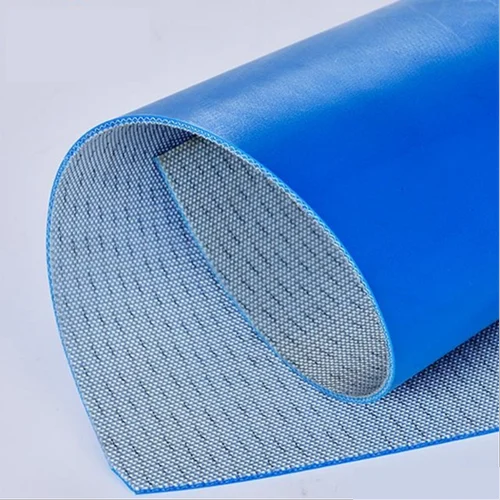
Fast quoting tip: send the room temperature range, product format (crates/cartons/pallets), throughput per hour, and photos/video of the busiest transfer points. In Cold Storage, transfers and staging dictate uptime.
Cold Storage environments magnify small issues. A minor tracking problem becomes repeat stoppages. A messy transfer point becomes a safety hazard. Moisture and condensation turn dust and debris into slip risks and build-up. Cold temperatures change material behaviour, lubrication performance, and the way products handle at merges and discharge points. A conveyor that works fine in ambient conditions can fail repeatedly in Cold Storage if the system is not selected and configured for the environment.
The operational goal of Cold Storage is controlled movement with minimal dwell time. The longer product sits in staging because of congestion or manual handling, the harder it becomes to maintain consistent outcomes. That is why we focus on practical design factors: stable transfers, predictable staging, easy inspection access, and components that suit cold conditions. If you have ever seen a cold room become a traffic jam during dispatch, you already know the “flow problem” is usually a conveyor and layout problem, not a staff problem.
External reference: Cold chain · Cold storage
This page covers conveyor system requirements and practical design logic for agricultural Cold Storage operations, including: receiving hand-off zones, staging and buffer logic, picking and packing support, and dispatch interfaces. The aim is controlled movement through cold rooms and pre-cooling interface areas without creating congestion and manual handling reliance.
If your downstream workflow includes consolidation for export or specialised cold chain packaging, those processes should be handled with separate process-specific design decisions. Here, we focus on the core conveyor movement that keeps product flowing in Cold Storage while protecting uptime.
Cold Storage flow breaks down at transfers and staging. The system roles below are designed to prevent those breakdowns. The right mix depends on product format (crates, cartons, totes, pallets), room layout, traffic patterns, and the temperature and moisture profile of the site. The goal is not just to move product, but to keep product moving without drift, jams, or constant manual intervention.
Smooth intake from receiving bays into Cold Storage staging zones reduces dwell time and prevents congestion. Controlled receiving also reduces damage at the moment product changes hands.
In Cold Storage, accumulation protects operations from peaks. A stable buffer keeps picking or dispatch running even when inbound flow surges.
Transfers are where ice, moisture, and misalignment become downtime. Well-designed transfers reduce snag points and keep flow calm through Cold Storage.
Picking in Cold Storage becomes inefficient when product is staged poorly. Conveyors can support controlled feed to picking areas and reduce wasted movement.
Packing lines in Cold Storage need steady flow and clear hand-off points. Controlled movement supports verification and reduces rework confusion.
Elevation changes are common between docks and cold rooms. Correct incline/decline design prevents slip, rollback, and impact damage.
In Cold Storage, cartons and totes need stable support. Roller systems can improve movement while keeping maintenance predictable.
Where traction and controlled release matter, belt conveyors provide stable movement through Cold Storage zones. The key is correct selection for moisture and temperature behaviour.
Some Cold Storage sites require wet cleaning and strong hygiene discipline. Modular belts can support easy cleaning and drainage-friendly design.
Dispatch chaos usually starts with poor staging. In Cold Storage, staging must be organised so trucks load quickly and product does not sit unnecessarily.
Returns and rework are unavoidable. Controlled routing prevents rework from contaminating the main flow in Cold Storage.
When Cold Storage conveyors are designed for the real environment, the site becomes easier to operate. Less manual handling. Fewer stoppages. Better dispatch rhythm.
CSA manufactures conveyor systems and supplies spares only for systems it manufactures. Installation & commissioning is offered in selected regions only. We focus on non-mining industries and do not supply mining conveyor systems.
Cold Storage downtime is rarely random. It repeats because the environment punishes small mistakes. Condensation, temperature cycling, ice formation near doors, and frequent traffic can turn minor issues into daily stoppages. The most common repeat problems involve transfers, tracking, staging logic, and maintenance access.
Transfer points should be designed to reduce free-fall, reduce snag edges, and keep debris from building up. In Cold Storage, build-up hardens, becomes slippery, and causes tracking issues.
Moisture and cold can change friction and influence tracking behaviour. A belt that is “fine” at 20°C can behave differently in Cold Storage temperatures. Selection and alignment are the difference between stable flow and constant adjustment.
Staging is a system, not a pile. Poor staging means pickers wait, dispatch stalls, and forklifts fight for space. In Cold Storage, staging must support quick flow and minimal dwell time.
If you need to dismantle half the line to replace a wear part, downtime becomes guaranteed. Cold Storage systems must be designed for serviceable access and predictable spares planning.
A correct specification prevents repeat downtime. In Cold Storage, the most important details are temperature range, moisture behaviour, product format, and how staging must work during peaks. Send what you can. If you do not have every measurement, a few photos and a short video of busy points helps more than “best guesses”.
| Spec item | What it affects | What to send us |
|---|---|---|
| Temperature range | Material behaviour, friction, component suitability | Chilled / freezer / mixed zones and typical operating temps |
| Moisture & condensation profile | Slip risk, build-up, cleaning approach | Door cycles, wet zones, ice risk points, cleaning routine |
| Product format | Transfers, traction and damage risk | Crates, cartons, totes, pallets, dimensions and weights |
| Peak throughput | Motor sizing and staging capacity | Units/hour or pallets/hour at peak and average |
| Layout and transfer points | Where downtime usually starts | Photos/video of merges, discharge points, level changes |
| Staging logic | Dispatch rhythm and pick efficiency | FIFO needs, order grouping, dispatch windows, lane rules |
| Maintenance access | Serviceability and downtime reality | Access constraints, inspection windows, internal capability |
CSA manufactures conveyor systems and supplies spares only for systems it manufactures. Installation & commissioning is offered in selected regions only. We do not supply mining conveyor systems.
Conveyor Supplies Africa is not an online store and not a generic “parts for everything” supplier. We manufacture conveyor systems for non-mining industries and support those systems with focused spares and service. In Cold Storage, this matters because downtime costs are higher and failures repeat quickly when selection is incorrect.
When your Cold Storage line includes staging conveyors, transfer conveyors, and dispatch interfaces, the system behaves as one unit. If one component is wrong, the whole flow becomes unstable. We help specify systems so tracking, transfers, and staging work together, and we support you with spares planning that matches wear patterns.
We design systems around your receiving, staging, picking, and dispatch requirements. The purpose is predictable movement with minimal dwell time, not “conveyors everywhere”. Cold Storage works best when flow is organised and transfers are disciplined.
In Cold Storage, a small wear part can shut down the entire flow. We support repairs and maintenance for CSA-manufactured systems and can advise on which spares protect uptime best. Installation and commissioning is offered in selected regions only.
Cold Storage is unforgiving. Conveyor systems must be predictable, serviceable, and aligned to real handling conditions. CSA focuses on non-mining industries and manufactures systems that prioritise stable transfers, reliable staging, and practical maintenance access. If you want a cold chain flow that stays calm during peaks, the system must be designed for peaks, not averages.

Send temperature range, product format, peak throughput, and a short video of the busiest transfer points. We’ll respond with practical options aligned to stable Cold Storage flow and serviceability.
In Cold Storage, time and temperature are not “nice to have” variables. They are the whole point. Conveyor systems in Cold Storage need stable tracking, reliable transfers, and predictable staging so product moves quickly with minimal handling. Conveyor Supplies Africa manufactures non-mining conveyor systems that support agricultural cold chain environments such as pre-cooling interface zones, chilled rooms, freezer areas, and dispatch staging. The objective is simple: keep product moving while reducing delays, congestion, and damage risk in cold environments.
Fast quoting tip: send the room temperature range, product format (crates/cartons/pallets), throughput per hour, and photos/video of the busiest transfer points. In Cold Storage, transfers and staging dictate uptime.
Cold Storage environments magnify small issues. A minor tracking problem becomes repeat stoppages. A messy transfer point becomes a safety hazard. Moisture and condensation turn dust and debris into slip risks and build-up. Cold temperatures change material behaviour, lubrication performance, and the way products handle at merges and discharge points. A conveyor that works fine in ambient conditions can fail repeatedly in Cold Storage if the system is not selected and configured for the environment.
The operational goal of Cold Storage is controlled movement with minimal dwell time. The longer product sits in staging because of congestion or manual handling, the harder it becomes to maintain consistent outcomes. That is why we focus on practical design factors: stable transfers, predictable staging, easy inspection access, and components that suit cold conditions. If you have ever seen a cold room become a traffic jam during dispatch, you already know the “flow problem” is usually a conveyor and layout problem, not a staff problem.
External reference: Cold chain · Cold storage
This page covers conveyor system requirements and practical design logic for agricultural Cold Storage operations, including: receiving hand-off zones, staging and buffer logic, picking and packing support, and dispatch interfaces. The aim is controlled movement through cold rooms and pre-cooling interface areas without creating congestion and manual handling reliance.
If your downstream workflow includes consolidation for export or specialised cold chain packaging, those processes should be handled with separate process-specific design decisions. Here, we focus on the core conveyor movement that keeps product flowing in Cold Storage while protecting uptime.
Cold Storage flow breaks down at transfers and staging. The system roles below are designed to prevent those breakdowns. The right mix depends on product format (crates, cartons, totes, pallets), room layout, traffic patterns, and the temperature and moisture profile of the site. The goal is not just to move product, but to keep product moving without drift, jams, or constant manual intervention.
Smooth intake from receiving bays into Cold Storage staging zones reduces dwell time and prevents congestion. Controlled receiving also reduces damage at the moment product changes hands.
In Cold Storage, accumulation protects operations from peaks. A stable buffer keeps picking or dispatch running even when inbound flow surges.
Transfers are where ice, moisture, and misalignment become downtime. Well-designed transfers reduce snag points and keep flow calm through Cold Storage.
Picking in Cold Storage becomes inefficient when product is staged poorly. Conveyors can support controlled feed to picking areas and reduce wasted movement.
Packing lines in Cold Storage need steady flow and clear hand-off points. Controlled movement supports verification and reduces rework confusion.
Elevation changes are common between docks and cold rooms. Correct incline/decline design prevents slip, rollback, and impact damage.
In Cold Storage, cartons and totes need stable support. Roller systems can improve movement while keeping maintenance predictable.
Where traction and controlled release matter, belt conveyors provide stable movement through Cold Storage zones. The key is correct selection for moisture and temperature behaviour.
Some Cold Storage sites require wet cleaning and strong hygiene discipline. Modular belts can support easy cleaning and drainage-friendly design.
Dispatch chaos usually starts with poor staging. In Cold Storage, staging must be organised so trucks load quickly and product does not sit unnecessarily.
Returns and rework are unavoidable. Controlled routing prevents rework from contaminating the main flow in Cold Storage.
When Cold Storage conveyors are designed for the real environment, the site becomes easier to operate. Less manual handling. Fewer stoppages. Better dispatch rhythm.
CSA manufactures conveyor systems and supplies spares only for systems it manufactures. Installation & commissioning is offered in selected regions only. We focus on non-mining industries and do not supply mining conveyor systems.
Cold Storage downtime is rarely random. It repeats because the environment punishes small mistakes. Condensation, temperature cycling, ice formation near doors, and frequent traffic can turn minor issues into daily stoppages. The most common repeat problems involve transfers, tracking, staging logic, and maintenance access.
Transfer points should be designed to reduce free-fall, reduce snag edges, and keep debris from building up. In Cold Storage, build-up hardens, becomes slippery, and causes tracking issues.
Moisture and cold can change friction and influence tracking behaviour. A belt that is “fine” at 20°C can behave differently in Cold Storage temperatures. Selection and alignment are the difference between stable flow and constant adjustment.
Staging is a system, not a pile. Poor staging means pickers wait, dispatch stalls, and forklifts fight for space. In Cold Storage, staging must support quick flow and minimal dwell time.
If you need to dismantle half the line to replace a wear part, downtime becomes guaranteed. Cold Storage systems must be designed for serviceable access and predictable spares planning.
A correct specification prevents repeat downtime. In Cold Storage, the most important details are temperature range, moisture behaviour, product format, and how staging must work during peaks. Send what you can. If you do not have every measurement, a few photos and a short video of busy points helps more than “best guesses”.
| Spec item | What it affects | What to send us |
|---|---|---|
| Temperature range | Material behaviour, friction, component suitability | Chilled / freezer / mixed zones and typical operating temps |
| Moisture & condensation profile | Slip risk, build-up, cleaning approach | Door cycles, wet zones, ice risk points, cleaning routine |
| Product format | Transfers, traction and damage risk | Crates, cartons, totes, pallets, dimensions and weights |
| Peak throughput | Motor sizing and staging capacity | Units/hour or pallets/hour at peak and average |
| Layout and transfer points | Where downtime usually starts | Photos/video of merges, discharge points, level changes |
| Staging logic | Dispatch rhythm and pick efficiency | FIFO needs, order grouping, dispatch windows, lane rules |
| Maintenance access | Serviceability and downtime reality | Access constraints, inspection windows, internal capability |
CSA manufactures conveyor systems and supplies spares only for systems it manufactures. Installation & commissioning is offered in selected regions only. We do not supply mining conveyor systems.
Conveyor Supplies Africa is not an online store and not a generic “parts for everything” supplier. We manufacture conveyor systems for non-mining industries and support those systems with focused spares and service. In Cold Storage, this matters because downtime costs are higher and failures repeat quickly when selection is incorrect.
When your Cold Storage line includes staging conveyors, transfer conveyors, and dispatch interfaces, the system behaves as one unit. If one component is wrong, the whole flow becomes unstable. We help specify systems so tracking, transfers, and staging work together, and we support you with spares planning that matches wear patterns.
We design systems around your receiving, staging, picking, and dispatch requirements. The purpose is predictable movement with minimal dwell time, not “conveyors everywhere”. Cold Storage works best when flow is organised and transfers are disciplined.
In Cold Storage, a small wear part can shut down the entire flow. We support repairs and maintenance for CSA-manufactured systems and can advise on which spares protect uptime best. Installation and commissioning is offered in selected regions only.
Cold Storage is unforgiving. Conveyor systems must be predictable, serviceable, and aligned to real handling conditions. CSA focuses on non-mining industries and manufactures systems that prioritise stable transfers, reliable staging, and practical maintenance access. If you want a cold chain flow that stays calm during peaks, the system must be designed for peaks, not averages.
Send temperature range, product format, peak throughput, and a short video of the busiest transfer points. We’ll respond with practical options aligned to stable Cold Storage flow and serviceability.
In Cold Storage, the best conveyor type depends on product format and moisture behaviour. Roller conveyors can suit cartons and totes, belt conveyors provide controlled traction, and modular belts can be useful in washdown or hygiene zones. The most important factor is stable transfers and serviceable design.
Repeated stoppages in Cold Storage usually come from poor transfer design, unstable tracking under moisture, build-up near doors, and staging that creates congestion. Correct design focuses on controlled discharge, reduced snag points, and realistic staging for peak flow.
No. CSA supplies spares only for conveyor systems we manufacture. That keeps support consistent and ensures spares match the system specification.
No. Conveyor Supplies Africa focuses on non-mining conveyor applications only.
Installation and commissioning is offered in selected regions only. We confirm feasibility based on your site location and requirements.
Send your temperature range, product format, and peak throughput, plus a video of transfer points. We’ll recommend conveyor options that support predictable Cold Storage movement and uptime.
In Cold Storage, the best conveyor type depends on product format and moisture behaviour. Roller conveyors can suit cartons and totes, belt conveyors provide controlled traction, and modular belts can be useful in washdown or hygiene zones. The most important factor is stable transfers and serviceable design.
Repeated stoppages in Cold Storage usually come from poor transfer design, unstable tracking under moisture, build-up near doors, and staging that creates congestion. Correct design focuses on controlled discharge, reduced snag points, and realistic staging for peak flow.
No. CSA supplies spares only for conveyor systems we manufacture. That keeps support consistent and ensures spares match the system specification.
No. Conveyor Supplies Africa focuses on non-mining conveyor applications only.
Installation and commissioning is offered in selected regions only. We confirm feasibility based on your site location and requirements.
Send your temperature range, product format, and peak throughput, plus a video of transfer points. We’ll recommend conveyor options that support predictable Cold Storage movement and uptime.
