Language
Conveyor Supplies Africa

Search Conveyor Supplies Africa

Generic selectors
Exact matches only
Search in title
Search in content
Post Type Selectors
Conveyor Supply Across Africa

DRC Conveyors, Belting, Rollers & Spares

DRC conveyors are the operational backbone of packhouse flow, food handling, warehousing, distribution staging and forestry transfer. When a conveyor line stops, labour costs increase, dispatch can slip and avoidable operational problems begin to multiply.

Conveyor Supplies Africa focuses on practical uptime through sensible conveyor specification, reliable components and support that remains useful after installation.

For sites operating across borders, reliability also depends on predictable selection, consistent component families and a spares strategy that prevents unnecessary waiting-for-stock downtime.

Non-Mining Focus Cross-Border Supply Custom Manufacturing Belting, Rollers & Spares
African Market Democratic Republic of the Congo
Cross-border supply
Democratic Republic of the Congo highlighted on a map of Africa
DRC Highlighted in Africa
Non-mining Industrial applications
Cross-border African supply support
Fast Quote Checklist

Get a faster, more accurate quote for DRC conveyors

If you want the quotation to match the actual operating conditions rather than a generic conveyor specification, send the basic application information below.

  • What product you move, such as cartons, totes, packaged goods, produce or timber packs, together with approximate weight
  • Required throughput target and where the current bottleneck occurs
  • Environment notes including dry or dusty conditions, washdown, humidity, cold chain, outdoor yards or mixed environments
  • Approximate conveyor dimensions including length, width, height changes, curves and merges
  • Photos of transfer points and problem zones, with short video where possible

Cross-border projects also benefit from a short operational summary including shift patterns, peak-season requirements and the main causes of stoppages today.

Non-mining focus: DRC conveyors supplied through this page are intended for agriculture, food handling, logistics, packaging, warehousing, forestry and general non-mining industrial applications.
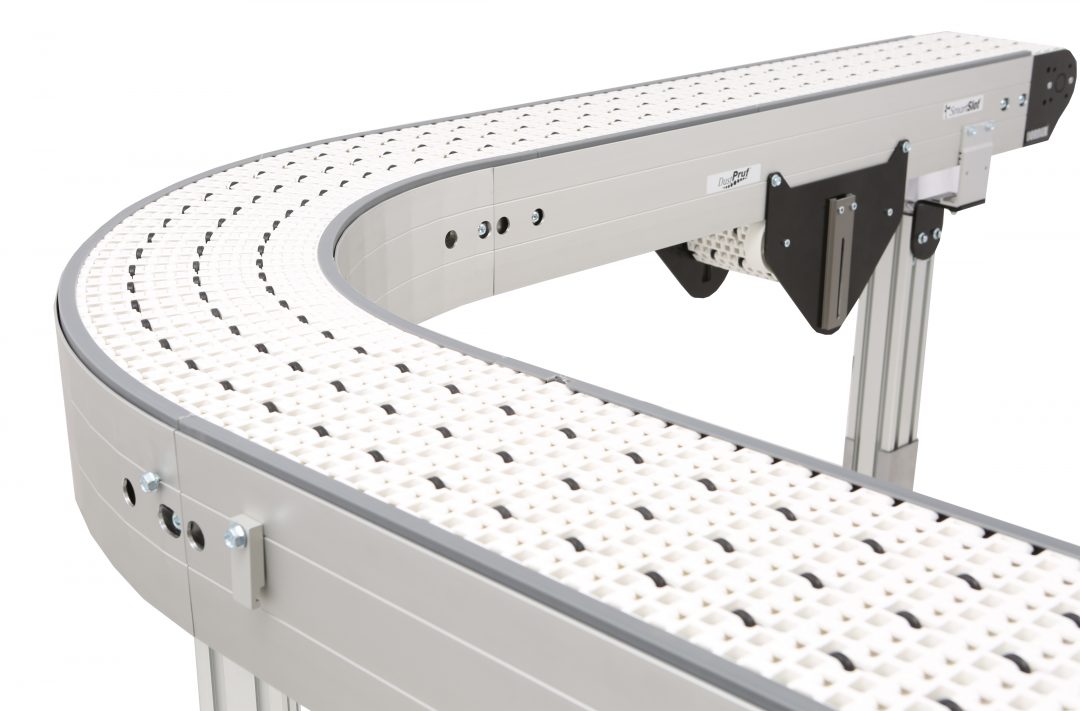
DRC conveyors for stable logistics, transfers and production flow
Decision Support

How to specify DRC conveyors without wasting money

People often begin with “we need a belt” or “we need rollers”. Sometimes that is correct. In other cases, the failed component is only the symptom of a wider conveyor issue.

A quality belt can still track badly when transfer geometry is wrong. A robust roller line can still become unreliable if contamination and bearing sealing are not properly considered.

In practice, DRC conveyors perform best when selection considers the load, operating environment and realistic maintenance behaviour on site.

01

What are you moving?

Rigid cartons behave differently from soft produce. Totes slide, bottles can tip and timber packs create impact. Load type affects belt choice, roller diameter, bearing sealing, support spacing, guides and transfer geometry.

02

What is the environment?

Washdown, humidity, dust, cold-chain operation and outdoor exposure all influence conveyor materials, roller sealing and belt-surface selection.

03

What is the operational goal?

Throughput, safety, reduced breakdowns, less manual handling, cleaner staging and more reliable dispatch should determine the solution rather than simply choosing equipment from a catalogue.

Most conveyor downtime comes from predictable issues such as misalignment, wear, buildup, poor transfers and unavailable spares. Treating the conveyor as a complete system helps improve stability.
Supply Scope

What we supply and support for DRC conveyors

Conveyor Supplies Africa supplies and supports complete conveyor solutions and high-impact replacement components for non-mining operations, with a focus on stable flow, practical maintenance and spare-parts planning.

01

Conveyor Systems DRC

Layouts for transport, transfer, staging, merges, inclines and controlled flow. Conveyor design can be aligned to existing site constraints and equipment.

Explore Conveyor Systems →
02

Conveyor Belts DRC

Belting is selected according to application, traction, cleaning requirements, transfer geometry and operating conditions, including PVC, PU and modular solutions.

Explore Conveyor Belting →
03

Conveyor Rollers DRC

Rollers are selected around load, speed and environment. Standardising roller types where practical can make maintenance and replacement planning considerably easier.

Explore Conveyor Rollers →
04

Conveyor Spares DRC

Bearings, housings, tracking components, wear parts and fast-moving maintenance items can form part of a structured spares plan.

Explore Components →
05

Belt Fasteners

Mechanical belt joining and repair components can support controlled, repeatable recovery when a belt requires repair or replacement.

Explore Belting →
06

Custom Conveyor Manufacturing

Conveyors and rollers can be manufactured for applications where standard catalogue dimensions or layouts do not match the actual operating constraints.

Explore Services →
Non-Mining Industries

DRC conveyors for real operating environments

Different industries place different stresses on conveyors. Reliable performance comes from matching the equipment to the actual workflow and supporting it with practical maintenance and spare-parts planning.

Agriculture & Packhouses

Packhouse flow becomes demanding during peak periods, particularly through receiving, sorting, grading, packing and dispatch.

  • Receiving and infeed lines
  • Sorting and grading conveyor sections
  • Packing and dispatch staging
  • Controlled product transfers

For seasonal operations, predictable transfers and serviceable components help maintain performance when volumes increase.

Food & Beverage Handling

Hygiene, cleaning access and stable belt tracking all influence the performance of food-handling conveyors.

  • Washdown-aware conveyor configuration
  • Stable transfers to reduce jams
  • Suitable PVC, PU or modular belting
  • Maintenance-friendly frame access

Cleanability also depends on accessible frames, sensible guarding and avoiding unnecessary product-buildup areas.

Logistics, Warehousing & Distribution

Cartons, totes and packaged goods require controlled movement through receiving, staging, picking and dispatch operations.

  • Roller conveyor lines
  • Staging lanes
  • Controlled merges
  • Transfer sections
  • Replacement roller planning

Serviceable layouts help maintenance teams reach failed components without unnecessarily dismantling large sections of conveyor.

Packaging & Light Manufacturing

Packaging lines can turn a small transfer problem into a significant bottleneck when throughput is high.

  • Controlled movement between stations
  • Belting matched to duty cycle
  • Rollers suited to operating load
  • Spare-parts kits for critical components

Stable belt surfaces, transfer geometry and predictable tracking help simplify day-to-day operation.

Forestry & Timber Staging

Forestry environments can accelerate conveyor wear through debris, impact and rough handling. Appropriate component selection, accessible maintenance points and a realistic spares strategy are therefore particularly important.

Timber staging also benefits from reliable transfers and repeatable product movement. When conveyor flow becomes unpredictable, operators are often forced into additional manual handling which can reduce throughput and increase operational risk.

Scope reminder: Conveyor Supplies Africa does not position this DRC page around mining conveyors. The focus is non-mining production, processing, staging, warehousing, logistics, agriculture, food and forestry.
Components That Decide Uptime

Belting, rollers and spares that keep DRC conveyors stable

Small conveyor components often have a disproportionate effect on uptime. Transfer geometry, roller condition, belt selection and spare-parts availability can determine whether a conveyor remains routine to maintain or becomes a repeated source of stoppages.

Conveyor belts DRC

Belting selection involves more than choosing between PVC and PU. Traction, cleanability, temperature behaviour, transfer geometry and maintenance access all need to be considered.

  • PVC conveyor belts for practical general handling and processing
  • PU conveyor belts where hygiene and cleanability are priorities
  • Modular belt conveyors where section replacement, drainage or cleaning requirements make modular surfaces useful

Transfer points are often where belts experience the greatest stress. Suitable specification can help reduce snagging, edge wear and tracking issues.

Explore Conveyor Belting
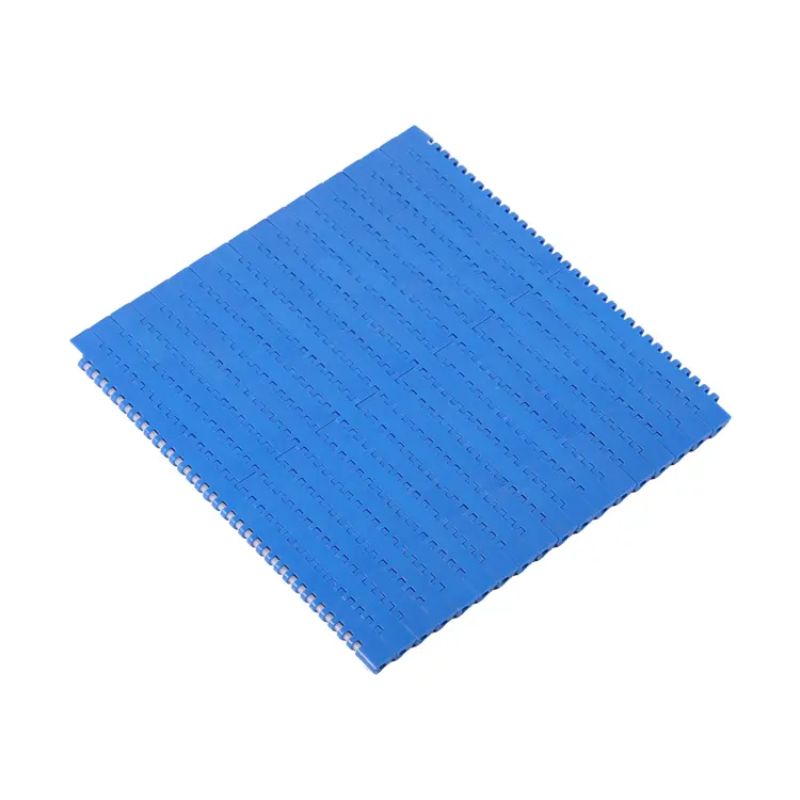
Flat top modular belt surface for stable product transfer
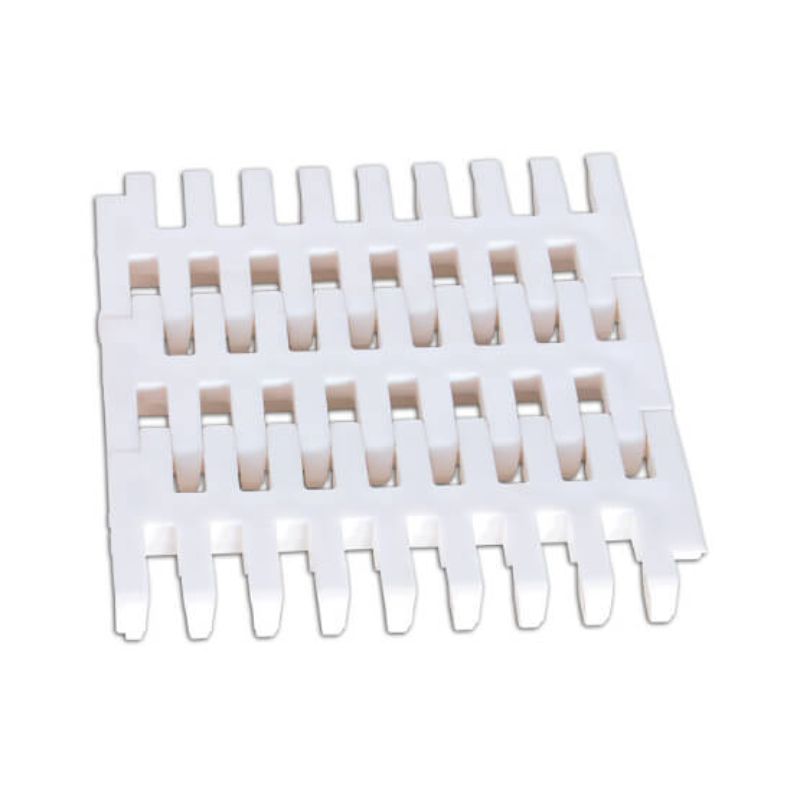
Flush grid modular belt surface for hygiene and drainage

Conveyor rollers DRC

Rollers operate in dust, humidity, debris, misalignment and cleaning environments. When rollers begin to drag, belt tracking and drive loads can be affected.

  • Match roller diameter and bearing sealing to the load and environment
  • Standardise common roller types where the applications allow it
  • Hold spare rollers and bearings for high-wear or critical zones

A targeted roller replacement strategy can often improve conveyor stability without requiring a complete system rebuild.

Explore Conveyor Rollers

Belt fasteners and joining

Mechanical belt joining can support controlled and repeatable repairs where appropriate. The objective is to reduce repair delays while maintaining consistent belt behaviour.

  • Match the joining method to pulley diameter and transfer clearance
  • Keep relevant joining tools and components available on site
  • Include joining items within the conveyor spares strategy

Repeatable belt joining can make belt behaviour and tracking easier to manage after a repair.

Explore Conveyor Belting
Mechanical belt fastener set for serviceable conveyor repairs
Belt joining detail showing aligned repeatable fastening
Industrial conveyor rollers for staging and transfer zones

Conveyor spares DRC

A conveyor spares plan is intended to reduce avoidable downtime. Operations running seasonal peaks, dispatch surges or packaging deadlines can be particularly exposed when a relatively small replacement component is unavailable.

  • Rollers and bearings
  • Joining components and belt fasteners
  • Tracking components
  • Wear parts and transfer components
  • Frequently used maintenance items

Standardising common components where possible can reduce the size of the spare-parts inventory while making that inventory more useful.

Explore Conveyor Components
Practical rule: if a conveyor component fails regularly and its failure stops production, it should be considered when developing the site spares strategy.
Built To Fit

Custom conveyor manufacturing for DRC conveyors

Standard conveyors can be effective where the site layout and application are standard. Tight footprints, unusual routing, unusual loads or integration with existing equipment can require a more application-specific approach.

Conveyor Supplies Africa supports custom conveyor manufacturing and custom manufacturing of conveyor rollers for applications where standard configurations create unnecessary compromise.

Custom manufacturing can also support multi-site standardisation when frames, roller families and belt-selection logic are aligned across facilities.

System Thinking

Belts, rollers, transfers and guides behave as one conveyor system. Component selection should therefore be based on the problem the system needs to solve.

Serviceability By Design

Maintenance access, sensible guarding and standardised components help reduce repeated breakdown cycles and simplify inspection.

Spares Strategy Built In

Custom conveyor manufacturing should not automatically create custom-spares complexity. Components can be standardised where the application allows.

DRC conveyors should be predictable in daily operation: stable tracking, reliable movement and maintenance that feels routine instead of becoming an emergency.
Explore Conveyor Supplies Africa

Browse conveyor solutions, industries and African markets

Products, industries and countries are separated below so visitors can quickly choose the type of information they need.

Trust & Outcomes

Why choose Conveyor Supplies Africa

Conveyor supply involves more than selling a replacement part. Correct component selection, system compatibility, maintenance access and spare-parts planning all influence the long-term value of the conveyor solution.

Conveyor Supplies Africa supports complete systems, conveyor belting, rollers, spares and custom-manufactured conveyors and rollers for specific non-mining applications.

Systems-First Selection

  • Compatibility across conveyors, belts, rollers and transfers
  • Practical conveyor layouts and maintenance access
  • Specification aimed at reducing recurring breakdowns

Lifecycle Support

  • Structured spare-parts planning
  • Maintenance considerations aligned to uptime
  • Support for equipment and component replacement

Non-Mining Focus

  • Warehousing and logistics
  • Packaging and manufacturing
  • Agriculture and food handling
  • Forestry and product staging
Frequently Asked Questions

DRC conveyors FAQ

Answers to common questions about conveyor systems, conveyor belting, rollers, custom manufacturing and spare-parts supply for non-mining operations in the Democratic Republic of the Congo.

Do you supply mining conveyors in the DRC?

No. The DRC conveyor support described on this page is focused on non-mining industries including agriculture, food handling, logistics, packaging, warehousing and forestry.

Do you supply conveyor belts DRC and joining items?

Yes. Conveyor belting can include PVC conveyor belts for general handling, PU conveyor belts for hygiene-sensitive applications and belt joining or fastening components where appropriate.

Can you supply conveyor rollers DRC without a complete rebuild?

Yes. Sites can replace conveyor rollers and bearings in high-wear or problem zones without automatically replacing the complete conveyor system.

What causes most downtime on DRC conveyors?

Common causes include worn rollers or bearings, poor transfer geometry, belt tracking problems, material buildup and unavailable replacement components.

Do you offer custom conveyor manufacturing?

Yes. Conveyor Supplies Africa supports custom conveyor manufacturing and custom-manufactured rollers for applications where standard equipment does not suit the site layout, product, routing or operating duty.

What information do you need for an accurate DRC quote?

Useful information includes product type, approximate unit weight, required throughput, environmental conditions, conveyor dimensions and photographs or video of transfer points and problem areas.

DRC Conveyor Projects

Need conveyor systems, belting, rollers or spares for the DRC?

Send the product being handled, approximate weight, throughput, conveyor dimensions, operating conditions and photographs where available so the conveyor system or replacement component can be assessed more accurately.