Language
Conveyor Supplies Africa

Search Conveyor Supplies Africa

Generic selectors
Exact matches only
Search in title
Search in content
Post Type Selectors
Conveyor Supply Across Africa

Ethiopia Conveyors, Belting, Rollers & Spares

Ethiopia conveyors support predictable product movement across agriculture, food handling, packaging, warehousing, logistics and general non-mining processing. As throughput grows, well-specified conveyors reduce repeated manual handling and help operations maintain a more consistent production and dispatch flow.

Conveyor Supplies Africa supports complete conveyor systems together with conveyor belting, rollers, components and spares selected around the product, operating environment and realistic maintenance conditions on site.

For Ethiopian operations sourcing equipment across borders, standardised component families and a practical critical-spares strategy can simplify maintenance and reduce avoidable delays when wear components eventually require replacement.

Non-Mining Focus Cross-Border Supply Custom Manufacturing Belting, Rollers & Spares
African Market Ethiopia
Cross-border supply
Ethiopia highlighted on a map of Africa
Ethiopia Highlighted in Africa
Non-mining Industrial applications
Cross-border African supply support
Fast Quote Checklist

Get a faster, more accurate quote for Ethiopia conveyors

To specify a conveyor or replacement component around the actual site rather than a generic catalogue specification, send the basic application information below.

  • Product being moved, such as cartons, totes, packaged goods, produce, sacks or timber packs, together with approximate weight
  • Required throughput and where the current production or handling bottleneck occurs
  • Operating environment including dust, humidity, washdown, cold-chain conditions, outdoor exposure or mixed environments
  • Approximate conveyor length, width, height changes, curves, merges and transfer points
  • Photographs of existing equipment, problem areas and transfer points, with short video where practical

For Ethiopia projects, also include shift patterns, seasonal production requirements and the main causes of stoppages today. Agriculture, food handling and distribution applications can experience substantial throughput changes during peak periods.

Non-mining focus: Ethiopia conveyors supplied through this page are intended for agriculture, food handling, packaging, warehousing, logistics, forestry and general non-mining industrial applications.
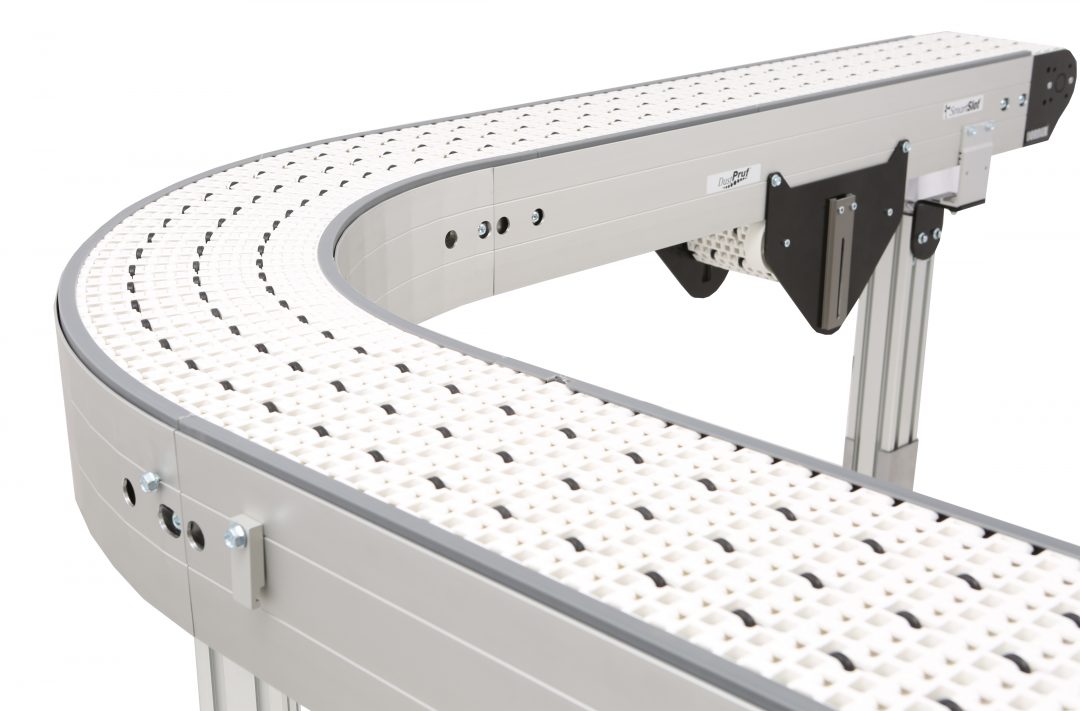
Ethiopia conveyors for stable warehousing production and dispatch flow
Decision Support

How to specify Ethiopia conveyors without wasting money

The correct conveyor starts with the product and workflow rather than simply choosing a belt, roller or frame from a catalogue. The failed component visible today may only be the symptom of another problem elsewhere on the line.

A suitable belt can still track poorly when transfer geometry is incorrect. Good rollers can still suffer premature wear when contamination, sealing and loading conditions are ignored.

In practice, Ethiopia conveyors perform more consistently when specification considers the load, environment, throughput and realistic maintenance behaviour on site.

01

What are you moving?

Cartons behave differently from produce, sacks and totes. Packaged products may slide, soft products can deform and timber packs create impact. Product type affects belt surface, support spacing, roller diameter, guides and transfer design.

02

What is the environment?

Dust, humidity, cleaning routines, washdown, cold-chain operation and outdoor exposure can influence belt material, roller sealing, frame finish and component life.

03

What is the operational goal?

Higher throughput, safer handling, fewer stoppages, reduced manual movement and more predictable dispatch should determine the conveyor solution and component strategy.

Most conveyor downtime has fairly ordinary causes: poor transfers, roller drag, misalignment, material buildup, belt wear and missing spares. Fixing those basics properly usually produces more value than making the system unnecessarily complicated.
Supply Scope

What we supply and support for Ethiopia conveyors

Conveyor Supplies Africa supplies complete conveyor solutions and important replacement components for non-mining operations, with a focus on stable flow, practical maintenance and spare-parts planning.

01

Conveyor Systems Ethiopia

Conveyor layouts for transport, staging, transfer, merges, inclines and controlled product flow. Systems can be configured around existing equipment and site constraints.

Explore Conveyor Systems →
02

Conveyor Belts Ethiopia

Belting selected according to product, traction, hygiene, cleaning requirements and transfer geometry, including PVC, PU and modular conveyor belt options.

Explore Conveyor Belting →
03

Conveyor Rollers Ethiopia

Rollers selected around load, speed and operating environment. Standardising common roller families can simplify maintenance and replacement stock.

Explore Conveyor Rollers →
04

Conveyor Spares Ethiopia

Bearings, housings, tracking components, wear parts and other high-use maintenance items can form part of a structured critical-spares strategy.

Explore Components →
05

Belt Fasteners & Joining

Mechanical joining and belt-repair components can support controlled, repeatable recovery when suitable for the application and conveyor design.

Explore Conveyor Belting →
06

Custom Conveyor Manufacturing

Conveyors and rollers can be manufactured for applications where standard dimensions, routing or layouts do not match the operating requirements.

Explore Services →
Non-Mining Industries

Ethiopia conveyors for real operating environments

Agriculture, food handling, packaging, warehousing and logistics applications place different demands on conveyor equipment. Reliable performance comes from matching the belt, rollers, transfers and supporting structure to the actual workflow.

Agriculture & Packhouses

Agricultural and packhouse operations can experience sharp seasonal peaks through receiving, sorting, grading, packing and dispatch.

  • Receiving and infeed conveyors
  • Sorting and grading sections
  • Packing-line product movement
  • Dispatch and staging conveyors
  • Controlled product transfers

Stable transfers and serviceable components help maintain flow when production volumes rise and manual handling becomes a bottleneck.

Food & Beverage Handling

Food and beverage applications require careful consideration of hygiene, cleaning access, belt material and transfer design.

  • Washdown-aware conveyor configuration
  • Stable transfers to minimise product jams
  • PVC, PU or modular belting
  • Maintenance-friendly access
  • Suitable frame and roller materials

Cleanability depends on the complete conveyor design rather than only the belt. Accessible frames and fewer buildup zones make routine cleaning considerably easier.

Logistics, Warehousing & Distribution

Cartons, totes and packaged goods need controlled movement through receiving, staging, order preparation and dispatch.

  • Roller conveyor lines
  • Staging lanes
  • Controlled merges
  • Transfer conveyor sections
  • Replacement roller planning

Maintenance access matters particularly in high-throughput facilities because a small component failure should not require large sections of the line to be dismantled.

Packaging & Light Manufacturing

High-speed packaging can amplify relatively small conveyor problems. A weak transfer or inconsistent belt can quickly become the limiting point in the production line.

  • Controlled flow between workstations
  • Belting matched to product and duty cycle
  • Rollers selected for load and speed
  • Critical-spares kits
  • Integration with existing equipment

Stable tracking and repeatable transfer geometry help create more predictable production and reduce unnecessary operator intervention.

Forestry & Timber Staging

Forestry and timber-handling environments can accelerate component wear through debris, impact and rough product handling. Robust rollers, suitable bearing protection and accessible maintenance areas therefore become particularly important.

Controlled timber movement can also reduce unnecessary manual handling and make staging between process areas more predictable. Where loads are unusual, a custom conveyor or roller configuration may be more appropriate than adapting a standard light-duty line.

Scope reminder: Conveyor Supplies Africa does not position this Ethiopia page around mining conveyors. The focus is agriculture, food, packaging, warehousing, logistics, forestry and other non-mining industrial applications.
Components That Decide Uptime

Belting, rollers and spares that keep Ethiopia conveyors stable

Transfer design, roller condition, belt selection and spare-parts availability frequently have a larger effect on conveyor uptime than their physical size suggests.

Conveyor belts Ethiopia

Conveyor belt selection involves more than choosing between PVC and PU. Product contact, traction, cleanability, temperature, transfer geometry and maintenance requirements all affect the specification.

  • PVC conveyor belts for practical general handling, packaging and processing
  • PU conveyor belts where hygiene and cleanability are priorities
  • Modular belt conveyors where drainage, washdown or section replacement make modular surfaces useful

Transfer points are commonly where belting experiences significant stress. Appropriate belt selection and transfer geometry help reduce edge wear, snagging and tracking problems.

Explore Conveyor Belting
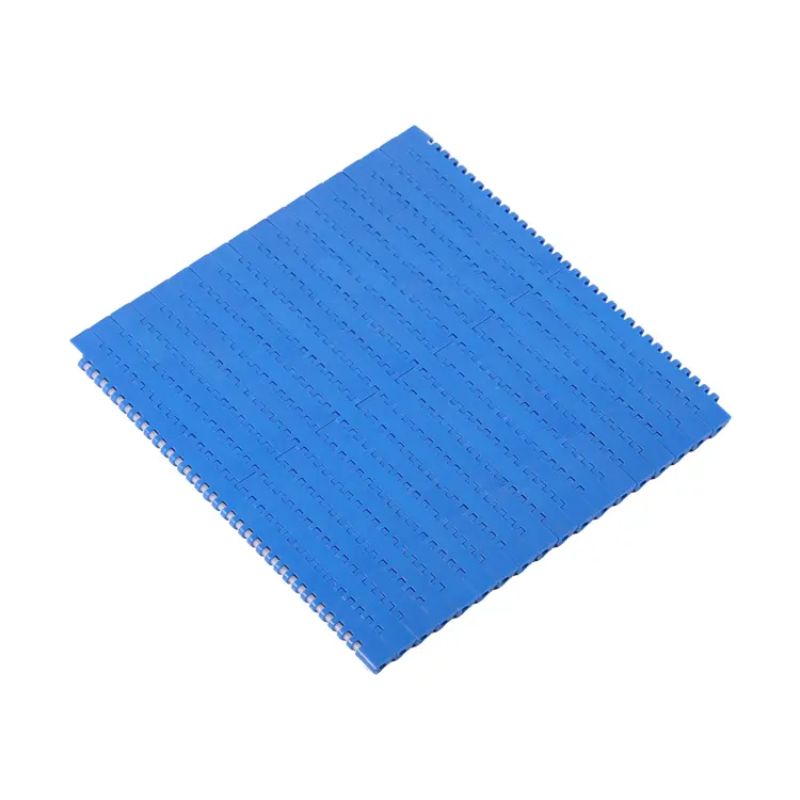
Flat top modular conveyor belt for controlled product movement
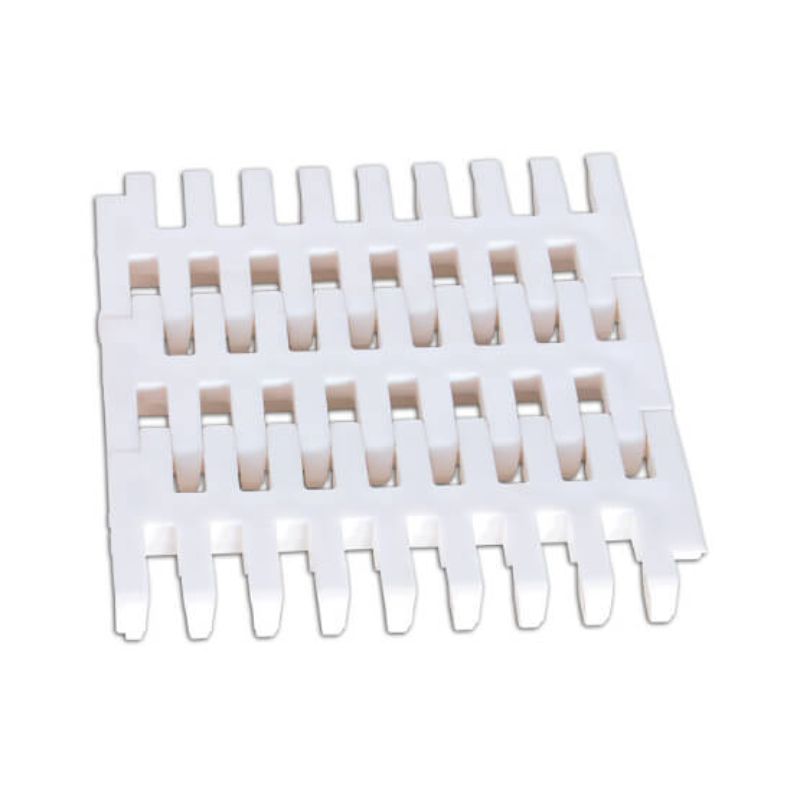
Flush grid modular belt for drainage and hygiene applications

Conveyor rollers Ethiopia

Rollers operate under real-world conditions including dust, humidity, contamination, load variation, misalignment and repeated cleaning.

  • Match roller diameter and bearing arrangement to the load
  • Consider sealing and materials for the operating environment
  • Standardise common roller sizes where practical
  • Keep replacement rollers for critical transfer and load zones

Targeted roller replacement can often improve conveyor performance without automatically requiring an entire system rebuild.

Explore Conveyor Rollers

Belt fasteners and conveyor joining

Mechanical joining can provide a controlled and repeatable repair method where suitable for the conveyor belt and application.

  • Match joining methods to pulley diameter and available clearance
  • Keep relevant joining tools and components available on site
  • Include joining components in the critical-spares strategy

A consistent repair method can make post-repair belt behaviour more predictable and reduce improvised fixes that create additional tracking or transfer problems.

Explore Conveyor Belting
Mechanical conveyor belt fastening equipment
Conveyor belt joining detail for repeatable belt repairs
Industrial conveyor rollers for food packaging and logistics applications

Conveyor spares Ethiopia

A practical conveyor spares plan reduces the risk of a relatively small component leaving an entire production or dispatch line unavailable while replacement stock is sourced.

  • Conveyor rollers and bearings
  • Roller components and housings
  • Tracking and alignment components
  • Belt joining items and fasteners
  • Wear and transfer components
  • Frequently used maintenance items

Standardising components across similar conveyor lines can reduce inventory complexity while making the spares actually held on site more useful.

Explore Conveyor Components
Practical spares rule: if a component can stop production, is subject to predictable wear and cannot be replaced quickly from available stock, it deserves consideration in the site's critical-spares plan.
Built To Fit

Custom conveyor manufacturing for Ethiopia conveyors

Standard conveyors work well when the application and layout are standard. Real facilities frequently include restricted footprints, unusual transfers, existing equipment, height changes and loads that do not fit a standard catalogue design.

Conveyor Supplies Africa supports custom conveyor manufacturing and custom manufacturing of conveyor rollers where standard dimensions or configurations create unnecessary compromise.

A custom system should still remain maintainable. Standard belts, roller families, bearings and other components can be used wherever the application allows so replacement and maintenance planning remains practical.

System Thinking

Belts, rollers, transfers, guides and frames function as one system. Specification begins with the operating requirement rather than one isolated component.

Serviceability By Design

Maintenance access, practical guarding and sensible component placement make routine inspection and replacement easier.

Spares Strategy Built In

Custom conveyor manufacturing should retain standardised replacement parts wherever the application permits it.

Ethiopia conveyors should become predictable infrastructure: stable tracking, controlled product flow and maintenance that can be planned rather than repeatedly treated as an emergency.
Explore Conveyor Supplies Africa

Find solutions by equipment, industry or African market

Choose the type of conveyor equipment you need, explore applications by industry, or browse country-specific supply information across African markets.

Trust & Outcomes

Why choose Conveyor Supplies Africa

Conveyor supply involves more than selling an individual belt, roller or component. System compatibility, maintenance access, operating conditions and replacement-parts planning all influence long-term conveyor reliability.

Conveyor Supplies Africa supports complete conveyor systems, conveyor belting, rollers, components and custom-manufactured conveyors and rollers for specific non-mining applications.

Systems-First Selection

  • Compatibility across conveyor systems, belts, rollers and transfers
  • Practical layouts aligned to real site constraints
  • Specification aimed at reducing recurring operational problems

Lifecycle Support

  • Structured spare-parts planning
  • Maintenance considerations aligned with conveyor uptime
  • Support for equipment and component replacement

Non-Mining Focus

  • Agriculture and packhouses
  • Food and beverage processing
  • Packaging and manufacturing
  • Warehousing and logistics
  • Forestry and material staging
Frequently Asked Questions

Ethiopia conveyors FAQ

Answers to common questions about conveyor systems, belting, rollers, custom manufacturing and spare-parts supply for non-mining operations in Ethiopia.

Do you supply mining conveyors in Ethiopia?

No. The Ethiopia conveyor support described on this page is focused on non-mining industries including agriculture, food handling, packaging, warehousing, logistics and forestry.

Do you supply conveyor belts for Ethiopia?

Yes. Conveyor belting can include PVC conveyor belts for general handling, PU conveyor belts for hygiene-sensitive applications and modular belting where the application benefits from modular construction, drainage or section replacement.

Can you supply conveyor rollers without a complete system rebuild?

Yes. Conveyor rollers, bearings and related components can be replaced in high-wear or problem areas without automatically replacing the complete conveyor system.

What causes common downtime on Ethiopia conveyors?

Common causes include worn rollers or bearings, poor transfer geometry, belt tracking problems, contamination or material buildup and unavailable replacement components.

Do you offer custom conveyor manufacturing?

Yes. Conveyor Supplies Africa supports custom conveyor manufacturing and custom-manufactured rollers for applications where standard equipment does not suit the site layout, product, routing or operating duty.

What information do you need for an accurate Ethiopia conveyor quote?

Useful information includes the product being handled, approximate unit weight, required throughput, operating environment, conveyor dimensions and photographs or video of transfer points and existing problem areas.

Ethiopia Conveyor Projects

Need conveyor systems, belting, rollers or spares for Ethiopia?

Send the product being handled, approximate weight, required throughput, conveyor dimensions, operating environment and photographs where available so the conveyor system or replacement component can be assessed more accurately.