Language
Conveyor Supplies Africa

Search Conveyor Supplies Africa

Generic selectors
Exact matches only
Search in title
Search in content
Post Type Selectors
Grain Handling Conveyor Systems

Grain Handling and Storage Conveyors built for stable intake and reliable storage flow

Grain Handling and Storage Conveyors need to manage intake surges, variable grain condition, dust, fines and controlled discharge into bins or silos. Conveyor Supplies Africa designs and manufactures non-mining conveyor systems that support reliable grain movement from receiving and intake through transfer, elevation, storage and final outfeed.
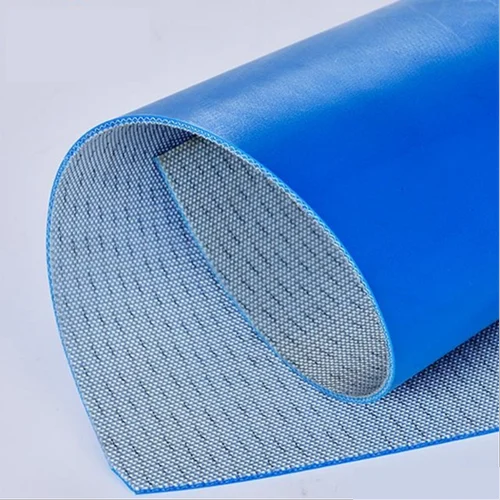
Grain Intake Surge Control Silo Transfer Incline Handling Controlled Outfeed
Grain handling and storage conveyors for intake transfer silos and storage
Faster quoting

Send the grain type, approximate throughput, intake method, storage height and a few photographs or a short video showing the intake, transfer and silo or bin discharge areas.

01 • Intake Stabilise grain surges Prevent uneven receiving rates from becoming jams and spillage.
02 • Transfer Control every handover Reduce uncontrolled drops, dust traps and recurring spill zones.
03 • Storage Feed bins and silos reliably Match elevation and discharge geometry to the storage interface.
04 • Uptime Keep maintenance practical Make inspection, adjustment and predictable wear points accessible.
Grain Handling Reality

Grain handling is a systems problem, not simply movement from A to B

Grain intake rarely arrives at one neat, constant rate. Vehicle offloading, hopper feeding and seasonal delivery patterns create short-term surges, while moisture, fines and foreign material can change how the product behaves during the same operating period.

A reliable system therefore needs to control intake, transfers, elevation and discharge as one connected flow. When these stages are properly matched, the operation spends less time cleaning spills, clearing blockages and adjusting conveyors during peak intake.

The goal is not maximum belt speed. It is predictable grain flow that protects throughput and keeps storage loading stable. The important engineering decisions normally sit around surge control, transfer geometry, dust behaviour, storage interfaces and access for routine maintenance.

Surge Feeding Intake rarely stays constant Controlled feed prevents short bursts from overloading downstream transfer points.
Moisture & Fines Grain behaviour changes Moisture, fines and contamination can alter traction, flow and buildup.
Dust Pressure Transfer points collect the evidence Dust-aware layouts reduce trap zones and make housekeeping more practical.
Storage Interface Discharge geometry matters Poor silo or bin feeding can cause plugging, spillage and uneven loading.
Grain Flow Map

Follow the grain from receiving to storage and outfeed

Equipment varies from site to site, but most Grain Handling and Storage systems move through the same broad stages. Each stage should deliver stable feed to the next instead of passing a bottleneck further down the line.

01
Intake

Grain enters through vehicle offload, dump pits, hoppers or another receiving point.

02
Controlled Transfer

Intake surges are stabilised before grain moves towards staging or storage.

03
Elevation

Incline or elevated conveyor sections move grain towards the required storage height.

04
Bin / Silo Storage

Controlled discharge feeds bins, silos or bulk holding zones with reduced spill and plugging risk.

05
Outfeed & Dispatch

Stored grain is discharged towards packaging, vehicle loading, batching or downstream handling.

Grain Handling Solutions

10 practical conveyor solutions for grain intake, storage and outfeed

These system patterns address recurring Grain Handling and Storage problems including intake surges, transfer spillage, elevation, dust buildup, silo feeding and seasonal downtime. CSA configures the final system around throughput, grain condition and site geometry.

01
Intake

Intake Control Conveyors

Stabilise grain entering from dump pits, hoppers or vehicle offload points before uneven feed overwhelms downstream equipment.

Surge control Less spillage Stable feed
02
Transfer

Storage Transfer Conveyors

Move grain between receiving, staging and storage zones while maintaining predictable feed through the transfer points.

Controlled handover Stable transfer Reduced blockage
03
Elevation

Incline Conveyors

Manage elevation changes to bins and silos while reducing rollback, product drift and uncontrolled discharge.

Stable traction Less rollback Storage feeding
04
Buffering

Buffer Conveyors

Smooth short-term intake peaks so downstream conveyors and storage interfaces do not repeatedly stop and restart.

Peak smoothing Fewer stops Stable throughput
05
Storage

Controlled Bin & Silo Discharge

Match conveyor discharge to storage geometry so grain reaches the receiving point without recurring spill or plugging zones.

Clean discharge Less plugging Stable loading
06
Housekeeping

Dust-Aware Conveyor Layouts

Reduce buildup traps around transfers, supports and access areas so cleaning remains practical in dusty grain environments.

Less buildup Cleaner transfers Better access
07
Outfeed

Loading & Outfeed Conveyors

Create stable product flow towards packaging, vehicle loading, weighing or other dispatch stages.

Stable outfeed Less rehandling Better dispatch
08
Maintenance

Service-Friendly Access

Position inspection and adjustment points so routine maintenance remains realistic during high-pressure intake periods.

Easy inspection Safer access Reduced downtime
09
Expansion

Modular Expansion Planning

Plan conveyor interfaces so future storage, staging or processing capacity can be added with less disruption.

Expansion-ready Phased upgrades Less disruption
10
Uptime

Spares Planning Around Wear Points

Align production-critical spares with the rollers, transfer zones and tracking components most likely to affect uptime.

Wear-point planning Faster recovery CSA systems only
Engineering Realities

Intake and discharge normally decide whether the system feels reliable

When a grain facility constantly adjusts conveyors, cleans the same spill zones and restarts the same transfer points, the problem is often system design rather than operator effort. Intake behaviour, dust, moisture, supports and discharge geometry need to work together.

Storage Interface & Discharge Geometry

The last metre before the silo can determine the reliability of the whole line

Poor discharge geometry can create plugging, uncontrolled grain spread and recurring cleanup. The conveyor, supporting structure and storage interface need to be treated as one system so grain reaches the intended point consistently.

Surge Control

Intake arrives in bursts

Vehicle and hopper offloading can create short peaks that overload transfers even when average throughput looks acceptable.

Stabilise intake first
Dust & Fines

Buildup becomes a reliability problem

Dust and fines collect around transfers and support zones. Layout should reduce trap points and make cleaning practical.

Reduce dust traps
Serviceability

Peak intake is the wrong time for difficult maintenance

Tracking, inspection and adjustment points need realistic access so routine work is not postponed until something fails.

Design for inspection
Grain Condition

Moisture changes behaviour

Moisture and contamination can alter traction, flow and discharge behaviour. The design needs to tolerate real variation.

Design for variability
Conveyor Specification

What we need to specify a Grain Handling system correctly

Correct specification helps prevent mistracking, spill zones, repeated blockages and under-capacity systems. If every detail is not available, send what you have and CSA can guide the remaining application information.

01 • Product

Grain Type

Influences flow behaviour, belt surface, dust generation and discharge design.

What to send Grain name, moisture variation, fines and typical contamination level.
02 • Capacity

Throughput

Influences belt width, drive sizing, structure and the amount of surge capacity required.

What to send Tonnes per hour estimate, peak surge behaviour and expected operating hours.
03 • Intake

Intake Method

Determines how impact, feed stability and initial spill control should be handled.

What to send Dump pit, hopper or vehicle-offload method and typical intake pattern.
04 • Storage

Storage Geometry

Controls elevation, discharge location, support requirements and access constraints.

What to send Bin or silo type, storage height and intended discharge locations.
05 • Layout

Site Footprint

Controls conveyor lengths, transfer spacing, supports and elevation changes.

What to send Sketches, photographs, key distances and known building or site constraints.
06 • Environment

Operating Conditions

Influences traction, wear, protection, housekeeping and maintenance requirements.

What to send Dust level, moisture exposure, indoor or outdoor use and cleaning approach.
07 • Maintenance

Maintenance Reality

Access and spares planning should match the people, time and downtime tolerance available at the facility. A conveyor that needs constant specialist intervention is a poor fit for peak grain intake periods.

What to send Who maintains the system, inspection frequency, acceptable downtime and recurring problems on any existing equipment.
Operational Insight

Design for the intake period when every stoppage matters

Grain Handling and Storage follows seasonal pressure. Intake can rise sharply, conveyors run longer hours and the cost of a blockage grows because the problem quickly affects vehicle turnaround, storage allocation and staffing.

If the same intake point spills repeatedly Review surge feeding, impact position, containment and transfer geometry.
If the line repeatedly stops to recover Review buffering and whether the next conveyor or storage interface can accept realistic peak flow.
If silo discharge plugs or spreads unevenly Review conveyor discharge height, trajectory and the storage receiving geometry.
If maintenance is constantly postponed The inspection and adjustment access may be part of the reliability problem.

Seasonal reliability depends on intake, storage and maintenance working together

A Grain Handling and Storage conveyor does not operate in isolation. Vehicle offload, storage allocation, silo capacity, packaging and dispatch all depend on the conveyor moving material at a rate the rest of the facility can actually accept.

Stable flow reduces the need for manual intervention and emergency cleanup. It also makes maintenance more predictable because the equipment is not permanently operating in a surge-recovery cycle.

Pre-season checks Inspect tracking, wear points, load zones and storage interfaces before peak intake.
Housekeeping access Dust and fines are easier to manage when cleaning points are accessible by design.
Expansion planning Allow for future bins, silos or downstream handling where facility growth is expected.
Matched interfaces Conveyor capacity and discharge geometry need to match the equipment before and after the conveyor.
Fast System Review

Show us where the grain actually enters and leaves the system

Grain type, throughput, a basic layout and photos or video of the intake, transfer and storage discharge areas are usually enough to begin reviewing a practical conveyor approach.

Why Conveyor Supplies Africa

Build Grain Handling systems around uptime and practical maintenance

The aim is predictable grain flow under variable intake, dusty operating conditions and peak-season pressure without turning routine inspection and maintenance into a major shutdown.

Grain conveyor application design icon

Application-Led Design

Throughput, grain condition, intake behaviour, elevation and storage geometry are considered as one complete system.
Grain conveyor manufacturing icon

Manufacturing Capability

Conveyor systems are configured around the required grain flow, structure, transfer geometry and operating environment.
Grain conveyor parts and spares icon

Parts & Spares Planning

Production-critical wear items can be considered during design so maintenance planning matches the actual CSA system.
Grain conveyor service support icon

Service Support

Repairs, maintenance guidance, installation and commissioning support are available according to project scope and region.

Application Scope Non-mining conveyor systems Conveyor Supplies Africa focuses on agriculture and other non-mining conveyor applications.
Parts Policy Spares for CSA-manufactured systems CSA supplies matching spares and components for conveyor systems manufactured by Conveyor Supplies Africa.
Project Support Installation in selected regions Installation and commissioning availability depends on project location, scope and site requirements.

Continue planning the Grain Handling and Storage requirement

Explore related industries, conveyor equipment and African markets in clearly separated groups.

Need more reliable grain movement from intake to storage?

Send the grain type, required throughput, intake method, storage geometry and photos or video of the transfer areas. CSA can review the Grain Handling and Storage conveyor requirement around the actual site conditions.

Do you supply conveyor systems for grain handling and storage facilities?
Yes. Conveyor Supplies Africa designs and manufactures conveyor systems for Grain Handling and Storage environments, including receiving, intake, transfer, elevation, storage feeding and outfeed applications.
Where are conveyors typically used in grain handling and storage?
Conveyors are commonly used at vehicle receiving and intake, transfer to storage, elevation to bins or silos, staging and controlled discharge towards packaging, vehicle loading or other downstream processes.
Can conveyor systems help reduce grain spillage and cleanup time?
Yes. Stable intake, controlled transfer geometry, predictable tracking and correctly designed discharge points can reduce recurring spill zones and the amount of manual cleanup required.
How do you approach dust and housekeeping in grain environments?
Dust and fines are treated as normal design conditions rather than unusual events. Layouts should reduce buildup traps and provide practical access for cleaning, inspection and routine maintenance.
What conveyor types are commonly used for grain handling?
Belt conveyors, transfer conveyors, incline conveyors, buffer conveyors and loading or outfeed conveyors may all be used depending on throughput, elevation, grain condition and the storage layout.
Are you an online store where we can buy individual conveyor parts?
No. Conveyor Supplies Africa focuses on engineered conveyor systems and matched components rather than operating as a general online parts store.
Do you supply spares for conveyors you did not manufacture?
No. Conveyor Supplies Africa supplies spares and replacement components for CSA-manufactured conveyor systems only. This helps protect compatibility and predictable long-term performance.
Do you install and commission Grain Handling conveyor systems?
Installation and commissioning are available in selected regions, depending on project location, scope, logistics, site readiness and safety requirements. Some projects may be supply-only.
What information do you need to quote a Grain Handling and Storage conveyor?
Useful starting information includes the grain type, throughput, intake method, storage geometry, conveyor layout, operating environment and the main operational issue such as spillage, blockages, dust buildup or insufficient capacity.
Do you supply mining conveyor systems?
No. Conveyor Supplies Africa focuses on non-mining industries including agriculture, food and beverage, packaging, logistics and warehousing applications.