
Uneven feed reduces grading consistency
Controlled metering helps maintain a repeatable product presentation instead of alternating between gaps and surges.
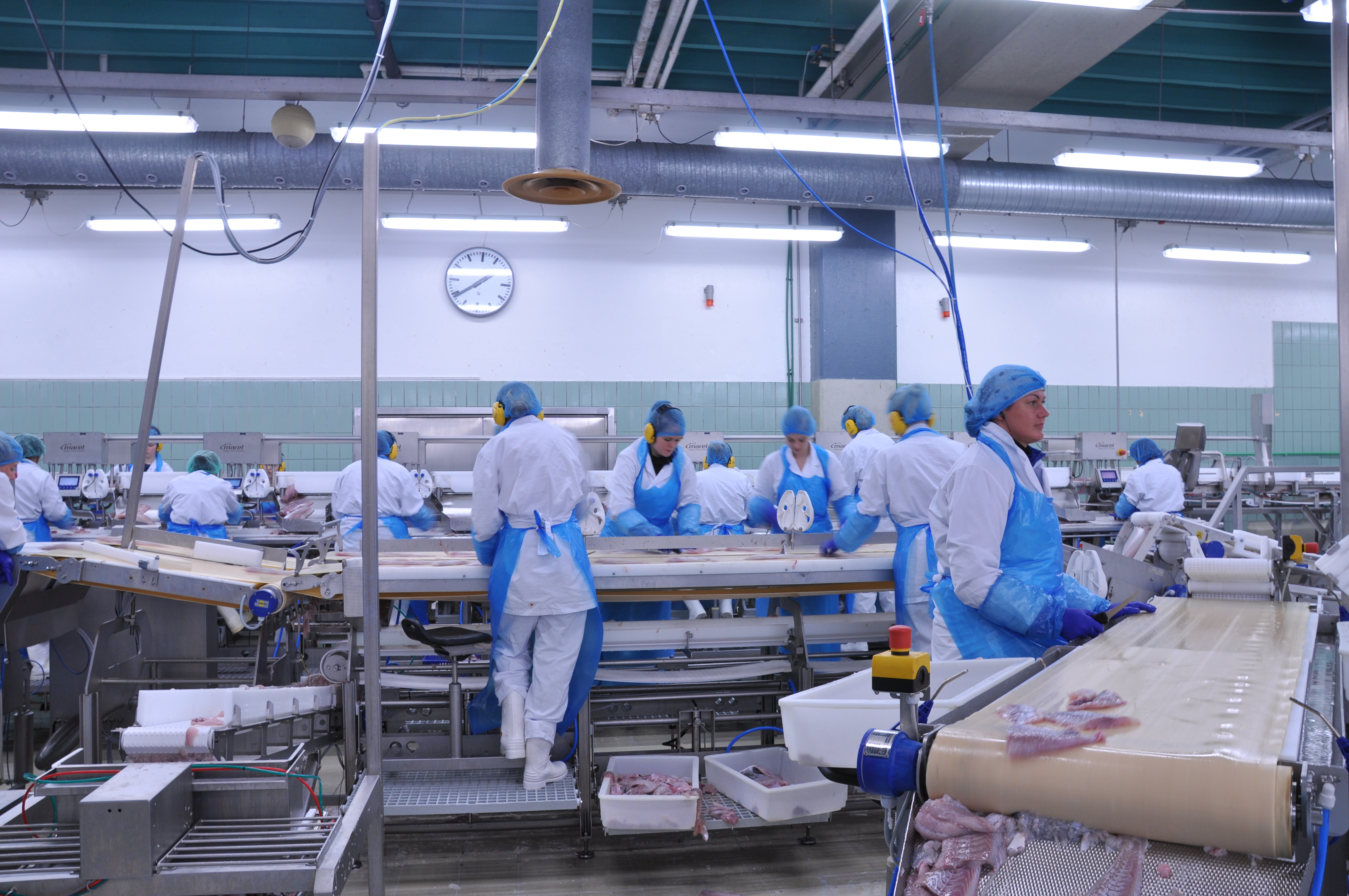
Seafood Grading and Washing conveyor systems require predictable product presentation, controlled water management and hygienic transfer between wet processing stages. Conveyor Supplies Africa designs conveyor systems around stable infeed, rinsing, grading, inspection and clean handover into packing, chilling or further processing.
Seafood grading and washing combines moisture, salts, proteins, temperature changes and regular cleaning cycles. Those conditions place very different demands on a conveyor than a conventional dry production line.
Stable grading depends on consistent product presentation. Washing performance depends on controlled exposure and water movement. Hygiene depends on access, drainage and avoiding unnecessary harbour points.
The objective is not simply to keep seafood moving. The conveyor needs to remain predictable after repeated washdowns, changing loads and real production pressure.
Controlled metering helps maintain a repeatable product presentation instead of alternating between gaps and surges.
Conveyor placement should respect drains, floor gradients, splash zones and the actual sanitation routine.
Controlled transfer geometry helps reduce unnecessary drop height, spillage and repeated manual correction.
Frames, transfers and high-contact areas should remain accessible enough for real daily washdown and inspection.
Every operation differs, but the underlying logic is similar: stabilise the feed, wash effectively, grade consistently and provide a controlled handover into the next processing stage.
Stage and introduce product without uncontrolled surge loading.
Remove surface debris before the primary washing stage where required.
Maintain consistent exposure while managing water and drainage.
Present product predictably to manual or integrated grading stages.
Transfer graded seafood into packing, chilling or further processing.
Washing and grading systems work best when conveyor geometry, drainage, inspection access and operator movement are treated as one connected production environment.

The line should encourage runoff, maintain usable access and avoid creating unnecessary water traps around the processing area.

Consistent speed and product spacing help operators or downstream equipment grade seafood more predictably.

Frequent cleaning, salt exposure and wet product can turn small design shortcuts into recurring maintenance and sanitation problems. Access and drainage need to be deliberate.
Seafood processing equipment needs enough visibility, drainage and access for sanitation teams to clean the areas that actually collect moisture and residue.
Seafood grading and washing forms part of a wider hygienic food processing system. International guidance can be found through the Codex Alimentarius Codes of Practice . Conveyor specification should still be based on the actual seafood product, sanitation programme and plant environment.
Different stages require different conveyor behaviour. CSA develops each section around its role within the complete processing flow.
Stabilise incoming product and reduce surge loading before washing or grading.
Support rinsing and washing while maintaining appropriate access and drainage around wet processing zones.
Maintain controlled product movement through grading and sorting interfaces while limiting unnecessary impact.
Provide stable speed and product presentation for visual checks and quality-control activities.
Useful in wet handling areas where drainage, stable movement and regular cleaning form part of the operating environment.
Transfer graded seafood into packing, chilling, freezing or further processing with minimal unnecessary re-handling.
A grading system performs better when the conveyor delivers product at a predictable rate and transfer points do not repeatedly disturb orientation, spacing or product condition.
The correct seafood grading and washing conveyor design depends on product type, throughput, washdown frequency, water exposure, grading requirements, drainage, room geometry and downstream interfaces. CSA reviews those conditions together rather than treating each conveyor as an isolated machine.
Product size, weight, condition and variability affect conveyor support and transfer design.
Normal and peak production rates influence conveyor width, speed and staging requirements.
Inspection points, grading logic and take-off positions influence the conveyor arrangement.
Water exposure, cleaning chemistry and sanitation frequency affect component and layout choices.
Floors, drains, columns, walls and access routes determine practical conveyor routing.
Existing processing, packing or chilling equipment determines transfer heights and handover requirements.
CSA approaches seafood processing as a complete material-flow problem, considering product handling, washdown, drainage, grading, maintenance access and downstream integration together.
Conveyor layouts are developed around the actual process, throughput and site constraints.
Drainage, water exposure, washdown access and sanitation are considered during conveyor design.
Replacement parts can be planned for conveyor systems designed and manufactured by CSA.
Installation and commissioning are available in selected regions depending on project requirements.
Browse related processing sectors, conveyor equipment and African markets supported by Conveyor Supplies Africa.
Send the seafood type and size range, required throughput, washing process, grading requirements, room layout, drainage, washdown conditions and photographs or video of the existing process. CSA can review the conveyor system around the real production environment.