
Wet zones rarely stay neatly contained
Glazing, washdown and condensation expose conveyor frames, supports and components to water throughout the production day.

Frozen seafood processing depends on controlled movement through wet areas, freezing interfaces, glazing, packing and cold storage. Conveyor Supplies Africa engineers conveyor systems around cold-chain continuity, hygienic handling, washdown exposure, reliable transfers and practical access for maintenance.
A frozen seafood conveyor system has to operate across very different conditions. Wet receiving and glazing areas can sit only metres away from sub-zero freezer discharge, packing, carton staging and cold-storage transfer.
Moisture, condensation, frost, ice, washdown water and packaging materials all influence conveyor performance. The layout therefore needs to control drainage, transfer geometry, product presentation, accumulation and maintenance access at the same time.
Simply specifying stainless steel does not solve the system. Frozen seafood processing requires the conveyor type, components and layout to be matched to each operating zone.
Glazing, washdown and condensation expose conveyor frames, supports and components to water throughout the production day.
Product may travel through chilled, freezing, sub-zero storage and warmer dispatch interfaces on the same route.
Ice accumulation can affect tracking, drainage and access, making simple and robust conveyor interfaces especially valuable.
Carton accumulation and cold-store transfer frequently become the real throughput limitation after freezing.
Every plant differs, but the conveyor system normally follows the same broad route from receiving and pre-freeze handling through freezing, glazing, packing and controlled cold-store transfer.
Stage and introduce seafood into the processing line.
Portion, space and meter product before freezing.
Feed IQF, plate or blast-freezing equipment consistently.
Handle post-freeze product through controlled wet areas.
Weigh, inspect, pack and transfer cartons downstream.
Accumulate and release product into pallet or storage staging.
Frozen seafood processing combines food-contact handling, moisture, low temperatures, carton movement and cold-store logistics. A reliable layout treats each zone according to what actually happens there.

Metering, spacing and clean transfer geometry help maintain controlled product flow into and away from freezing equipment.
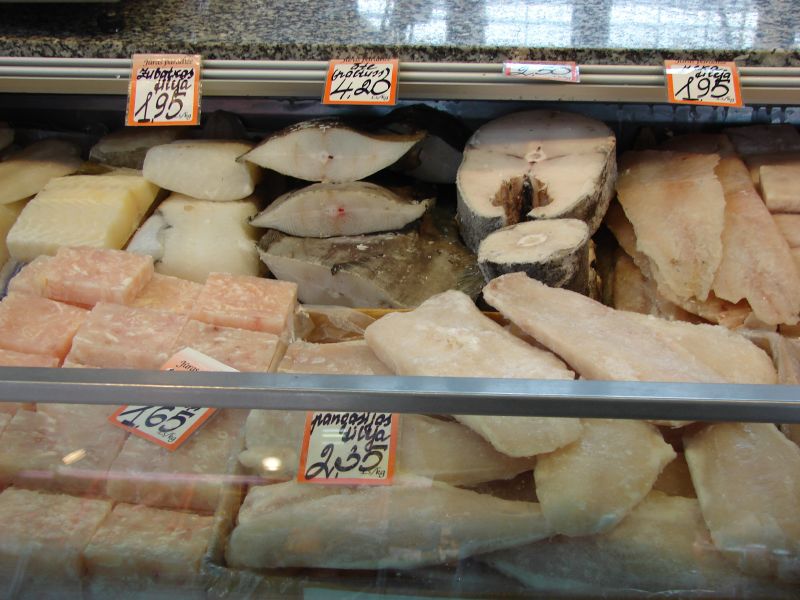
Belt materials, transfer points and components need to suit the temperature of the actual operating zone.


Frozen seafood processing often loses time after the product has already been frozen. If cartons reach staging faster than pallets or cold-store movements can absorb them, temporary piles appear, access narrows and packing eventually stops.
A better conveyor layout gives cartons a defined place to accumulate and controls how they are released into the storage interface.

The most practical frozen seafood conveyor system normally uses different conveyor types for different zones rather than attempting to force one design across the entire plant.
Used where product moves through wet processing, rinsing, staging or into colder production areas.
Useful in wet or glazing zones where cleanability, traction and replaceable belt sections are important considerations.
Stable transfer into and away from IQF, plate or blast-freezing equipment while accounting for frost and low-temperature operation.
Transfer product through glazing, weighing, inspection, labelling and packing while controlling wet areas.
Accumulate, merge and transfer sealed cartons toward pallet staging and cold storage.
Short non-powered sections can simplify packing handoffs and staging where controlled gravity movement is suitable.
Frozen seafood handling becomes considerably more reliable when water management and cleaning access are treated as part of the conveyor layout rather than problems for the sanitation team to solve after installation.
Glaze, product debris and meltwater tend to accumulate at transitions, return sections and surrounding floor areas. These locations should remain practical to inspect and clean.

Frozen seafood processing forms part of a wider food hygiene system. International guidance is available through Codex Alimentarius . Final conveyor specification should still be matched to the product, temperatures, sanitation procedures, cleaning chemicals and operating conditions of the actual facility.
Frozen seafood processing normally spans wet production, freezing, glazing, packing and cold-storage environments. CSA reviews the conditions across those areas together so the conveyor system supports the complete cold-chain route rather than treating each conveyor as an isolated machine.
Loose seafood, blocks, glazed items, trays, crates and cartons all require different support and transfer behaviour.
Production rate affects conveyor speed, accumulation, metering and storage-interface requirements.
Conveyor materials and components need to match the temperature conditions of each production zone.
Water pressure, cleaning frequency and chemicals influence component selection and access requirements.
Drain falls, hose points, services, walls and access routes determine practical conveyor placement.
Carton accumulation, pallet staging and forklift traffic can determine the real output of the frozen line.
CSA supports frozen seafood processing plants with engineered conveyor systems, upgrades and project support built around real operating conditions rather than generic conveyor layouts.
Develop conveyor routes around wet areas, freezing equipment, packing requirements and cold-store transfer.
Address poor transfers, accumulation problems, staging congestion or difficult cleaning areas without necessarily rebuilding the complete line.
Replacement components and critical spares can be planned for conveyor systems designed and manufactured by CSA.
Installation and commissioning are available in selected regions depending on project scope, location and site conditions.
Browse related processing sectors, conveyor equipment and African markets supported by Conveyor Supplies Africa.
Send the product and pack format, throughput target, temperature zones, cleaning routine, layout, freezer type, packing requirements and cold-store interface. Photographs or video of the existing process are especially useful when CSA reviews the conveyor application.