

Preparation & Handling
Controlled product movement starts upstream
Preparation, trimming and inspection areas benefit from predictable product presentation, fewer awkward hand transfers and clear working zones.
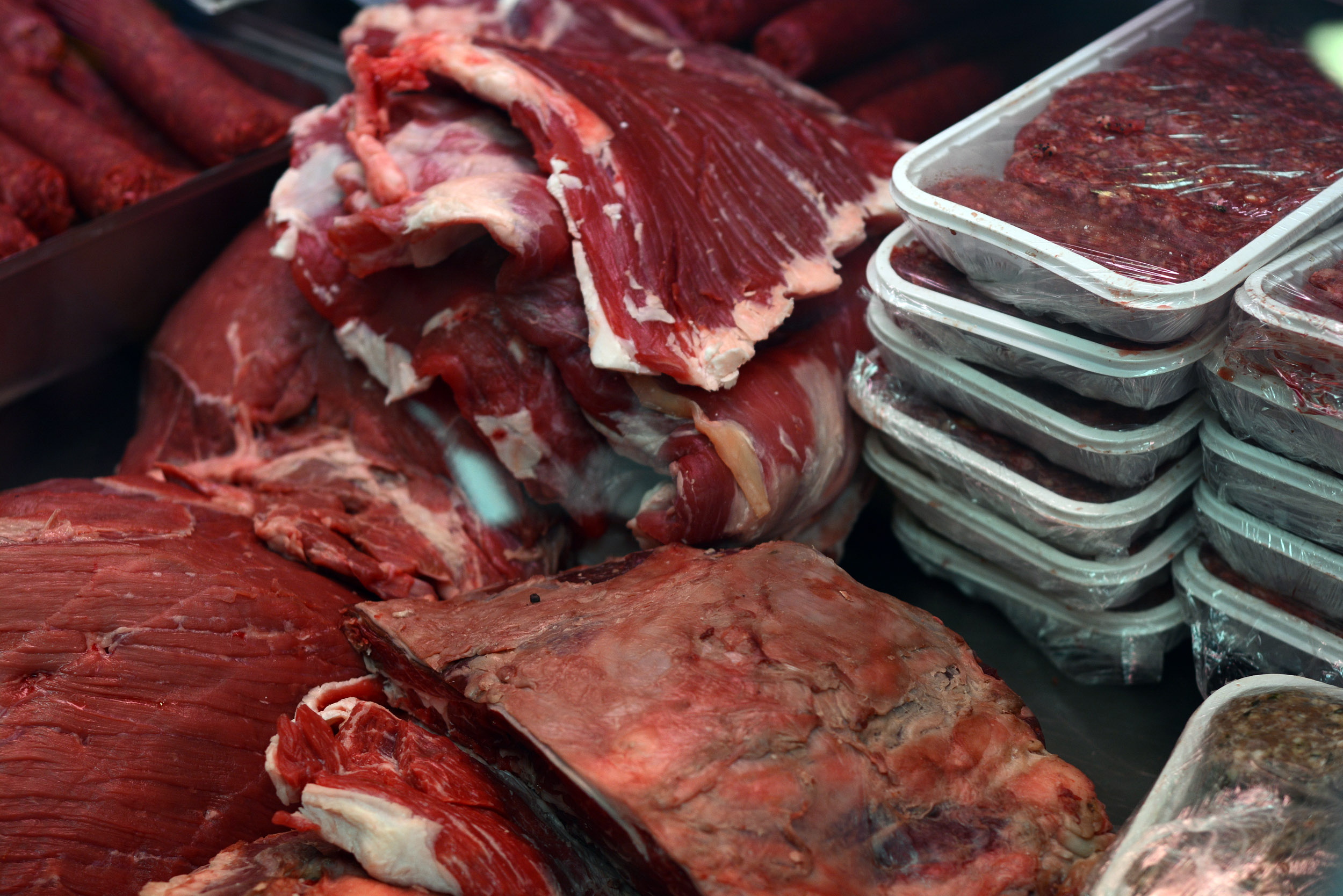
Meat Processing and Packing operations depend on controlled product flow, hygiene discipline and predictable handling between preparation, trimming, inspection, weighing, packing and chilled dispatch. Conveyor Supplies Africa designs and manufactures conveyor systems around cleanability, controlled transfers, practical maintenance access and stable production flow.
Meat processing environments place unusual demands on conveying equipment. Production may involve frequent wash-downs, chilled rooms, moisture, fats, inspection points and sensitive packaging stages.
The goal is not simply to move product faster. A good system should move product predictably while reducing unnecessary handling, supporting hygiene procedures and giving operators enough control to maintain quality throughout the shift.
In Meat Processing and Packing, stable conveying can influence far more than throughput. Conveyor layout affects sanitation effort, operator movement, product presentation, inspection consistency, pack-off congestion and how easily production restarts after cleaning.
Different areas of a processing plant create different conveyor requirements. Preparation and handling need controlled product flow, packing requires stable presentation, and chilled areas introduce their own operating conditions.
Preparation, trimming and inspection areas benefit from predictable product presentation, fewer awkward hand transfers and clear working zones.
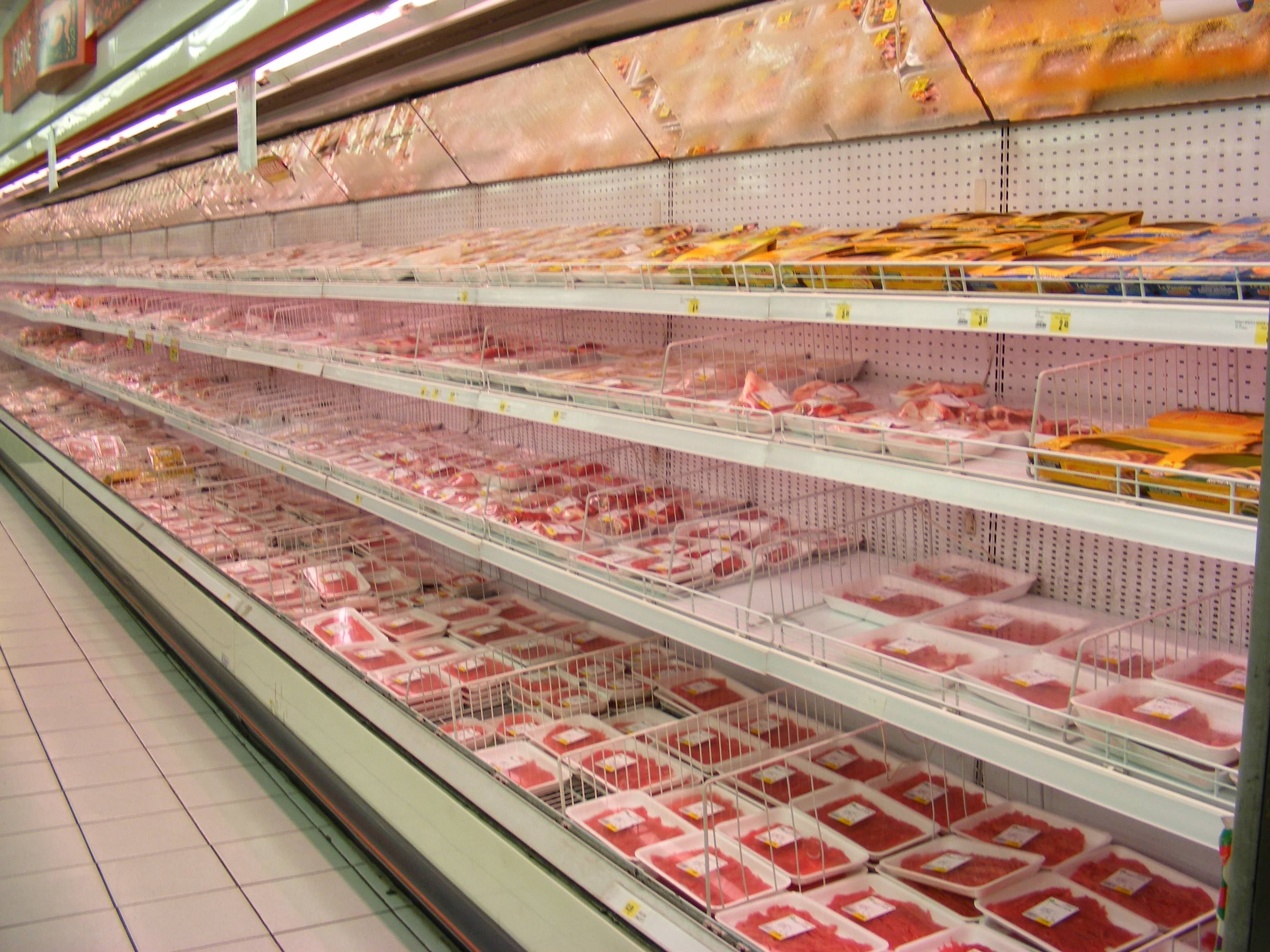
Packing, labelling, sealing and final checks depend on product arriving in a controlled rhythm rather than a stop-start surge.
Frames, supports and transfers should support practical cleaning routines while reducing unnecessary collection points and hidden areas.
Trimming checks, visual inspection, weight verification and final pack checks benefit from defined work zones and predictable staging.
Well-planned transitions reduce snagging, unnecessary drop points, splashing and repeated manual correction.
Packed products can move toward cold storage or dispatch staging with fewer unnecessary carries and clearer routing.
A practical conveyor layout forms a controlled process spine between preparation, inspection, weighing, packing and chilled dispatch. The objective is predictable movement without introducing unnecessary handling points.
Product moves from preparation areas toward trimming, portioning or inspection with controlled transfers.
Defined operator zones support consistent visual inspection and product preparation.
Predictable staging helps weighing and portion-control stations avoid unnecessary congestion.
Product is presented consistently into sealing, wrapping or other packing operations.
Stable pack flow supports label verification, presentation checks and controlled rework routing.
Finished product moves into chilled storage or dispatch staging with reduced manual handling.
CSA conveyor systems can support preparation, inspection, weighing, packing, chilled handling and finished-product movement where cleanability and controlled product flow are important.
Move product between preparation, trimming and processing stations.
Support clear product presentation at visual and quality checkpoints.
Maintain predictable feed into weighing and portion-control stations.
Feed sealing, wrapping, labelling and final presentation areas.
Support processing and pack-off areas operating at controlled temperatures.
Manage frozen and semi-frozen products with controlled transfer geometry.
Move products between elevations while limiting uncontrolled movement.
Transfer packed product into cold storage or dispatch staging areas.
Cleaning access, drainage behaviour, transfer design and component suitability all influence how efficiently a processing area can be cleaned, inspected and returned to production.
High-care processing environments should avoid unnecessary product traps and hard-to-reach areas. Frames, supports, guards and transfers should provide practical access for inspection and sanitation while supporting reliable operation.
Layouts should minimise areas where cleaning water can collect around structures and work zones.
Drainage-aware designExpected residue and inspection areas should not require teams to dismantle half the production line.
Practical sanitation accessA normal sanitation cycle should not result in a morning spent correcting alignment and transfer issues.
Repeatable restart behaviourSmooth transitions can reduce snagging, product build-up and unnecessary drop or splash points.
Cleaner product transitionsSite procedures, sanitation plans and process controls should be aligned with the applicable food-safety requirements for the operation. These external sources provide recognised background guidance.
Chilled and frozen processing adds conditions that need to be considered during conveyor design. Temperature cycling, condensation, product rigidity and packaging sensitivity can all influence transfer behaviour and maintenance requirements.
Cleaning becomes a capacity problem when conveyor areas are difficult to access, collect water or require repeated adjustment after sanitation. Practical design helps cleaning and restart follow the same routine from one cycle to the next.
Better access reduces time spent searching for hidden residue and repeatedly cleaning the same area.
Drainage-aware structures can help keep the production area more manageable during wash-down.
Stable tracking and transfers reduce unnecessary adjustment during the first production period after sanitation.
Routine inspection and maintenance should not require major disruption to surrounding equipment.
Inspection, weighing, packing and label verification work best when products arrive predictably. A conveyor layout should create clear decision points rather than forcing operators to perform checks while also fighting product flow.
Good conveyor projects start with real operating information. Product condition, temperature, sanitation routines, throughput, station positions, transfer problems and available space all influence the final conveyor configuration.
Product type, presentation sensitivity and physical condition influence the conveying surface and transfer approach.
Required output and workstation rates influence conveyor speed, staging and buffer requirements.
Wash-down frequency and sanitation procedures influence access, drainage and component selection.
Temperature conditions influence moisture behaviour, materials, traction and servicing requirements.
Preparation, inspection, weighing and packing locations determine the conveyor route and operator access.
Snagging, pile-ups, splashing, poor staging and repeated manual intervention usually indicate specific flow problems.
The conveyor should support routine service access, stable pack-off and realistic future expansion. Growth should not require unnecessary crossovers or new hygiene trouble spots.
CSA designs non-mining industrial conveyor systems around actual process conditions, product handling, hygiene, maintenance access and production requirements.

Conveyor configuration is based on product flow, processing stations, wash-down conditions and operational requirements.
CSA manufactures conveyor systems around the required layout rather than treating every application as an off-the-shelf unit.
Replacement spares and matched components are supplied for conveyor systems designed and manufactured by CSA.
Installation and commissioning support are available in selected regions depending on project scope and location.
Browse related industries, conveyor systems and African markets supported by Conveyor Supplies Africa.
Send the product type, target throughput, processing and packing stations, temperature zones, sanitation routine, available layout information and photographs or video of the application. CSA can review the conveyor requirements around your actual production environment.