Language
Conveyor Supplies Africa

Search Conveyor Supplies Africa

Generic selectors
Exact matches only
Search in title
Search in content
Post Type Selectors
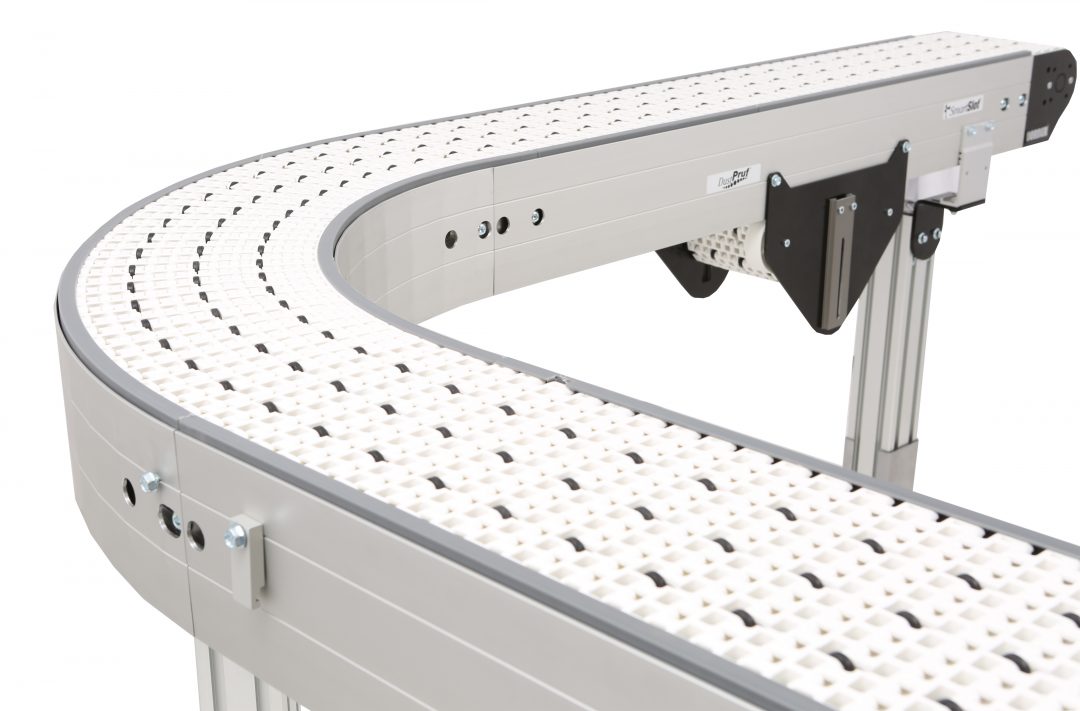
Modular belt conveyor operating on an industrial production line
Products • Belting • Modular Belt

Modular belting for reliable product handling

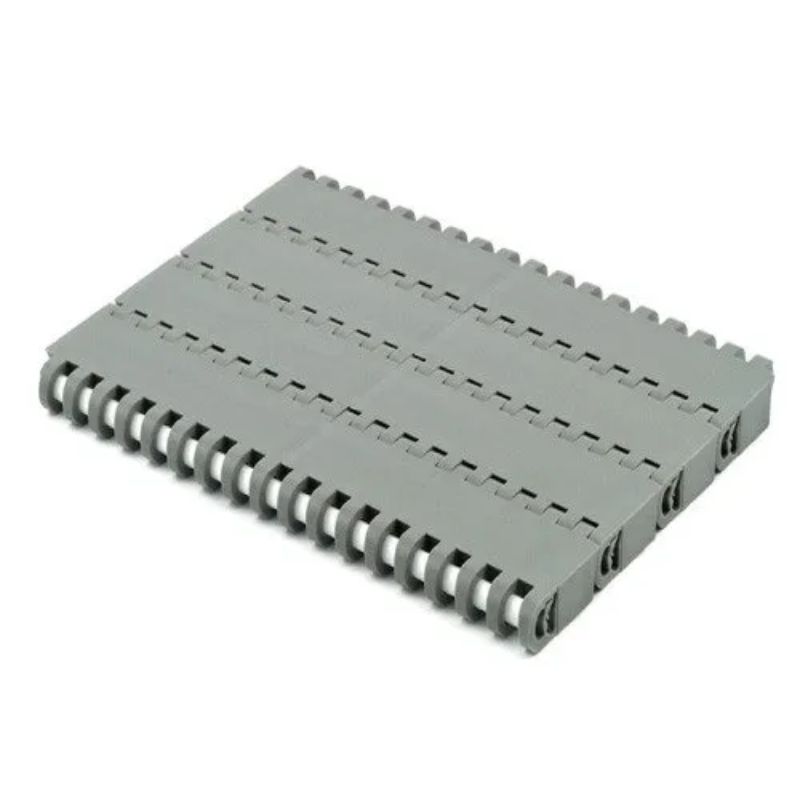
Modular belt systems use interlocking plastic modules connected by hinge rods to create a durable and serviceable conveying surface. They are widely used where drainage, stable tracking, washdown capability, product control or faster section replacement are important.

Conveyor Supplies Africa supports modular belting for food processing, agriculture, packaging, warehousing, logistics, beverage handling and general manufacturing applications.

Flat Top Flush Grid Cleated Grip Top Roller Top Curved Systems
Selection Starting Point What determines the right modular belt?
01 • Product Product size & behaviour Weight, footprint, moisture and stability.
02 • Environment Operating conditions Dry, washdown, cold room or wet processing.
03 • Conveyor Geometry Straight, curve, incline, decline or accumulation.
04 • Surface Product interaction Support, drainage, traction or accumulation.
Serviceable By Design

Why modular belting is different

Modular belting is assembled from individual plastic modules rather than one continuous belt carcass.

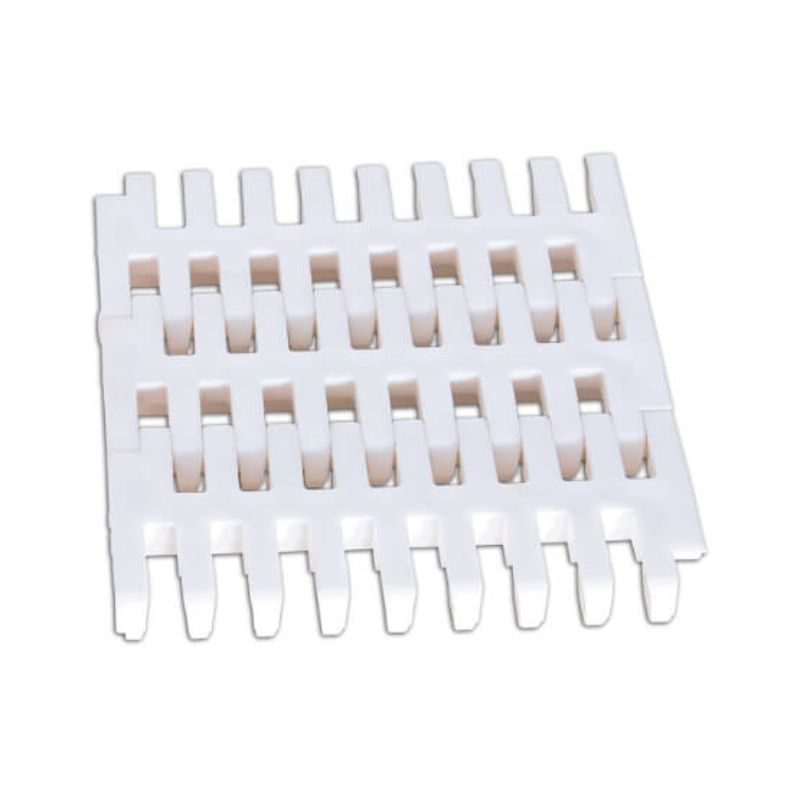
Individual modules are connected with hinge rods or pins to create the conveying surface. If a local area becomes damaged, compatible sections can often be replaced without replacing the complete belt.

Modular systems can be configured around drainage, traction, inclines, curves, accumulation and different product support requirements.

Sprocket alignment, shaft position, guides, wear strips and transfer geometry all influence tracking, wear and reliability.
Maintenance

Section replacement

Compatible damaged modules can often be replaced without replacing the complete belt.

Product Handling

Multiple surface options

Surfaces can provide support, drainage, traction or reduced friction.

Geometry

Straight, curved and inclined

Different belt families solve different conveyor geometry requirements.

System Performance

Conveyor design still matters

Incorrect guides, supports or sprocket alignment can shorten belt life.

Help Me Choose

Select the belt around the actual conveyor duty

Start with the product, operating environment and conveyor layout before choosing surface and material.

Information that helps identify the right belt

Photographs are particularly useful when replacing existing modular belting.

  • 01
    Belt width and pitch where known.
  • 02
    Product type, size, weight and moisture.
  • 03
    Straight, curved, incline or decline layout.
  • 04
    Required surface behaviour.
  • 05
    Washdown and temperature conditions.
  • 06
    Photos of sprockets, guides and transfers.
Product Support

Flat or open surface?

Small products generally require more continuous support.

Slopes

Grip or cleats?

Friction tops and flights can help control products on slopes.

Curves

Side-flex required?

Curved conveyors require suitable belt and guide geometry.

Accumulation

Reduce product friction

Roller-top belts can help products queue and reposition.

Modular Belt Materials

Select material around environment and duty

Nylon modular belt
PA

Nylon Modular Belting

Considered where mechanical strength and stability are important.

Polyethylene modular belt
PE

Polyethylene Modular Belting

Commonly considered for moisture and wet operating conditions.

Polypropylene modular belt
PP

Polypropylene Modular Belting

A versatile option across many general production applications.

Acetal modular belt
POM

Acetal Modular Belting

Used where stable and consistent movement is important.

Modular Belt Range

Belt surfaces for different product behaviour

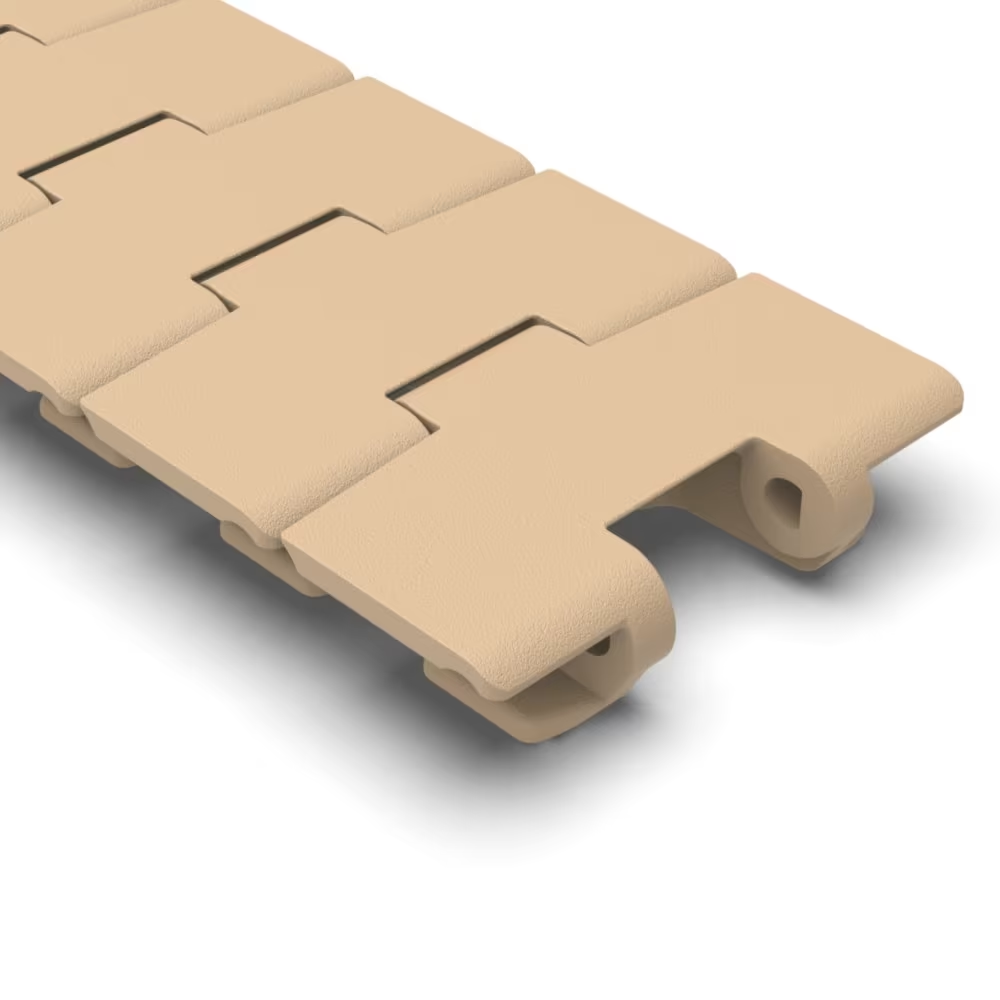
Flat top modular beltStable Support

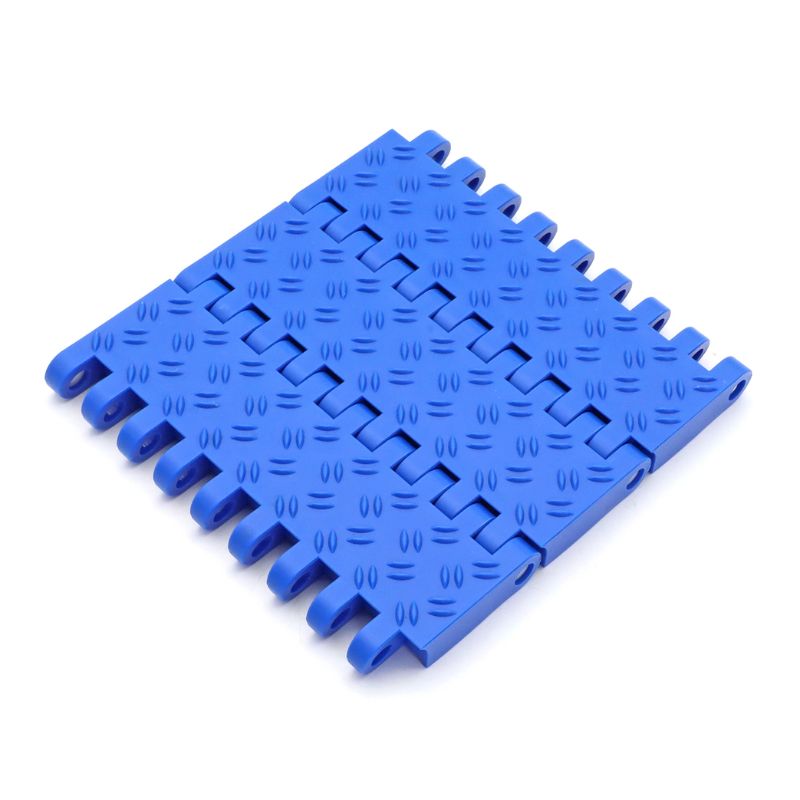
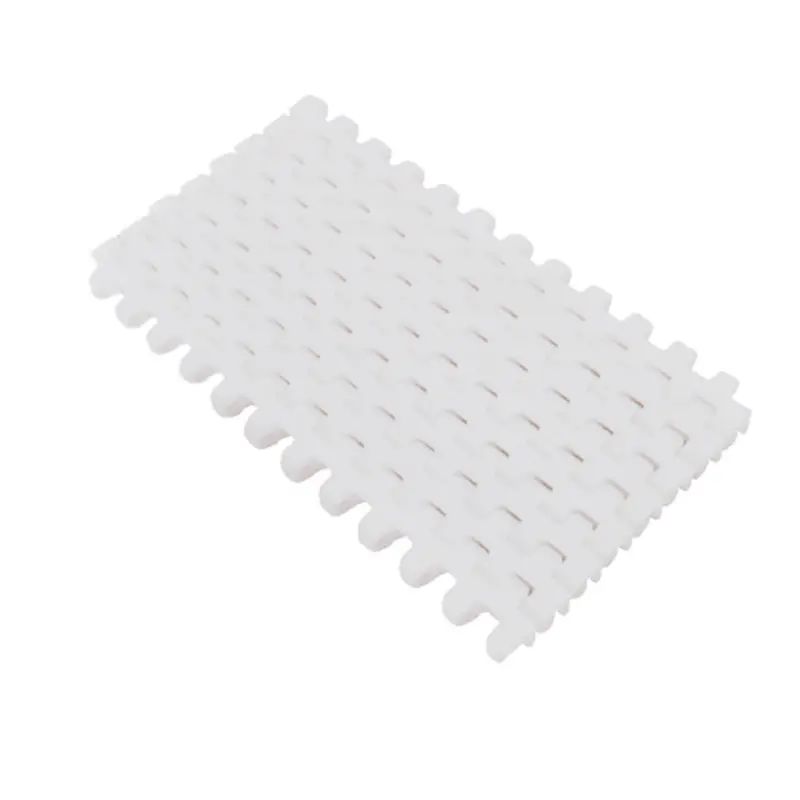
Flat Top Belting

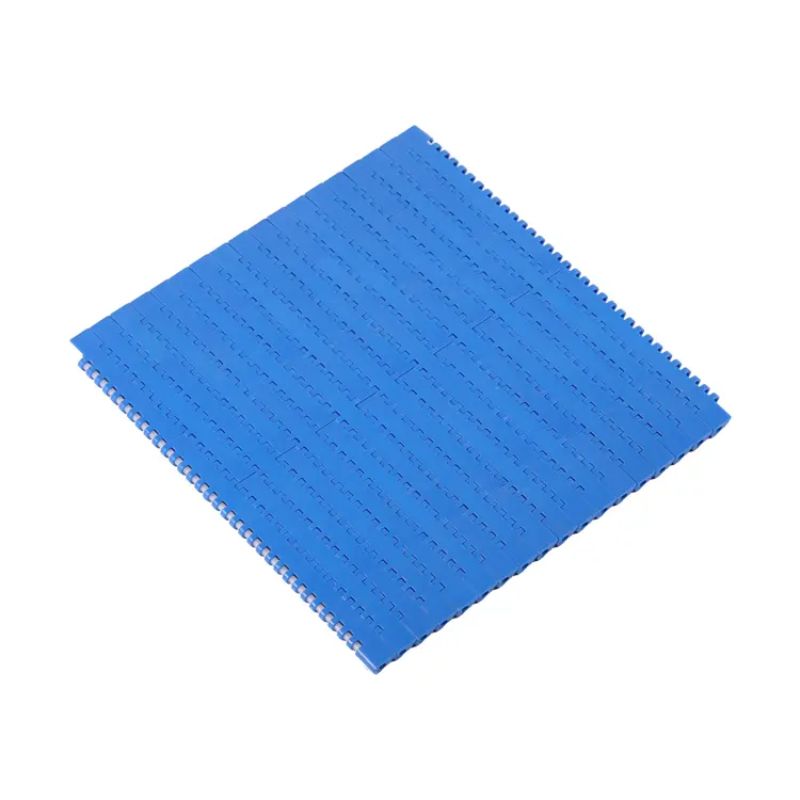
Continuous support for trays, cartons, containers and smaller products.

Flat Surface Packaging
Flush grid modular beltDrainage

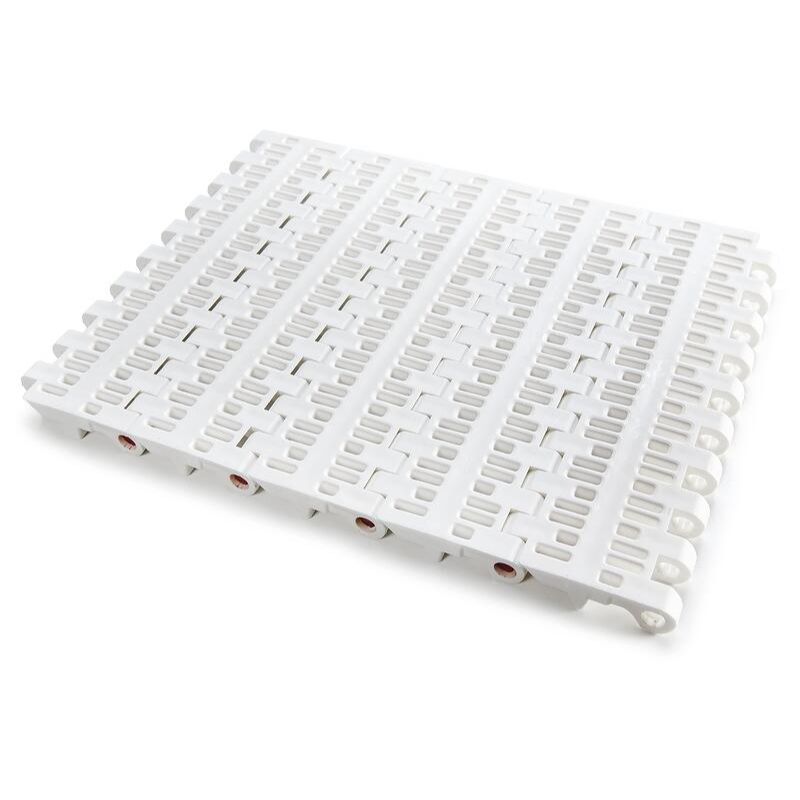
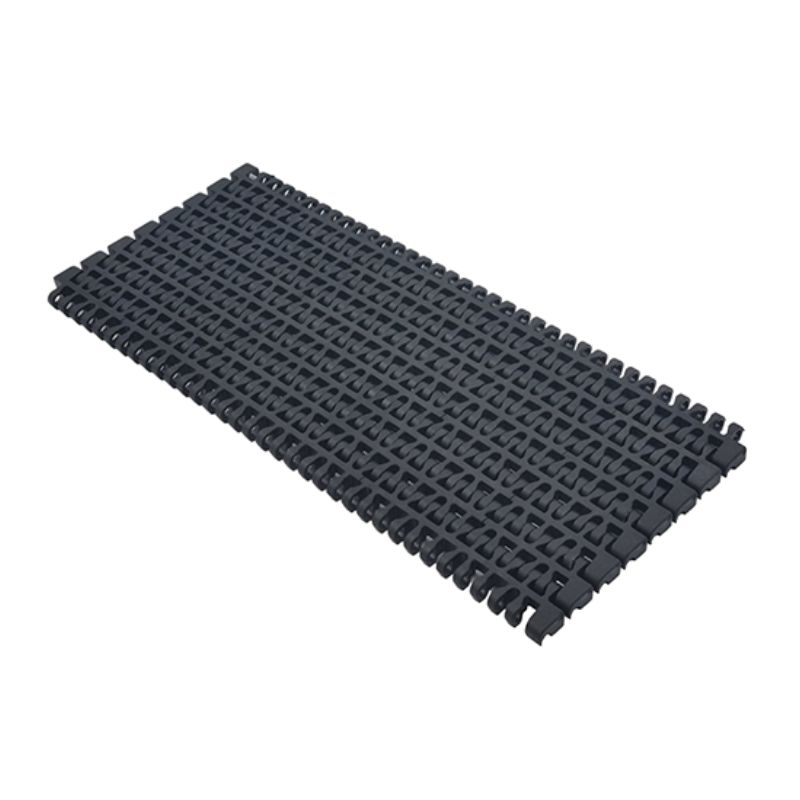
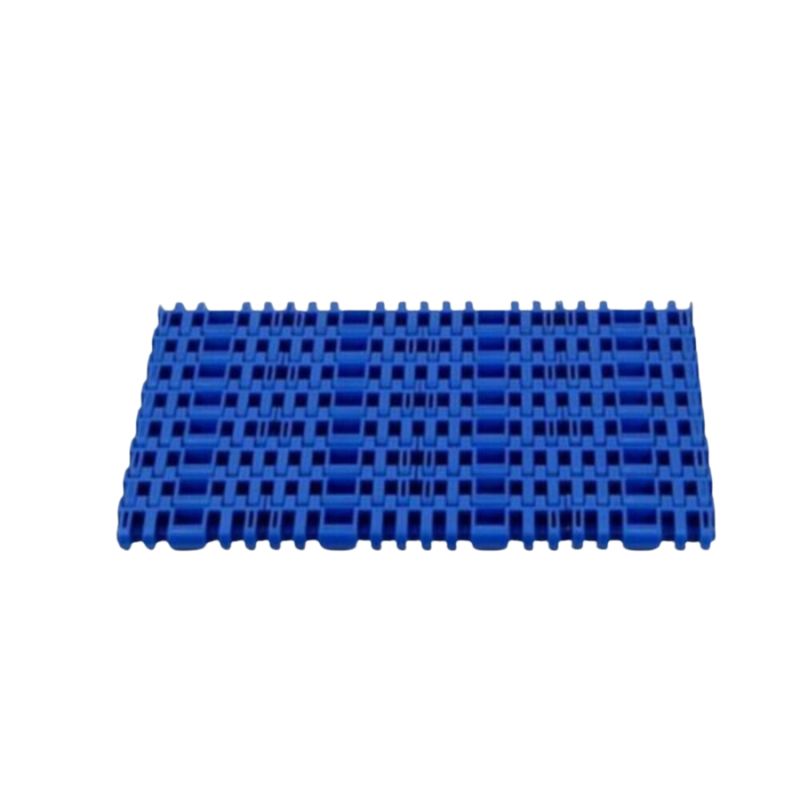
Flush Grid Belting

Open-grid surfaces allow drainage and airflow in wet applications.

Drainage Wet Areas
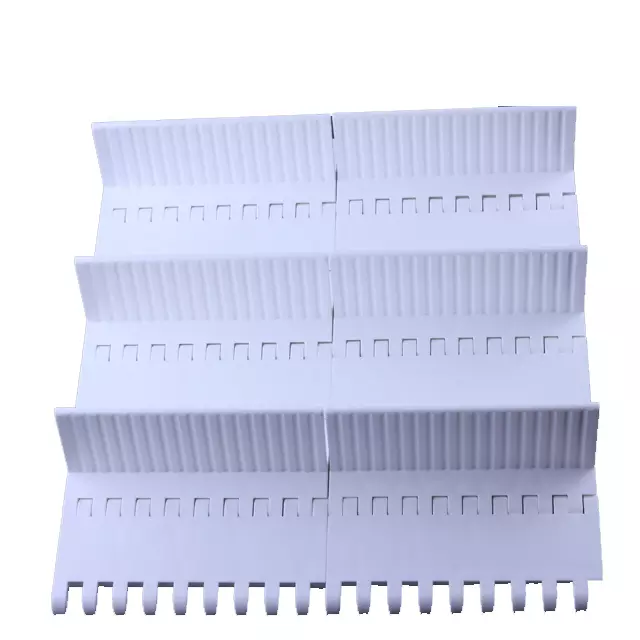
Cleated modular conveyor beltIncline Control

Flights & Cleated Belting

Cleats help retain product position on incline conveyors.

Inclines Flights
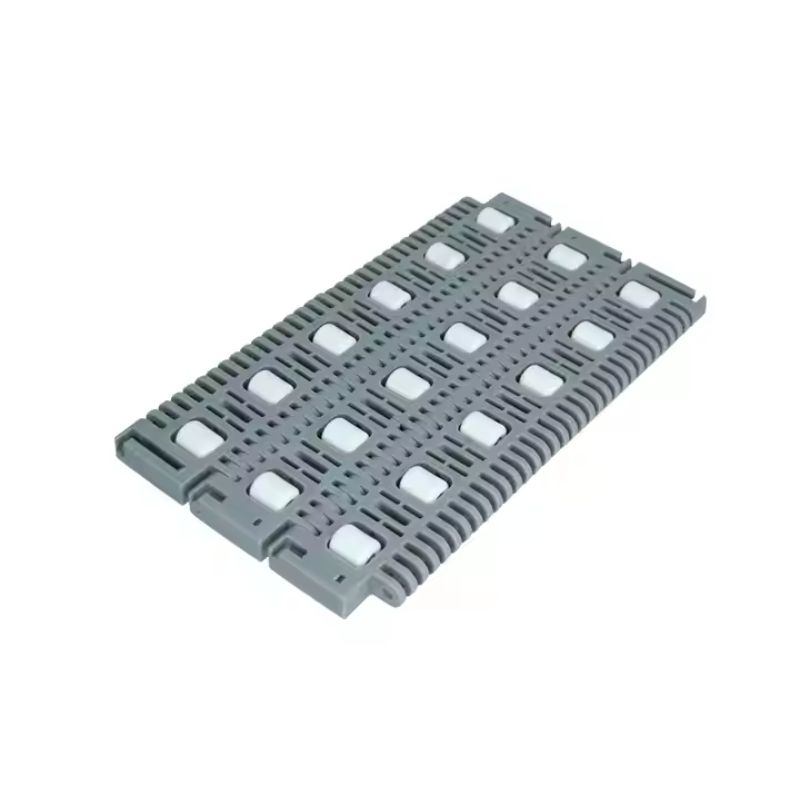
Roller top modular beltAccumulation

Roller Top Belting

Integrated rollers reduce friction during accumulation and merging.

Accumulation Low Friction
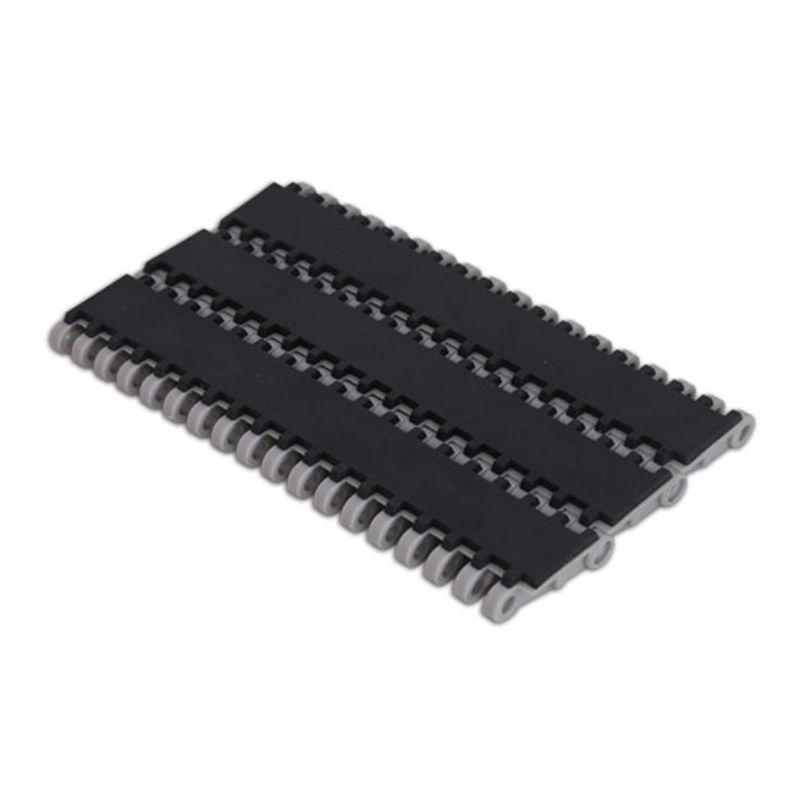
Friction top modular beltTraction

Friction Top Belting

Higher-friction surfaces help control products through slopes and acceleration.

Traction Inclines
Grip top modular beltProduct Stability

Grip Top Belting

Grip surfaces help reduce unwanted product movement.

Grip Slope Control
Non skid modular beltHigh Grip

Non-Skid Belting

High-traction surfaces improve stability through slopes and transitions.

High Grip Transitions
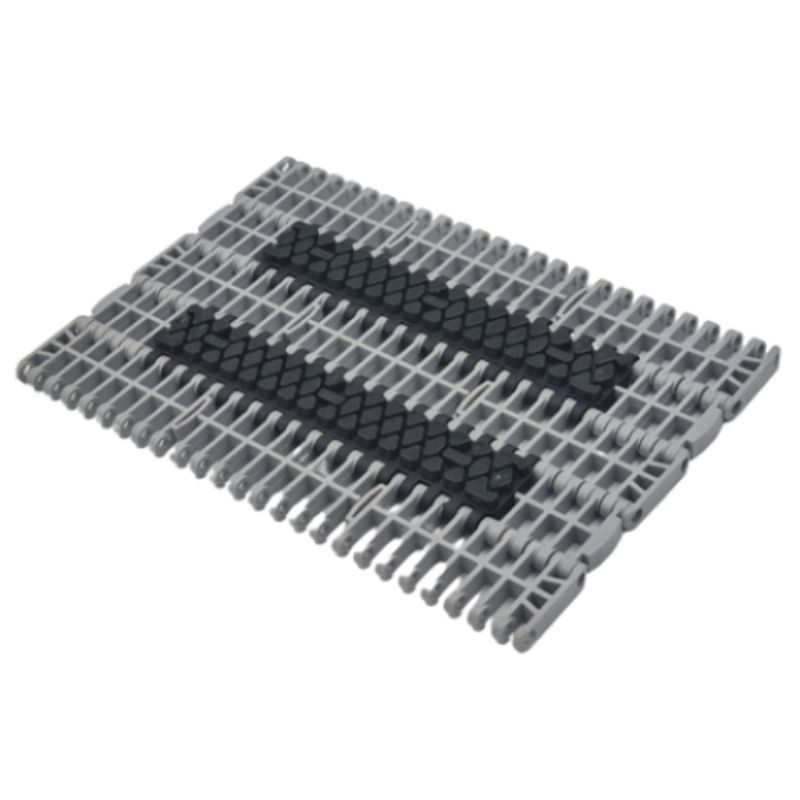
Diamond top modular beltTextured Surface

Embedded Diamond Top

Textured surface for additional product contact and grip.

Texture Grip
Raised rib modular beltRibbed Surface

Raised Rib Belting

Alternative product-contact surface for suitable handling applications.

Raised Rib Handling
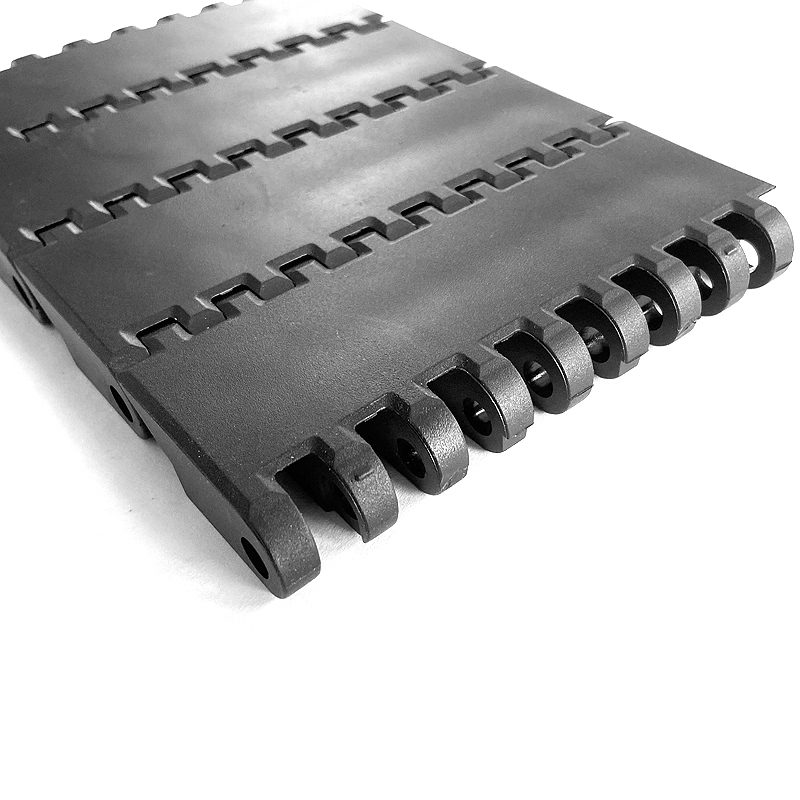
Tracking tab modular beltGuiding

Tracking Tab Belting

Tracking features can support controlled belt guidance.

Tracking Guiding
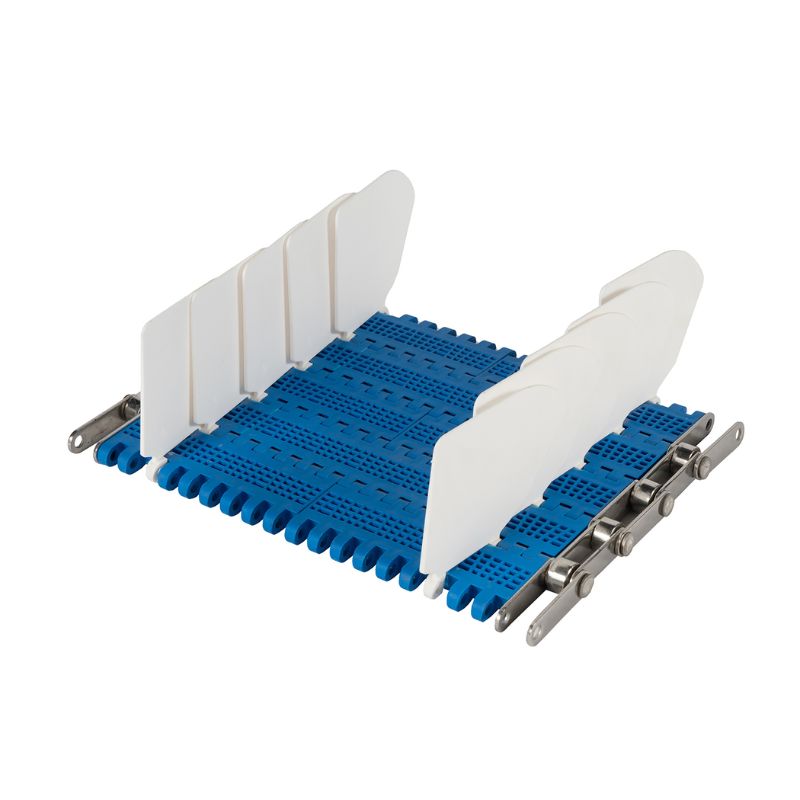
Side wall modular beltContainment

Side Wall Belting

Side guards help retain product and reduce spillage.

Containment Side Guards
Heavy duty modular beltIndustrial Duty

Heavy Duty Modular Belting

More robust configurations for higher-load applications.

Higher Loads Industrial Duty
Tab chain conveyorGuided Chain

Tab Chain

Guided chain for bottle and container handling applications.

Bottles Guided Travel
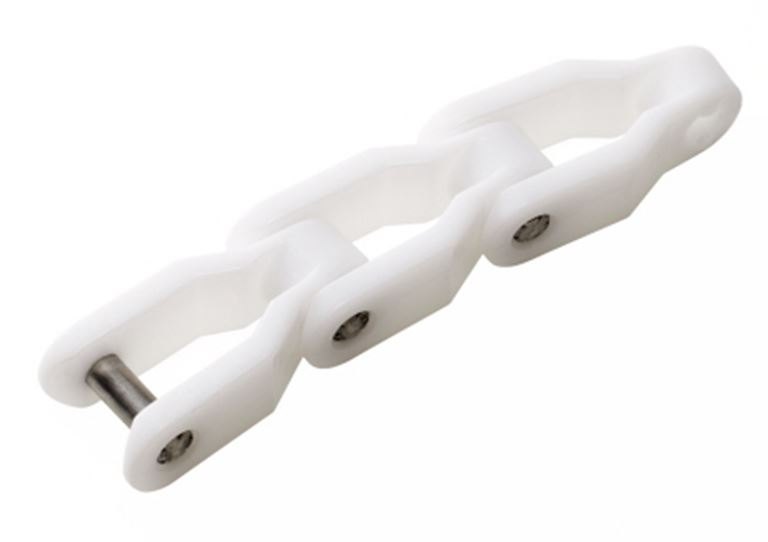
Plastic modular conveyor chainChain Conveying

Plastic Modular Chain

Plastic chain systems for configured track and guide arrangements.

Plastic Chain Track Systems
Belt Behaviour

Choose the surface around what the product needs to do

Flush grid modular belt
Wet & Washdown Areas

Open surfaces allow water somewhere to go

Wet-processing applications can benefit from drainage while still maintaining appropriate product support.

01
Drainage Reduce water retention.
02
Product support Opening size must still suit the product.
03
Cleaning Conveyor structure also needs practical access.
Cleated modular conveyor belt
Inclines & Declines

Traction controls product movement on slopes

Grip surfaces and flights provide additional control where products would otherwise slide or bunch.

01
Grip surfaces Increase product-to-belt friction.
02
Cleats Provide physical retention on steeper sections.
03
Transfers Entry and discharge geometry still matters.
Roller top modular conveyor belt
Accumulation

Reduce friction when products need to queue

Roller-top surfaces help products move relative to the main conveyor surface.

01
Lower back pressure Useful where products wait.
02
Merging Supports controlled repositioning.
03
Support condition Wear surfaces must remain serviceable.
Applications

Modular belting across non-mining industries

01
Food Processing

Hygiene & Washdown

Drainage, access and cleaning influence belt selection.

02
Agriculture

Farms & Packhouses

Open and solid surfaces can suit produce handling.

03
Packaging

Stable Product Transfer

Flat modular surfaces support packs and containers.

04
Bakery

Tray Handling

Predictable tray movement through production.

05
Meat & Wet Processing

Washdown-Aware Handling

Surface selection, drainage and cleaning access can be considered together across wet processing conveyors.

06
Beverage

Bottle Handling

Plastic chains support guided container movement.

Technical Selection Guide

Belt performance depends on the entire conveyor

Repeat problems are often caused by conveyor components around the belt.

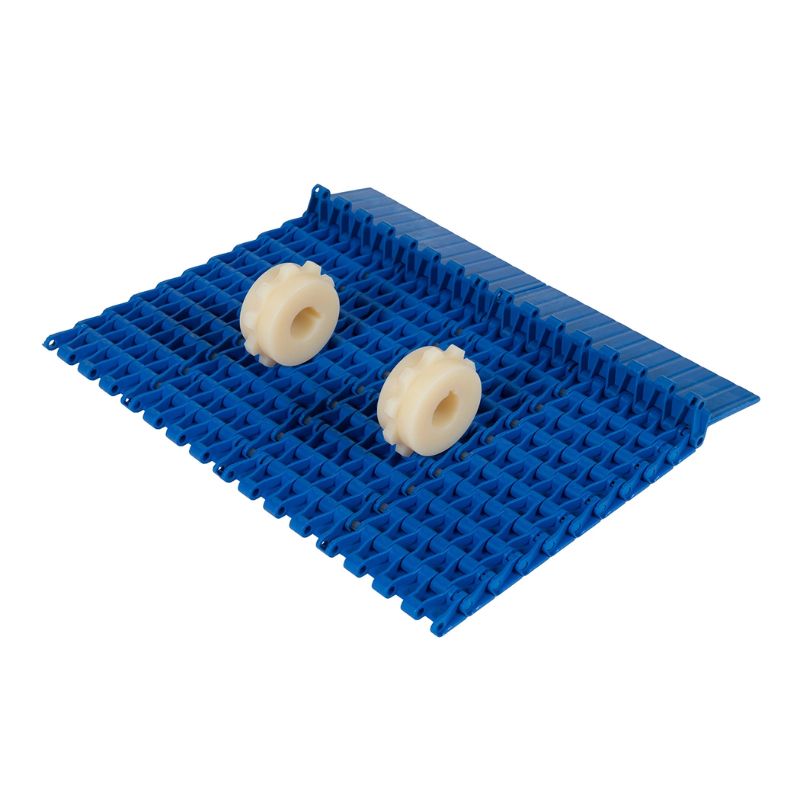
Belt Pitch Compatibility Modules and sprockets must belong to compatible families.
Material Environment PP, PE, PA and POM should suit the process conditions.
Surface Product interaction Surface design changes support, friction and drainage.
Sprockets Drive Alignment and spacing influence wear and tracking.
Wear Strips Support Worn supports increase friction.
Guides Side control Especially important through curves.
Transfers Handover Poor transfer geometry can damage products and belts.
Cleaning Access Wet systems should remain practical to clean.
Maintenance & Spares

Keep compatible parts linked to the belt family

Modular systems are easier to repair when the correct modules, hinge rods and sprockets are already identified and available.

Standardising similar conveyors can reduce ordering mistakes and simplify maintenance across production areas.

01

Replacement Modules

Hold compatible modules for common wear or damage areas.

02

Hinge Rods & Pins

Rods must match the belt family and assembly arrangement.

03

Sprockets

Keep sprocket information linked to the relevant belt and shaft.

04

Guides & Wear Surfaces

Worn conveyor components can create repeated belt issues.

Quote Specification

Send enough information to identify the belt correctly

Existing modular belts are easier to identify when measurements are combined with photographs of the modules, underside, hinge rods, sprockets and conveyor guides.

01 • Belt

Width & Pitch

Basic dimensions establish the compatibility starting point.

Send Width, pitch and close-up photos.
02 • Product

Product Details

Product dimensions influence surface selection.

Send Product type, dimensions and weight.
03 • Surface

Belt Top

Support, drainage and traction require different surfaces.

Send Flat, grid, grip, cleated or roller top.
04 • Geometry

Conveyor Layout

Curves and slopes influence belt and guide selection.

Send Straight, curve, incline and transfer details.
05 • Environment

Operating Conditions

Moisture and temperature affect material choice.

Send Dry, wet, washdown or cold-room conditions.
06 • Conveyor

Sprockets & Guides

Existing components help establish compatibility.

Send Photos of sprockets, shafts and guides.

For difficult identification, include photographs from above and below the belt together with a close-up of the sprocket engagement.

Send Application Details
Conveyor Supplies Africa

Modular belting works best as part of a complete conveyor system

CSA supports modular belt applications together with conveyor geometry, wear surfaces, guides, transfers and custom conveyor manufacture.

Selection

Application-led belt choice

Surface and material are selected around the actual application.

Engineering

System-level thinking

Guides, sprockets and wear surfaces are part of belt performance.

Manufacturing

Custom conveyor solutions

Custom conveyor and roller manufacture for non-mining industries.

Maintenance

Planned spares

Components can be identified before a breakdown occurs.

Applications

Multiple industries supported

Food, beverage, agriculture, packaging, logistics, warehousing and general industrial applications.

Africa

Regional enquiries

Industrial enquiries from South Africa and other African markets.

Need help identifying or selecting modular belting?

Send belt dimensions, product details and photographs of the belt, sprockets, guides and transfer areas.

What is a modular conveyor belt?
A modular conveyor belt is assembled from interlocking plastic modules connected by hinge rods or pins.
Which modular belt surface should I choose?
Flat-top surfaces provide support, flush-grid surfaces allow drainage, grip surfaces increase traction and roller-top belts can reduce friction during accumulation.
Can modular belts be used in washdown areas?
Yes. Suitable modular belt materials and surfaces can support wet and washdown environments.
Can modular belts run around curves?
Suitable side-flex systems can negotiate curves when the belt, guides and support geometry are correctly selected.
What belt is used on incline conveyors?
Grip surfaces, friction tops, cleats or flights may be used depending on the product and conveyor angle.
How do I identify an existing modular belt?
Send belt width, pitch if known and photographs of the belt, hinge area, sprockets and guides.
What spares should be kept?
Useful spares can include compatible modules, hinge rods, sprockets and selected wear components.
Why does a modular belt wear on one side?
Uneven wear can be caused by guide geometry, sprocket alignment, worn support surfaces or transfer forces.
Does CSA manufacture conveyor systems?
Conveyor Supplies Africa supports custom conveyor and roller manufacturing for non-mining applications.
Does CSA support customers outside South Africa?
Yes. Conveyor Supplies Africa supports industrial enquiries from South Africa and other African markets.