Language
Conveyor Supplies Africa

Search Conveyor Supplies Africa

Generic selectors
Exact matches only
Search in title
Search in content
Post Type Selectors
Products • Belting • PU Belt

PU conveyor belting for clean, controlled product handling

PU belt solutions are widely used where hygiene, cleanability, reliable tracking and controlled product movement are important. Conveyor Supplies Africa supplies and fabricates polyurethane conveyor belting for food processing, packaging, pharmaceuticals, agriculture and other non-mining production environments.

Smooth, rough-top, profiled, white, blue and diamond-top surfaces can be combined with cleats, guides and sidewalls to suit the actual conveyor duty.

Smooth PU Rough Top Diamond Top White PU Blue PU Cleated Belting
PU belt for hygienic conveyor systems
PU Conveyor Belting Smooth and profiled polyurethane surfaces for hygienic and controlled product-handling applications.
Selection Starting Point What determines the right PU belt?
01 • Product Product & load Weight, shape, oil content, moisture and throughput.
02 • Environment Cleaning conditions Dry, wet, washdown, oils, fats and chemicals.
03 • Conveyor Geometry & pulleys Belt length, pulley diameter, transfers and support.
04 • Surface Product interaction Smooth handling, grip, containment or incline control.
Hygiene Focused Belting

Why polyurethane belting is used in production environments

PU belting combines a cleanable conveying surface with the flexibility required for controlled product handling.

Polyurethane conveyor belting is frequently selected for food, pharmaceutical, packaging and hygiene-sensitive production environments because the belt surface can be easier to clean and maintain than many traditional industrial belt options.

Surface profile matters. A smooth belt may suit inspection or packing, while rough-top, diamond or profiled surfaces can add traction where products move through inclines, declines, acceleration points or transfers.

Belt performance still depends on the complete conveyor. Pulley alignment, tensioning, slider beds, rollers, transfers and fabrication all influence tracking, wear and belt life.
Hygiene

Easier-clean surfaces

Smooth polyurethane surfaces can support practical sanitation and washdown routines.

Product Control

Multiple top profiles

Surface options can provide low-friction handling or additional product grip.

Fabrication

Cleats, guides & sidewalls

Additional features can control products, reduce rollback and improve containment.

Reliability

Belt and conveyor must work together

Correct pulleys, transfers, tracking and support protect belt performance.

Help Me Choose

Select PU belting around the real operating conditions

Product behaviour, cleaning conditions, pulley diameter, conveyor geometry and whether the belt needs to grip, release, contain or elevate product determine the specification.

Information that helps identify the correct PU belt

If you are replacing an existing belt, photographs of the belt and conveyor normally make identification much easier.

  • 01
    Belt width and endless loop length.
  • 02
    Smallest pulley or nose-bar diameter.
  • 03
    Product type, weight and throughput.
  • 04
    Wet, dry, washdown, oil or chemical exposure.
  • 05
    Surface required: smooth, grip or profiled.
  • 06
    Photos of transfers, pulleys and belt underside.
Cleanability

Smooth or textured?

Smooth belts are generally simpler to clean. Texture should be added when the application needs additional traction.

Inclines

Grip or cleats?

Moderate slopes may only require additional friction. Steeper inclines may require physical flights.

Containment

Sidewalls required?

Sidewalls can reduce product loss where loose or small products must remain contained.

Visibility

White or blue?

Belt colour can support visual inspection and quality control depending on the product and facility.

PU Belt Range

Surface options for different product behaviour

The simplest suitable surface is normally the best starting point. More profile becomes useful where additional traction, stability or product control is required.

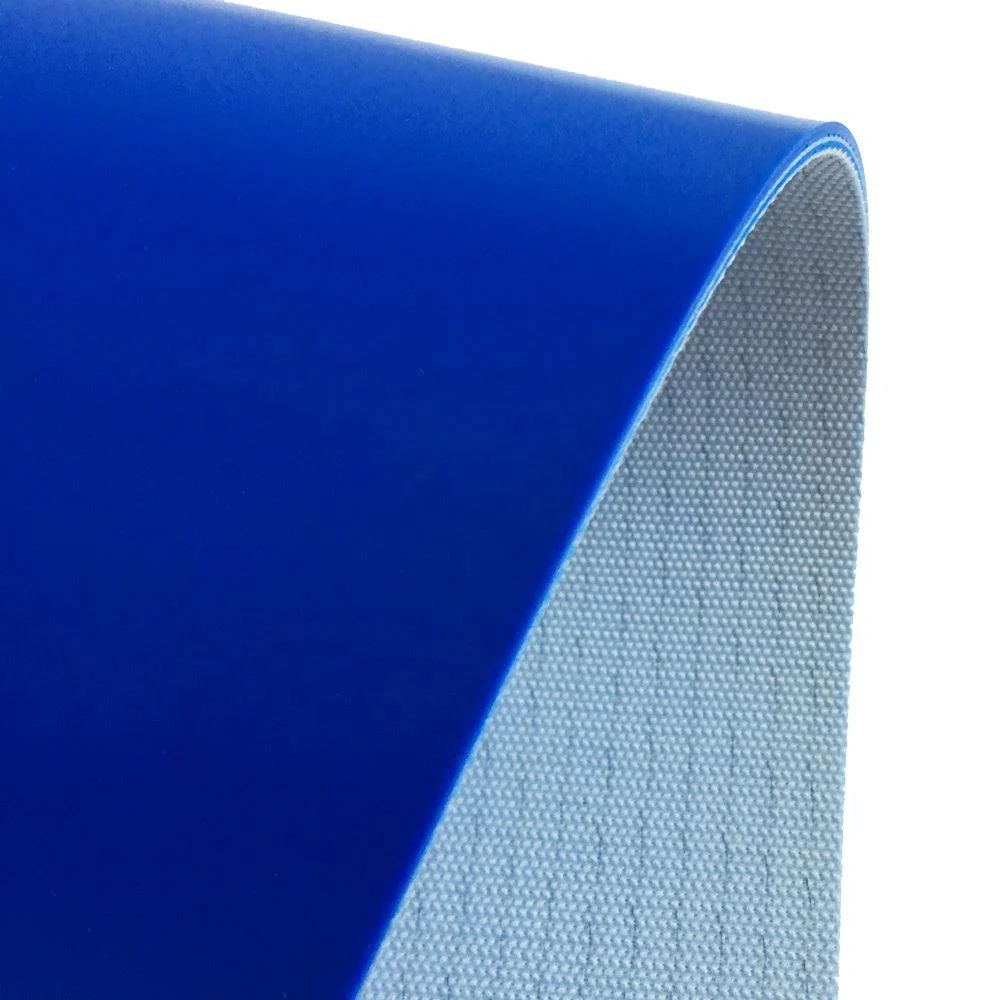
Smooth food grade conveyor belt surface Hygiene

Smooth Food Grade PU Belt

Smooth polyurethane belting is commonly used where cleanability, stable product support and straightforward washdown are priorities.

Food Processing Inspection Washdown
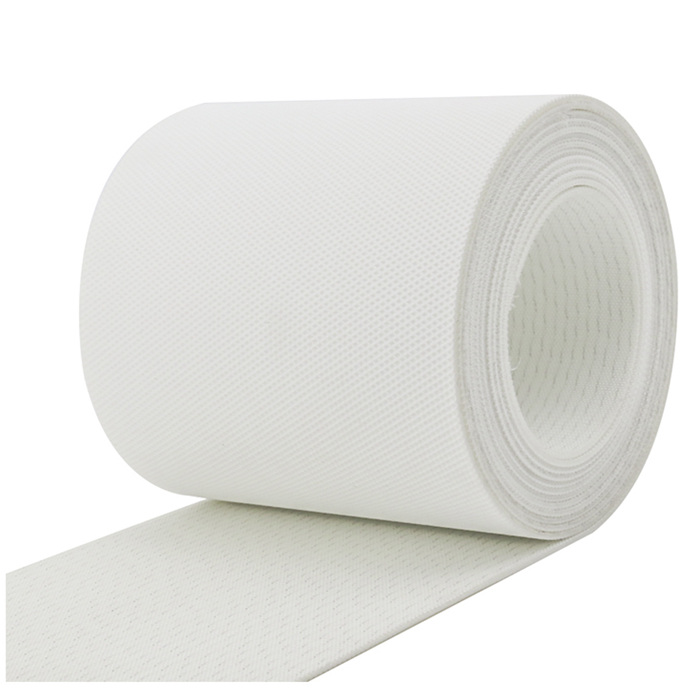
Rough top grip conveyor belt profile High Grip

Rough Top PU Belt

Rough-top surfaces increase traction where cartons, packaged products or components must remain stable through inclines and acceleration zones.

Inclines Packaging Traction
Profiled polyurethane conveyor belt Product Stability

Staggered / Profiled PU Belt

Profiled surfaces help control irregular products and improve traction where moisture or product shape varies.

Sorting Produce Wet / Dry
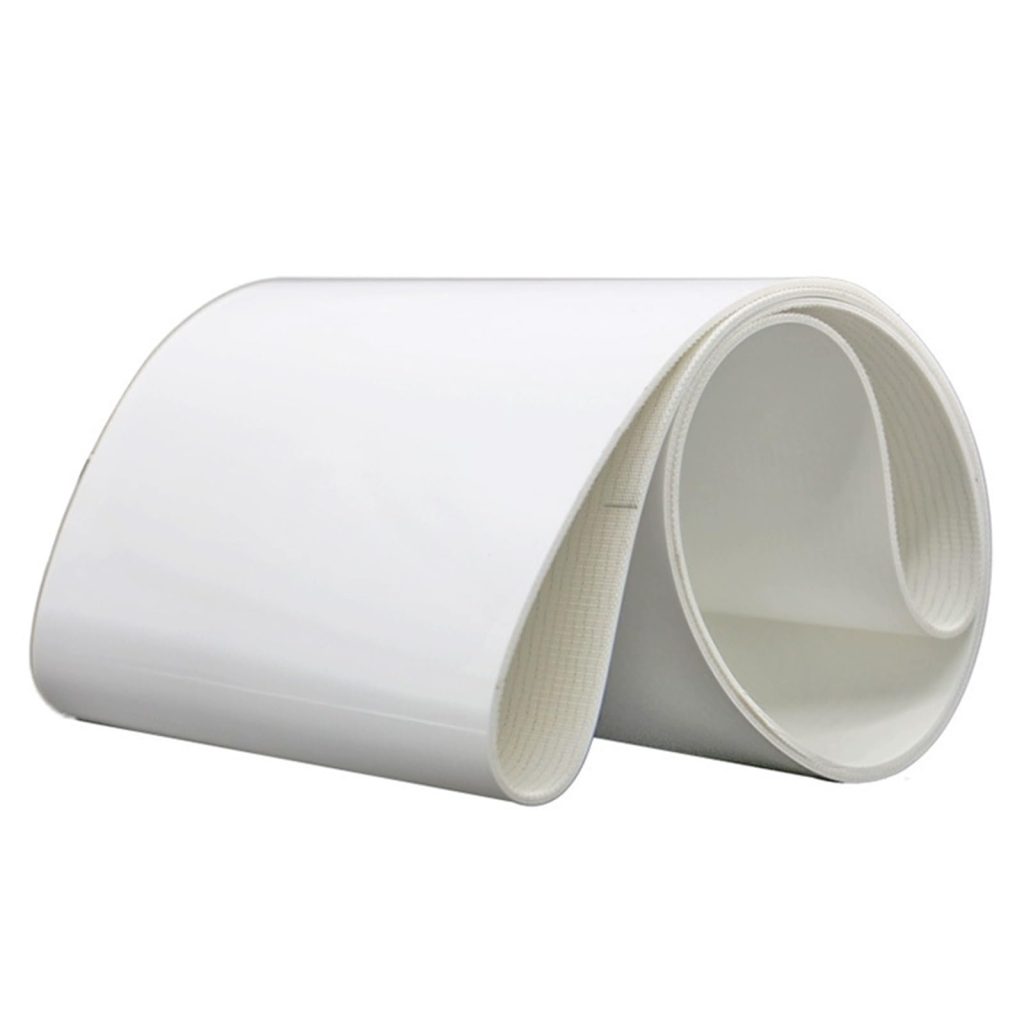
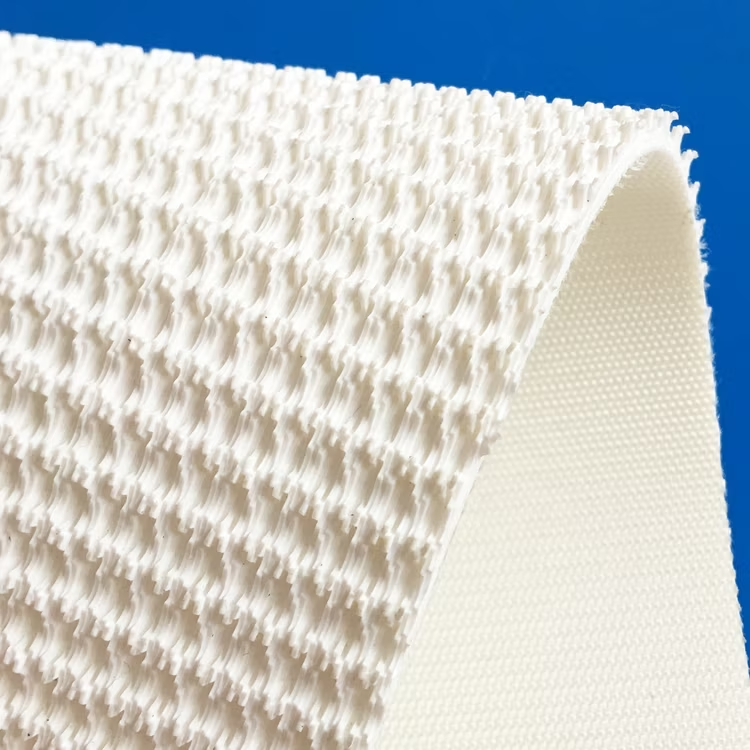
White hygienic conveyor belt Hygiene Visibility

White PU Belt

White polyurethane belts are common in hygiene-sensitive production where residue visibility and visual cleaning checks are important.

Food Handling Bakery Dairy
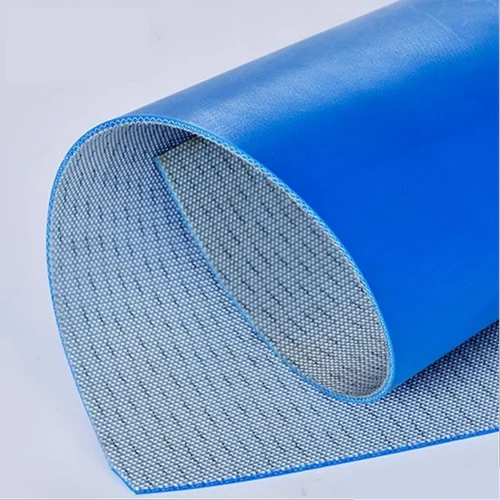
Blue polyurethane conveyor belt Inspection

Blue PU Belt

Blue surfaces provide strong contrast against many food products and are commonly used in inspection and quality control areas.

Inspection Quality Control Food Processing
Diamond top polyurethane belt surface Controlled Grip

Diamond Top PU Belt

Diamond-top profiles provide additional traction while retaining a controlled product-contact surface.

Inclines Packaging Stable Handling
Fabrication

PU belt performance is shaped by how the belt is fabricated

Cleats, sidewalls, guides and splice arrangements should be selected around conveyor geometry.

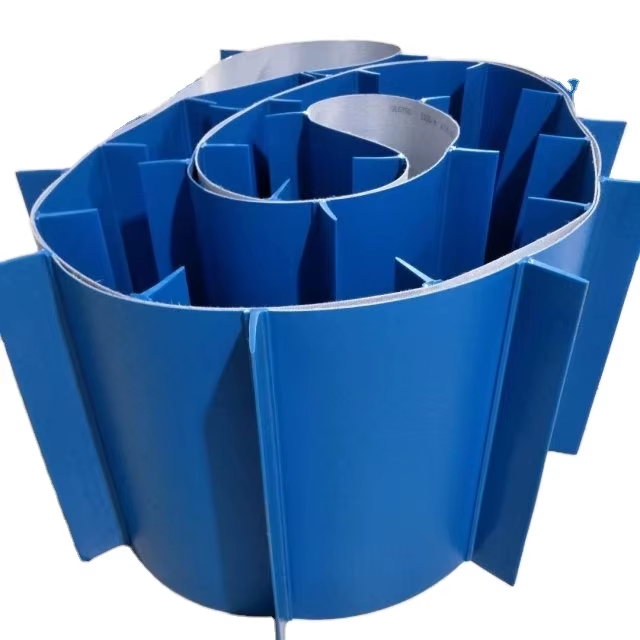
Cleated polyurethane conveyor belt
Incline Conveying

Cleats help prevent rollback and maintain spacing

Cleat height and spacing should suit product dimensions, conveyor angle and cleaning requirements.

01
Product retention Flights provide support on steeper inclines.
02
Spacing Cleat pitch can maintain product position.
03
Cleaning Fabrication should remain practical to wash.
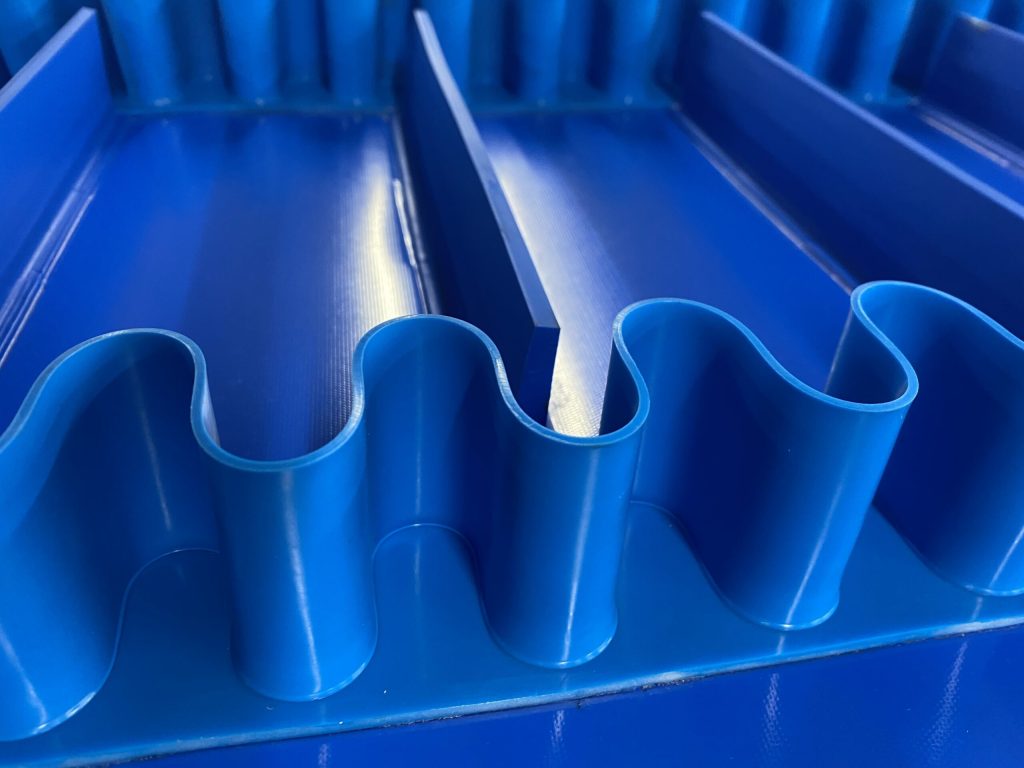
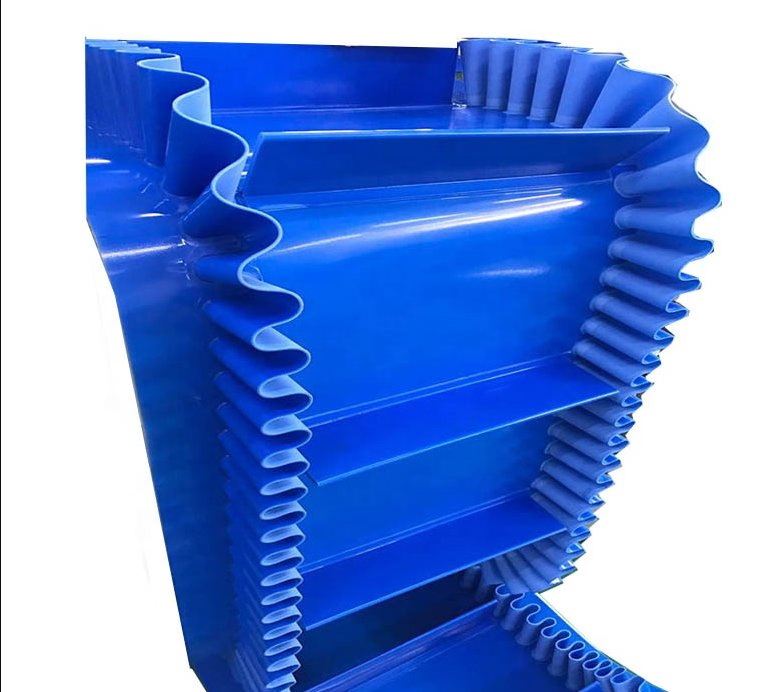
PU conveyor belt with sidewalls and cleats
Product Containment

Sidewalls keep loose product where it belongs

Corrugated sidewalls can reduce spillage where products or loose materials are conveyed on slopes.

01
Containment Helps reduce product loss and spillage.
02
Incline duty Sidewalls and flights can work together.
03
Geometry Height and flexibility must suit the pulleys.
Tracking & Transfers

Guides help, but correct conveyor alignment comes first

Tracking guides can improve belt stability in suitable applications, but persistent drift should trigger inspection of alignment, tension and conveyor geometry.

01
Tracking guides Support controlled belt positioning.
02
Transfer design Clean transitions reduce snagging.
03
Edge protection Correct tracking reduces edge wear.
Practical Note

Repeat mistracking is normally a system problem

If a replacement belt develops the same wear pattern as the previous belt, the conveyor itself should be inspected.

Applications

PU belting across non-mining industries

Polyurethane belting is particularly useful where product contact, hygiene, controlled movement and predictable cleaning routines matter.

01
Food Processing

Hygiene & Washdown

Smooth PU surfaces support inspection, portioning, packing and hygiene-sensitive food handling.

02
Packaging

Product Stability

Rough-top and diamond surfaces can improve traction through inclines and acceleration zones.

03
Pharmaceutical

Clean Product Handling

Cleanable surfaces and predictable tracking can support controlled production environments.

04
Bakery & Dairy

Direct Product Handling

White and smooth PU belts are commonly used in hygiene-focused production.

05
Agriculture & Produce

Sorting, Washing & Packing

Surface grip can be matched to wet or dry produce handling while maintaining controlled product movement.

06
Logistics

Cartons & Parcels

Higher-grip surfaces can improve stability on inclines and transfer conveyors.

Technical Selection Guide

PU belt performance depends on more than the belt surface

Correct specification reduces mistracking, slipping, premature splice problems and unnecessary edge wear.

Belt Width & Length Physical fit Width and endless loop length establish belt size.
Surface Profile Product behaviour Smooth, rough and patterned surfaces change traction.
Pulley Diameter Flexibility Small pulleys require suitable belt construction.
Product & Load Belt duty Product weight and throughput affect belt duty.
Environment Suitability Water, oils, fats and chemicals must be considered.
Slider Bed Friction Support condition affects drag and belt wear.
Tracking Stability Alignment, tension and guides influence tracking.
Transfers Handover Poor transfers can create jams and belt damage.
Fabrication & Conveyor Engineering

Belt fabrication should match the conveyor, not fight it

A PU belt is one component in the conveying system. Fabrication, pulley geometry, tracking arrangements, supports and transfers should work together.

Conveyor Supplies Africa also supports custom conveyor and roller manufacture for non-mining applications.

01 • Inclines

Cleats & Flights

Improve product retention on incline conveyors.

02 • Containment

Sidewalls

Reduce spillage and contain loose product.

03 • Guidance

Tracking Guides

Support belt position where conveyor geometry permits.

04 • Joining

Splicing

Match pulley geometry and maintenance requirements.

05 • Transfers

Transfer Optimisation

Reduce snagging and product damage.

06 • System

Conveyor & Roller Support

Custom conveyor and roller manufacture where required.

Quote Specification

Send enough information to specify the belt correctly

Measurements and photographs are normally enough to start identifying a replacement belt. If information is missing, send what you have.

01 • Dimensions

Width & Loop Length

Establishes the physical belt size.

Send Width and endless length in millimetres.
02 • Pulleys

Smallest Diameter

Determines required flexibility.

Send Drive, tail and nose-bar diameter.
03 • Surface

Required Belt Top

Determines friction and cleaning behaviour.

Send Smooth, rough, diamond or profiled.
04 • Product

Product Details

Influences surface and construction.

Send Product type, weight and throughput.
05 • Environment

Operating Conditions

Influences material suitability.

Send Dry, wet, oils, fats and chemicals.
06 • Geometry

Conveyor Layout

Inclines and transfers affect behaviour.

Send Straight, incline and transfer details.
07 • Fabrication

Cleats & Sidewalls

Must suit product and pulleys.

Send Cleat height, spacing and sidewalls.
08 • Photos

Existing Conveyor

Images help identify existing arrangements.

Send Belt, pulleys, underside and transfers.

Include one full conveyor photograph plus close-ups of the belt surface, underside, splice and smallest pulley.

Send Application Details
Conveyor Supplies Africa

PU belting works best when the complete conveyor is considered

CSA supports belt selection together with fabrication, transfers, rollers, conveyor geometry and custom manufacture.

Selection

Application-led belt choice

Surface and fabrication are selected around the actual duty.

Fabrication

Cleats, guides & sidewalls

Fabricated features can suit incline and containment needs.

Engineering

Conveyor-system thinking

Pulleys, rollers, beds and transfers affect belt performance.

Maintenance

Replacement support

Photos and measurements help identify belts before failure.

Applications

Non-mining industries

Food, agriculture, packaging, logistics, warehousing, pharmaceuticals and manufacturing.

Africa

Regional enquiries

Support for South Africa and other African markets.

Explore Related Conveyor Solutions

Related belting, equipment, service and industry pages.

Need help identifying or specifying a PU belt?

Send dimensions, product details and photographs of the belt, pulleys and transfer areas.

What is a PU conveyor belt?
A PU conveyor belt has a polyurethane conveying surface and is commonly used where cleanability, controlled handling and resistance to production environments are important.
Where are PU belts commonly used?
PU belts are commonly used in food processing, bakery, dairy, packaging, pharmaceutical and agricultural applications.
What is the difference between smooth and rough-top PU belts?
Smooth PU belts are generally easier to clean. Rough-top belts provide increased friction where additional product grip is required.
Should I choose a white or blue PU belt?
Both can suit hygiene-sensitive applications. White supports residue visibility while blue provides contrast against many food products.
Can PU belts be supplied with cleats?
Yes. Cleats or flights can improve product retention and spacing on incline conveyors.
Can PU belts have sidewalls?
Suitable PU belts can be fabricated with corrugated sidewalls where additional containment is required.
Why does my conveyor belt keep tracking to one side?
Repeated mistracking can be caused by pulley alignment, tension, conveyor structure, transfer forces, support condition or guide arrangement.
What information do you need to quote a replacement PU belt?
Send belt width, endless length, surface profile, smallest pulley diameter, operating environment and photographs of the conveyor.
Can Conveyor Supplies Africa manufacture conveyors as well?
Yes. Conveyor Supplies Africa supports custom conveyor and roller manufacturing for non-mining applications.
Does Conveyor Supplies Africa supply mining conveyor belts?
No. Conveyor Supplies Africa focuses on non-mining applications.